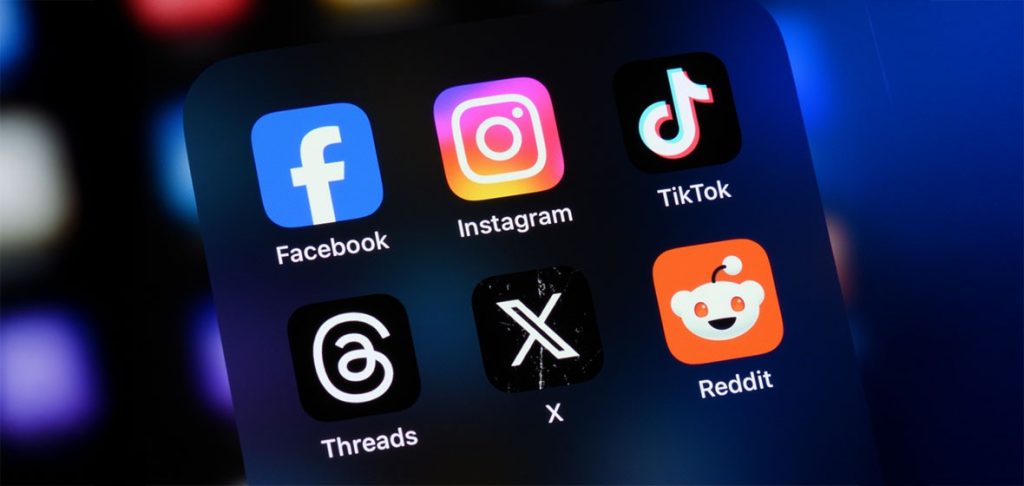
Australia is about to take a bold leap in protecting young minds online. Starting 10 December 2025, a world-first law will kick in that bans placing children under 16 years old on age-restricted social media platforms. Facebook, Instagram, TikTok, Snapchat, X, and YouTube are all in scope. The move has raised eyebrows, sparked broad public support, and forced platforms to rethink how they verify age in a way that’s safe, fair, and privacy-respecting.
Minister for Communications Anika Wells says the government is “on the side of families,” underlining that social media’s influence on young people has grown too big, often too early. The plan is not just to ban access, but to ensure the platforms take responsibility—with penalties of up to AUD$49.5 million for those who fail to take reasonable steps to stop under-16s from having accounts.
eSafety Commissioner Julie Inman Grant has released new regulatory guidance to help companies understand their obligations. This isn’t about using heavy-handed verification everywhere. The proposed approach is layered—platforms will be expected to combine methods like behavioural data, AI estimation, policy controls and reporting tools, rather than relying solely on self-declared age or demanding government IDs for everyone.
Under the guidance, platforms must identify and deactivate existing accounts held by under-16s, prevent them from re-registering, and make the process of appeal simple and accessible. There’s also a strong emphasis on privacy. Collecting large amounts of personal data for age checks isn’t the goal; transparency and fairness are. Platforms must ensure any age estimation or inference isn’t biased or discriminatory.
This isn’t the first time Australia has listened to what its people want. Recent research showed overwhelming support—nearly 90% of Australians backed age assurance measures for social media users, especially to protect children from exposure to harmful content, addictive designs, and cyberbullying. Many young people themselves reported concern about inappropriate content or being overwhelmed by the social pressures that platforms amplify.
Importantly, not every digital service is covered. Messaging apps, online gaming, health or education-oriented platforms are excluded, provided they do not allow public posting or interaction in the same way that social media does. The law draws a distinction between social platforms where content gets shared widely, and platforms that are more closed-loop or regulated differently.
For Indian-Australians and multicultural families, this law resonates deeply. Teens growing up between two cultures often see social media as both a bridge and a battleground—connecting with friends, culture, identity, while also facing risks like misinformation, peer pressure, and harassment. The government’s promise of creating safer online spaces may offer some peace of mind—yet implementation will be key.

Change of this magnitude always comes with questions: how will platforms manage false positives (kids flagged incorrectly as underage)? What happens to youth who use social media for education, cultural community building, or political expression? The guidance’s requirement for review mechanisms and fairness aims to address those concerns.
As December looms, families, tech firms, and young people will all be watching closely. The standards set now could shape how Australia, and perhaps the world, balances digital freedom with the urgent need for online safety.