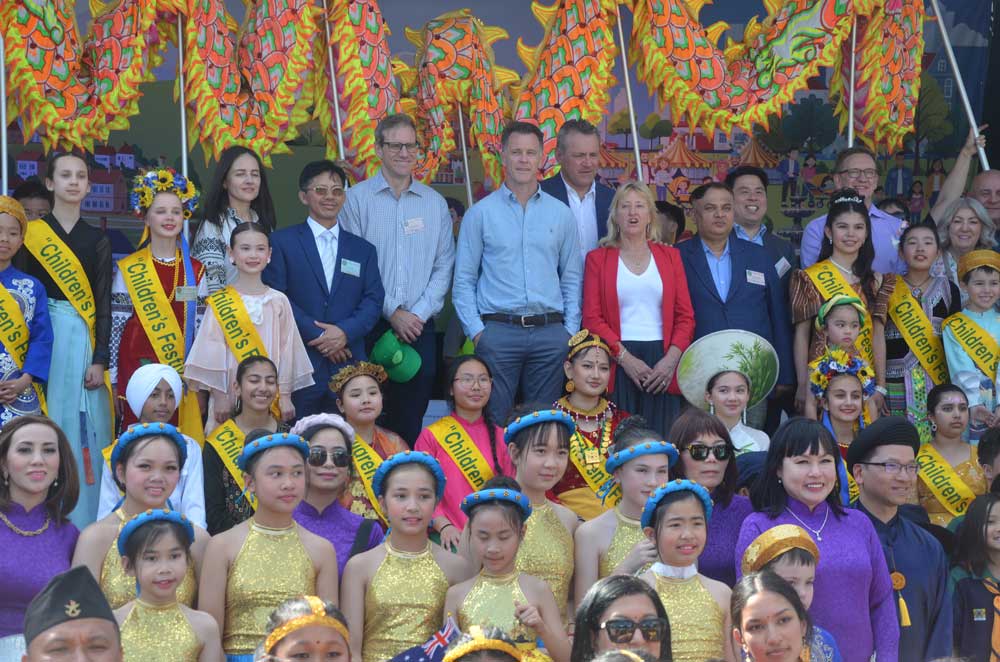
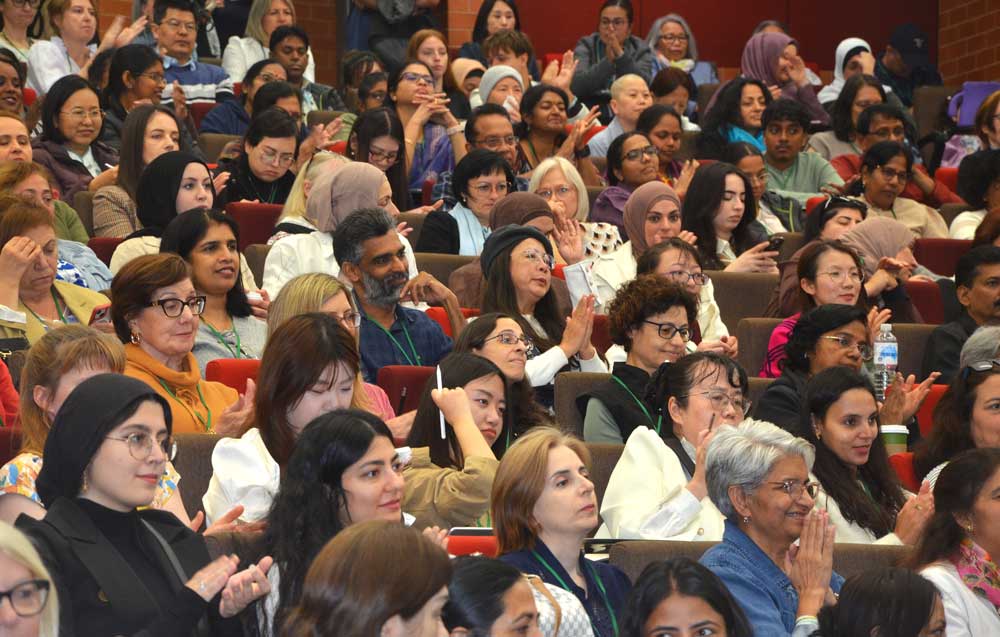
The importance of multilingual education took centre stage as Chris Minns addressed the largest-ever gathering of community language teachers in Australia, highlighting the vital role languages play in shaping the state’s cultural and economic future.
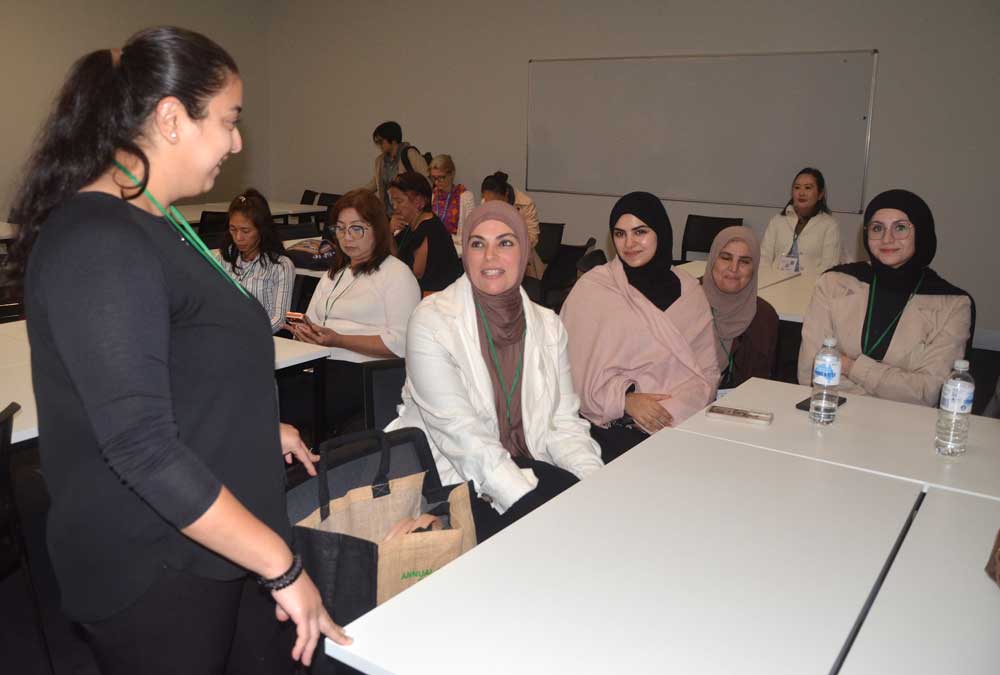
Speaking at the Annual Community Languages Teachers Conference hosted by the NSW Federation of Community Language Schools at University of Sydney, the Premier described community languages as a “massive, if undervalued, asset” for New South Wales.
Beyond Technology: The Value of Teachers
In his address, Minns emphasised that while digital tools and language-learning apps continue to evolve, they cannot replace the impact of dedicated educators. He noted that it is teachers who inspire curiosity, guide students and foster a genuine connection with both language and culture.
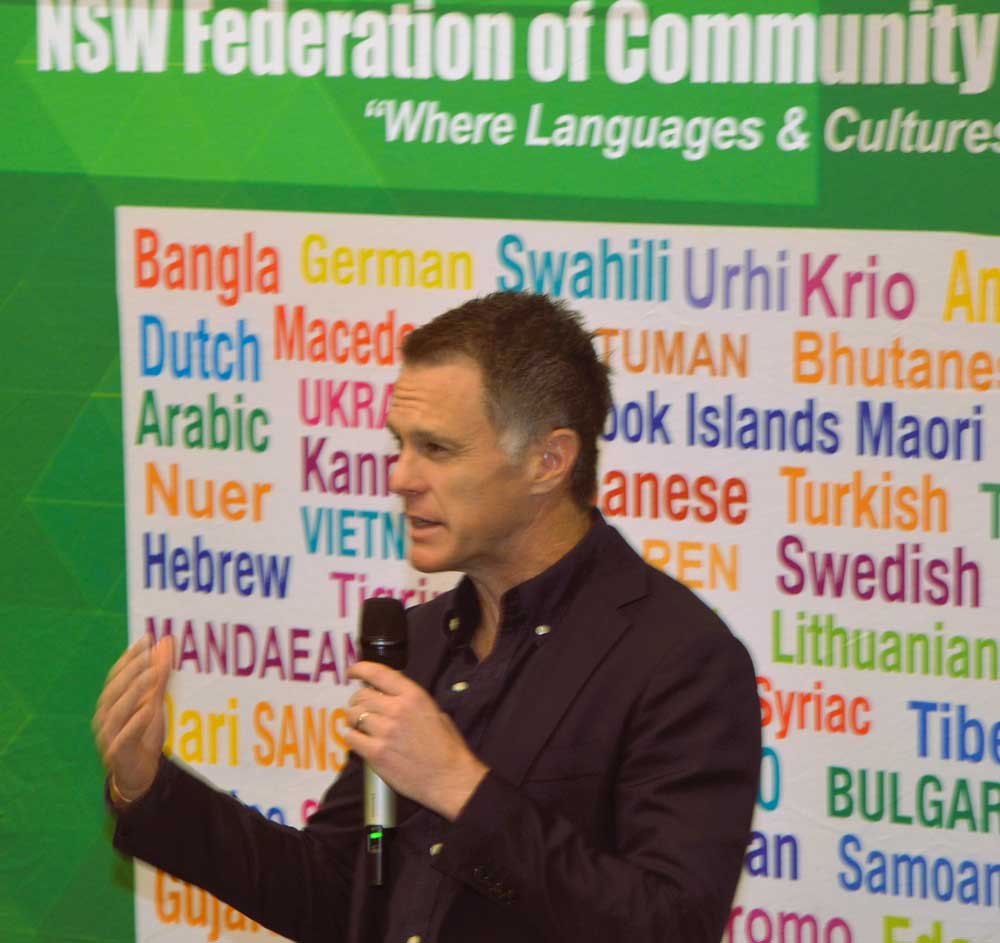
He highlighted that learning an additional language goes beyond communication – it broadens perspectives, deepens cultural understanding and creates opportunities for individuals and communities alike.
Language as a Bridge to Opportunity
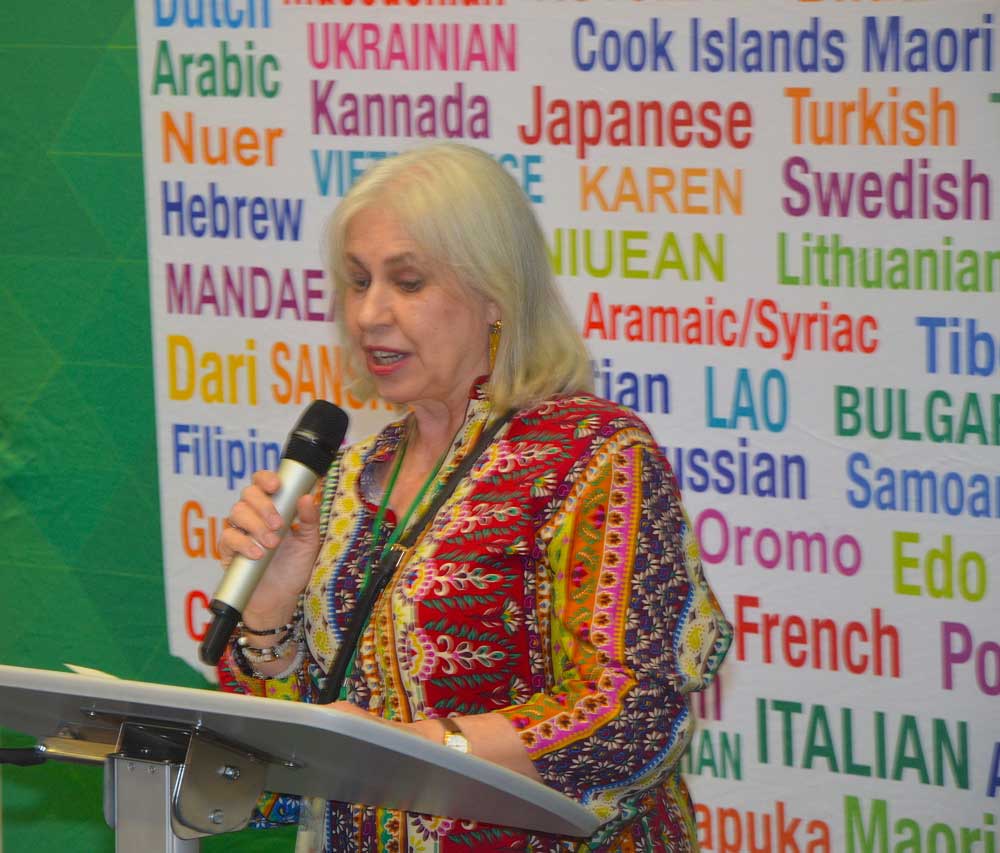
The conference also reinforced the broader significance of language education in Australia’s global engagement. Federation President Lucia Johns described language as a key driver of social inclusion, enabling communities to participate more actively in society.
She stressed that Australia’s future depends on its ability to communicate not just in English, but also in the languages of its trading partners and neighbouring regions – strengthening both cultural and economic ties.
A Changing Multicultural Landscape
Academic insights shared at the conference further highlighted the growing linguistic diversity across the country. John Hajek from the University of Melbourne pointed out that by 2021, around 22% of Australians were speaking a language other than English at home.

The numbers are even higher in major cities, with Sydney at 37.4% and Melbourne at 34.1%, reflecting the rapid growth of multicultural communities and the increasing demand for language education.
This shift is also leading to a rise in the number of languages being taught and a growing number of communities seeking to preserve and pass on their linguistic heritage.
A Growing Future for Community Language Education
With demand continuing to rise, experts believe community language education will become more prominent and visible in the years ahead. The increasing diversity of Australia’s population is expected to drive further investment in language programs and expand opportunities for students to learn and connect with different cultures.
For multicultural communities – including large South Asian populations across Australia – this recognition reinforces the importance of preserving native languages while integrating into broader society.
As the conference highlighted, language is more than a skill – it is a bridge between cultures, a tool for opportunity and a key pillar of Australia’s multicultural identity.
– Warren Duncan