A few months after my friend moved to Melbourne, she sent me a photo of her first proper pot of sambar. It wasn’t quite her mother’s, she said, because she’d used pumpkin instead of drumsticks. But for one evening, she said, the flat smelled like home.
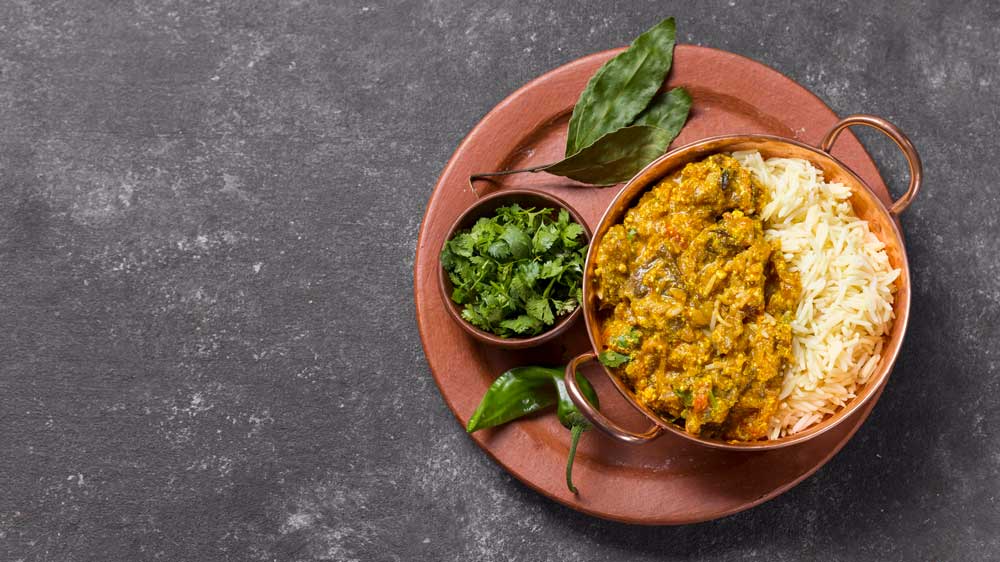
I cook Indian food every day in India, and from friends who’ve moved overseas, I’ve seen how much that smell matters to families who’ve moved far away. Familiar food is comfort. It’s also how children learn where they come from. The good news is that keeping it going doesn’t need a perfect pantry. It mostly comes down to three things.
Where to find your everyday staples
Start with the supermarket. The big chains usually carry rice, lentils, chickpeas and common spices in the international or health-food aisles, and yoghurt and paneer in the dairy section. That covers a surprising number of weeknight meals.
For everything else, head to an Indian or South Asian grocer. Sydney families have Harris Park in Western Sydney, officially named Little India, and Melbourne has the Little India Cultural Precinct on Foster Street in Dandenong. Most capital cities also have smaller grocers tucked into the suburbs.
A few habits make the shopping go further.
- Buy whole spices rather than ground ones. They keep their flavour much longer, and you can grind a little at a time.
- Buy rice and lentils in big bags for the best value, and store them in airtight tins or jars.
- When you find curry leaves, green chillies or fresh grated coconut, buy extra and freeze them. They keep well for months and go straight into the pan from frozen.
Cooking with Australian seasonal produce
You don’t need the exact vegetables from back home to cook the dishes you love. Most family recipes are more forgiving than we think, and swapping in what’s local and in season is often cheaper and fresher too. Here are a few swaps for early summer in most of southern Australia (seasons vary by state, especially up north).
- Pumpkin and green beans for drumsticks or Indian gourds. Both hold up well in sambar, or in a simple dry stir-fry with mustard seeds and coconut.
- Silverbeet or spinach for fenugreek or amaranth leaves. Stir them into dal, or cook them down into a saag-style dish with garlic and a little cream.
- Apricots, plums or peaches for raw mango. Simmered with jaggery, chilli and a pinch of salt, they make a lovely sweet-sour chutney.
- Summer sweetcorn for roadside bhutta. Char the cobs on the barbecue, then rub them with lime, chilli and salt. It fits right in at an Aussie barbecue.
When something tastes a little different from how you remember it, that’s fine. Your family’s version of a dish will slowly become its own.

Getting the kids involved
Children remember food they’ve helped make. The kitchen is also where a lot of family stories get passed on, often without anyone planning it. Here are some ideas by age.
- Little ones (3 to 5). Let them wash vegetables, tear coriander leaves, or roll small balls of chapati dough.
- Primary school kids (6 to 10). They can measure rice and lentils, stir together a raita, roll out chapatis, or choose the week’s vegetable at the market.
- Older kids. With an adult nearby, they can temper spices in hot oil, follow a simple family recipe, or cook one dish for the whole family.
My own eight-year-old’s favourite job is making a summer fruit chaat. She chops watermelon, rockmelon and berries with a blunt knife, sprinkles on chaat masala, and serves it with great ceremony. It works just as well in an Australian December.
You can also tie the cooking back to family. Ask a grandparent on a video call to talk you through their version of a dish, and let the kids ask the questions. Festivals are another good moment, whether that’s making sweets for Diwali or a special breakfast for Pongal or Eid.
Small moments add up
Traditions rarely survive through big occasions alone. They live in the everyday, in a pot of dal on a Tuesday or a child rolling a lopsided chapati. This weekend, pick one family dish, find the ingredients locally, and cook it together. Somewhere down the line, your kids will be making it for their own families.
– Anjana Devi

Anjana Devi
Anjana Devi is a working mum in India who cooks every day for her family, including her eight-year-old who loves to help in the kitchen. She writes for HomeCookingShow.in, sharing everyday Indian home cooking for families in India and around the world.