Dr Simerdeep Dhillon, a researcher based in New Zealand, has secured almost NZ$470,000 through funding from the Neurological Foundation to advance research into brain injuries affecting babies born prematurely. The support includes a Senior Research Fellowship and Project Grant, giving Dhillon the opportunity to establish an independent programme while investigating possible approaches to reduce damage following serious brain bleeds.
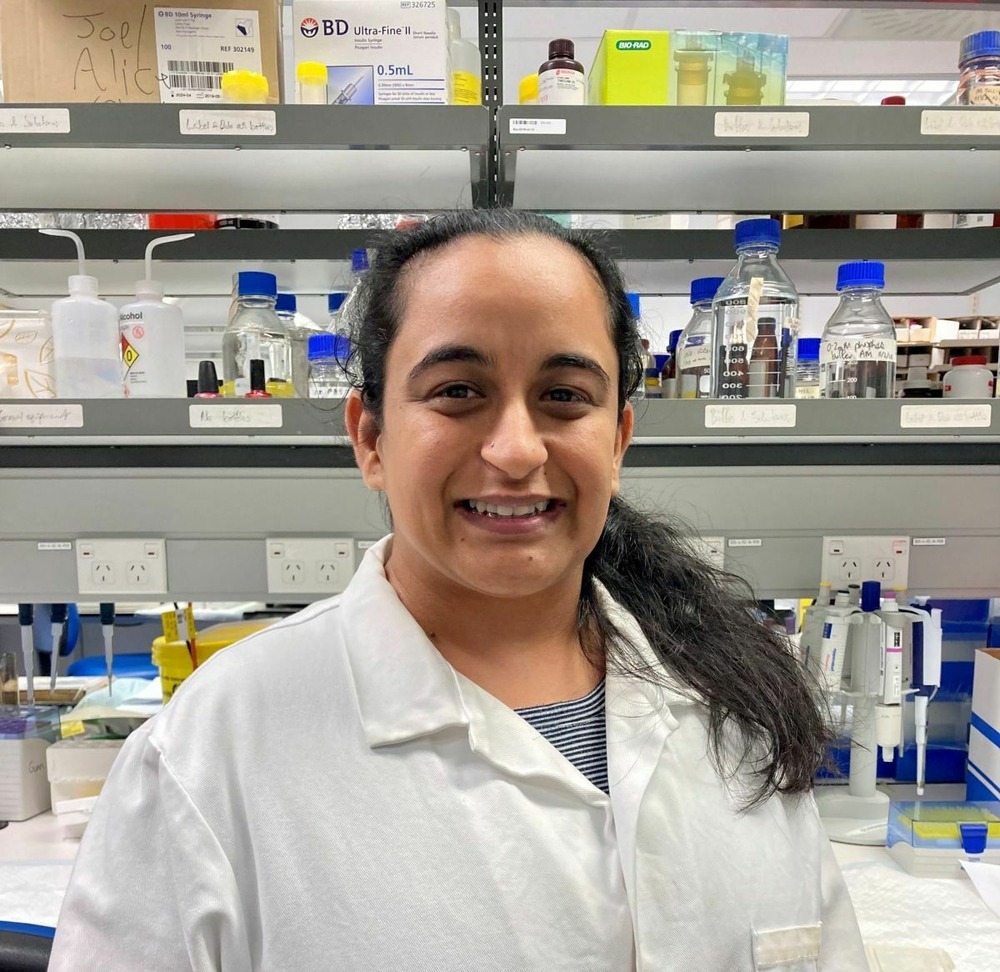
The research centres on intraventricular haemorrhage, a condition in which fragile blood vessels inside the developing brain can rupture. According to Dhillon, around 173 babies born before 32 weeks of pregnancy in New Zealand are diagnosed with brain bleeds each year. The resulting injury can contribute to long-term neurological difficulties, including cerebral palsy and developmental, movement, vision and hearing problems.
A major focus of the three-year programme will be understanding what happens inside the developing brain after bleeding occurs. Researchers will investigate whether a medicine already used to manage iron overload could help remove excess iron released when blood breaks down. The team hopes reducing this accumulation may limit inflammation and secondary injury, potentially supporting better recovery for affected infants.
The project will also examine biological warning signals that could help doctors recognise brain injury at an earlier stage. Earlier identification could eventually provide clinicians with a better opportunity to intervene before additional damage develops. At present, there are no treatments that directly protect the developing brain following intraventricular haemorrhage, highlighting the importance of research into new therapeutic strategies.
Before any potential treatment can be considered for use in babies, the researchers must establish evidence around its safety and effectiveness. The programme will therefore use a sheep model that reflects important aspects of human infant development. Scientists will investigate approaches involving harmful iron reduction and growth factors, while assessing treatment timing and the potential for supporting brain repair.
Dhillon’s scientific journey began in India, where she was born and educated before moving to New Zealand for university studies. She completed a Bachelor of Science and Master of Biomedical Science at the University of Auckland before undertaking doctoral research focused on the development and progression of brain injury. Her interest in science was encouraged from childhood by her family.
Her professional interests later developed around fetal physiology and neuroscience, particularly the way babies respond to challenges before and around birth and how the developing brain responds following injury. Dhillon completed her PhD under the guidance of Professors Laura Bennet and Alistair Gunn and Associate Professor Joanne Davidson, whose work in newborn health further strengthened her commitment to the field.

For Dhillon, the significance of the research extends beyond laboratory findings. She has highlighted the potential to improve outcomes for children and families affected by severe neurological complications during the earliest stages of life. She has also stressed that scientific advances depend on collaboration, with researchers, mentors and colleagues contributing different expertise to complex medical questions.
The current funding period will allow the research team to examine potential interventions over three years, focusing on safety, effectiveness and the most appropriate point at which treatment might be delivered. While any successful approach would still require extensive testing before clinical trials, the researchers say this preliminary work is an essential step toward developing evidence that could eventually guide future treatments.
The long-term objective is to build a stronger scientific foundation for protecting vulnerable newborns who experience brain bleeds and to support future clinical research. Although a treatment suitable for premature infants may still be years away, the funding secured by Dhillon provides an important opportunity to investigate new possibilities and potentially contribute to better neurological outcomes for families in New Zealand and beyond.