The Albanese Labor Government has introduced a broad package of new reforms from 1 July 2026, delivering significant changes aimed at easing cost-of-living pressures, strengthening Australia’s healthcare system, supporting working families and boosting economic growth. The latest measures include fresh tax cuts, an expansion of Paid Parental Leave, increased hospital funding, higher wages for millions of workers and new protections for consumers and small businesses.
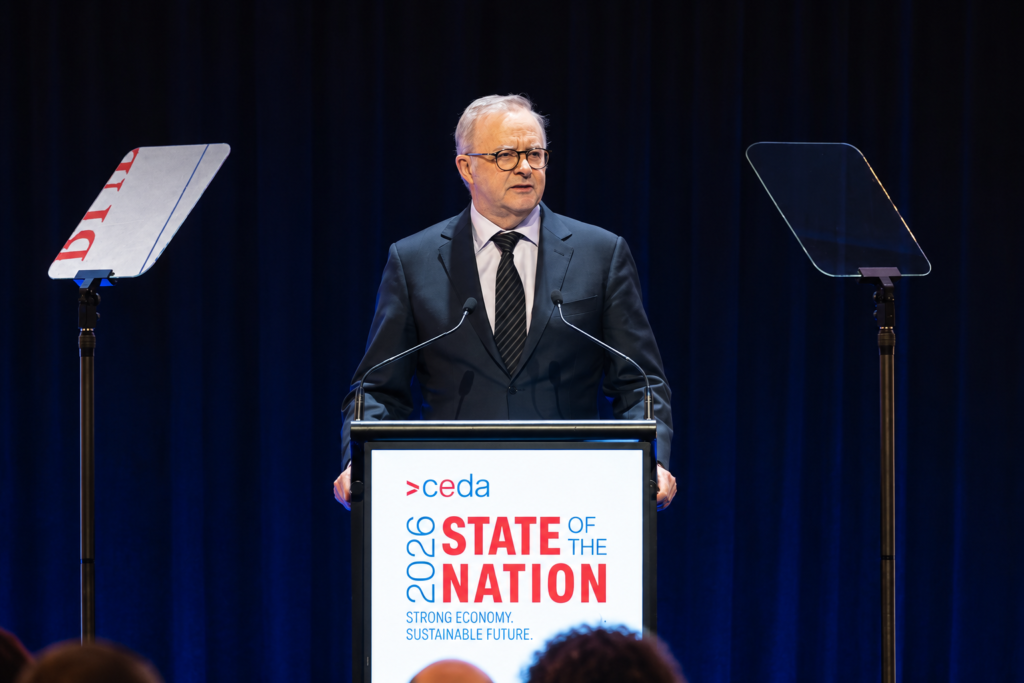
The reforms form part of the Federal Government’s wider agenda to improve living standards while building a stronger, fairer and more productive economy. From tax relief and healthcare investment to workplace reforms and environmental protection, the package touches almost every aspect of Australian life.
Tax Cuts For Every Australian Worker
One of the biggest changes taking effect from July 1 is another round of income tax cuts for every Australian taxpayer. The new reduction forms part of the Government’s plan to deliver five separate tax cuts over time, with the average Australian worker expected to be up to $2,800 better off each year once all measures are fully implemented.
The Government says the ongoing tax relief is designed to help Australians manage rising household expenses while allowing workers to retain more of their earnings during a period of continued cost-of-living pressures.
Paid Parental Leave Expanded To Six Months
Australian families will also benefit from a significant expansion of the Paid Parental Leave scheme. From July 1, eligible parents will now have access to a full six months of Paid Parental Leave, providing families with additional financial support and more time to care for newborn children during the critical early months.
The expanded scheme builds on Labor’s original Paid Parental Leave policy and aims to improve work-life balance while supporting parents returning to the workforce.
Pay Rise For Millions Of Australian Workers
Around three million Australians employed under minimum wage and modern award arrangements will also receive higher pay following the Fair Work Commission’s latest wage decision, which has been backed by the Federal Government.

The increase means Australia’s national minimum wage will rise above $1,000 per week for the first time, providing additional financial relief for lower-paid workers and helping households cope with ongoing living expenses.
More Support For Small Business And Stronger Consumer Protections
Small businesses will continue to benefit from the permanent extension of the $20,000 Instant Asset Write-Off, allowing eligible operators to immediately deduct the cost of qualifying business purchases and encouraging further investment and productivity.
Consumers are also set to receive stronger protections through the introduction of a mandatory Food and Grocery Code of Conduct, which prohibits major supermarket chains from charging prices considered significantly excessive, strengthening oversight of pricing practices across the retail sector.
Medicare And Public Hospitals Receive Major Boost
Healthcare remains a central focus of the July reforms. The Government has confirmed that Medicare Urgent Care Clinics will become a permanent feature of Australia’s healthcare system, ensuring patients continue to have access to free urgent medical treatment while reducing pressure on hospital emergency departments.
In addition, the Federal Government will provide an extra $25 billion in funding for Australia’s public hospitals to support state and territory health systems in meeting growing demand and improving patient care.
Expanded Women’s Health Services And Better Digital Healthcare
Women’s health services are also being expanded, with Endometriosis and Pelvic Pain Clinics now broadening their services to include support for menopause and perimenopause. The initiative aims to improve access to specialised healthcare for women experiencing a wider range of health conditions.
At the same time, pathology laboratories and diagnostic imaging providers will now be required to upload patient test results to My Health Record, improving access to personal medical information and supporting better continuity of care across Australia’s health system.
New National Agencies And Retirement Savings Reform
Several major structural reforms also commence from July 1. Australia will establish its first-ever National Environmental Protection Agency, strengthening environmental regulation and compliance nationwide.
A new Veteran Wellbeing Agency will also begin operations to improve services, access and long-term support for Australia’s veterans and their families.
Workers are also set to benefit from the introduction of Payday Super, requiring employers to pay superannuation contributions at the same time as wages. The reform is expected to reduce unpaid super while allowing retirement savings to begin earning investment returns sooner.
Government Says More Cost-Of-Living Relief Is On The Way
Prime Minister Anthony Albanese said the reforms represent the Government’s commitment to delivering practical support for Australian households through tax relief, stronger Medicare, expanded Paid Parental Leave and higher wages.
Treasurer Jim Chalmers described the July package as meaningful cost-of-living assistance that would help Australians earn more while keeping more of what they earn. Health Minister Mark Butler said the permanent expansion of Medicare services and increased investment in public healthcare would strengthen frontline medical care across the country, while Employment and Workplace Relations Minister Amanda Rishworth said the wage increases demonstrate the Government’s commitment to improving workers’ incomes.
Social Services Minister Tanya Plibersek said the expansion of Paid Parental Leave reflects Labor’s longstanding commitment to supporting Australian families, adding that the Government will continue pursuing reforms aimed at delivering real and lasting improvements for households across the nation.
With a wide-ranging package covering taxation, healthcare, wages, business, environmental protection and social services, the reforms taking effect from 1 July 2026 represent one of the Federal Government’s most comprehensive policy updates, as it continues its focus on easing cost-of-living pressures while investing in Australia’s long-term economic and social future.