Prime Minister Anthony Albanese has accepted the 2026 Atlantic Council Global Citizen Award in New York, using his speech to recognise the contribution of Australia’s multicultural communities and people who help strengthen the country’s connections with the wider world.
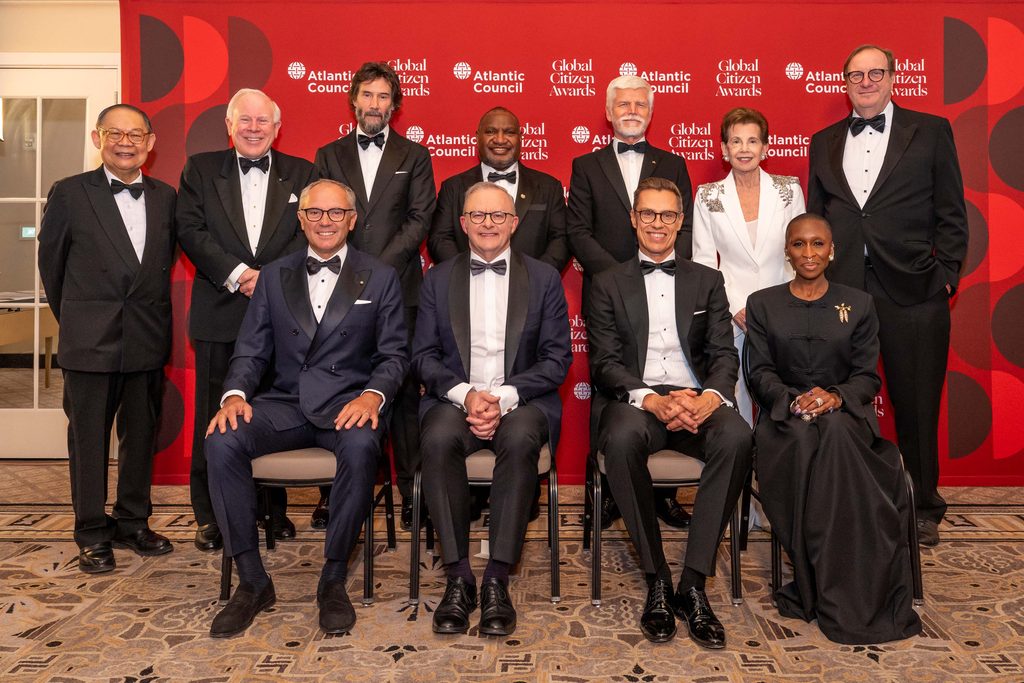
Albanese received the honour during an awards dinner held on 23 September on the sidelines of the United Nations General Assembly week. He was recognised alongside Finnish President Alexander Stubb, Formula One President and CEO Stefano Domenicali, and actor and singer Cynthia Erivo.
The Atlantic Council recognised Albanese for his role in deepening Australia’s alliances and partnerships and promoting security and stability across the Indo-Pacific. The organisation described the award as recognising individuals whose work contributes to global citizenship and international cooperation.
Accepting the award, Albanese said he did so on behalf of Australia and described serving Australians as the honour of his life. Rather than presenting the recognition as an individual achievement, he used his address to acknowledge the many Australians whose work contributes to the country’s international role.
Among those highlighted were Australians working in diplomacy, education, international aid, emergency services, peacekeeping and community organisations. Albanese also referred to students, investors and Australians from diaspora communities who maintain connections with countries and communities around the world.
The Prime Minister placed Australia’s multicultural character alongside the country’s First Nations heritage, describing both as important parts of the national story. He highlighted the role of people from different backgrounds in building relationships, sharing knowledge and creating connections between Australia and other parts of the world.
Albanese also spoke about the broader international environment facing Australia. He argued that the assumptions that shaped international affairs after the Second World War are being tested by changing strategic, economic and technological conditions.

A significant part of his address focused on Australia’s position in the Indo-Pacific. Albanese said the region should not be viewed simply through competition between the United States and China, arguing that countries across the region have their own interests and are actively shaping its future.
He described the United States alliance as central to Australia’s foreign policy while also emphasising the importance of Australia’s relationship with China, its largest trading partner. Albanese said Australia would continue to cooperate where possible, manage disagreements and engage with countries in what he described as the national interest.
The Prime Minister also pointed to Australia’s expanding relationships across Southeast Asia and the Pacific. He referred to partnerships with countries including Indonesia, Vietnam, the Philippines, Singapore, Brunei and Timor-Leste, as well as Australia’s engagement with ASEAN and its Pacific relationships.
Climate change was another major issue addressed during the speech. Albanese said Pacific nations face particularly serious consequences from climate change and highlighted Australia’s cooperation with countries including Fiji and Tuvalu ahead of the next major international climate discussions.
The Prime Minister also connected Australia’s international role with economic and technological resilience. He pointed t