In a key Senate estimates session, Australia’s Foreign Minister Senator Penny Wong made it clear that the nation remains committed to its “very important bilateral relationship” with India, even as the Opposition calls for sanctions against Indian oil refineries allegedly processing Russian crude. Senator Wong highlighted the significance of India’s Jamnagar refinery, which provides roughly 10% of Australia’s imported refined oil, while stressing that diplomatic engagement remains the preferred approach.
Senator Wong emphasized that Australia’s strategy against Russia, including sanctions targeting the “shadow fleet” circumventing restrictions, continues to be a priority. However, she reinforced that imposing sanctions on India would risk undermining decades of strategic, economic, and regional cooperation between the two nations. She also noted that Resources Minister Madeleine King leads matters concerning energy supply and diversification, with foreign affairs focusing on broader bilateral and regional diplomacy.
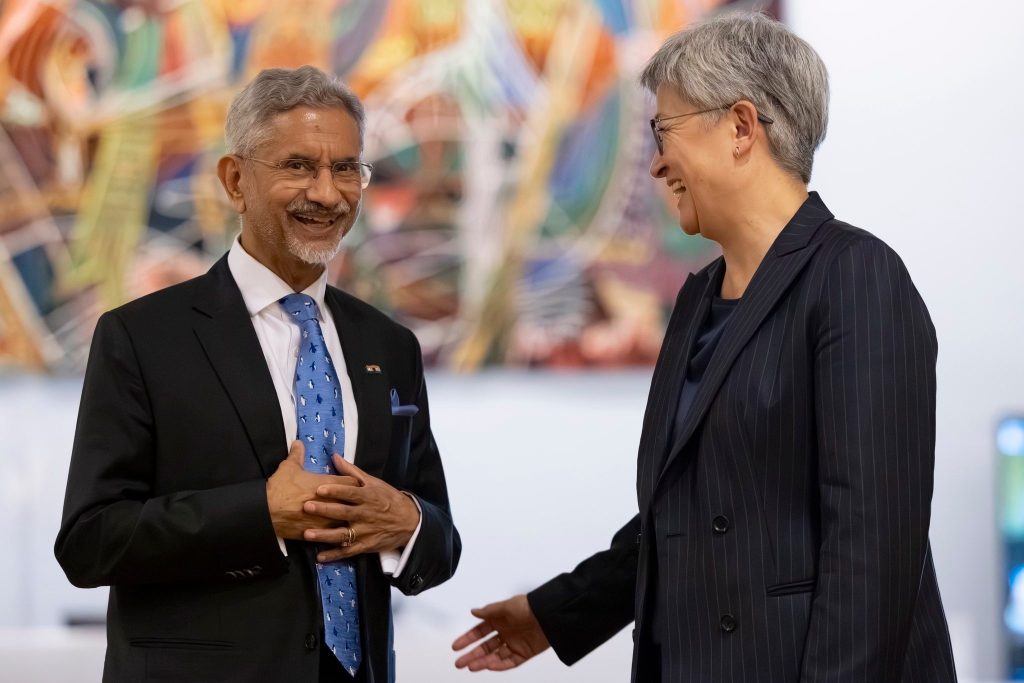
The remarks underline Australia’s careful balancing act-supporting sanctions against Russia while maintaining strong trade and strategic links with India. Officials stressed that continued engagement with the Indian government is essential to ensure energy security for Australia without damaging broader bilateral ties.
India remains a key partner in regional security, trade, and economic development. Senator Wong reaffirmed that Australia values its growing cooperation with India across multiple sectors, from defense and technology to education and trade. She urged a measured, strategic approach rather than punitive measures that could complicate relations with New Delhi.
This session comes amid heightened global scrutiny of Russian oil imports, with many nations grappling with the challenge of aligning sanctions against Russia while maintaining critical energy supply chains. Australia’s approach signals a focus on negotiation, partnership, and pragmatic diplomacy.
Analysts believe the government’s stance reinforces Australia’s broader commitment to the Indo-Pacific, supporting alliances like the Quad while continuing to deepen bilateral relations with India. The measured response also highlights Canberra’s aim to avoid economic fallout or disruption in supply chains while adhering to international sanctions frameworks.
As the debate unfolds, Australia is sending a clear message: diplomacy, collaboration, and strategic engagement will guide decisions impacting its relationship with India, rather than unilateral punitive measures.