Families across Australia are continuing a desperate search for loved ones who disappeared after catastrophic flooding struck the Nepal–Tibet border region, with members of the Australian Tamil and broader Hindu communities among those still unaccounted for following the Himalayan disaster.

At least 39 Australians were reported missing in the aftermath of the floods, many of whom had travelled to the region for a spiritual pilgrimage towards Mount Kailash. The disaster destroyed roads, bridges and communications infrastructure, leaving families in Australia struggling to establish whether their relatives are safe, injured or trapped in isolated areas.
Among those missing is 23-year-old Sydney resident Rishab Iyer, who had travelled through Nepal with his parents, Sreedharan and Lakshmi Iyer, and his younger brother, Rudhra. The family had been taking part in a Hindu pilgrimage when the flooding struck, and relatives have been unable to make contact with any of them since.
Rishab’s partner, Sarada Viswanathan, has been trying to piece together information from Australia while hoping that the family managed to reach safety. She has been using phone-location services, including Find My iPhone and Life360, to track the last available signals from the family’s devices.
The final known locations have provided some clues. Rishab’s phone was last detected near the Royal Himalaya Hotel & Lodge, while another family member’s device appeared to have been located further along the highway. The accommodation was situated close to the river system affected by the devastating floodwaters.
For Viswanathan and the wider family, the absence of information has been one of the most painful aspects of the disaster. Despite the uncertainty, she remains hopeful that the family may have reached higher ground and could simply be stranded somewhere without access to communications.
Relatives of the Iyers have travelled to Nepal to help with the search, attempting to gather information and establish what happened in the affected areas. Their efforts have been complicated by widespread destruction, damaged roads and difficult terrain that has made movement through some parts of the region extremely challenging.


The Iyer family is not alone. Several other Australian Tamil families and individuals are among those reported missing after travelling through the Himalayan region, highlighting the deeply personal impact the disaster has had on Australia’s Tamil community.
Among them are Sydney-based Sri Lankan Tamil family members Shylaja and Chandrasekaran Muralitharan and their sons Aarush, 11, and Ashwin, 14. The family was travelling with the Himalayan Glacier Adventures group, with the two boys among the youngest Australians reported missing following the disaster.
Western Sydney couple Venkatraman Balakrishnan, 52, and Chitra Venkatraman, 46, are also unaccounted for. They were travelling as part of a larger Australian group undertaking a spiritual journey towards Mount Kailash.
Their son, Akash Venkatraman, said his parents had been staying in riverside accommodation in Syabrubesi and were expected to leave the area on the morning of the disaster. The devastating floodwaters swept through the region before they could continue their journey.
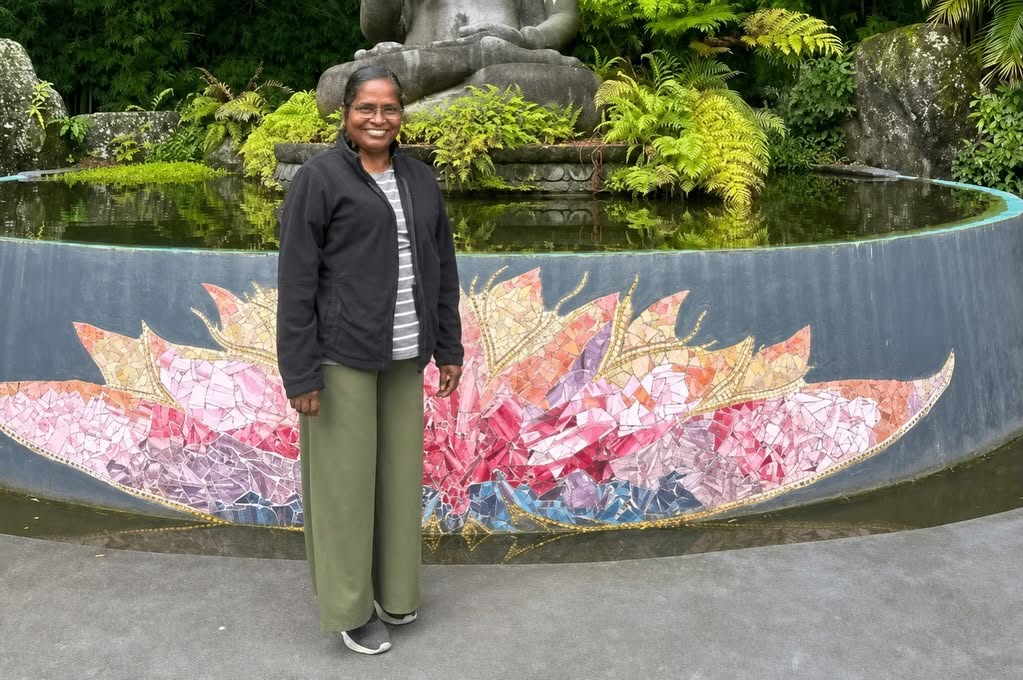
In Queensland, mother-of-two Kanagamah Sundrasan is also among those reported missing. She had travelled to the Himalayas to fulfil a long-held ambition of visiting Mount Kailash, a pilgrimage destination of deep spiritual importance.
Her daughter, Swaatika Kanniah, said her mother had been expected to reach the sacred destination shortly after the floods struck. The family last spoke with her on Tuesday and has since been waiting for any information about her whereabouts.
The disappearance of the Iyer, Muralitharan, Venkatraman and Sundrasan families has brought the Nepal disaster particularly close to Australian Tamil households. Many of those travelling through the region had made the journey for religious reasons, turning what was meant to be a significant spiritual experience into an agonising wait for families back home.
Mount Kailash, located in Tibet, is regarded as one of the most sacred sites in Hinduism and also holds religious importance for Buddhists, Jains and followers of the Bon tradition. Pilgrims from around the world travel long distances to undertake journeys associated with the mountain.
The floods struck the Nepal–Tibet border region on 26 August, sending huge volumes of water, mud and debris through valleys and communities. Homes, roads and bridges were damaged or destroyed, while communication networks were severely disrupted across affected areas.
The destruction has made it difficult for authorities and families to establish contact with everyone travelling through the region. This has also raised hopes among relatives that some people currently listed as missing may be alive but unable to communicate because of the loss of phone networks, transport routes or access to populated areas.
The Australian Government has been working to establish the welfare of citizens caught up in the disaster. Foreign Minister Penny Wong said Australian officials were urgently trying to locate and confirm the safety of Australians reported missing.
Additional Australian consular and crisis-response personnel have been deployed to Nepal as the government works with local authorities and humanitarian organisations. Canberra has also announced an initial $5 million assistance package to support communities affected by the disaster.

While official search and recovery operations continue, families have also been pursuing their own avenues for information. Viswanathan has launched a petition calling for Australian Defence Force personnel to be considered for deployment to support search and rescue operations in the affected region.
For the families waiting in Australia, every new piece of information carries enormous significance. Location data, messages from people on the ground and reports from local authorities are being closely followed in the hope that they may provide clues about missing relatives.
The uncertainty has been particularly difficult for those who have received no direct communication since the floods. Families are left confronting the possibility that their loved ones may be injured, stranded or isolated, while holding on to the possibility that they have survived and are simply unable to make contact.
Across Australia’s Tamil and Hindu communities, prayers and messages of support have continued for the missing pilgrims and their families. What began for many as a deeply meaningful religious journey has become an international search involving relatives, authorities and community members determined to bring their loved ones home.
For the Iyer family and the many other Australians still unaccounted for, the search continues. Their families remain hopeful that the next update will bring the news they have been waiting for – that their loved ones have survived and can eventually return safely to Australia.