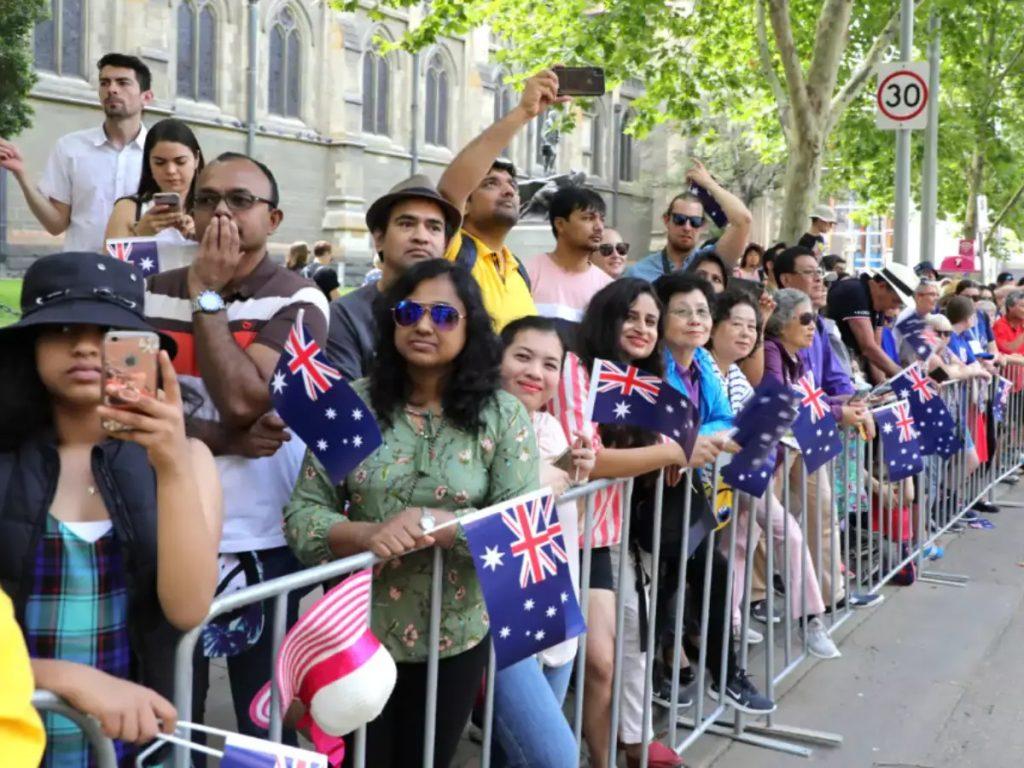
Australia’s cultural landscape is undergoing a significant transformation, with India set to overtake the United Kingdom as the most common country of birth for overseas-born Australians as early as 2025. New data released by the Australian Bureau of Statistics (ABS) paints a clear picture of this growing trend, reflecting a decade of remarkable demographic change.
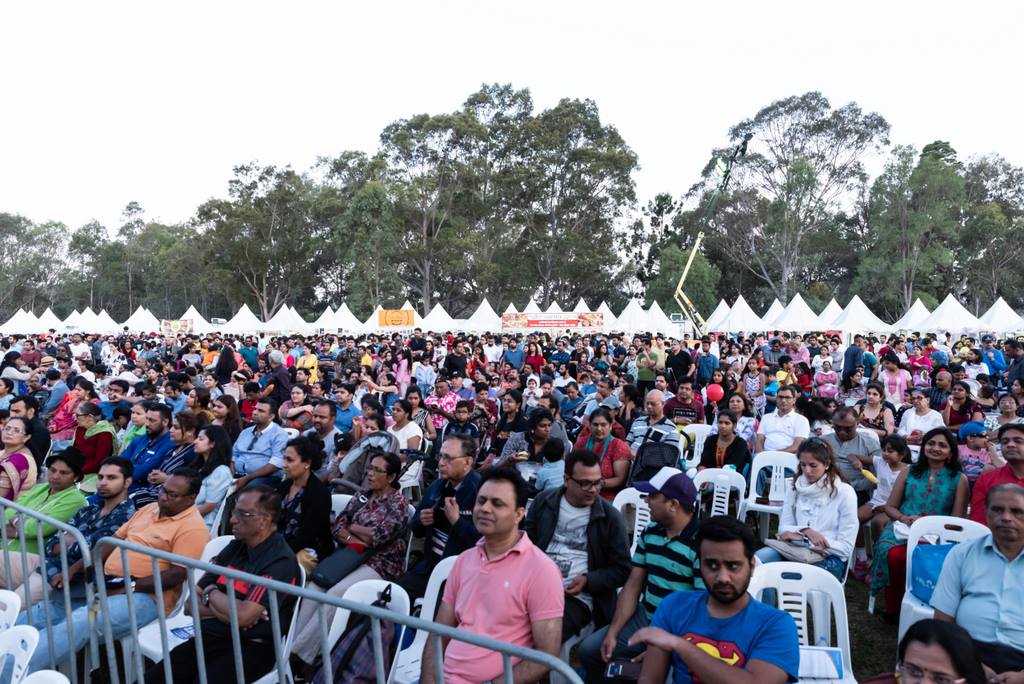
As of June 2024, 8.58 million people living in Australia were born overseas, making up 31.5% of the total population—the highest proportion since Federation. Just a year ago, that figure stood at 30.7%, and ten years ago at 28%. These numbers confirm that Australia remains one of the most multicultural nations in the world.
Indian-Australian Population Sees Record Growth
Among all migrant groups, India has experienced the most dramatic rise. In 2014, the number of Indian-born Australians was approximately 411,000. By 2024, that figure had more than doubled to 916,000, making up 3.4% of Australia’s population. This represents the largest 10-year growth for any overseas-born group in Australia.
India currently ranks as the second most common country of birth for those born outside Australia, trailing only the United Kingdom. However, with current trends continuing, India is expected to claim the top spot by 2025.

This surge in population reflects not only increased migration but also stronger community settlement patterns, education pathways, and employment opportunities that have drawn Indian professionals, students, and families to Australia in growing numbers.
A Community Evolving in Size and Profile
Alongside numerical growth, the demographic profile of Indian-born Australians is also evolving. The median age of this group has increased from 33 in 2014 to 36 in 2024, highlighting a maturing and settled community. This median age is still lower than the median of 43 for all overseas-born Australians, reflecting the continued inflow of younger individuals and families from India.
While the ABS measures country of birth, other data sources suggest the Indian diaspora is even larger when including second-generation Australians and those identifying with Indian ancestry. In the 2021 Census, 783,958 people identified as having Indian ancestry, a figure likely to increase in the 2026 Census.

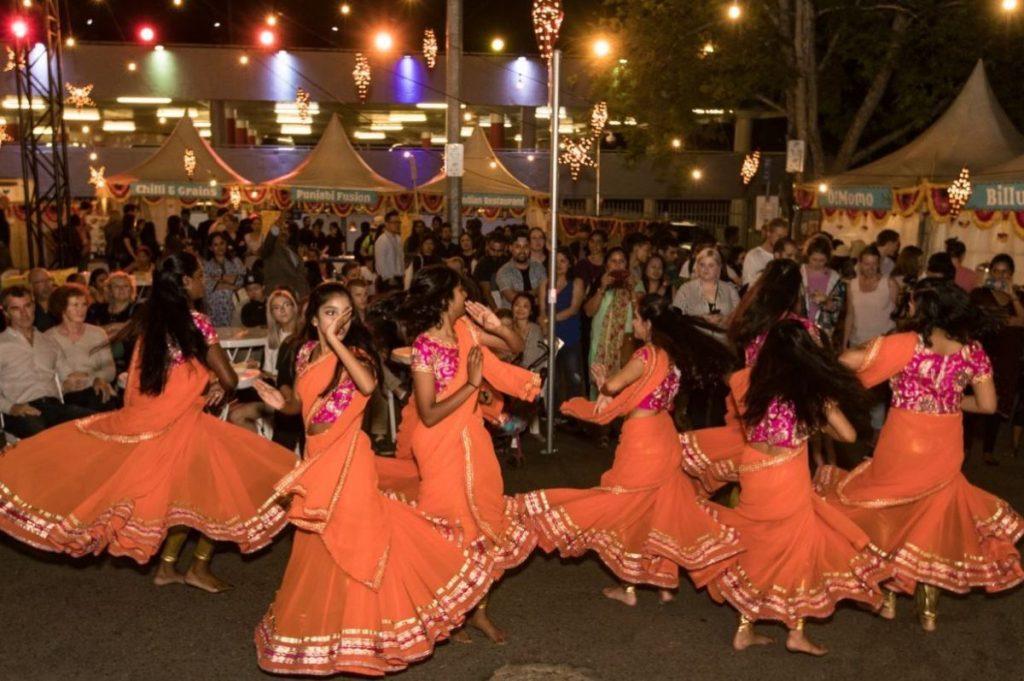
This rapid growth is visible in suburbs across Sydney, Melbourne, Brisbane, and Perth, where Indian culture has added vibrant contributions in areas such as cuisine, fashion, language, religion, business, and festivals. Celebrations such as Diwali and Holi are now major events on local calendars, and Indian languages like Hindi, Punjabi, Tamil, and Gujarati are increasingly spoken in Australian homes.
A New Chapter in Australia’s Multicultural Identity
Demographers have pointed out that the rise in Indian migration marks a significant shift in the country’s multicultural narrative. One expert noted that “the demographic markers of the nation’s white Australia policy are well and truly coming to an end,” indicating a broader acceptance of cultural diversity in the modern era.
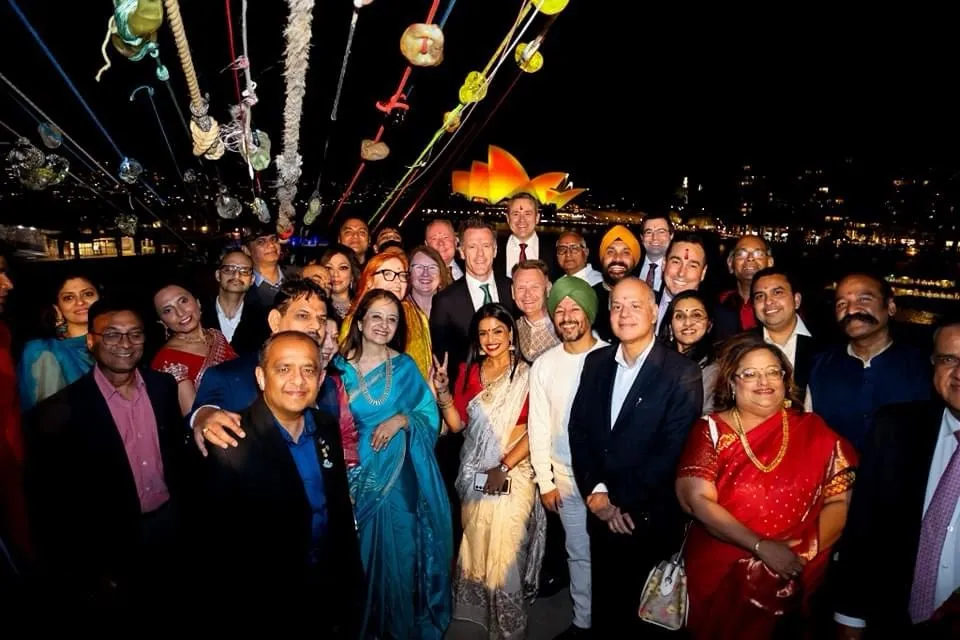
The emergence of India as the top country of birth for overseas-born Australians is more than a statistic—it signifies the deepening of people-to-people connections, the strengthening of diaspora networks, and the integration of Indian culture into the Australian way of life.
As we move toward 2025, Australia’s identity continues to evolve—one enriched by the energy, enterprise, and contributions of its Indian-born residents. Their influence is seen not just in numbers, but in the vibrant communities, businesses, and cultural institutions they help build and sustain.