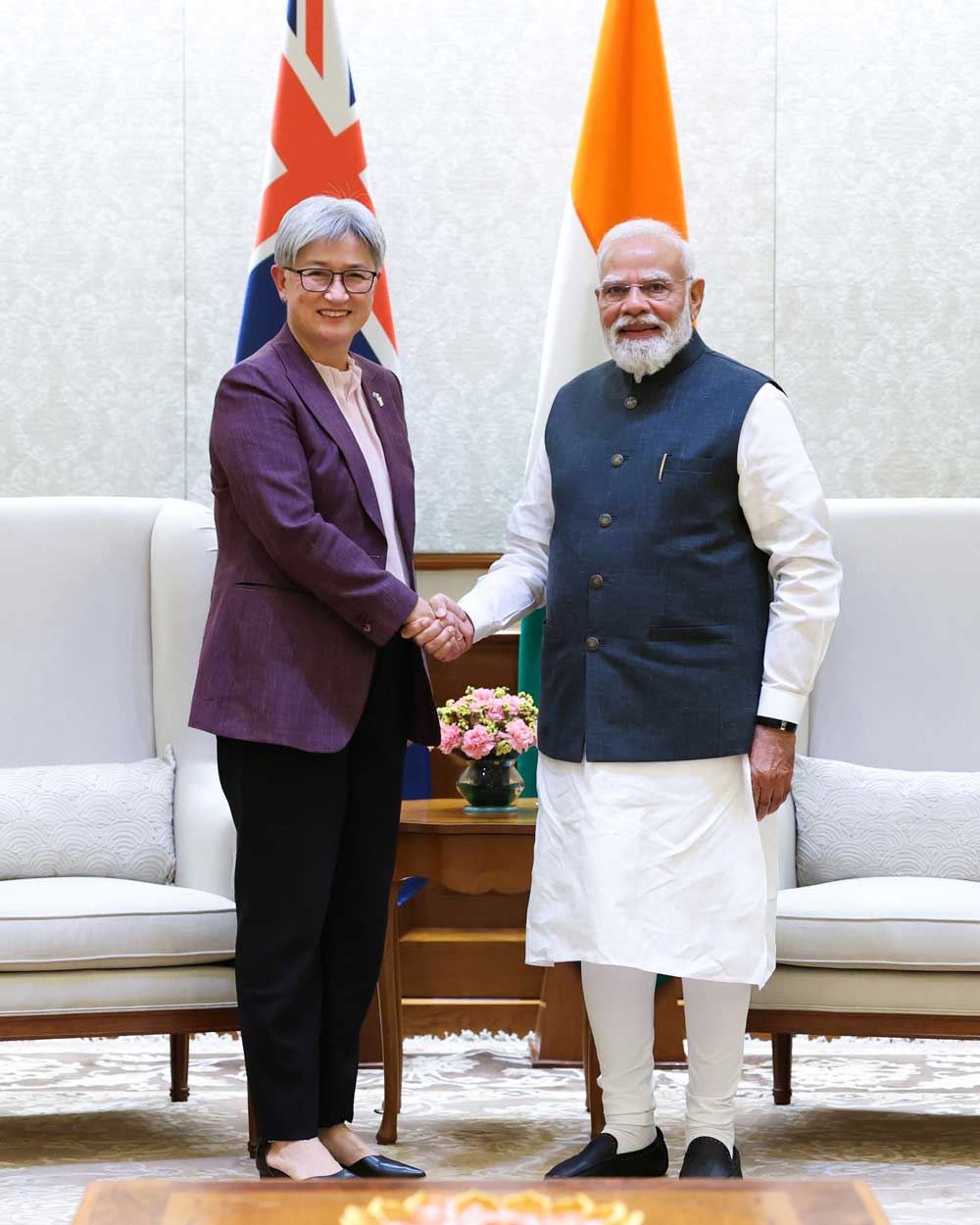
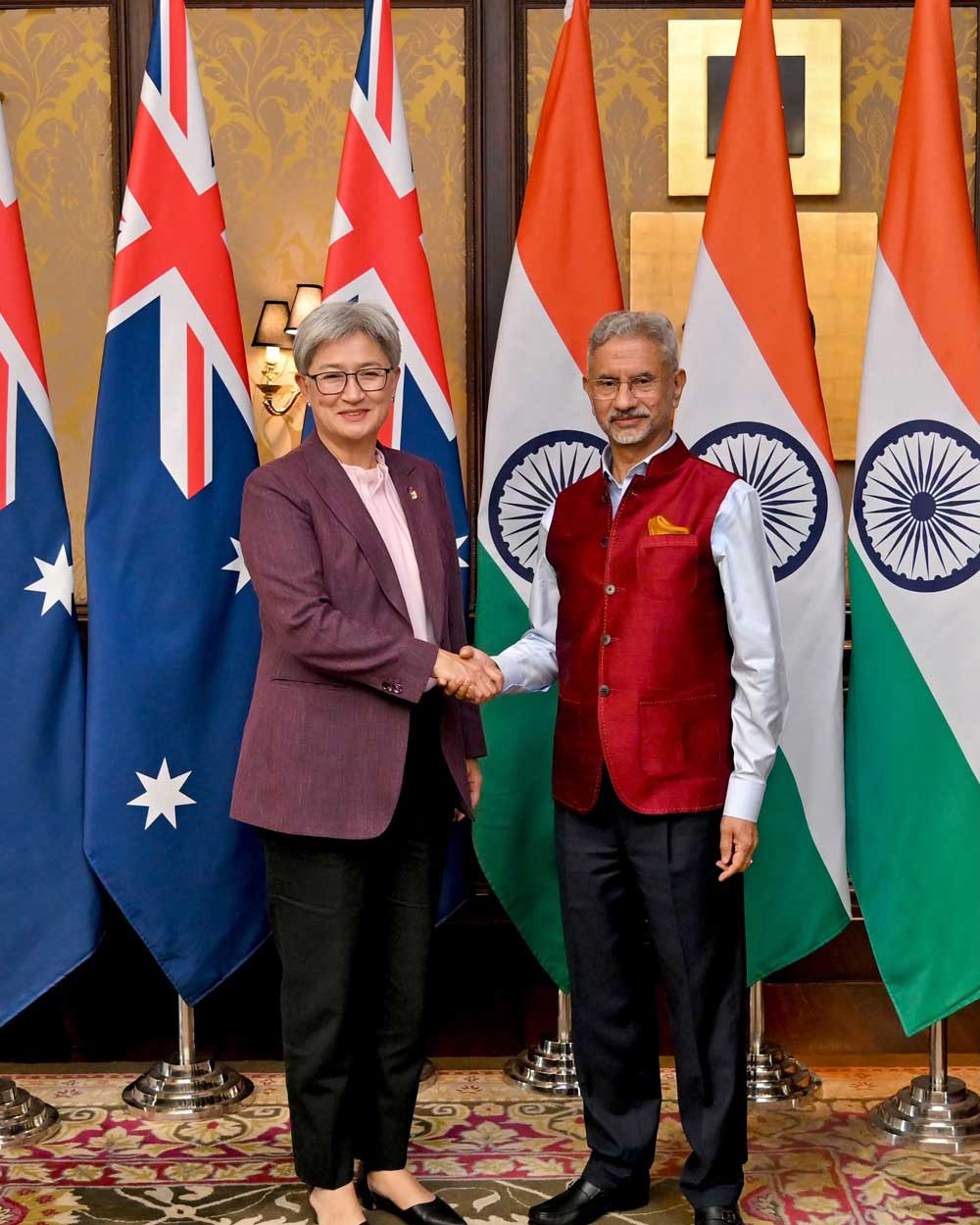
Australian Foreign Minister Penny Wong has identified India as a key strategic partner, saying its growing global influence will help shape the international order and create new opportunities for Australia’s economic and security interests.
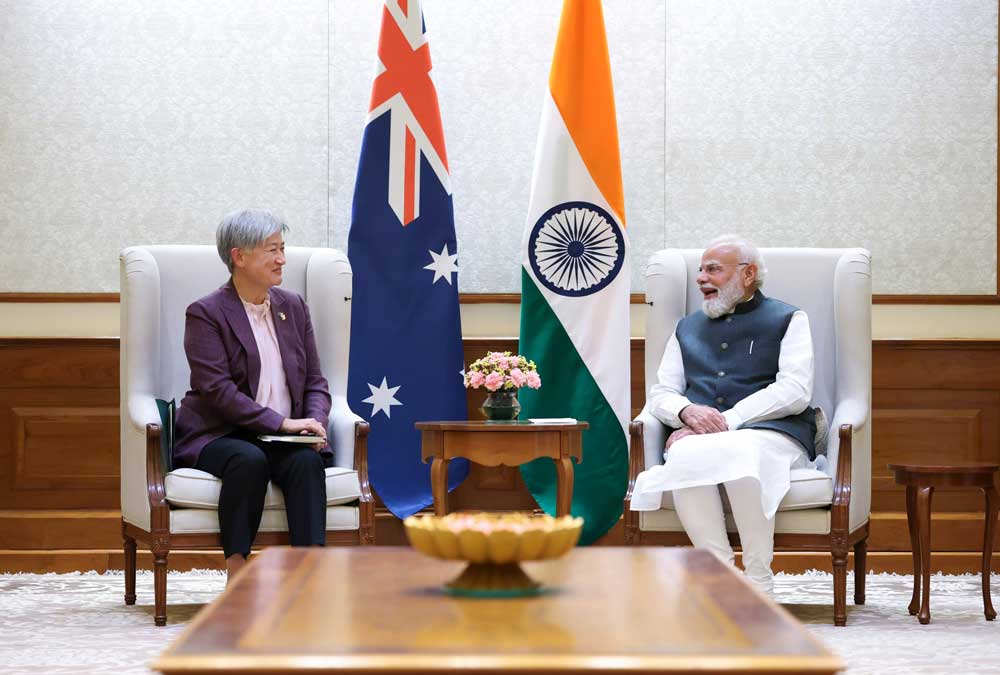
In a major foreign policy statement to Parliament on 24 November 2026, Wong highlighted India’s expanding economic, diplomatic and military influence, describing the country as an important partner in Australia’s efforts to strengthen regional stability and diversify international relationships.
“India’s growing weight … creates new opportunities for economic diversification and a more balanced regional order,” Wong said.
She also described India as the world’s largest emerging economy, adding that its strategic decisions would help shape the century ahead.
India-Australia partnership gains strategic importance
Wong highlighted the 2026 Joint Declaration on Defence and Security Cooperation between Australia and India as an important step in strengthening bilateral ties.
The declaration commits both countries to closer strategic consultation, more complex military exercises and stronger practical cooperation.
She said Australia was building stronger relationships with India, Japan, Indonesia, South Korea and other partners to expand its diplomatic and strategic options in an increasingly complex global environment.
Wong also pointed to cooperation through the Quad, which brings together Australia, India, Japan and the United States to support an open and stable Indo-Pacific region.

US-China competition shapes Australia’s foreign policy
The Foreign Minister’s address examined growing competition between the United States and China, which she described as the central strategic dynamic of the current era, particularly in the Indo-Pacific.
She highlighted China’s expanding military capabilities and changing US international priorities as factors contributing to uncertainty across the region.
Wong reaffirmed Australia’s alliance with the United States, describing it as the country’s closest ally and principal strategic partner. However, she said Australia could not rely on a single security or trading partner to protect its long-term interests.
She also discussed Australia’s efforts to stabilise its relationship with China, its largest trading partner. According to Wong, diplomatic engagement had helped remove trade impediments that previously cost Australian exporters around $20 billion annually.
She said maintaining a stable relationship, while openly addressing differences, remained important for Australia and the wider region.
Economic diversification and regional opportunities
Wong identified economic diversification as a central part of Australia’s foreign policy, highlighting the importance of expanding trade, investment and supply-chain partnerships.
She noted that Southeast Asia was on track to become the world’s fourth-largest economy by 2040. Australia’s two-way trade with the region was approaching $200 billion, while two-way investment was nearing $300 billion.
The government is seeking to deepen economic engagement across Southeast Asia, including cooperation in trade, energy, infrastructure and supply chains.
Wong also highlighted the growing importance of technology, particularly artificial intelligence and cyber security, in shaping Australia’s economic and national security priorities.
Multicultural communities recognised as a strategic advantage
Wong described Australia’s multicultural society as an important national strength, highlighting the international connections, languages and regional knowledge of its communities.
“More than half of Australians were born overseas or have a parent who was,” she said.
“Our diversity makes us stronger in a diverse world.”
She said Australia’s multicultural connections helped strengthen its international relationships and its ability to engage with countries across the region.
The Foreign Minister outlined four priorities guiding Australia’s foreign policy: strengthening its region, deepening international relationships, protecting the international rules-based system and building national resilience.
She said Australia needed to maintain its ability to make independent decisions while working with international partners to support a peaceful, stable and prosperous Indo-Pacific.
Wong’s address places India among Australia’s key partners as Canberra seeks to respond to shifting global power dynamics and broaden its economic and strategic relationships.