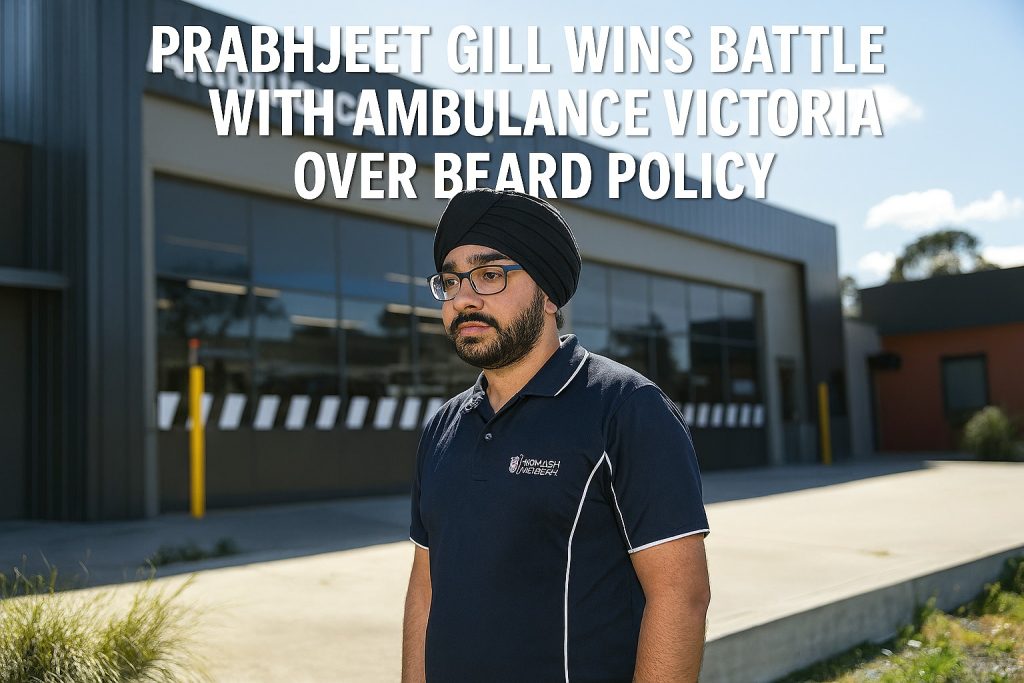
A student paramedic has successfully challenged Ambulance Victoria (AV) over its longstanding beard policy, in a decision that could reshape respiratory protection rules across Victoria’s emergency services.
The student, who had been unable to complete required clinical placements due to AV’s strict grooming standards, argued that the organisation’s clean-shaven requirement was outdated and failed to recognise modern, safe alternatives that allow clinicians with beards to wear respiratory protective equipment (RPE) effectively.
At the centre of the dispute was the Singh Thattha technique, a beard-covering method increasingly recognised across Victorian healthcare settings. The technique uses a tightly secured elastic band to compress facial hair, creating a smooth surface that allows a tight-fitting respirator-such as a P2/N95 mask-to achieve an acceptable seal during quantitative fit-testing. Recent trials, including one by the Royal Melbourne Hospital, reported extremely high fit-test pass rates using this method and led to statewide approval for its use in many healthcare environments.
Despite this growing acceptance, Ambulance Victoria had maintained a comparatively rigid stance, requiring paramedics and students to be clean-shaven wherever a mask seal meets the face. The student paramedic argued that this policy not only ignored contemporary evidence but also disproportionately impacted individuals who maintain beards for cultural, religious, or personal reasons.
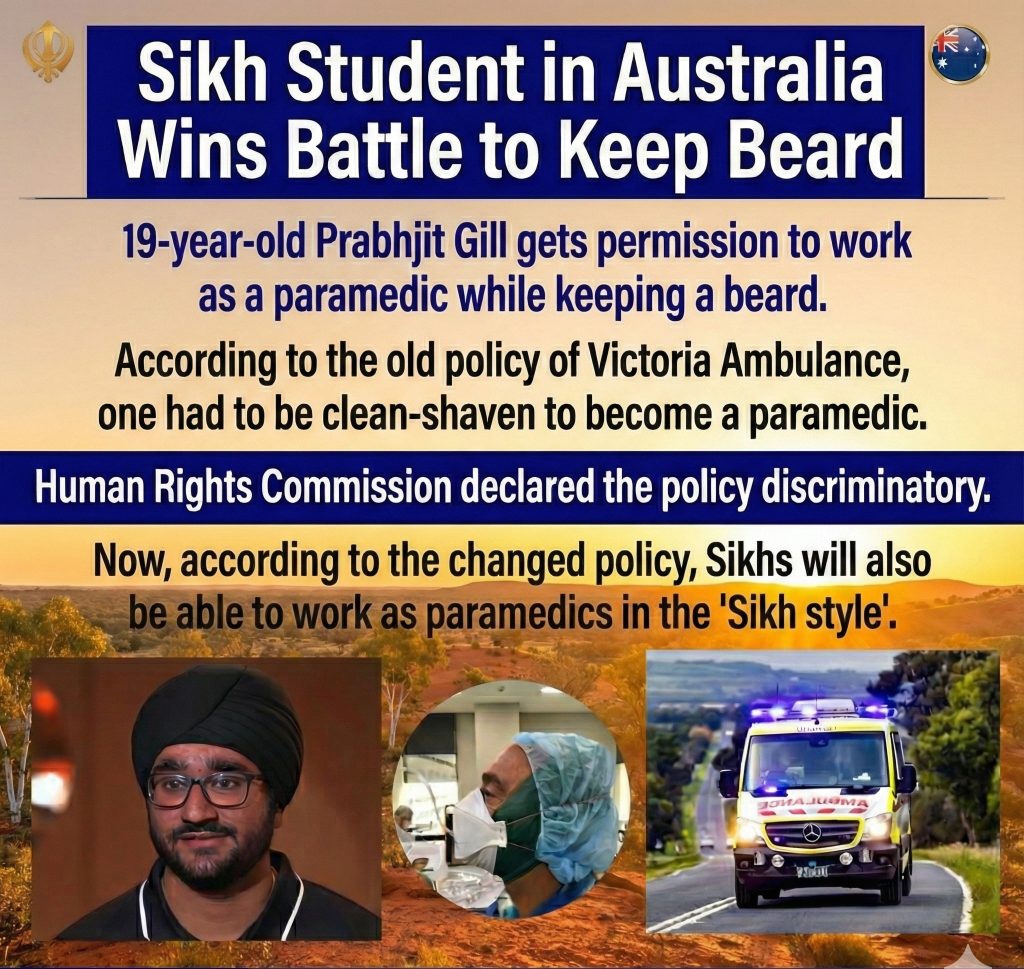
After review, the Victorian Equal Opportunity and Human Rights Commission supported the student’s position, finding that AV’s policy did not adequately consider proven, safe alternatives such as the Singh Thattha technique. The Commission noted that many major health services now use beard-covering techniques or powered air-purifying respirators (PAPRs) to accommodate facial-hair-wearing staff without compromising safety.
As part of the resolution, Ambulance Victoria has agreed to revise its grooming and respiratory protection policies to allow evidence-based alternatives, including the Singh Thattha technique, provided staff can pass the required fit-testing.
The ruling has been welcomed by paramedic students, unions, and advocacy groups.

“This case highlights that modern safety standards and inclusivity can coexist,” one representative said. “A beard should not be a barrier to someone serving the community-especially when fit-tested, safe solutions already exist.”
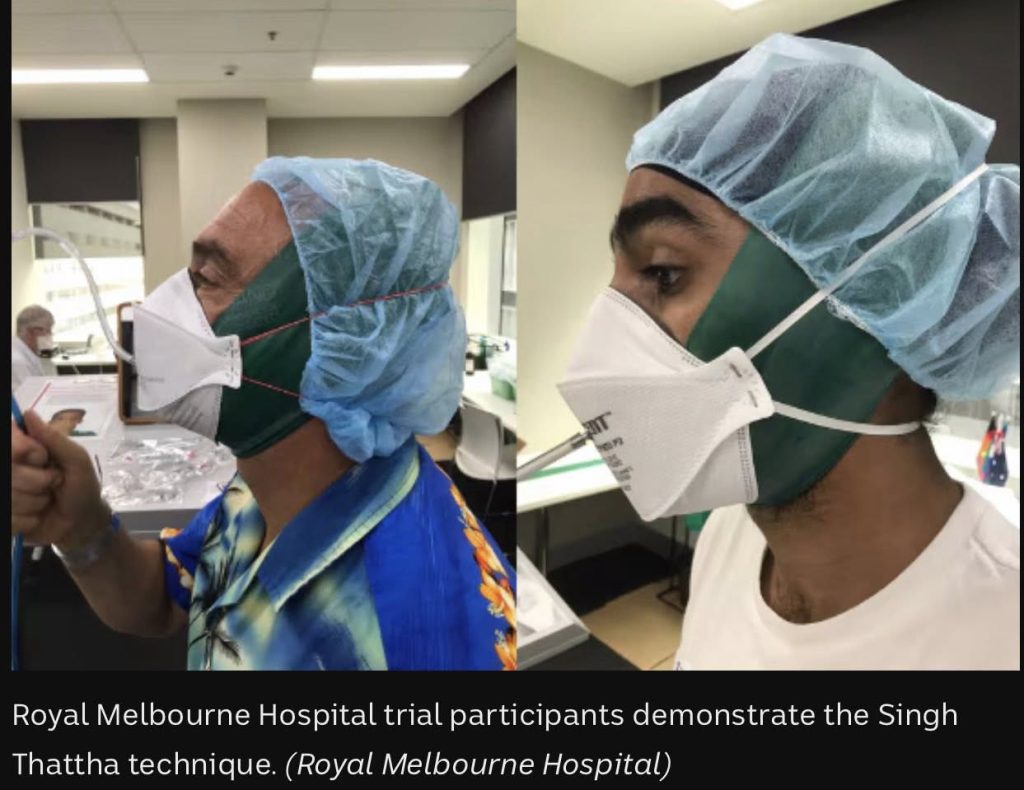
The decision is expected to trigger broader conversations across emergency services, many of which still rely on older respiratory guidelines that do not take into account new technologies or validated beard-covering methods.
With Ambulance Victoria now updating its approach, the case marks a significant step toward ensuring equitable access to training and employment across the paramedic profession.