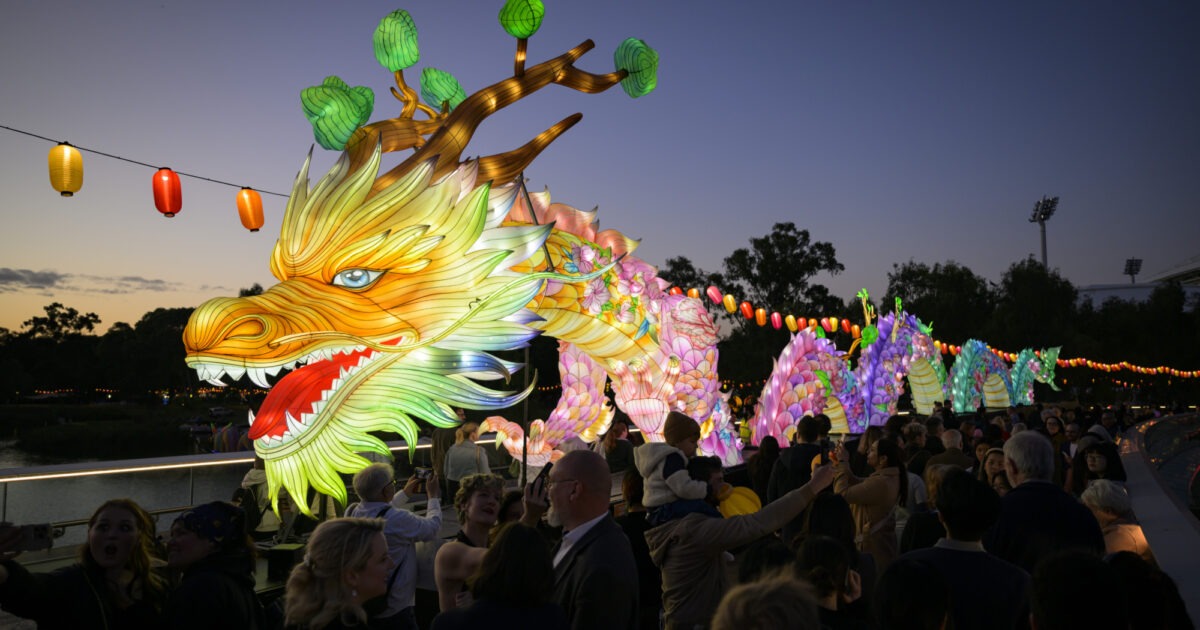
Adelaide has always called itself the Festival City. For years that meant the Fringe, the Adelaide Festival, and a steady calendar of arts events that defined its identity. But something is shifting underneath that familiar label. The city is now seeing a clear rise in South Asian festivals, concerts, and cultural nights that are no longer occasional or experimental. They are becoming part of the main calendar.
This is not a sudden change. It is a slow build driven by people, demand, and timing.
The foundation was already there
Adelaide did not need to become a festival city. It already was one. The infrastructure, audience habits, and institutional support have been in place for decades.
The Adelaide Festival has been running since 1960. The Adelaide Fringe has grown into one of the biggest open-access festivals in the world. Together, they created a culture where large-scale events are normal and expected.
That matters because it means new cultural programming does not have to fight for space in the same way it might in other cities. It can plug into an already existing system.
Why South Asian events are growing now
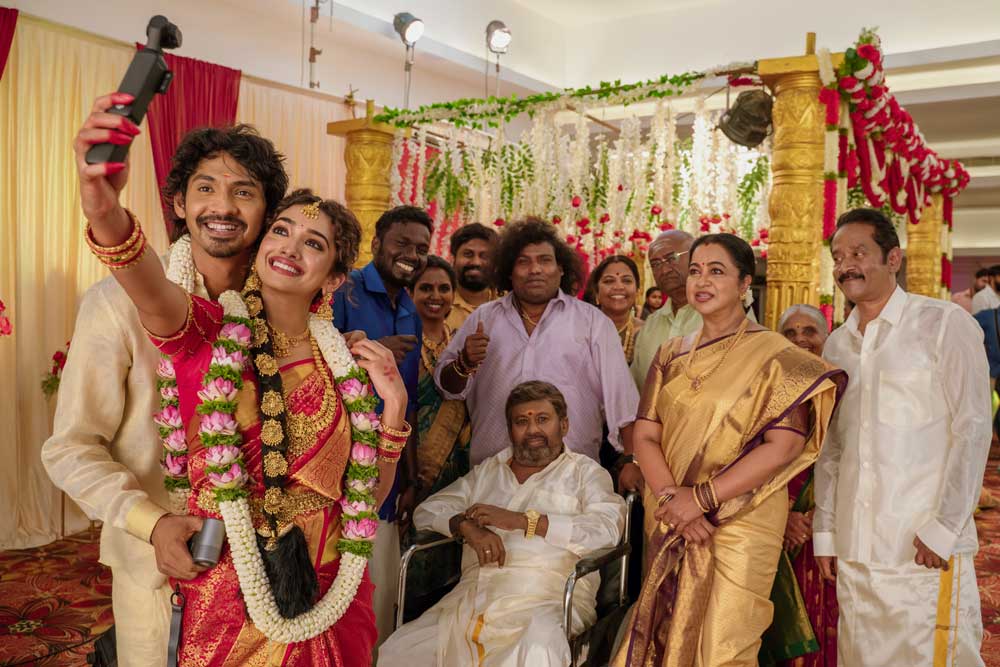
The rise of South Asian events in Adelaide is closely linked to population change. There is a growing community of students and young professionals from India, Bangladesh, Nepal, Sri Lanka, and surrounding regions. They are not just present in the city. They are actively shaping demand.
Where there is demand, events follow.
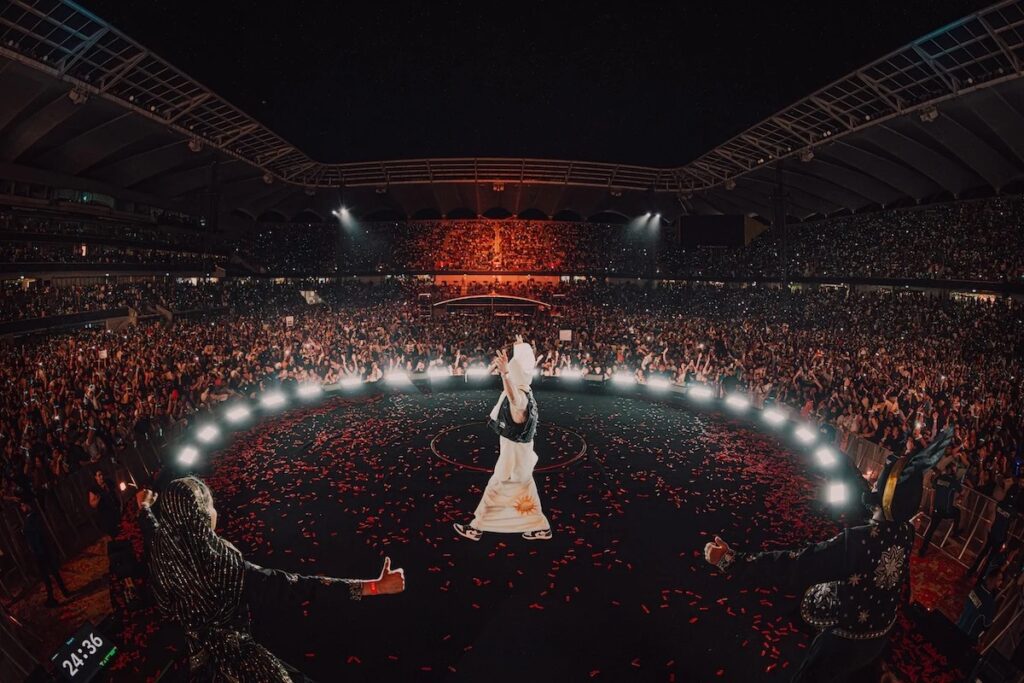
This is why you now see more Bollywood nights, Punjabi music concerts, fusion cultural festivals, and themed club events. These are not random additions. They are responses to a real and growing audience.

Festivals are becoming more global
At the same time, Adelaide’s major festivals are also changing. They are becoming more open to non-Western programming as part of a wider push to stay relevant and international.
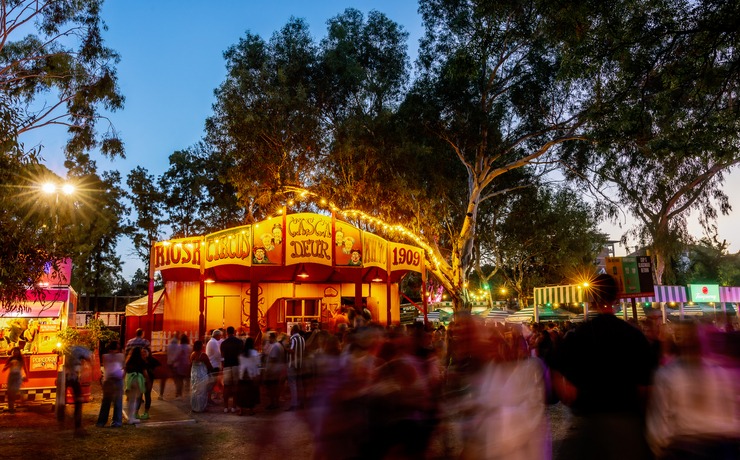
The OzAsia Festival is a strong example. It has helped normalise Asian arts in mainstream spaces and regularly brings in large audiences. Once audiences get used to that level of diversity, it becomes easier for more specific cultural expressions, like South Asian events, to grow alongside it.
This is how cultural ecosystems shift. It does not happen all at once. It builds layer by layer.
Government and industry are paying attention
There is also a strategic side to this growth. South Australia has been actively positioning Adelaide as a global events destination. That means attracting international conferences, tourism, and cultural programming that supports the economy.
South Asian events fit into that direction naturally. They bring audiences, fill venues, and create visible cultural activity that supports Adelaide’s branding as a multicultural city.
Promoters and organisers are noticing this too. If events sell well, they return. If they grow, they scale.
A city that feels small but connected
One of Adelaide’s biggest advantages is its size. Unlike larger cities where audiences are spread out, Adelaide is concentrated. That makes cultural events feel more intense and more community driven.
A sold-out South Asian concert here does not just stay in one circle. It spreads quickly through student networks, social media, and word of mouth. That creates momentum faster than in bigger cities.
It also means organisers get clearer feedback. If something works in Adelaide, it really works.
More than just music and festivals
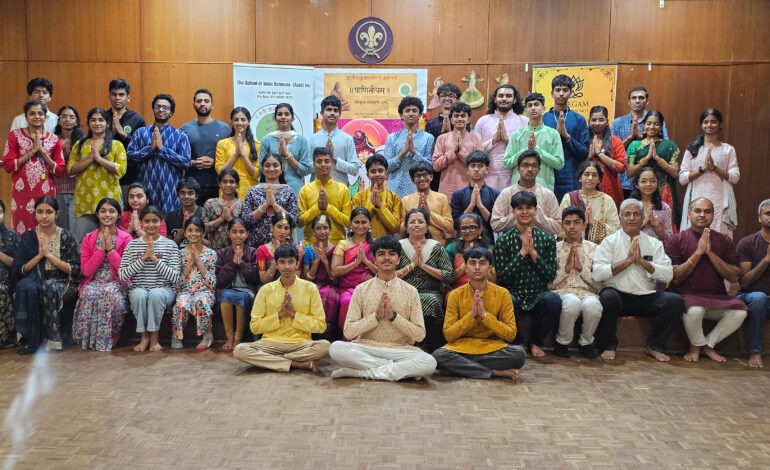
This growth is not limited to concerts. South Asian culture in Adelaide is expanding across food festivals, dance showcases, student events, and hybrid creative spaces.
You also see more crossover events where South Asian culture is not isolated but blended into wider multicultural programming. That shift is important because it moves the culture from niche to normalised.
It is no longer just “a community event”. It is becoming part of the city’s cultural mix.
What is still missing
Even with this growth, the ecosystem is still developing. Some events are strong and consistent, while others struggle with visibility or timing. There is not yet a fully stable year-round structure for South Asian programming at scale.
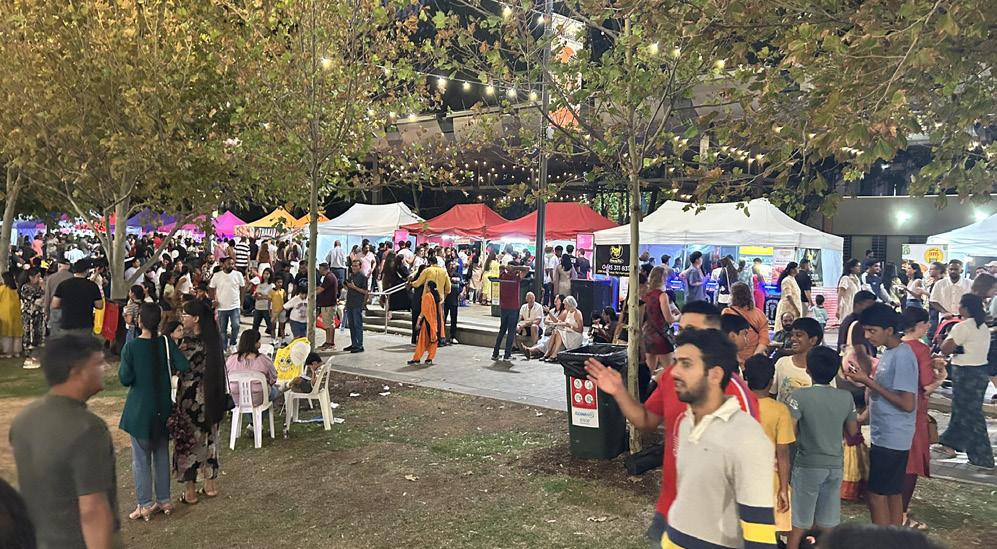
But that is expected at this stage. Most cultural movements start like this, uneven but growing.
The demand is clearly there. The structure is still catching up.
Where Adelaide is heading
Adelaide is not becoming a South Asian city. That is not the point. What is happening is more subtle and more interesting.
The city is expanding its definition of what a festival city looks like.
South Asian events are now part of that evolution. They are not separate from Adelaide’s identity. They are becoming part of it.
The question is no longer whether these events belong here. It is how big they will become next.
-Anshi Agarwal

Anshi Agarwal
Anshi Agarwala is a South Asian biomedical science student based in Australia who is passionate about accessible education, dance, and celebrating diaspora voices. Her work reflects the lived experiences of young people navigating culture and ambition.