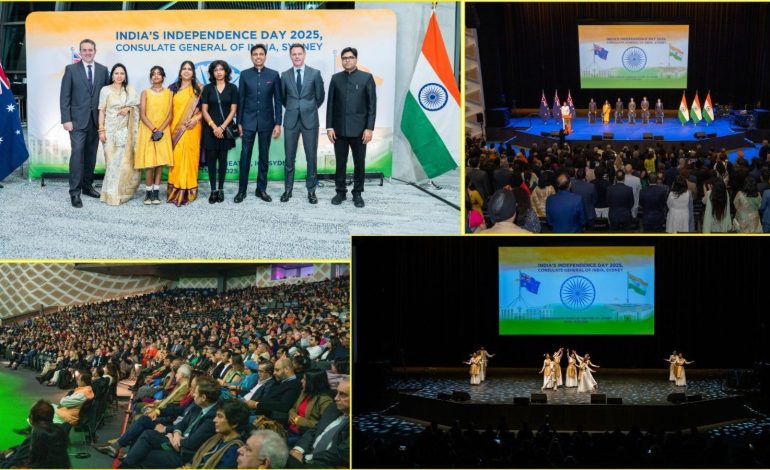
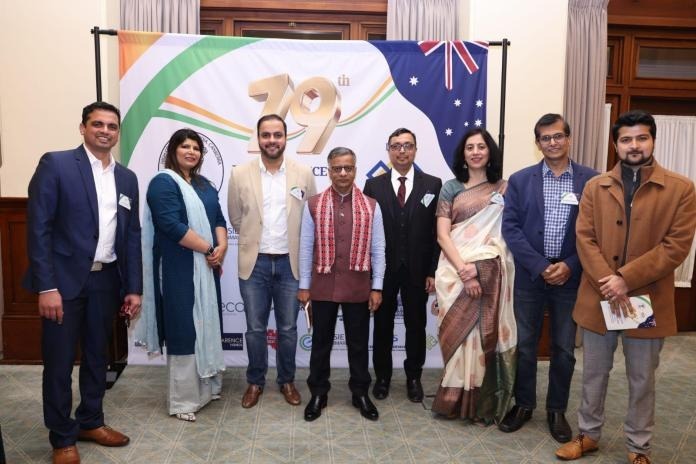
When the winter skies of Canberra lit up with saffron, white, and green, it wasn’t just another community gathering-it was a statement of identity, unity, and pride. India’s 78th Independence Day wasn’t only remembered back home; it was celebrated with equal zest right here in Australia, where the Indian diaspora has grown into one of the most vibrant and influential communities.
A Symbolic Venue with Global Significance
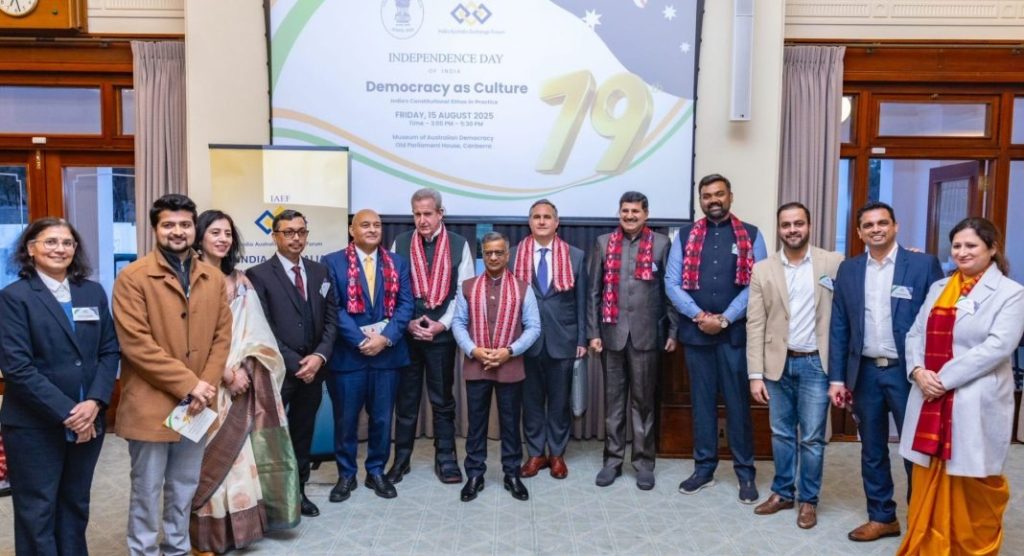
The choice of Old Parliament House in Canberra as the venue wasn’t accidental. This historic landmark, once the centre of Australia’s democratic journey, became the stage for India’s story of freedom, resilience, and future aspirations.
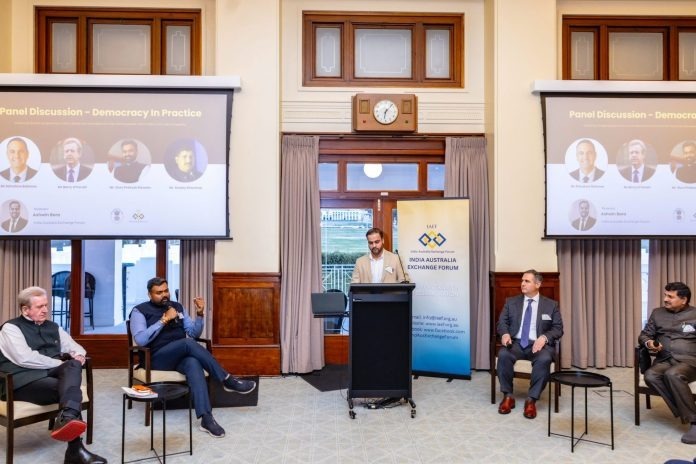
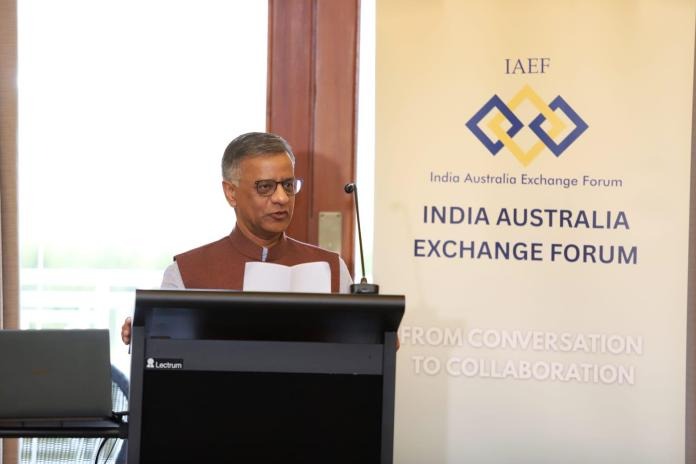
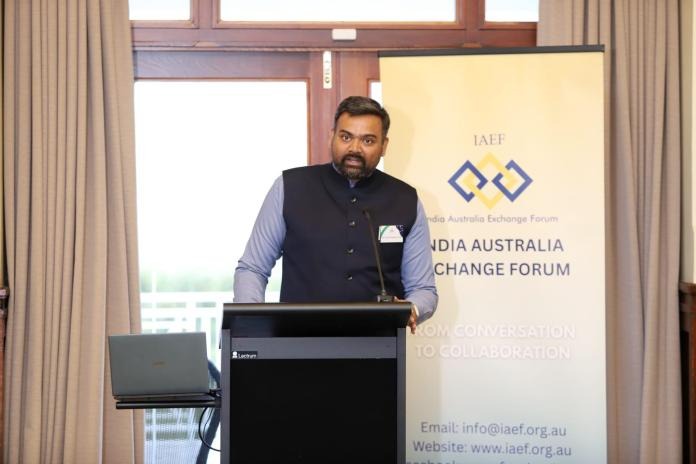
India’s High Commissioner to Australia, Gopal Baglay, spoke passionately about the “living bridge” of people-to-people connections, reminding everyone that the Indian community in Australia is more than a migrant group-it is a vital contributor to the nation’s multicultural fabric.
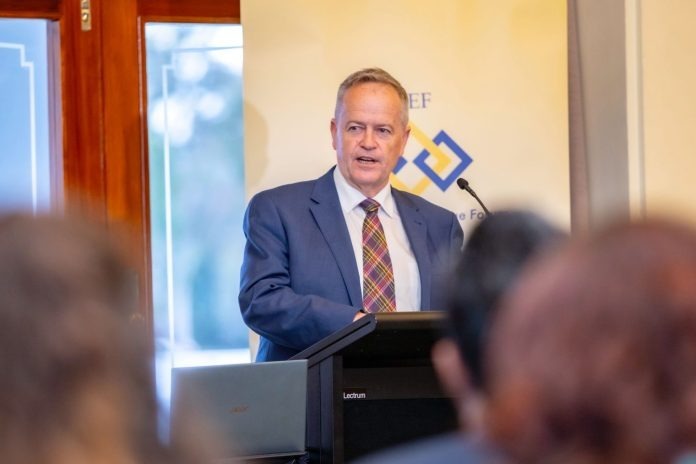
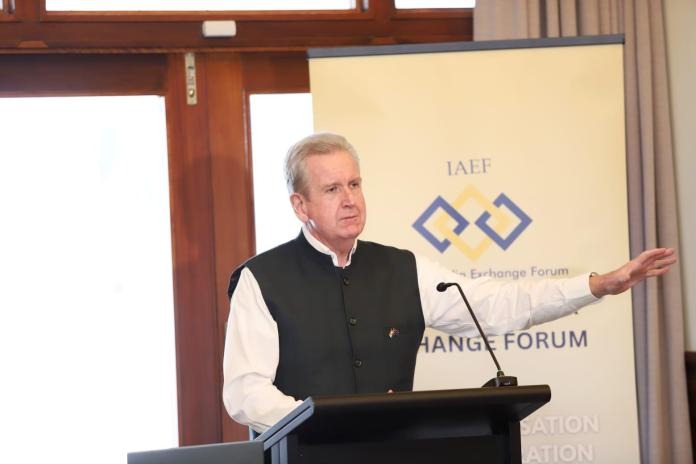
Adding to the dialogue, former Australian High Commissioner to India, Barry O’Farrell, reflected on how the bond between India and Australia is no longer limited to cricket or curry-it’s about shared values of democracy, openness, and mutual respect.
Voices of Vision: From Viksit Bharat to Global Partnerships
One of the standout moments came from Guru Prakash Paswan, an academic and social thinker, who contextualised the event beyond nostalgia. He spoke about India’s ambitious Viksit Bharat 2047 vision-an India fully developed by its 100th year of independence-and how partners like Australia will play a role in that journey.
It was a reminder that this wasn’t just a cultural event-it was also about geopolitics, economics, and the future of the Indo-Pacific.
Colours, Culture & Community Energy
What’s an Indian celebration without music, dance, and colour? The Canberra gathering saw spirited cultural performances-from children singing patriotic songs to dancers bringing regional traditions alive on stage.

Across Melbourne, Sydney, Brisbane, and Perth, similar scenes played out: families in vibrant saris and kurtas, kids with painted tricolours on their cheeks, and community leaders proudly hoisting the Indian flag. Independence Day wasn’t just remembered-it was relived.
For many first-generation migrants, the celebration was nostalgic. For the younger Aussie-born Indians, it was a way to connect with roots they might never have experienced directly. Together, they embodied the idea that identity is layered, yet proudly whole.
Why It Matters: More Than Just a Day
In the words of one attendee, “For us, Independence Day isn’t just about India’s past-it’s about our present in Australia.”
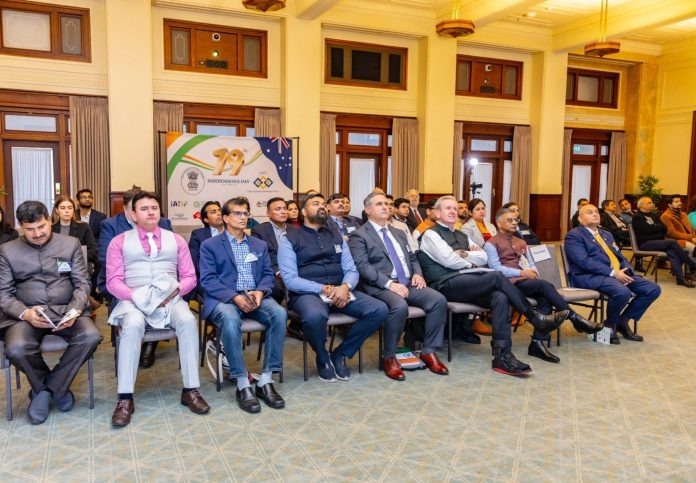
The event showcased something deeper: how diaspora diplomacy works. Every flag waved, every anthem sung, and every dialogue shared sends a message-India and Australia are not just trading partners but partners in culture, values, and global aspirations.
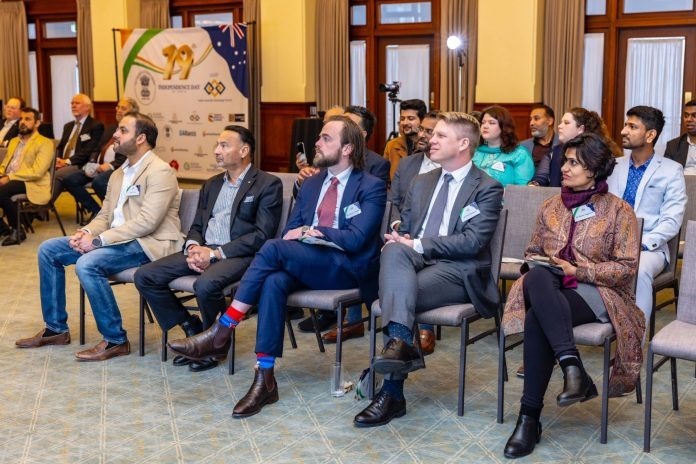
As the Indian and Australian national anthems echoed together in Canberra, it felt symbolic of a larger truth: the friendship between these democracies is growing stronger, shaped by both history and hope.