Australia and India have taken another significant step in expanding their education and research partnership, with the University of Melbourne signing a landmark agreement to establish a Centre for Emerging Technologies in the Indian state of Tamil Nadu. The new initiative will focus on cutting-edge research, workforce development and industry collaboration in quantum computing and agri-tech, reinforcing the growing strategic relationship between the two nations.
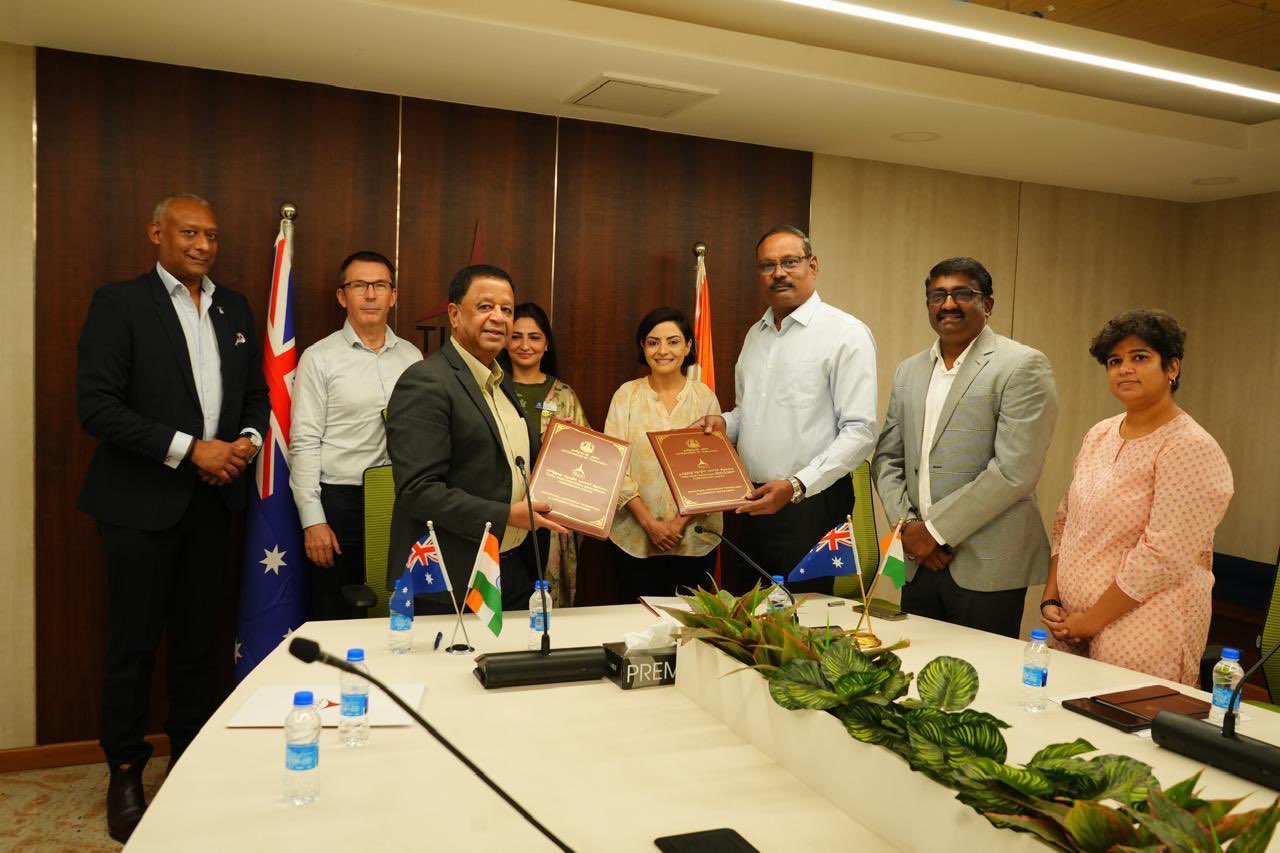
The partnership has been formalised through a Memorandum of Understanding (MoU) between the University of Melbourne and the Tamil Nadu Industrial Development Corporation (TIDCO). As part of the agreement, the new research hub will be established at Tamil Nadu Knowledge City in Tiruvallur, where it will operate from a dedicated 20,000-square-foot research and teaching facility designed to support advanced innovation and technology development.
The Centre for Emerging Technologies will serve as a collaborative platform connecting researchers, universities, industry leaders and government agencies from both countries. Its work will span basic, applied and translational research, ensuring scientific discoveries can be translated into practical technologies and commercial applications that benefit industry and society.
Beyond research, the initiative will place strong emphasis on developing future-ready talent. The partnership will introduce industry-focused curriculum development, workforce training, certification programs, technical workshops, exchange opportunities and dual-certification courses. Joint research projects, prototyping, pilot programs and industry-academia collaborations will also form a key part of the Centre’s activities, helping bridge the gap between education and innovation.

University of Melbourne Deputy Vice-Chancellor (Global, Culture and Engagement) Professor Michael Wesley said the agreement represents an important milestone in strengthening the University’s engagement with India’s rapidly growing innovation ecosystem. He said the collaboration reflects a shared commitment to advancing research, skills development and technological innovation while creating practical outcomes that benefit communities in both Australia and India.
Professor Wesley added that collaboration in quantum computing and agri-tech within Tamil Nadu’s dynamic industrial ecosystem has the potential to generate innovative solutions, create new opportunities and strengthen long-term cooperation between the two countries. He also noted that the new Centre will bring together researchers, students and industry partners to accelerate innovation in technologies that are expected to shape the future global economy.
Dr D. Karthikeyan, Chairman and Managing Director of TIDCO, described the partnership as a transformational development for Tamil Nadu’s innovation landscape. He said the collaboration would help position the state as a preferred global destination for research and development in quantum computing and agri-tech while nurturing highly skilled talent and creating new economic opportunities across the region.

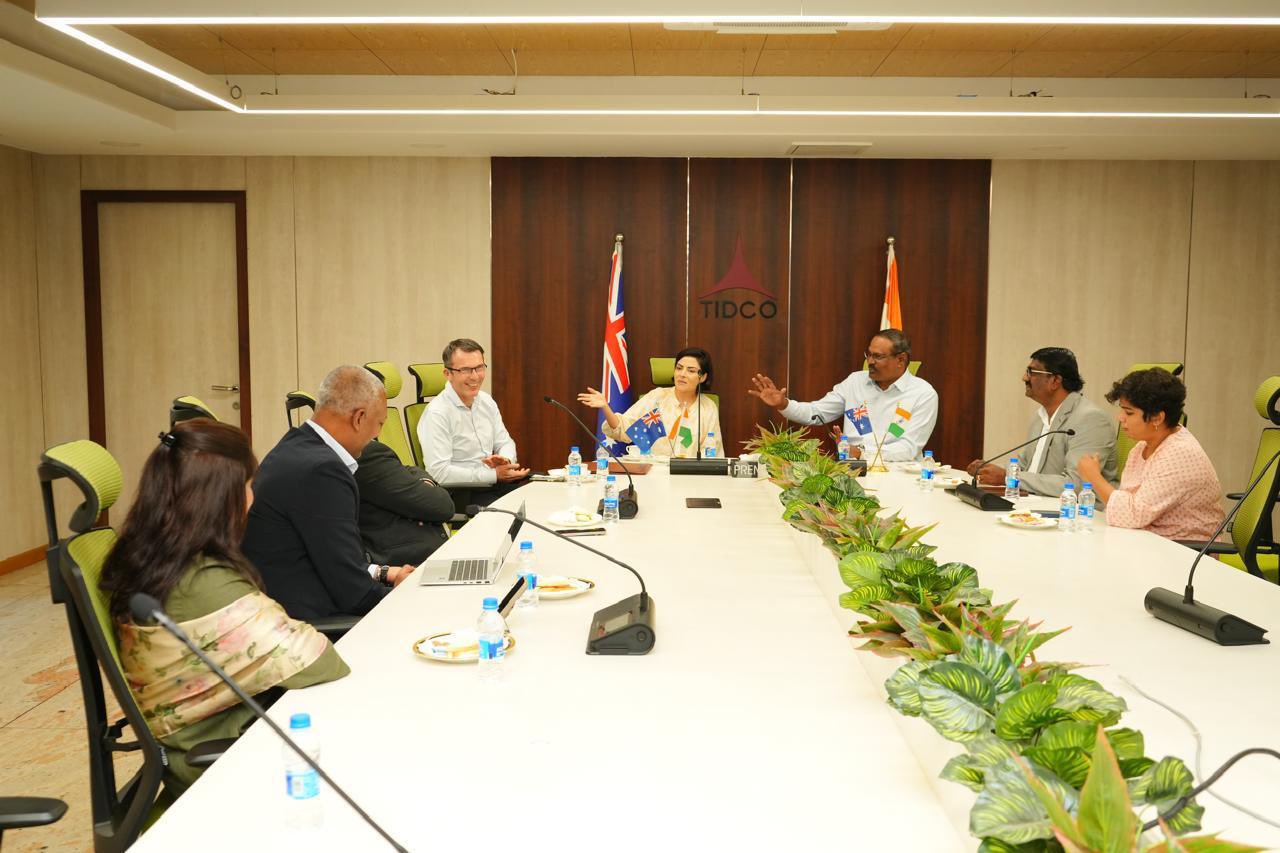
The agreement builds on a Letter of Intent signed earlier this year and reflects the rapidly expanding education and research links between Australia and India. Universities in both countries are increasingly working together across emerging technologies, sustainability, healthcare and advanced manufacturing, recognising the growing importance of international collaboration in addressing future global challenges.
The initiative also aligns with the broader strengthening of Australia-India relations across trade, innovation, education and critical technologies. As both governments continue prioritising collaboration in strategic sectors, partnerships between leading universities and industry organisations are expected to play an increasingly important role in driving research excellence, commercial innovation and workforce capability.
For the University of Melbourne, the establishment of the Centre for Emerging Technologies represents another major milestone in its engagement with India, while for Tamil Nadu it reinforces the state’s ambition to become a leading global destination for advanced technology research. As Australia and India continue building one of the Indo-Pacific’s fastest-growing strategic partnerships, the new hub is expected to become a flagship example of how education, research and innovation can create lasting economic, scientific and societal benefits for both nations.