The race for one of Victoria’s most politically significant upper house seats has taken an important turn ahead of the November 2026 state election, with former Melbourne City councillor Roshena Campbell emerging as the leading contender for the Victorian Liberal Party’s Western Metropolitan Region ticket after Indian-Australian community leader Dinesh Gourisetty confirmed he will not contest the position.
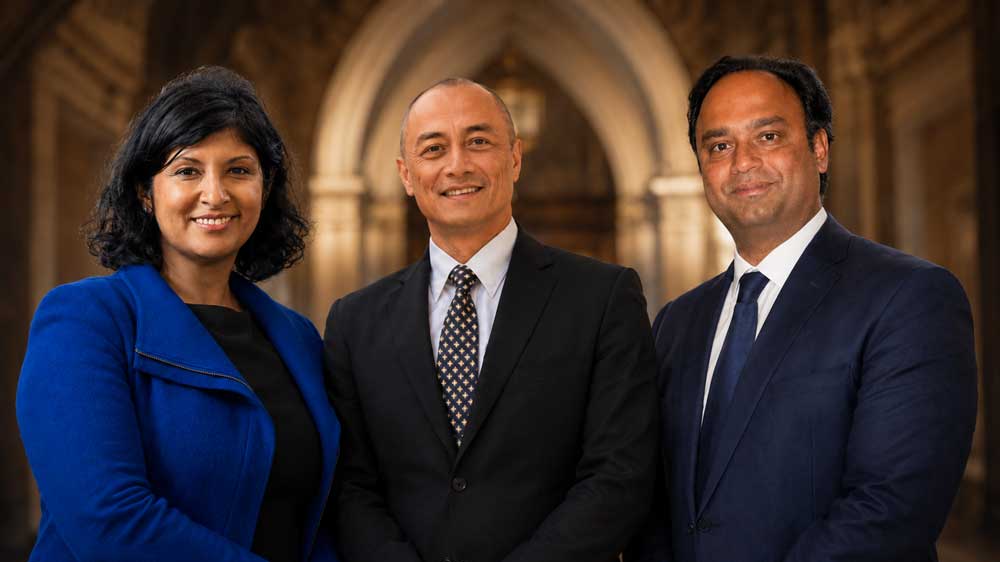
The development comes as the Victorian Liberal Party continues to finalise its election strategy in the lead-up to the state election, where Melbourne’s western suburbs are expected to play a crucial role in shaping the political fortunes of both major parties.
Dinesh Gourisetty’s decision marks the latest chapter in a political journey that has attracted significant attention within Victorian Liberal circles. Over the past several years, Gourisetty has become a prominent figure within Melbourne’s Indian-Australian community and the Victorian Liberal Party, advocating for greater multicultural representation in Australian politics.
Earlier this year, Gourisetty was widely regarded as a strong contender for Liberal Party preselection in the Western Metropolitan Region. He had previously secured significant support from party members and grassroots supporters, particularly across Melbourne’s rapidly growing western suburbs, where multicultural communities continue to shape the region’s social and political landscape.
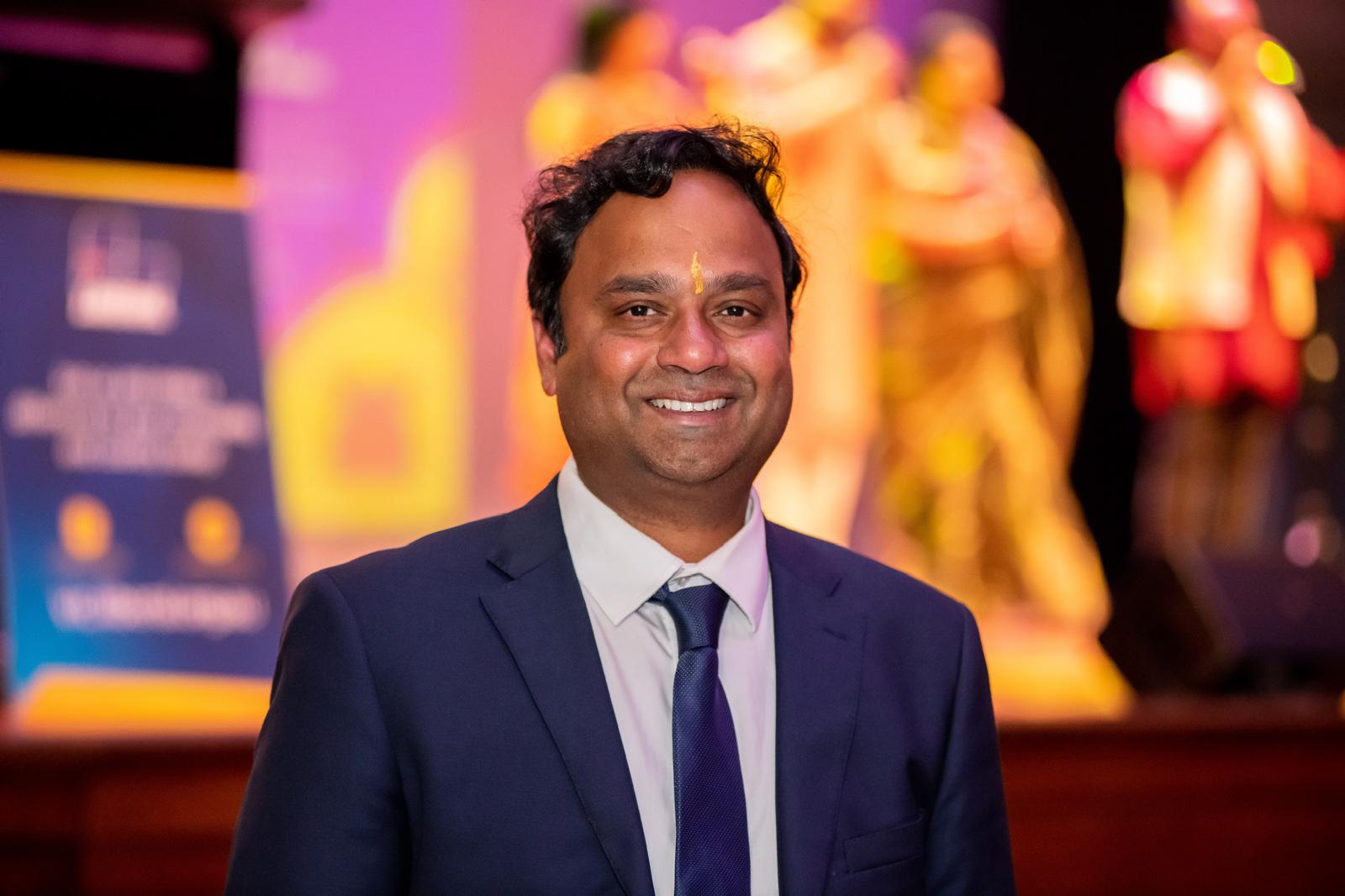
If elected, Gourisetty would have become one of the few Indian-Australian Liberal representatives in Victoria’s Parliament, reflecting the increasing political participation of Australia’s Indian diaspora. His decision not to contest has therefore generated considerable interest within both political and multicultural communities.
With Gourisetty stepping aside, attention has now shifted to Roshena Campbell, who is widely considered the frontrunner for the coveted upper house position. Campbell is regarded as one of the Victorian Liberal Party’s rising political figures and brings significant political experience to the race.
Campbell previously served as a Melbourne City councillor and gained national prominence when she contested the federal Aston by-election in 2023. She has remained actively involved in Victorian politics and has built a profile around issues relating to economic growth, community engagement and public policy.

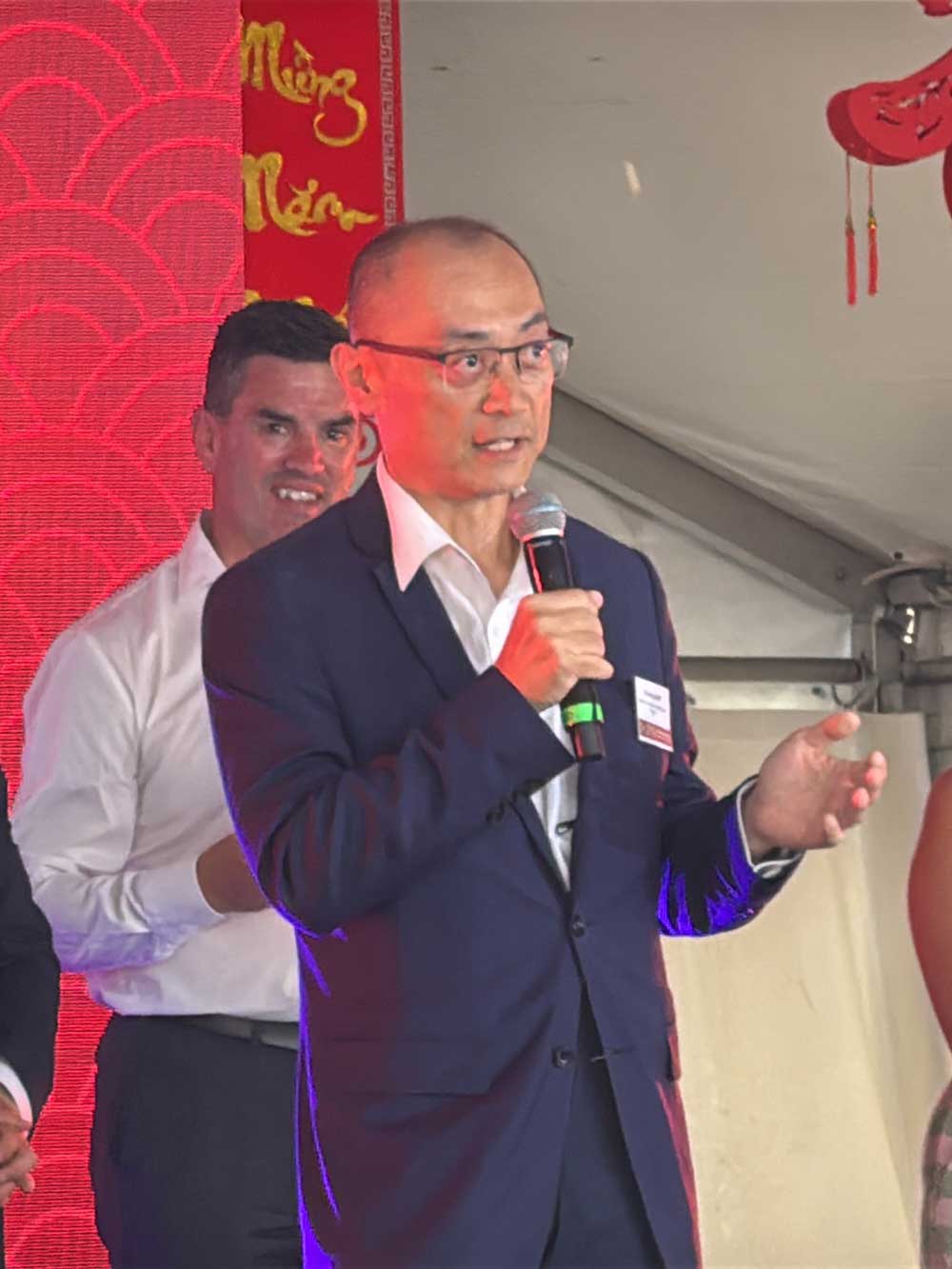
The Western Metropolitan Region remains one of Victoria’s most diverse electorates, encompassing Melbourne’s booming western suburbs, which are home to large Indian, South Asian, African and other multicultural communities. The region has experienced significant population growth over the past decade and continues to be a major focus for political parties seeking to strengthen their multicultural voter base.
Political analysts have long viewed Melbourne’s west as a key battleground for Victorian elections. Issues such as housing affordability, infrastructure investment, education, transport connectivity, cost-of-living pressures and economic opportunities are expected to dominate campaign discussions across the electorate.
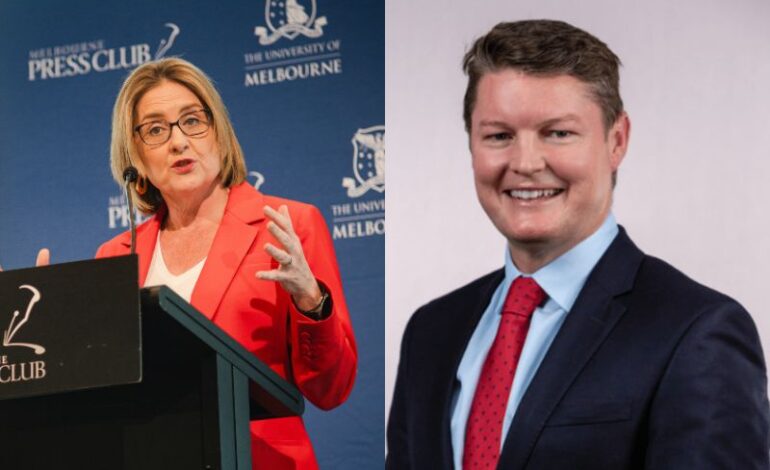
The Liberal Party’s candidate selection for the region is particularly significant given the Victorian election is now only months away. Following recent leadership changes within Victorian politics-including Jacinta Allan’s resignation as Premier and Ben Carroll’s appointment as Victoria’s new Premier-the state’s political landscape continues to evolve rapidly.
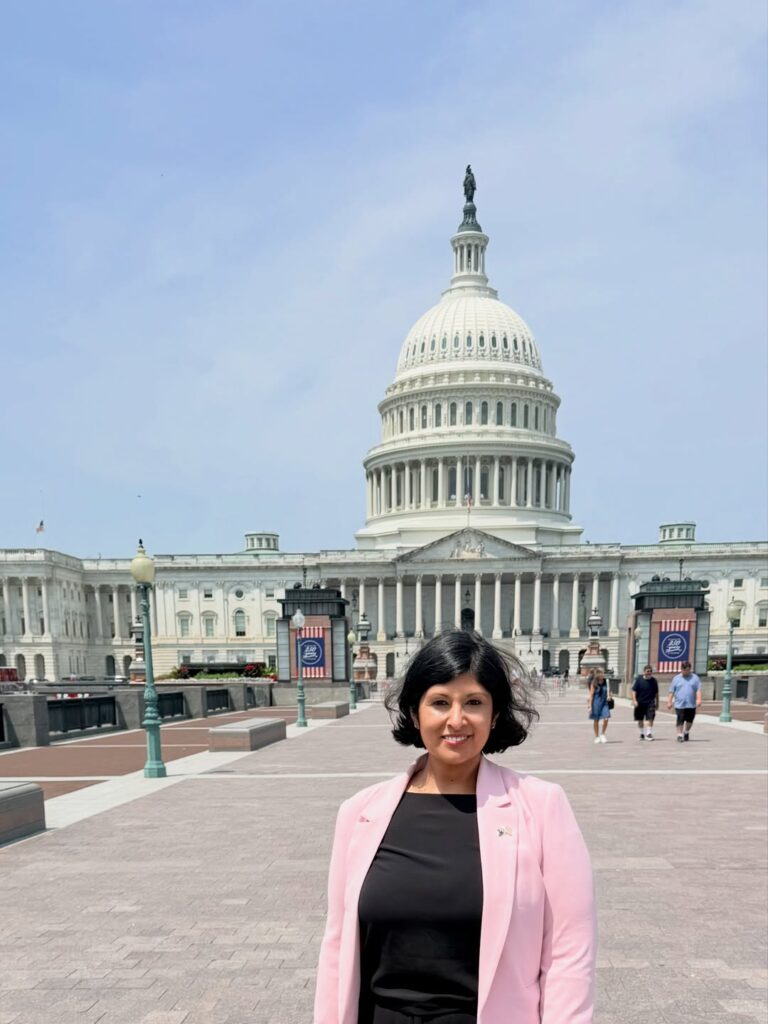
For multicultural communities across Melbourne’s west, representation remains an increasingly important issue. The Indian-Australian community, which has become one of Australia’s fastest-growing migrant communities, has also seen a steady increase in political engagement across all major political parties.
Community leaders and political observers have consistently highlighted the importance of diverse representation within Australia’s parliamentary institutions. Candidate selections in electorates such as Western Metropolitan Region therefore carry significance beyond party politics, often reflecting broader conversations around inclusion, leadership and community participation.
While Dinesh Gourisetty’s decision means he will not contest the Liberal Party ticket this election, his involvement has further highlighted the growing influence of Indian-Australians within Victorian political life. At the same time, Roshena Campbell’s emergence as the frontrunner signals the Liberal Party’s efforts to position itself strongly ahead of the November poll.
As Victoria moves closer to election day, the Western Metropolitan Region is expected to remain firmly in the political spotlight, with both major parties seeking to win the support of one of Australia’s most dynamic and multicultural communities.
With candidate selections continuing to unfold, Melbourne’s western suburbs are once again demonstrating why they have become central to the future of Victorian politics.