Australian production companies WRT Film Holdings and TEMPLE are strengthening screen industry connections between Australia and India, taking two distinctive Australian film projects to the WAVES Film Bazaar in Goa as the country records its highest-ever representation at the prestigious international co-production market.
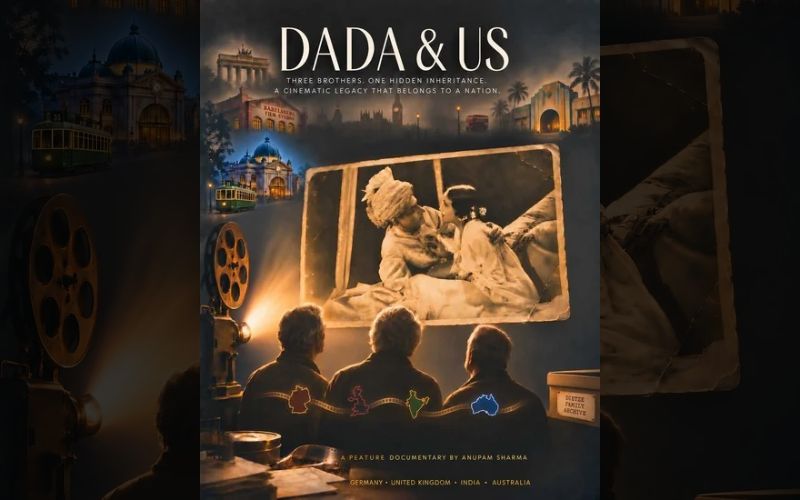
The two projects, Bidjara Kumari and Dada & Us, will be presented to Indian co-producers and financiers during the 20th Film Bazaar, running from 20 to 24 November 2026 alongside the 57th International Film Festival of India (IFFI).
A record five Australian projects have been selected for the Film Bazaar’s Co-Production Market, highlighting growing opportunities for Australian filmmakers to collaborate with India’s extensive film industry.
The participation comes three years after the Australia–India Audio-Visual Co-Production Agreement came into force, providing producers with access to incentives in both countries and creating new opportunities for cross-border filmmaking.
Bidjara Kumari Explores First Nations and Indian Connections
Bidjara Kumari is a feature drama produced by First Nations-led WRT Film Holdings, a company focused on supporting First Nations-led films from around the world.

Written by Richard Jameson OAM and directed by Chantelle Murray, the film follows a young woman from rural Australia who discovers that her mother once loved an Indian man. She then travels to India to uncover the story and explore a connection between two cultures.

Western Australian producer Jodie Bell of Ramu is producing the project.
Jameson said the story brings together two of the world’s oldest living cultures and that the production aims to involve Indian partners from the beginning.
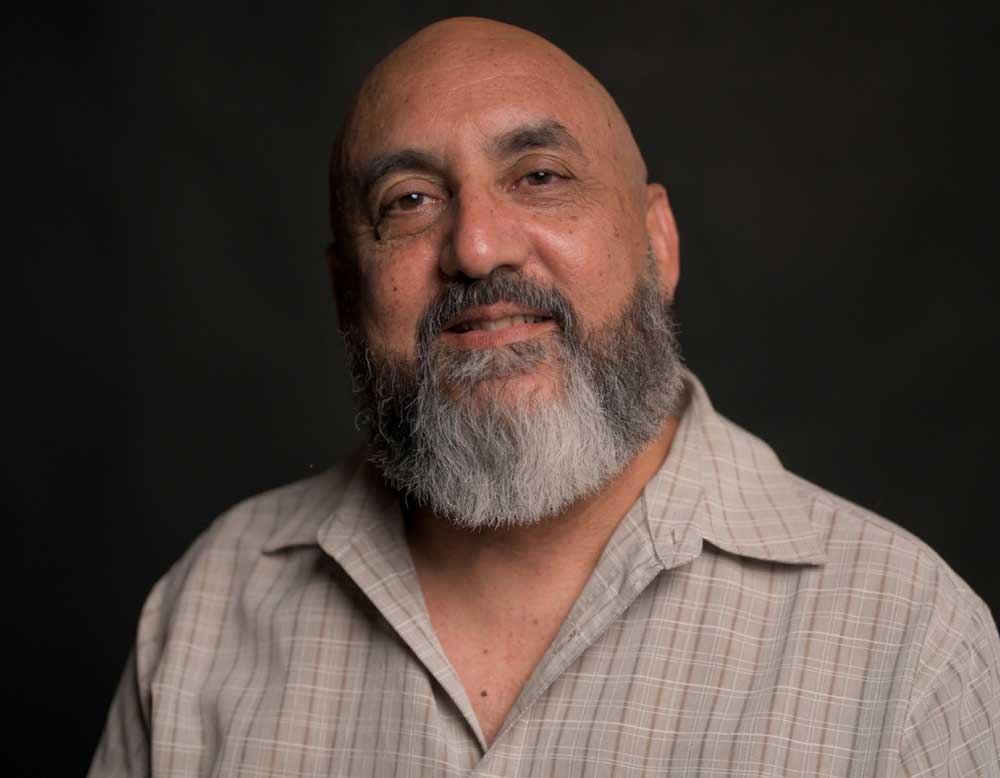
“Natasha’s story sits across two of the oldest living cultures on the planet,” Jameson said. “We want to build it with Indian partners from day one, so both cultures are on screen properly.”
The project aims to create a meaningful screen partnership that represents both cultural perspectives.
Dada & Us Uncovers a Hidden Bombay Talkies History
The second project, Dada & Us, is a feature documentary written and directed by Anupam Sharma.
It follows three Melbourne brothers who discover that their grandfather co-founded India’s historic Bombay Talkies film studio. The family also inherits more than 1,000 letters written by Devika Rani, the studio’s wartime head and a pioneering figure in Indian cinema widely known as the First Lady of Indian Cinema.
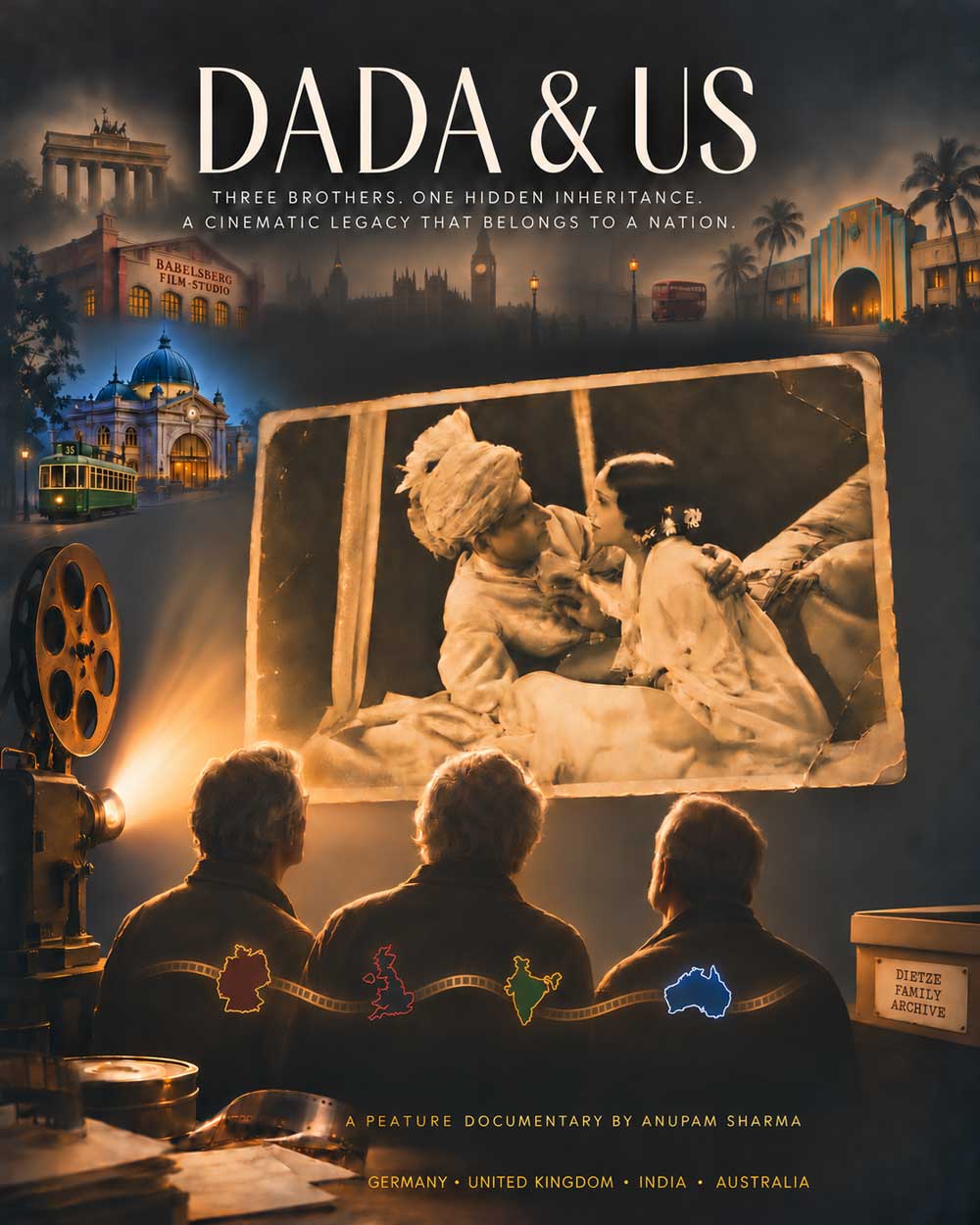
The collection offers an opportunity to revisit the history of Bombay Talkies and Devika Rani’s leadership of one of India’s most important film studios during wartime.
Sharma said the discovery of the letters in a Melbourne family home could help bring Devika Rani’s story to a wider audience.

“Devika Rani ran India’s most important studio as a widow, in wartime, when nobody expected a woman to be in charge,” Sharma said. “And the proof has been sitting in a house in Melbourne. These letters let her tell that story herself.”
Australian Film Industry Expands Its India Connections
Sharma is attending Film Bazaar as part of Screen Australia’s funded delegation of selected Australian producers. Jameson, Murray and TEMPLE ANZ executive producer Farabee Kabir are also attending, with support from Screen Australia, Screen Queensland and Screen NSW.

Sharma, who has attended the International Film Festival of India with Australian delegations since 2005, described the selection of five Australian projects as an important milestone.
He said he had never seen such a large Australian presence in the market’s co-production programme.

“Both these films start in Australia and end up in India. That’s exactly what the treaty is for,” Sharma said.
With India producing more films than any other country, the market offers Australian filmmakers opportunities to connect with Indian producers, financiers and creative partners.

The participation of WRT Film Holdings and TEMPLE highlights the potential for Australian stories, including First Nations narratives and culturally connected documentaries, to reach international audiences through stronger Australia–India screen partnerships.