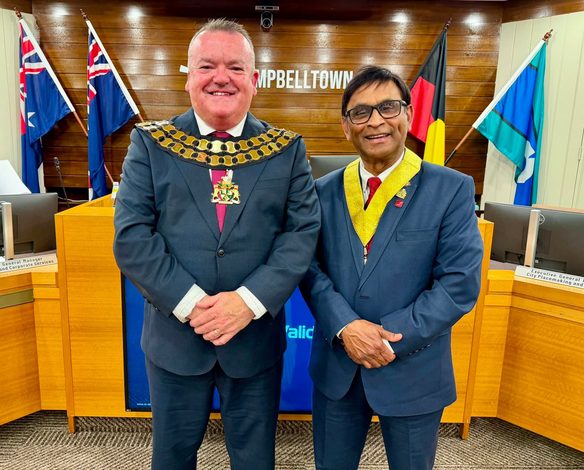
NSW Premier Chris Minns and Treasurer Daniel Mookhey have used their India visit to push for stronger aviation links between India and Western Sydney, meeting representatives of Air India in New Delhi as the state seeks to attract a direct service to the new Western Sydney International Airport.
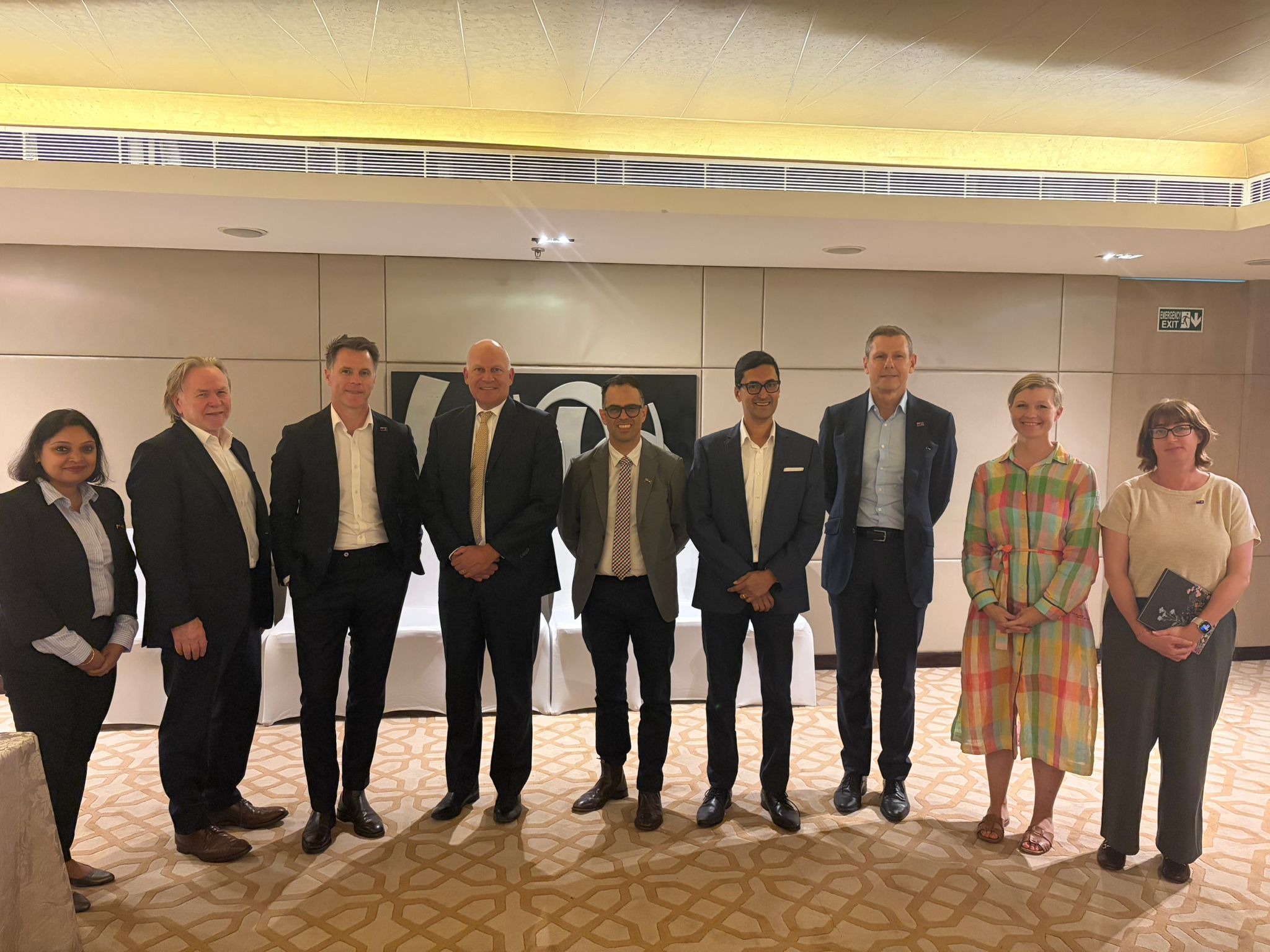
The discussions form part of the NSW Government’s broader four-day India mission, which is focused on expanding trade, investment, education, technology and cultural connections between NSW and India. The aviation push adds another important dimension to the relationship, particularly as Western Sydney prepares to welcome international passengers later this year.
Minns met Air India representatives in New Delhi on Tuesday evening, with the discussions centred on the possibility of the airline operating from Western Sydney International Airport. However, no formal agreement has been reached, meaning a direct India-Western Sydney route remains an objective being pursued by the NSW Government rather than a confirmed service.
For the NSW Government, establishing such a connection would have significance well beyond aviation. Western Sydney is home to a large and diverse Indian community, while India is an increasingly important source of tourists, students, business visitors and skilled migrants. A direct connection could make travel more convenient for people across the region and strengthen links between families, businesses and institutions in both countries.
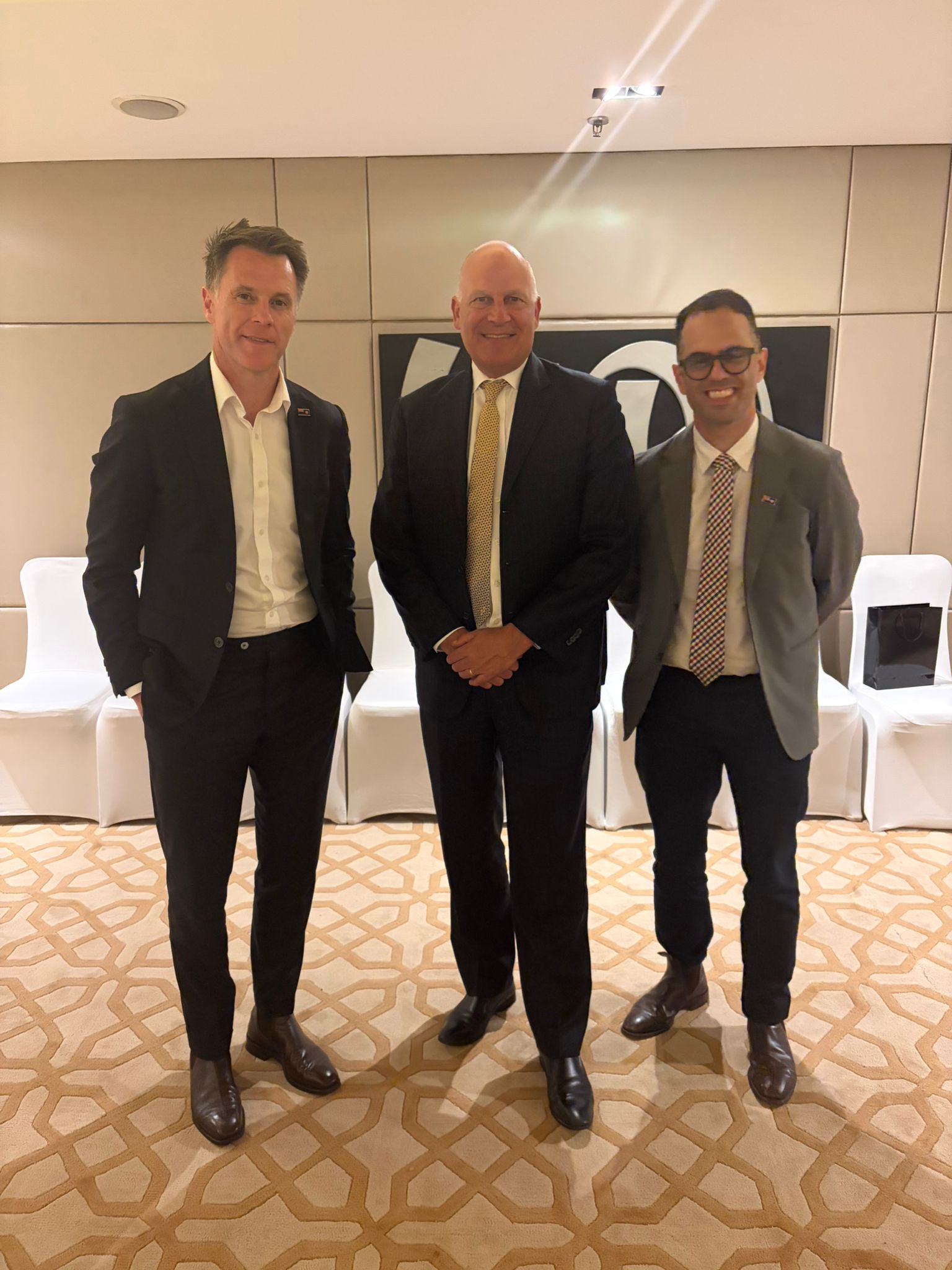
Treasurer Daniel Mookhey argued that the size and growth of India’s middle class creates a significant opportunity for NSW. With more Indians travelling internationally, the government believes Western Sydney could become an attractive destination for passengers seeking direct access to the region rather than relying exclusively on existing services through Sydney Airport.
Mookhey also pointed to the Indian diaspora as a potential source of consistent passenger demand. His argument is that Western Sydney’s established Indian community could help provide a dependable customer base even when tourism patterns fluctuate, giving an airline a broader mix of travellers to support a new route.
Air India already operates non-stop services between Sydney and Delhi, demonstrating that there is an established market for direct travel between Australia and India. The airline’s current booking information continues to show non-stop Sydney-Delhi services, including AI301.

The proposed Western Sydney connection, however, comes at a challenging period for the airline and the international aviation industry. Air India is undergoing a major fleet renewal and wider transformation while facing financial pressures. Rising fuel costs have also affected airlines globally, while Air India has adjusted some international operations, including reductions in certain services.
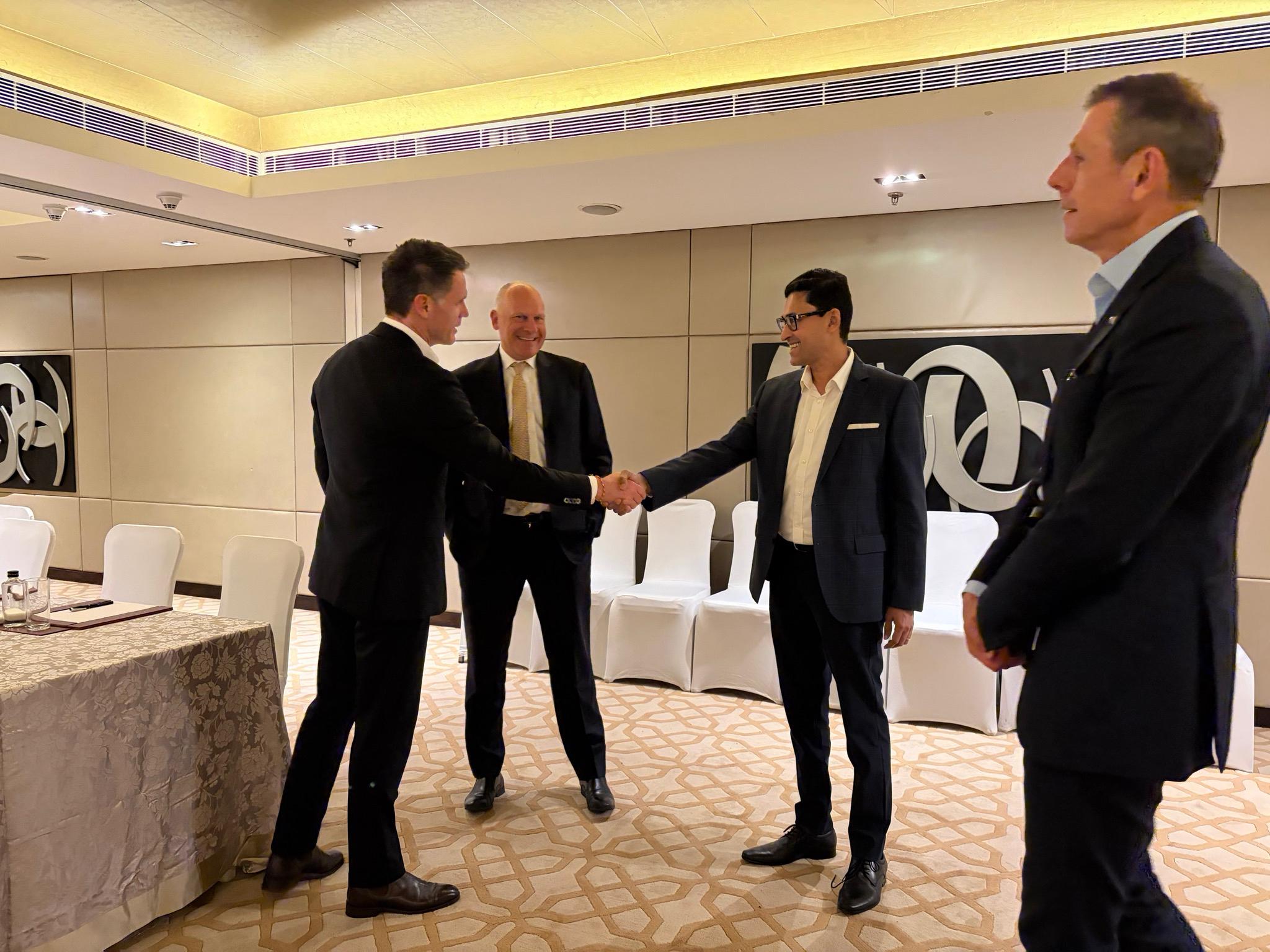
That backdrop makes the NSW Government’s pitch particularly important. Rather than assuming that the new airport will automatically attract an Indian carrier, Minns and Mookhey are attempting to demonstrate that Western Sydney can offer a commercially viable market with strong demographic, business and tourism links to India.
Minns said the government wanted to make it clear that it was serious about attracting Indian airlines to the new airport. While he did not set out a specific measure that would determine whether the talks had succeeded, he indicated that the government would continue working to convince Air India that there is a strong case for establishing a presence at Western Sydney.
The NSW Government has also retained an air-attraction fund that could potentially be used to provide targeted assistance to airlines willing to establish new services. Minns confirmed that the fund remains available, although no specific financial package for Air India has been announced.
Western Sydney International Airport is expected to begin passenger operations in October 2026. Its initial international airline lineup includes Jetstar and Air New Zealand, with Singapore Airlines scheduled to follow in November. VietJet and Qantas are also expected to begin services in January and March respectively.
Against that expanding network, an India route would be particularly relevant to Western Sydney because of the region’s demographic profile. A direct service could potentially serve leisure travellers, students, business executives and people visiting relatives, while also providing another avenue for trade and investment between NSW and India.
The Air India discussions came after Minns and Mookhey visited Gurudwara Bangla Sahib in New Delhi. The Premier and Treasurer met volunteers involved in preparing thousands of free meals for people in need, adding a community and cultural element to their official program.
The visit was significant for the NSW delegation given the strong Sikh and Indian communities across the state. The Premier has repeatedly highlighted the role of the Indian-Australian community in strengthening the relationship between NSW and India during his first official overseas visit.
The delegation has also visited Swaminarayan Akshardham Temple, reflecting the wider cultural and religious connections between India and NSW. These community engagements have accompanied the government’s commercial agenda throughout the mission.
The aviation discussions also fit within a much broader NSW strategy towards India. Earlier during the visit, Minns and Mookhey promoted opportunities in critical minerals, technology, education, tourism and consumer exports. The government has also highlighted NSW-developed technology and the potential for Indian investment in the state.
The first day of the mission included progress on Western Sydney University’s planned Greater Noida campus, new scholarships and a proposed Centre of Excellence focused on water security, digital innovation and community resilience. The initiatives demonstrate the government’s intention to build a relationship with India that extends across education, research and commercial activity rather than focusing on one sector alone.
The Premier’s decision to make India his first overseas destination as NSW leader has also placed the relationship under greater political focus. The four-day visit is designed to strengthen connections with Indian governments and businesses while promoting NSW as a destination for investment and a source of technology, expertise and products.
For Western Sydney residents with links to India, however, the possibility of a direct flight may ultimately become one of the most tangible outcomes of the discussions. A service from the new airport could provide a more convenient travel option for a region that is expected to experience significant population and economic growth in coming years.
For now, the proposal remains under discussion. The NSW Government has made its interest clear, but Air India has not announced a commitment to operate from Western Sydney International Airport. The next stage will depend on commercial negotiations and whether the airline determines that the new airport and its surrounding market can support a sustainable service.
The India mission will continue with further government and business engagements as Minns and Mookhey work to build stronger economic and community links. Whether those efforts ultimately result in Air India serving Western Sydney remains to be seen, but the talks signal that the NSW Government sees direct aviation connectivity as an important part of the state’s future relationship with India.