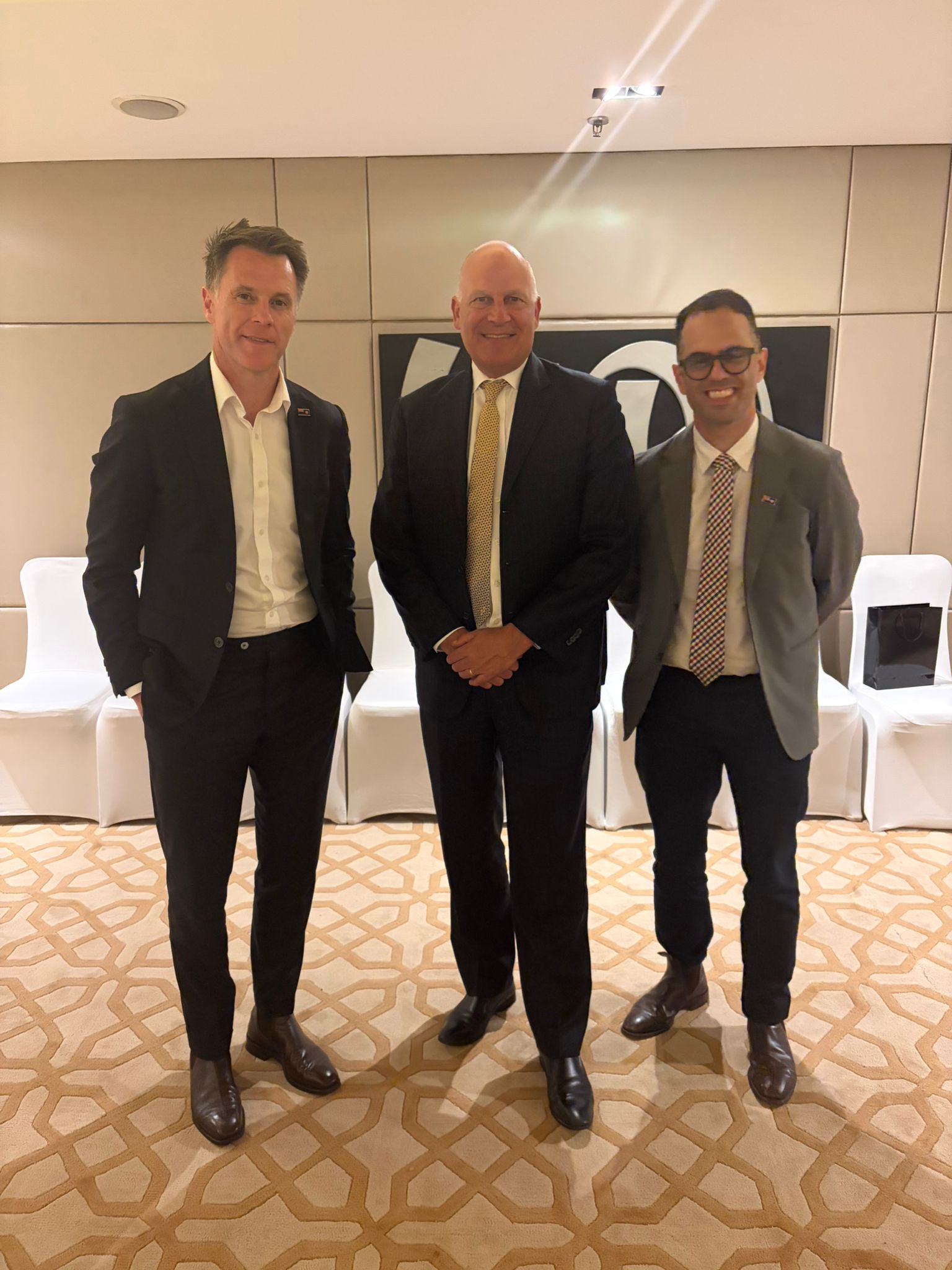
NSW Premier Chris Minns and Treasurer Daniel Mookhey have used their four-day official mission to India to advance a wide-ranging partnership spanning education, trade, technology, clean energy, critical minerals, aviation, tourism, film and cultural exchange.
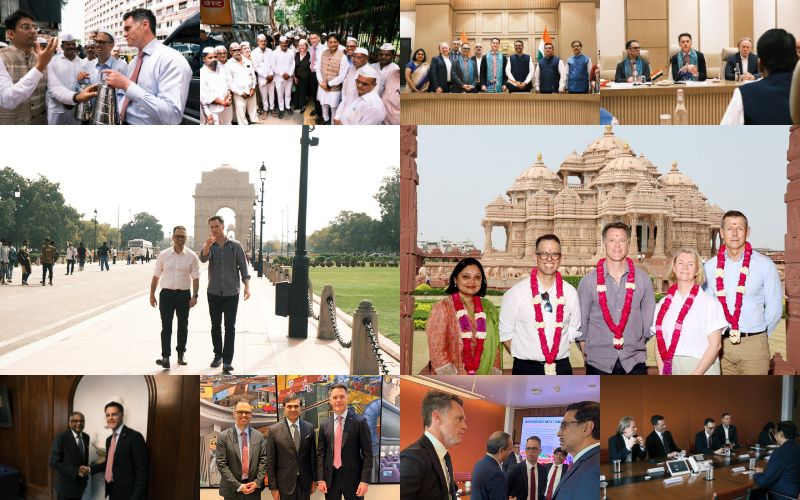
Beginning in New Delhi on Monday, 31 August 2026, and continuing to Mumbai, the mission produced new institutional agreements, education opportunities and business partnerships while promoting New South Wales as a destination for Indian investment, students, visitors and film productions.
Major outcomes included progress towards Western Sydney University opening its Greater Noida campus in 2027, an artificial intelligence collaboration involving NSW-developed traffic technology, the renewal of the NSW-Maharashtra sister-state agreement, new university scholarships, screen-production commitments and a partnership taking NSW electric-boat technology into India.
The delegation also held discussions with Air India and major Indian companies including Mahindra & Mahindra and Tata Group. In Mumbai, the Premier, Mrs Minns and the Treasurer paid tribute to the victims of the 2008 terrorist attacks, including two men from NSW, before continuing the mission’s business, tourism and cultural program.
Western Sydney University expands its presence in India
Education and research were central to the opening day of the mission, with the delegation marking progress towards Western Sydney University welcoming its first students to a new Greater Noida campus in 2027.
Western Sydney University is among the first Australian universities to establish a campus in India. The development will directly connect Western Sydney, one of Australia’s fastest-growing and most diverse regions, with Uttar Pradesh, India’s most populous state.
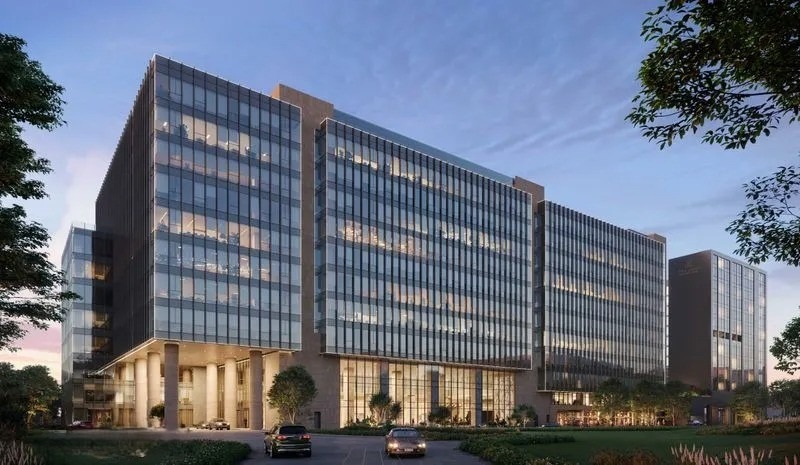
The campus is expected to give Indian students access to an Australian university education closer to home while creating new opportunities for students, academics, researchers, universities and industries in both countries to work together.

Five scholarships were announced for students from Uttar Pradesh, supporting pathways in areas including women’s advancement, business, data, innovation and sustainability.
Western Sydney University also plans to deliver a Master’s program in Sustainable Water Management from 2027, subject to regulatory approval, building on its collaboration with Indian partners through the Australia India Water Centre.
The visit included the unveiling of a commemorative plaque and a ceremonial tree watering connected with the university’s new JalSetu Centre of Excellence in Water Security, Digital Innovation and Community Resilience.
Western Sydney University Vice-Chancellor and President, Distinguished Professor George Williams AO, said the university was committed to expanding opportunities across the two countries.
“Ahead of next year’s opening of our Greater Noida campus, Western Sydney University is pleased to demonstrate our long-standing commitment to India and our ambition to create new opportunities for students, researchers and industry across both countries,” Professor Williams said.
“The new scholarships will help support talented students to pursue advanced studies and contribute as future researchers, innovators and leaders.
“We are proud to work alongside partners in NSW and India to expand access to high-quality education and strengthen collaboration in research, innovation and sustainability, including through our new JalSetu Centre of Excellence in Water Security, Digital Innovation and Community Resilience.”
NSW traffic technology enters new AI collaboration
Technology emerged as another significant area of cooperation through a Memorandum of Understanding involving Transport for NSW’s Sydney Coordinated Adaptive Traffic System, known as SCATS, and global technology company HCLTech.
The collaboration will explore how artificial intelligence and local languages can make SCATS traffic information more accessible and useful for Indian cities.
Developed in NSW, SCATS is already used internationally to manage and optimise traffic flows. According to the NSW Government, the collaboration could support further SCATS sales in India and generate additional revenue from NSW-owned technology.
The outcome provides a practical example of NSW expertise being adapted for India’s rapidly growing and linguistically diverse urban centres.
Critical minerals and investment in focus
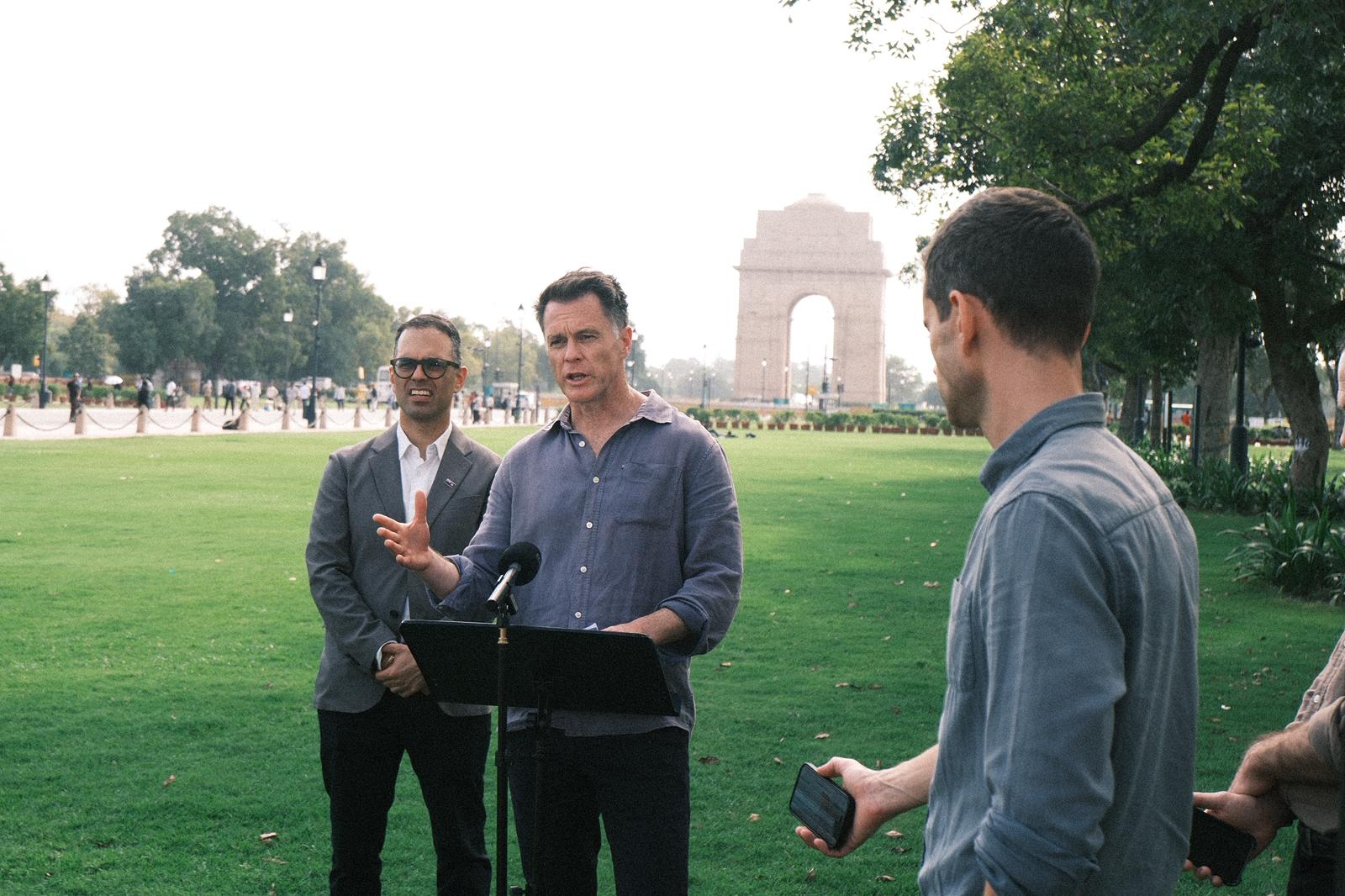
During meetings in New Delhi, Minns and Mookhey held discussions with senior representatives of Indian resource companies including NMDC, NTPC Mining, Hindustan Copper Limited and Coal India.
The talks focused on India’s growing demand for critical minerals as it expands its manufacturing sector and transitions towards new industries. The NSW delegation promoted the state’s mineral resources, technical capabilities, workplace safety standards and investment opportunities.
The government’s case was that NSW could both supply resources required by India and provide opportunities for Indian companies seeking to invest in Australian critical-minerals projects.
High-level political discussions during the mission also included meetings with India’s Union Commerce and Industry Minister Piyush Goyal and Gujarat Chief Minister Bhupendra Patel.
Fourteen NSW food, beverage and consumer brands were introduced to Indian importers and distributors, providing local producers with opportunities to enter one of the world’s largest consumer markets.
According to figures provided by the NSW Government, NSW and India traded $6.87 billion worth of goods in 2024-25. More than 28,000 Indian students studied in NSW in 2025, while 174,000 visitors from India travelled to NSW in the year to March 2026.
“India is growing quickly and we want NSW businesses and workers to benefit from that growth. That’s why we’re here,” Mr Minns said.
Treasurer Mookhey said the mission was intended to create new pathways for investment, trade and collaboration that could support jobs and economic growth in NSW.
Mahindra, Tata and JSW explore greater NSW engagement
The Mumbai program included discussions with Mahindra & Mahindra, Tata Group and JSW Group, two major Indian companies with established interests in Australia.
According to information provided by the Premier’s Office, Mahindra expressed interest in expanding its engagement with NSW, particularly across electric vehicles, battery technology, agricultural technology and advanced manufacturing.
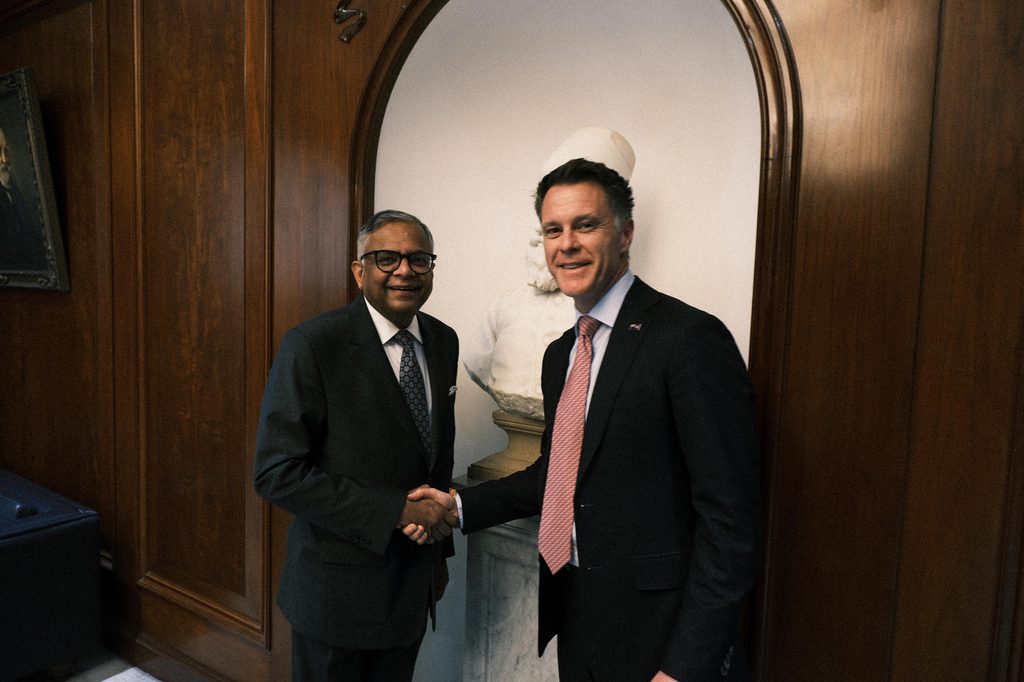
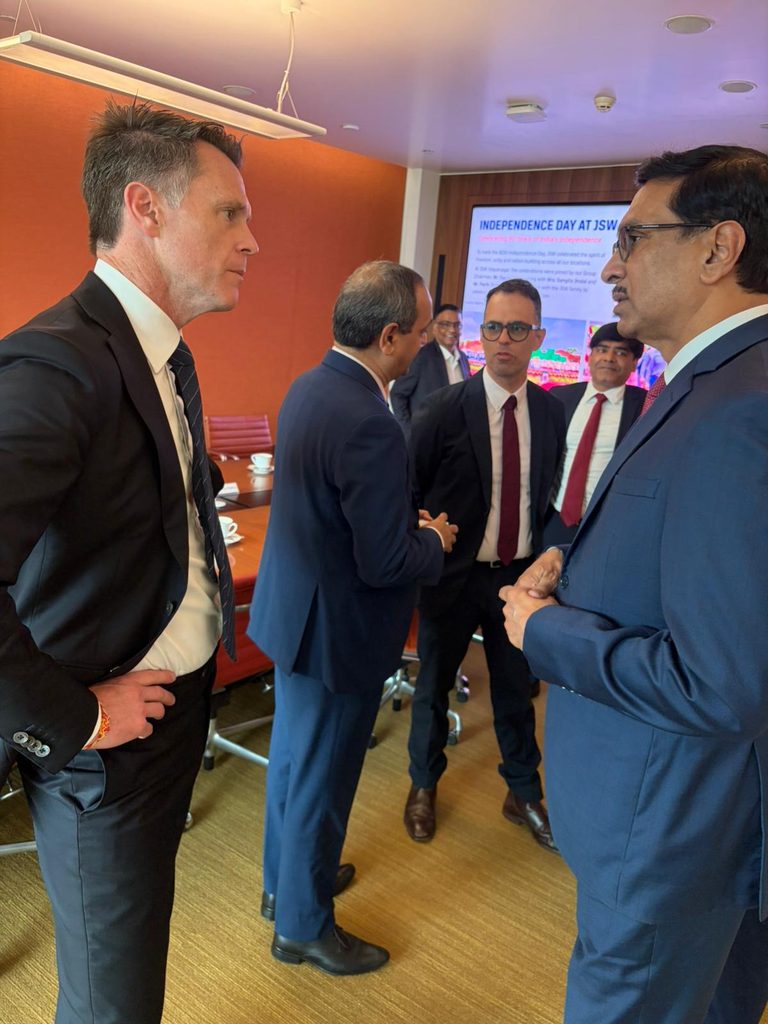
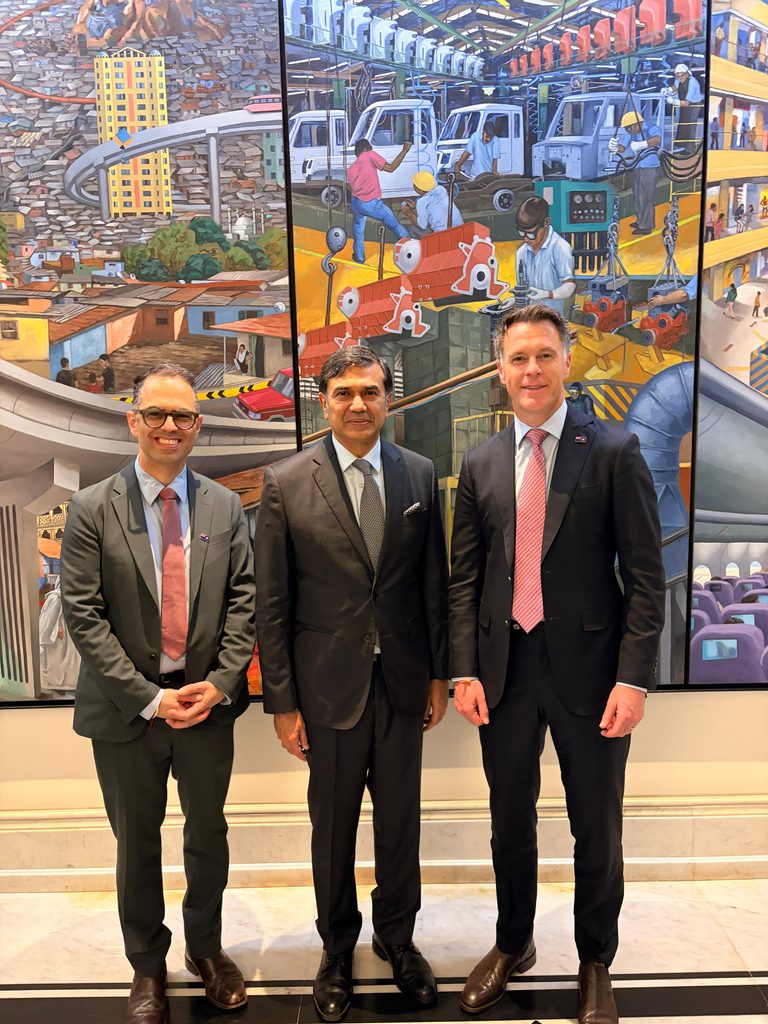
The discussions examined opportunities to connect Mahindra with NSW businesses, universities, researchers and start-ups.
Tata Group expressed interest in NSW’s technology and research capabilities, particularly in quantum technology, space, advanced materials and semiconductors. The parties also discussed critical minerals, aviation and Tata’s interest in a potential hotel in Sydney.
These discussions formed part of the government’s attempt to turn growing political and community links with India into investment, commercial partnerships and employment opportunities in NSW.
Air India discussions raise prospects for additional services
Minns and Mookhey also met senior Air India representatives as NSW seeks more direct aviation connections with India and continues promoting Western Sydney International Airport.
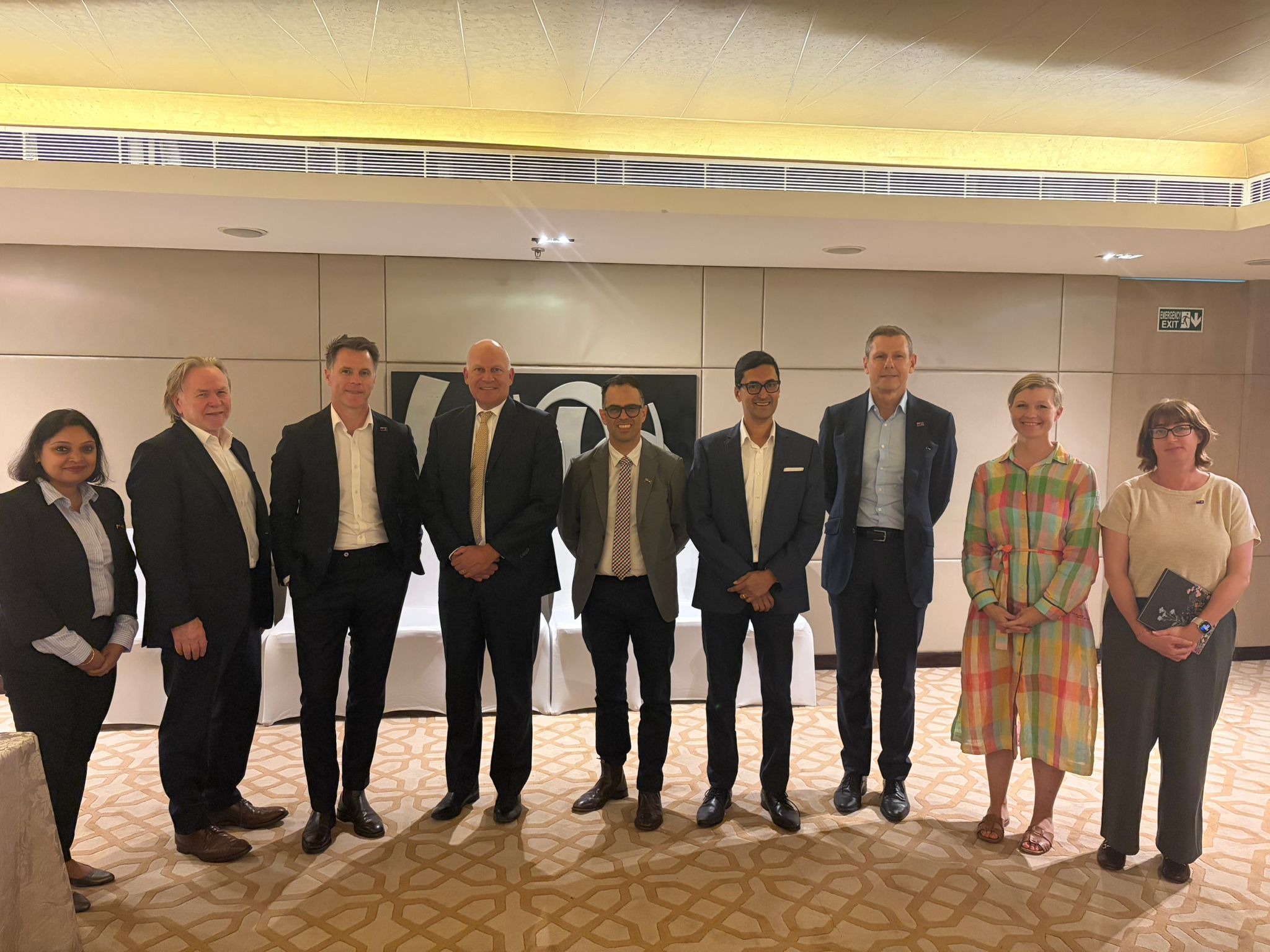
According to the Premier’s Office, Air India is looking to expand its Australian services, with aircraft availability identified as the main constraint affecting the timing. The discussions were characterised as a question of when, rather than if, additional services would be introduced.
However, no formal announcement has been made confirming an Air India service to Western Sydney International Airport. A direct Western Sydney-India route therefore remains an objective being pursued by the NSW Government rather than a confirmed connection.
Air India already operates non-stop services between Sydney and Delhi, demonstrating an established market for direct travel. The NSW Government believes Western Sydney’s large Indian community could provide a strong passenger base for additional services alongside tourists, students and business travellers.
Western Sydney International Airport is expected to begin passenger operations in October 2026. A future direct Indian service could improve travel for families while supporting tourism, education, trade and investment across both markets.
New opportunities for film production in Australia
The mission also delivered outcomes for the screen and creative industries, with Nadiadwala Grandson Entertainment planning to film three upcoming productions in Australia.
The productions include Heyy Baby 2, following the original film’s Australian connection. The partnership is being progressed through Sydney-based TEMPLE and is expected to create opportunities for NSW screen businesses, local production crews and suppliers while encouraging more Indian productions to consider NSW.
Another film announcement was The Indian Cowboy, a new Australia-India feature inspired by Indian country musician Bobby Cash, whose international career gained momentum following appearances at the Tamworth Country Music Festival.
The project brings together Australian and Indian filmmakers and is led by Sydney-based producer and director Anupam Sharma, with Victoria McIntyre Wharfe as writer and Satish Sharma as co-producer from India.
Jaipur Literature Festival coming to Western Sydney
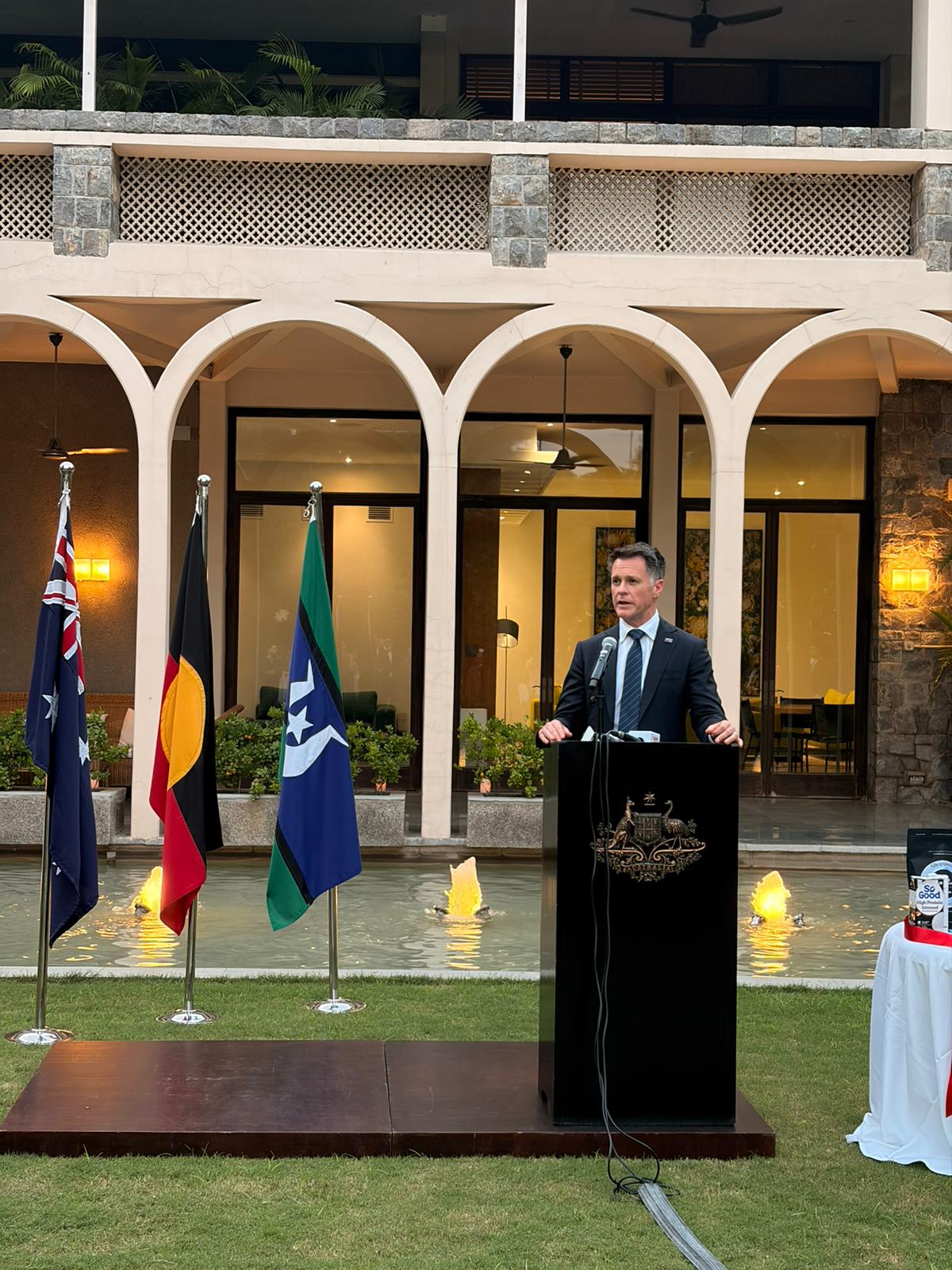
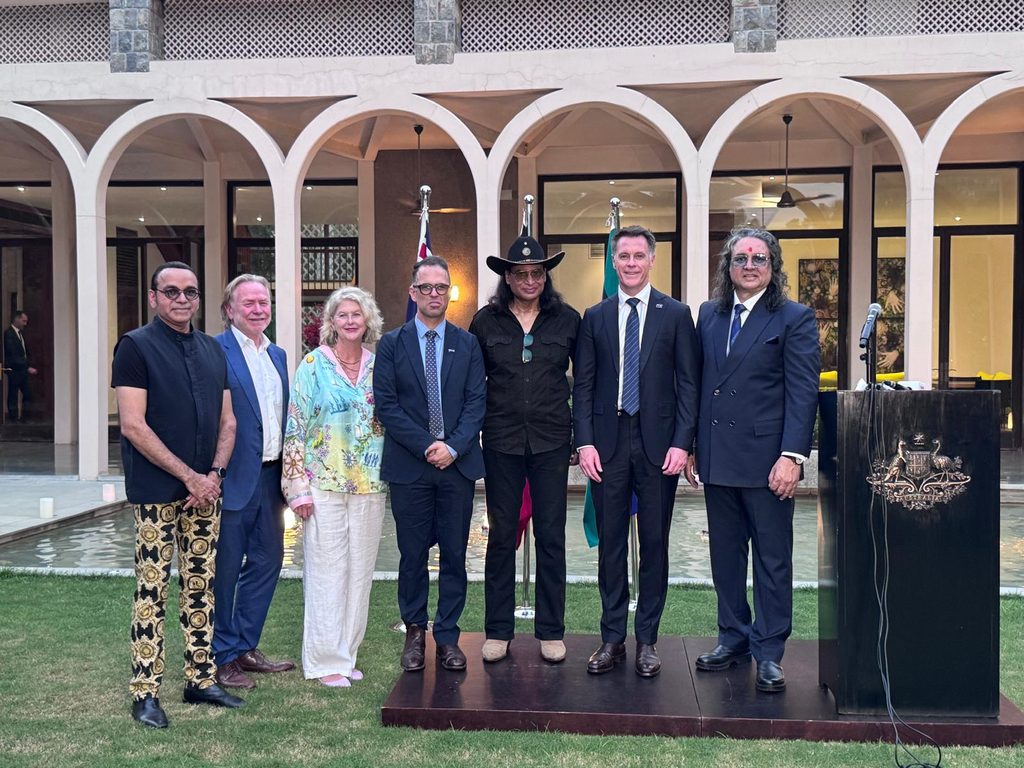
At a reception hosted by Australian High Commissioner to India Philip Green OAM, the NSW Government announced that the internationally recognised Jaipur Literature Festival would be staged at Powerhouse Parramatta in August 2027.
The festival is expected to bring writers, thinkers and cultural figures from India, Australia and other parts of the world to Western Sydney.
Bringing the festival to Parramatta adds an important cultural dimension to the NSW-India relationship and places Western Sydney’s diverse communities at the centre of a major international literary event.
Scholarships connect students in Delhi and Mumbai with Sydney
Alongside the Western Sydney University announcements, the mission highlighted education pathways connecting young people in India with NSW institutions.
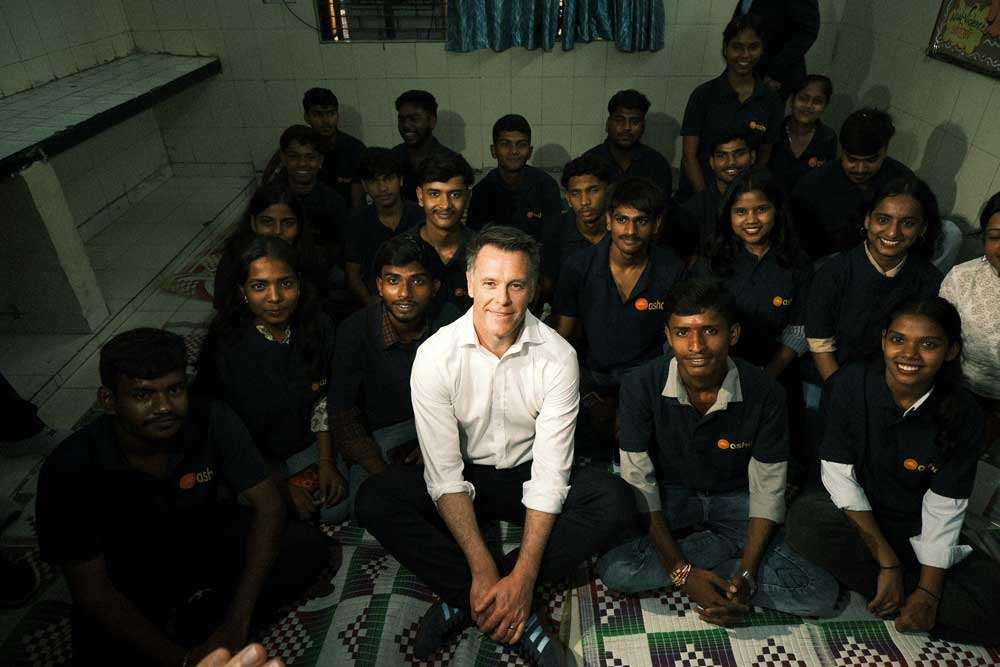
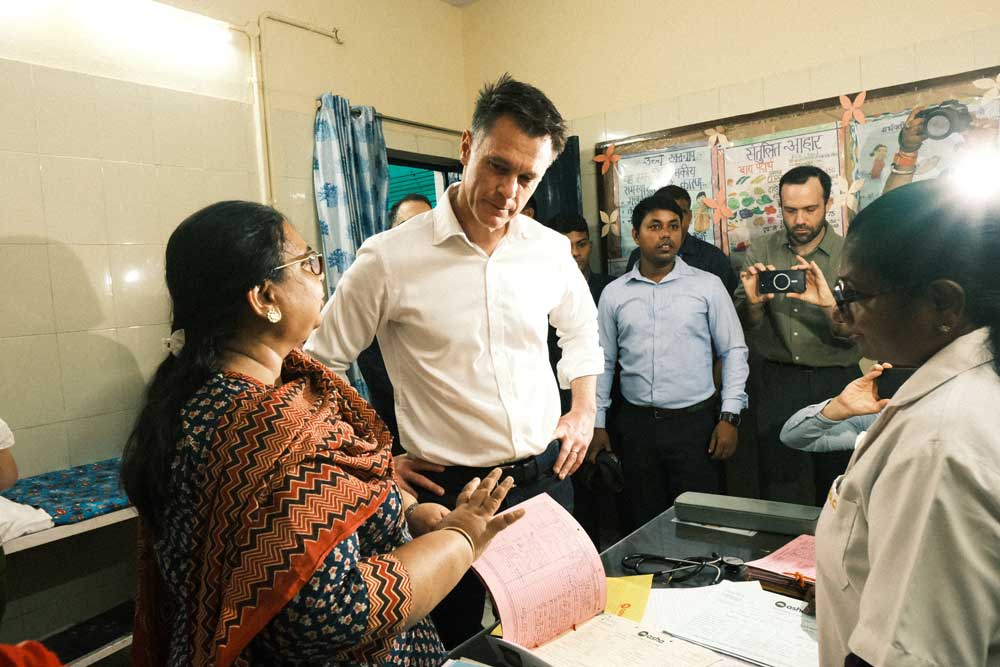
During a visit to Asha in New Delhi, the Premier and Treasurer met children, families, staff and volunteers supported by the organisation, which works across more than 100 Delhi communities in healthcare, education, women’s empowerment, housing and financial inclusion.
Among those they met was Madhu, who is expected to travel to Sydney in 2027 on a scholarship to undertake a Master of Public Health at the University of Sydney. Asha has established NSW connections through the University of Sydney and the Sydney-based Friends of Asha Australia.
In Mumbai, Sana Hussain Shaikh was announced as the first scholar under the University of Sydney-Aseema partnership. She will receive a fully funded scholarship worth more than $100,000 to undertake a Master of Computer Science in Sydney.
The two initiatives demonstrate how institutional partnerships can translate the broader NSW-India relationship into direct educational opportunities for individual students.
NSW electric-boat technology heads to India
A new partnership between Mid North Coast company Steber International and Mumbai-based West Coast Marine will bring Steber’s electric-boat technology to India.
The collaboration represents a practical export outcome for a regional NSW business and opens a pathway for locally developed clean maritime technology to enter the Indian market.
It also reflects the mission’s broader focus on connecting NSW innovation with Indian businesses and industries seeking technology, sustainability and advanced-manufacturing solutions.
Community and cultural ties remain central
Alongside its government and business program, the delegation visited Gurudwara Bangla Sahib and Swaminarayan Akshardham Temple in New Delhi, reflecting NSW’s strong connections with Sikh and Hindu communities.
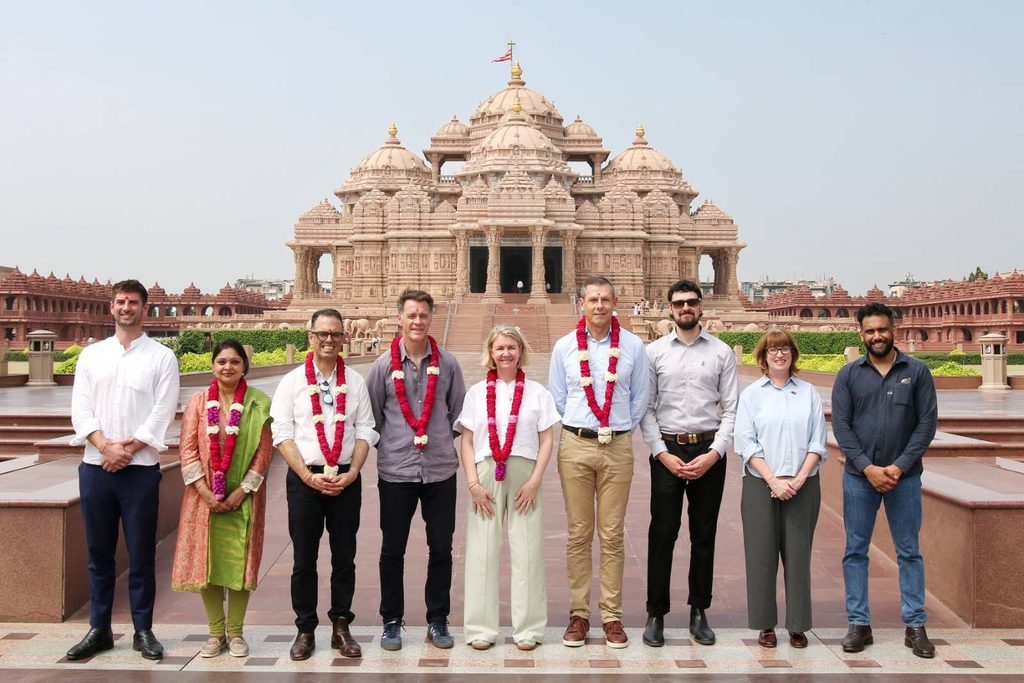
The Premier and Treasurer met volunteers at Gurudwara Bangla Sahib involved in preparing free meals for people in need, while their visit to Akshardham recognised the longstanding cultural and spiritual links connecting India with communities across NSW.
More than 200,000 Indian-born people now call NSW home, forming an important bridge between the two economies through family, education, culture, business and professional networks.
Premier Minns said these community relationships gave NSW a significant advantage as it sought closer engagement with India.
“We also start with an enormous advantage in the more than 200,000 Indian-born people who call NSW home,” Mr Minns said.
“They understand this market and have family, cultural and business connections that other economies would love to have.”
Mr Mookhey also reflected on the personal significance of the mission and the contribution of the Indian diaspora.
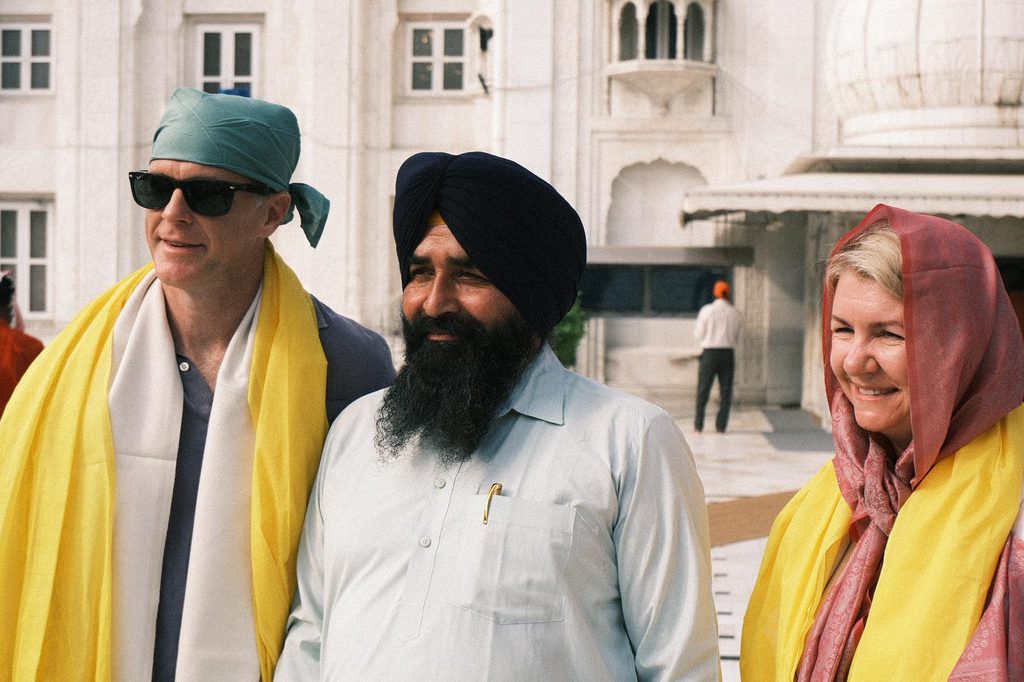
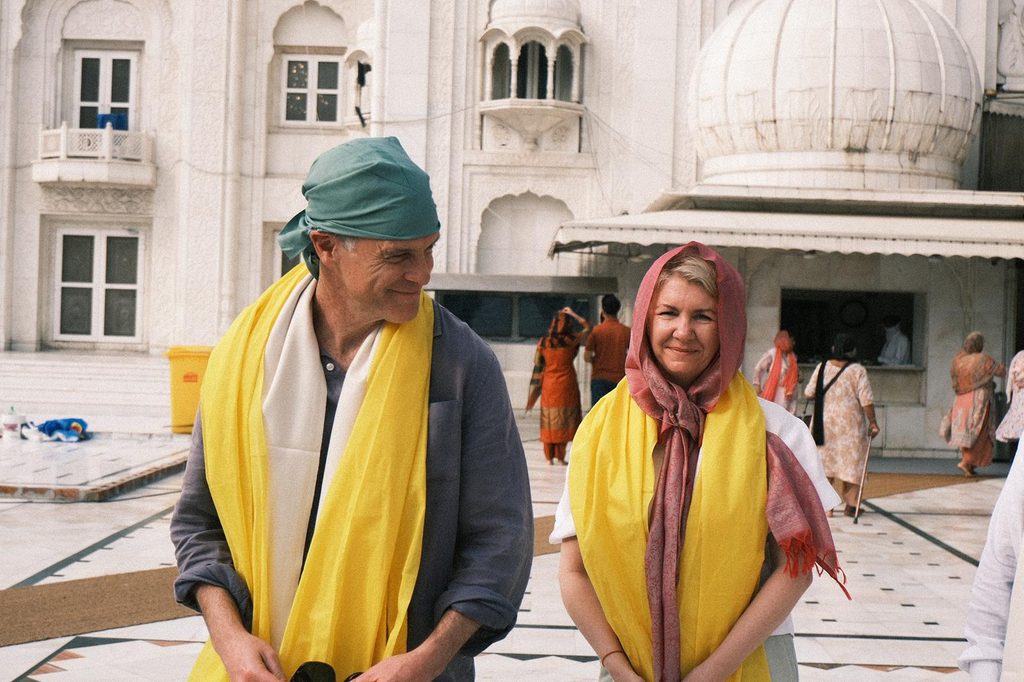
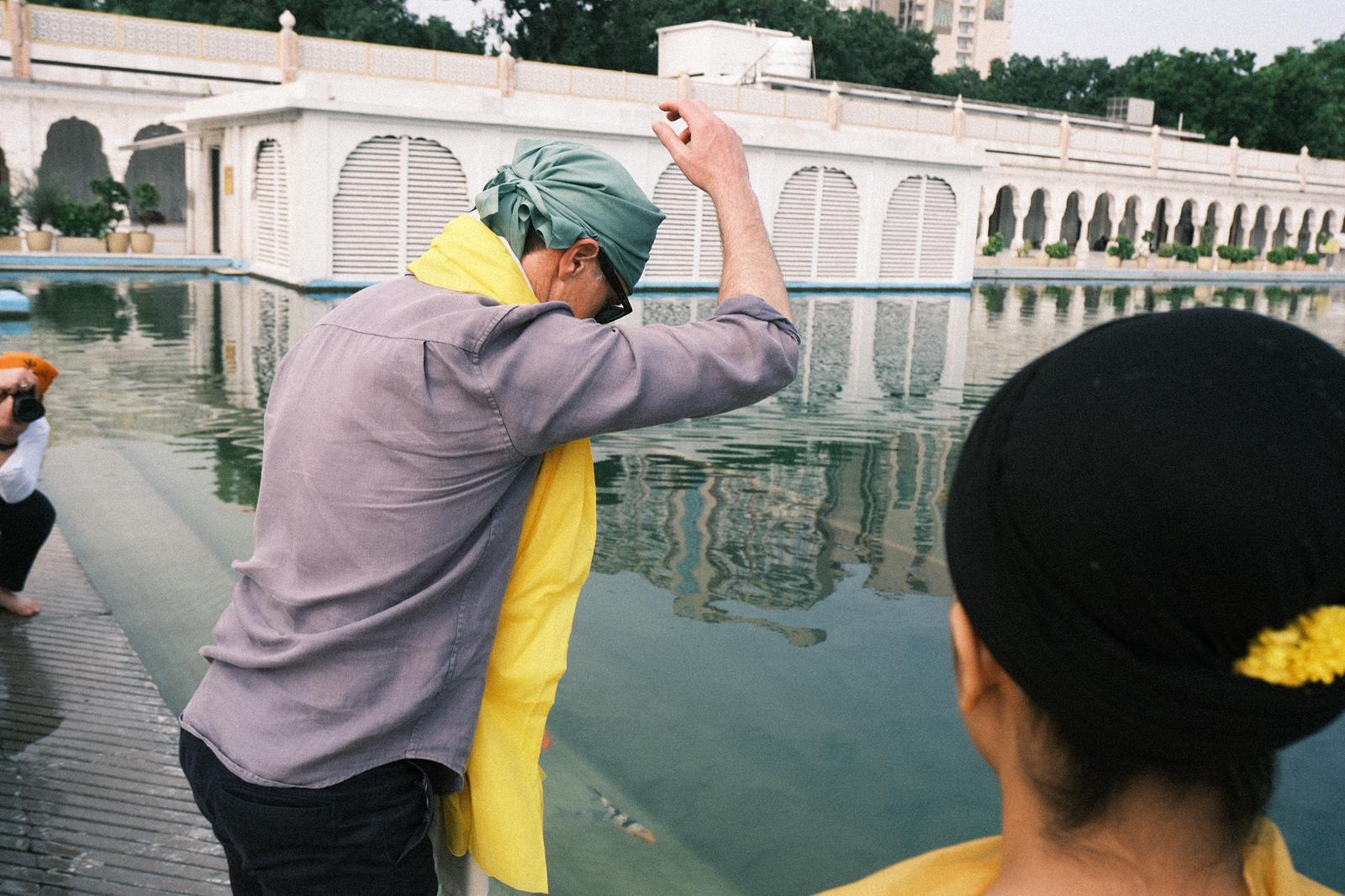
“As someone whose family heritage is Indian, I know first-hand the importance of the connections that unite our communities across education, business, culture and sport,” Mr Mookhey said.
Mumbai program begins with tribute to attack victims
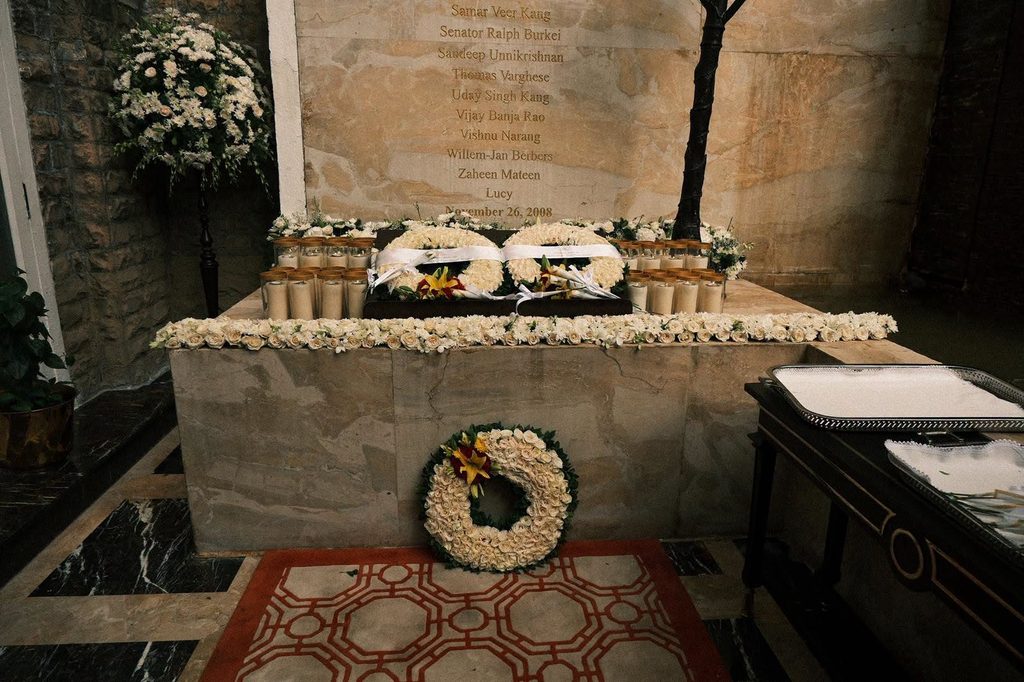
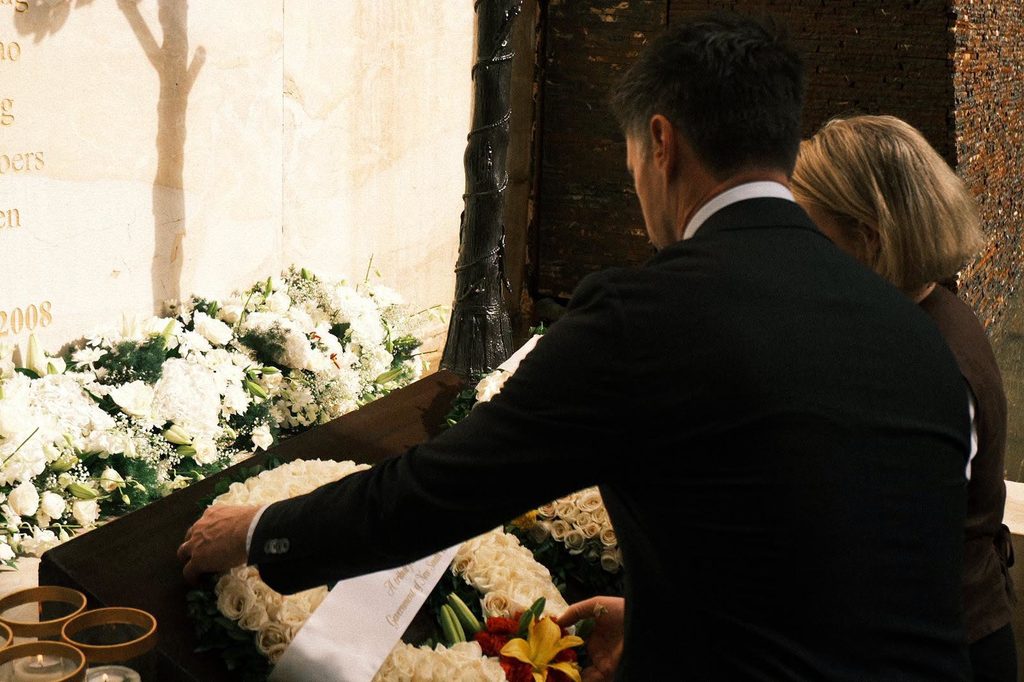
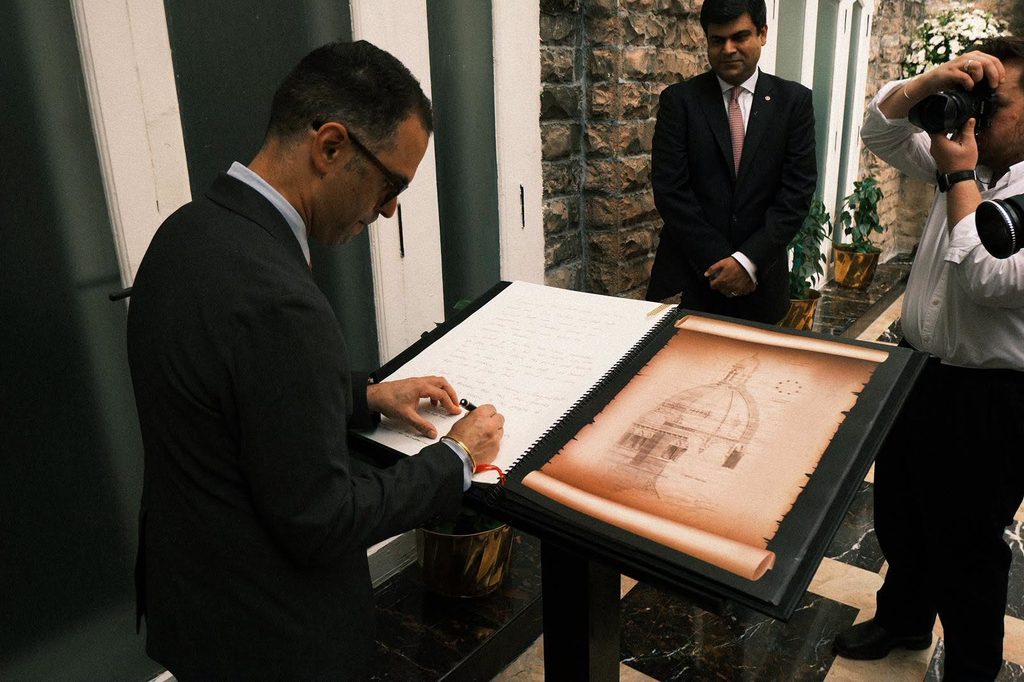
The delegation began its Mumbai program with a solemn tribute to the victims of the 2008 Mumbai terrorist attacks.
Premier Minns, Mrs Minns and Treasurer Mookhey visited the permanent memorial inside the Taj Mahal Palace Hotel, where they laid wreaths and signed the memorial book in remembrance of those who lost their lives.
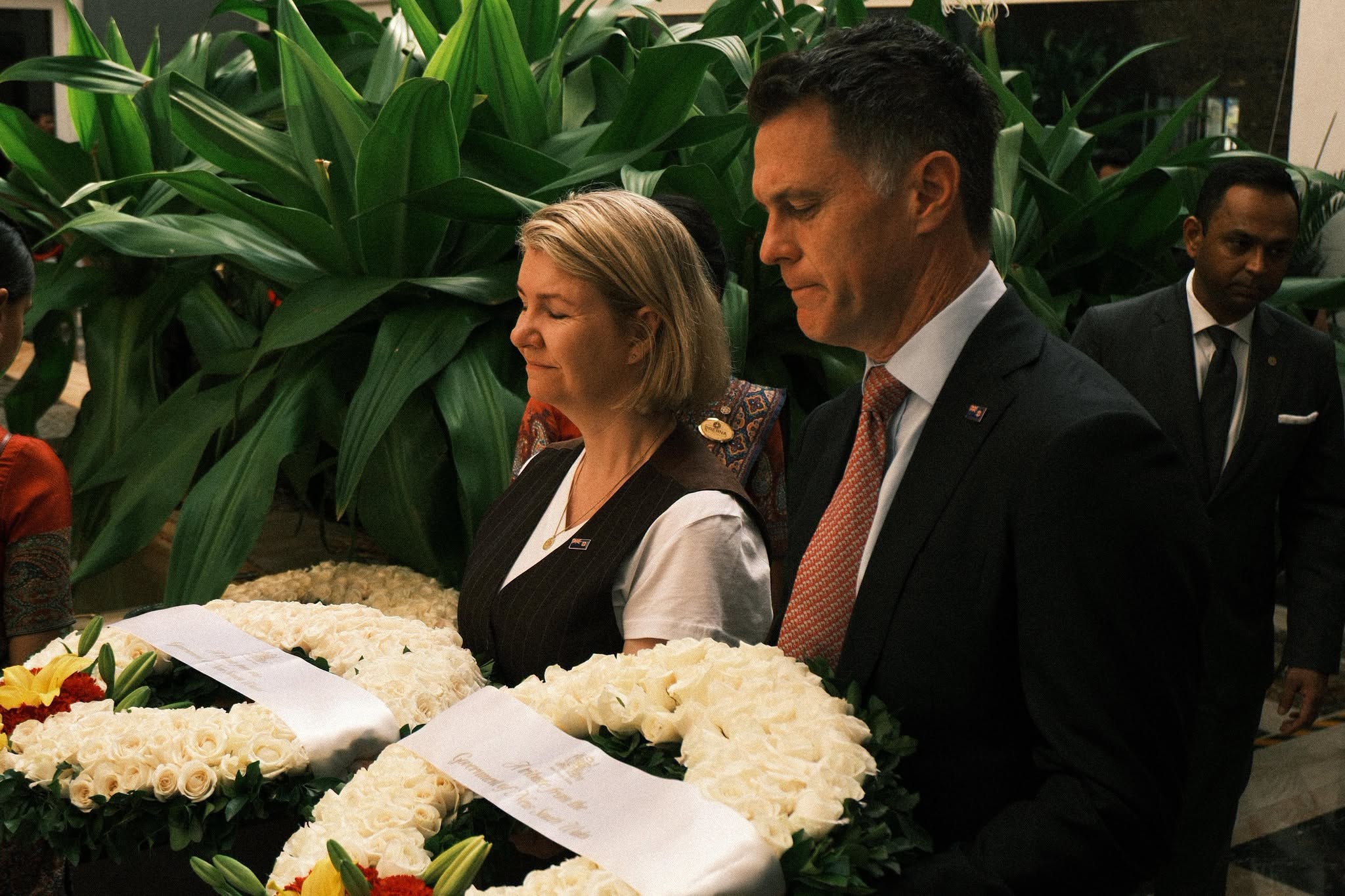
The attacks, carried out across Mumbai from 26 to 29 November 2008, killed 166 people and injured more than 600.
Among the victims were two Australians from NSW, Doug Markell and Brett Taylor. Markell was killed at the Taj Mahal Palace Hotel, while Taylor died following the attack at the Oberoi-Trident Hotel. Taylor had been visiting India as part of a NSW Government trade delegation at the time.
The memorial visit recognised both the scale of the tragedy in India and its lasting impact on families and communities in NSW.
Following the tribute, the delegation continued its economic and tourism program, including a roundtable and reception with aviation, travel and industry representatives. Discussions focused on attracting more Indian visitors and students to NSW, understanding barriers to growth and identifying actions government and industry could take together.
The delegation also met members of Mumbai’s famous Dabbawala network, whose workers collect and deliver thousands of home-cooked meals across the city.
Treasurer Mookhey and Mrs Minns explored Mumbai’s regional food traditions with chef and The Locavore founder Thomas Zacharias. The Locavore has partnered with Sydney’s Powerhouse on Setting the Table, a project examining contemporary Indian food culture and its wider significance.
NSW and Maharashtra renew sister-state partnership
A central outcome of the Mumbai program was the renewal of the sister-state agreement between NSW and Maharashtra.
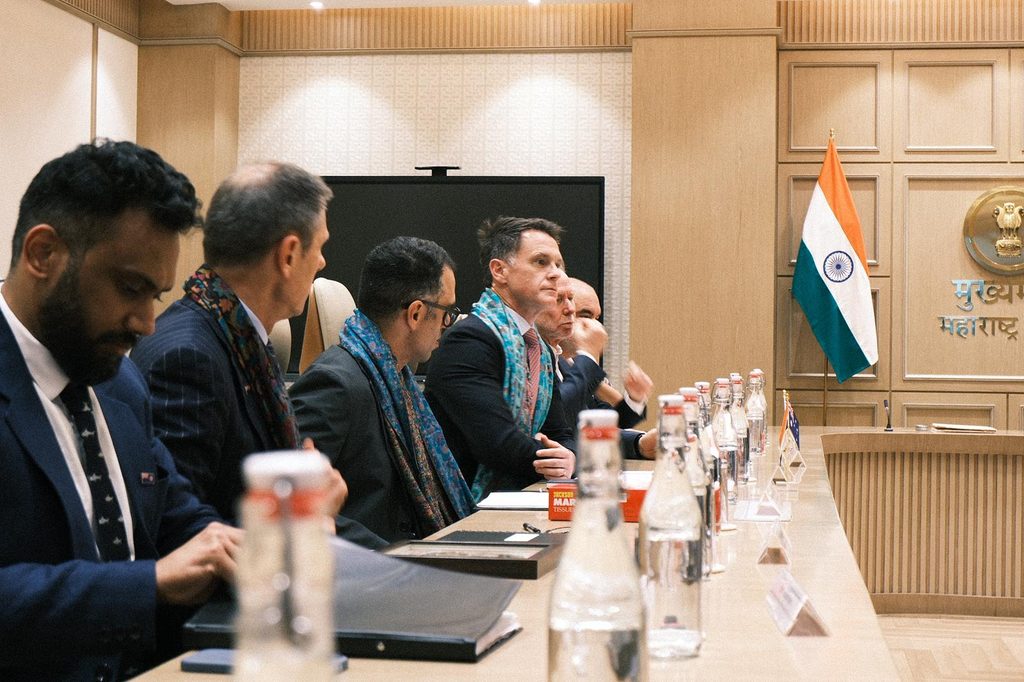
Premier Minns and Maharashtra Chief Minister Devendra Fadnavis signed the renewed agreement to expand cooperation across clean energy, advanced manufacturing, technology, critical minerals, education and skills.
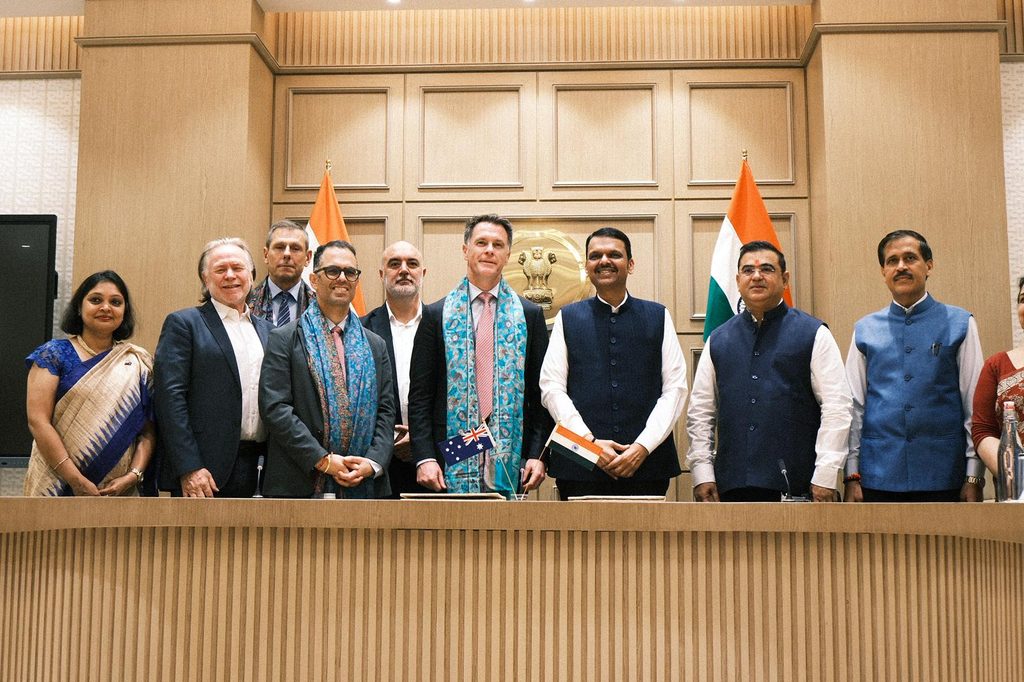
The relationship has developed over more than a decade, with previous cooperation involving vocational education, water management, cultural exchanges and business engagement.
“NSW and Maharashtra have built a strong relationship over more than a decade, and today we agreed there’s an opportunity to do much more together,” Mr Minns said.
“We share ambitions in some of the industries that will shape the next generation of jobs in technology, clean energy, critical minerals, advanced manufacturing and education.”
Mr Fadnavis said the renewed agreement marked a more ambitious phase in the relationship.
“Maharashtra and New South Wales have built a strong partnership over more than a decade. Today, we are renewing it with greater ambition for the future,” he said.
Importantly, the agreement includes a mechanism intended to turn its commitments into practical action. A NSW-Maharashtra Joint Working Group will be established to drive cooperation and identify opportunities across the nominated sectors.
The group is expected to meet within 90 days of the agreement being signed and report annually on its progress, providing an accountability framework for delivering practical outcomes.
As the home of Mumbai and one of India’s largest financial, commercial, technology and manufacturing ecosystems, Maharashtra is an important partner for NSW businesses seeking to enter or expand within India.
Turning four days of engagement into lasting outcomes
Across four days in New Delhi and Mumbai, the NSW mission brought together education, technology, critical minerals, aviation, tourism, literature, film, clean transport and community engagement.
The visit produced formal agreements and identifiable next steps, including the NSW-Maharashtra Joint Working Group, the SCATS-vHCLTech collaboration, education scholarships, planned Australian film productions and the Steber International partnership.
For NSW’s Indian-Australian community, the mission also carries significance beyond government and commerce. It connects the state where more than 200,000 Indian-born people live, work and raise their families with a country to which many retain strong personal, cultural and professional ties.
The next test will be whether the announcements, discussions and renewed partnerships lead to sustained investment, expanded air services, new jobs, stronger research and education links, and measurable opportunities for communities and businesses in both NSW and India.