Nurses and midwives across New South Wales have welcomed significant new wage funding and pay increases, but union leaders say major workforce challenges continue to threaten the long-term sustainability of the state’s health system. The concerns come despite what has been described as one of the largest pay rises for NSW nurses and midwives in decades.
The Minns Labor Government has committed billions of dollars towards healthcare as part of its latest budget and industrial relations reforms. This includes a landmark wage outcome delivered through the NSW Industrial Relations Commission, which awarded pay increases ranging from 16 per cent to 28 per cent over three years for public sector nurses and midwives. Registered nurses and midwives will receive a 16 per cent increase, enrolled nurses 18 per cent, and assistants in nursing 28 per cent.
NSW Premier Chris Minns has previously described healthcare workers as essential to the state’s future, while Treasurer Daniel Mookhey and Health Minister Ryan Park have highlighted the government’s record investment in health services, workforce recruitment and infrastructure. The recent NSW Budget includes a $10.3 billion healthcare investment package and funding to recruit thousands of additional healthcare workers over the coming years.
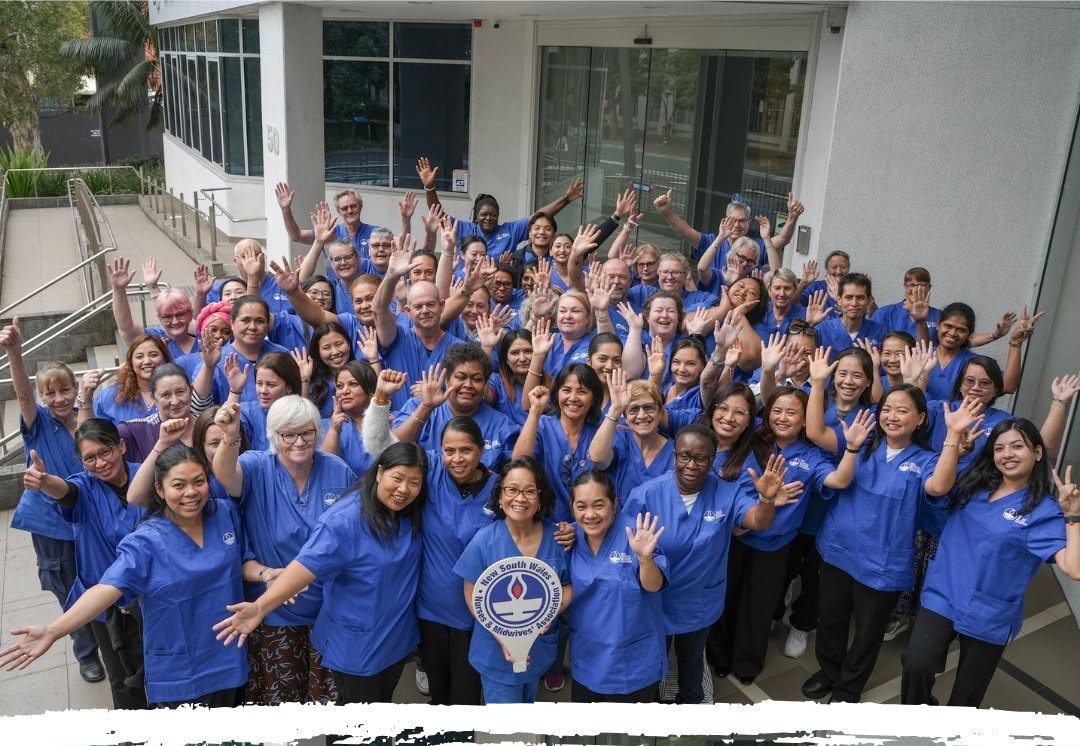
While nurses have welcomed the additional funding, the NSW Nurses and Midwives’ Association (NSWNMA) says the wage outcome does not fully address deeper workforce issues that have developed over many years. Union leaders argue that recruitment and retention remain among the biggest challenges facing the profession.
NSWNMA General Secretary Michael Whaites described the wage decision as historic but said further reform is still required. He noted that while enrolled nurses and assistants in nursing received strong recognition through the ruling, registered nurses and midwives continue to face pay disparities that affect the sector’s ability to attract and retain experienced staff.
Assistant General Secretary Katrina Bough said workforce shortages remain a serious concern. She warned that while the pay increases provide welcome relief amid rising living costs, they may not be sufficient to attract enough new nurses into the profession or prevent experienced staff from leaving the public health system.
According to the union, NSW continues to face strong competition from other states offering higher wages and improved working conditions. Many nurses have previously relocated interstate or reduced their working hours due to workload pressures, contributing to staffing shortages across hospitals and healthcare facilities.

Healthcare leaders also point to broader challenges including increasing patient demand, workforce burnout, an ageing population and the need for better staff-to-patient ratios. These issues have been amplified in recent years as healthcare systems across Australia continue to recover from pandemic-related pressures and rising service demand.
Minister for Work Health and Safety Sophie Cotsis has previously said the government remains committed to supporting healthcare workers through workplace reforms, improved safety measures and increased investment in frontline services. The government argues that the recent wage decision, combined with broader healthcare funding, represents a significant step towards rebuilding the workforce.
Despite differing views on whether the pay outcome goes far enough, both the government and nursing representatives agree on one point: addressing workforce shortages remains critical for the future of healthcare in New South Wales. With demand for healthcare services continuing to grow, many in the sector believe further action will be needed to ensure hospitals and health services can continue to deliver high-quality care to communities across the state.
For now, nurses and midwives have secured a long-sought pay increase, but the conversation has shifted towards the next challenge — ensuring the profession remains attractive, sustainable and properly resourced for the years ahead.