New Delhi, September 1, 2026: NSW Premier Chris Minns and Treasurer Daniel Mookhey have stepped up efforts to expand the economic relationship between New South Wales and India, with the latest stage of their official visit focused on investment, critical minerals, technology, tourism, education and stronger people-to-people connections.
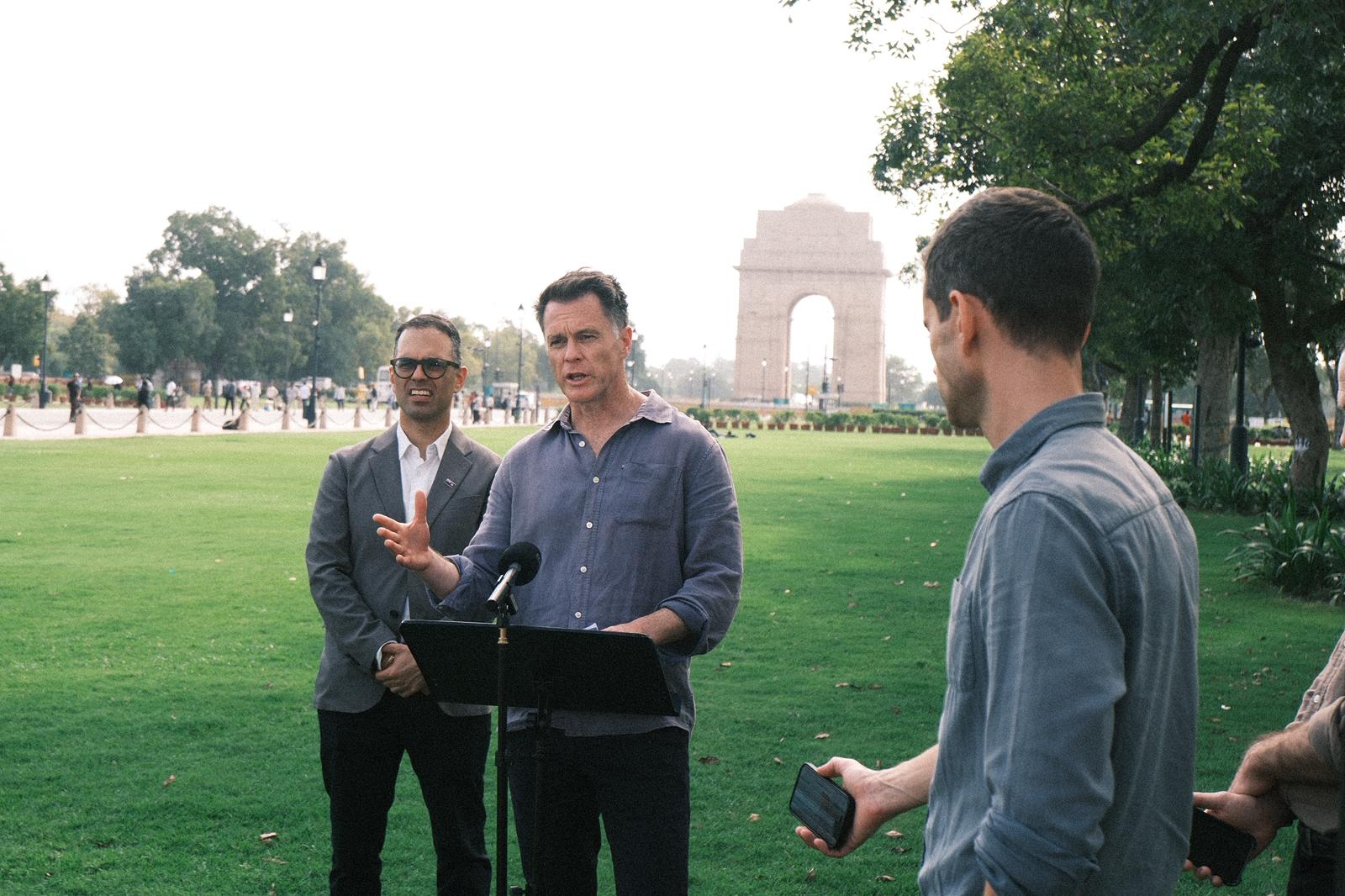
The delegation’s visit comes as NSW looks to secure a greater share of India’s rapidly expanding economy. Government leaders say there is substantial room to increase two-way trade and investment, particularly as Indian companies look overseas for resources, technology and expertise to support the country’s continued industrial and economic growth.
During meetings in New Delhi, Minns and Mookhey held discussions with senior representatives of major Indian resource companies including NMDC, NTPC Mining, Hindustan Copper Limited and Coal India. The talks centred on the potential for Indian investment in NSW’s critical minerals industry and opportunities for NSW businesses to supply resources required by India’s growing manufacturing sector.
The NSW Government highlighted the state’s mineral reserves, established mining capabilities and expertise in technology and resource management as potential advantages for attracting Indian investment. Stable regulatory conditions and workplace safety standards were also presented as part of the proposition for Indian companies considering opportunities in NSW.
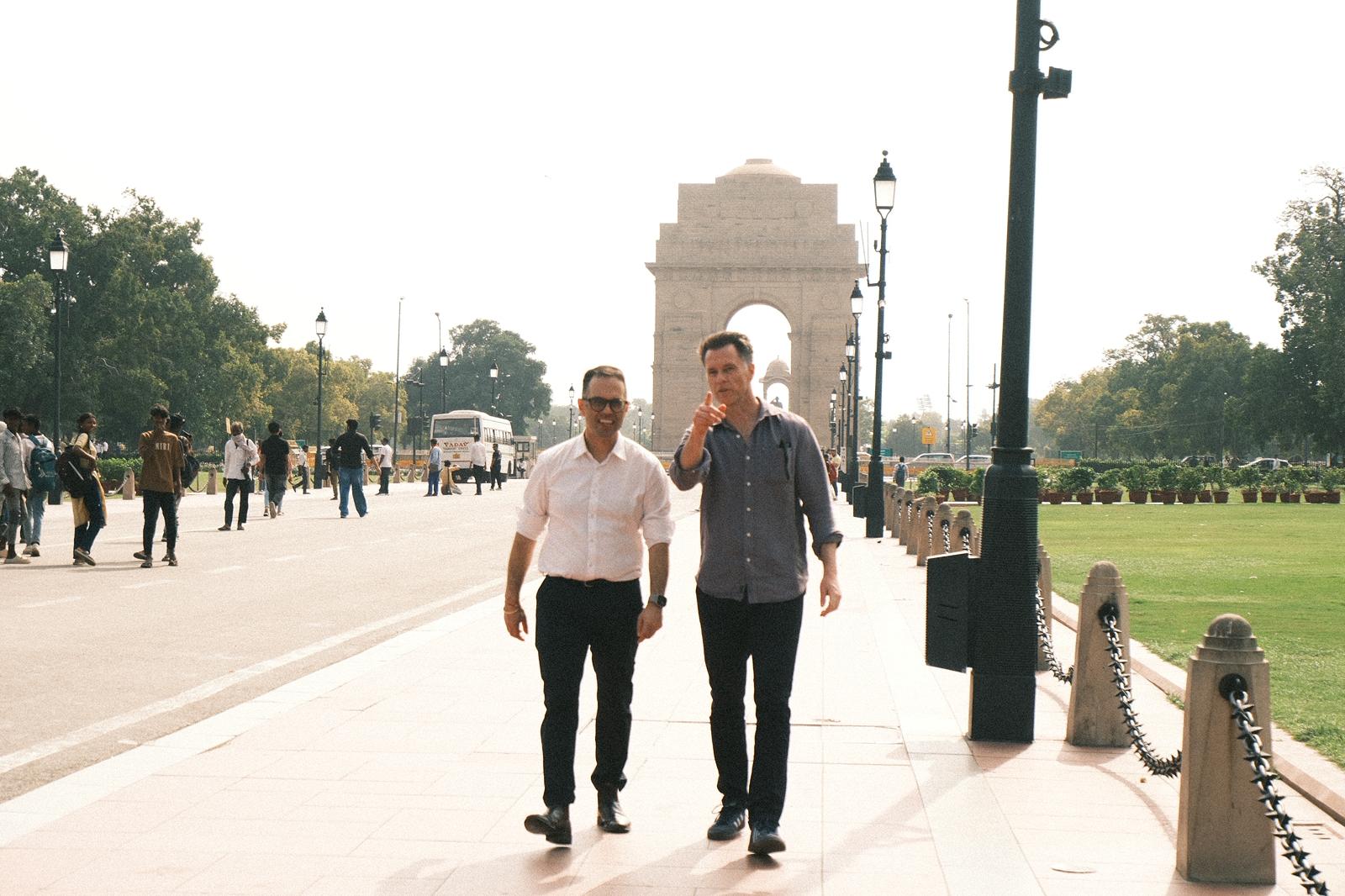
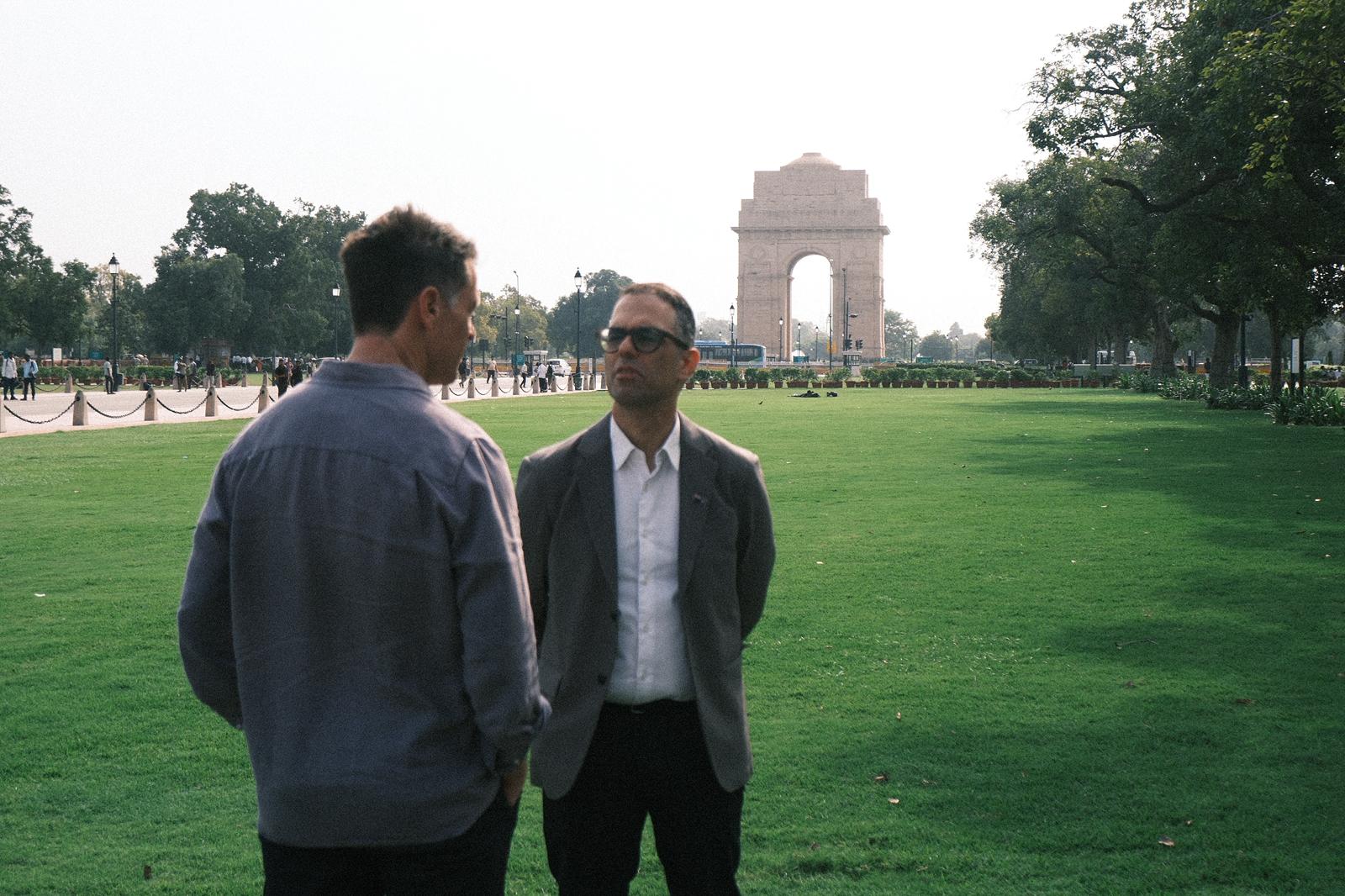
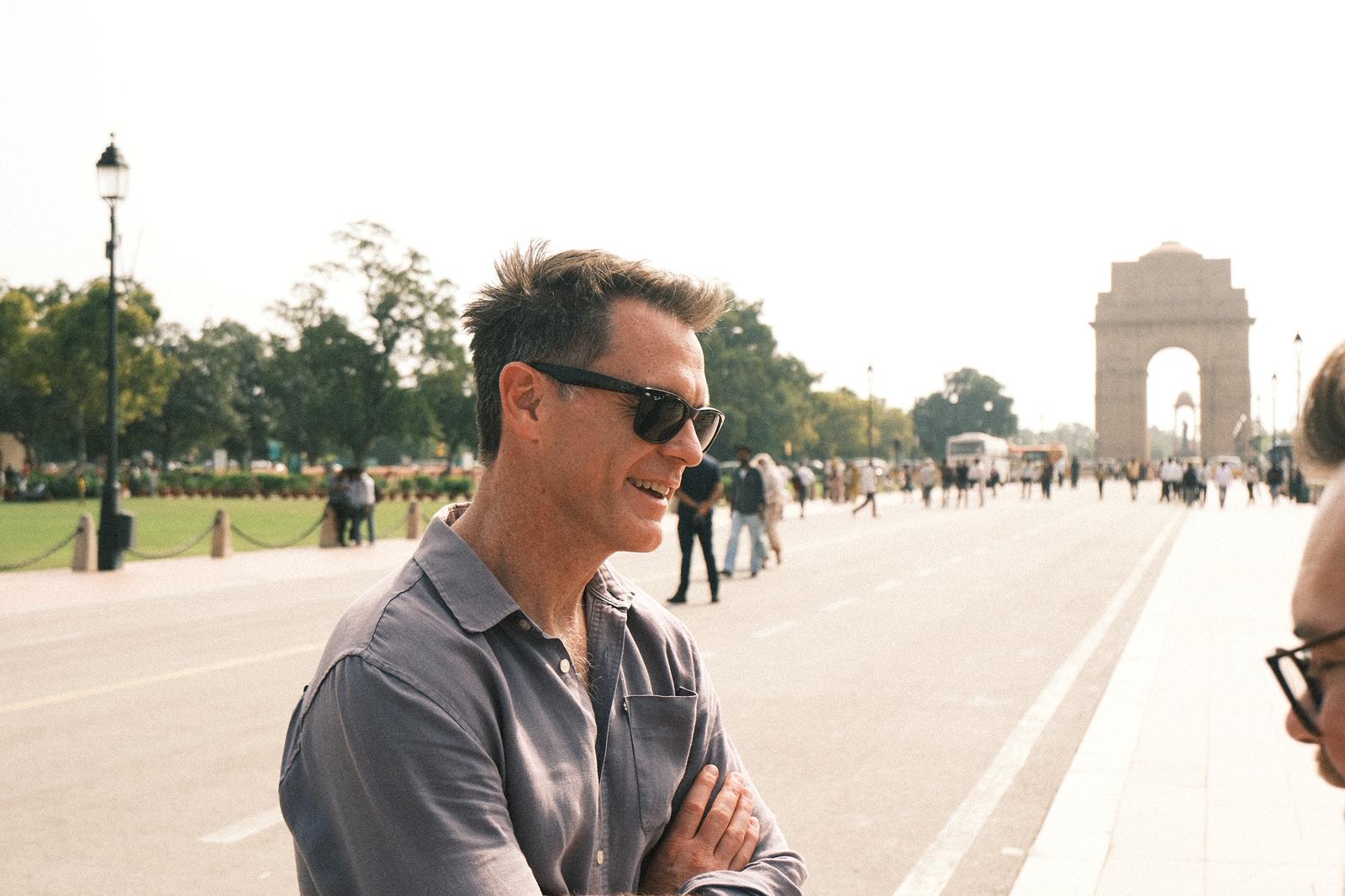
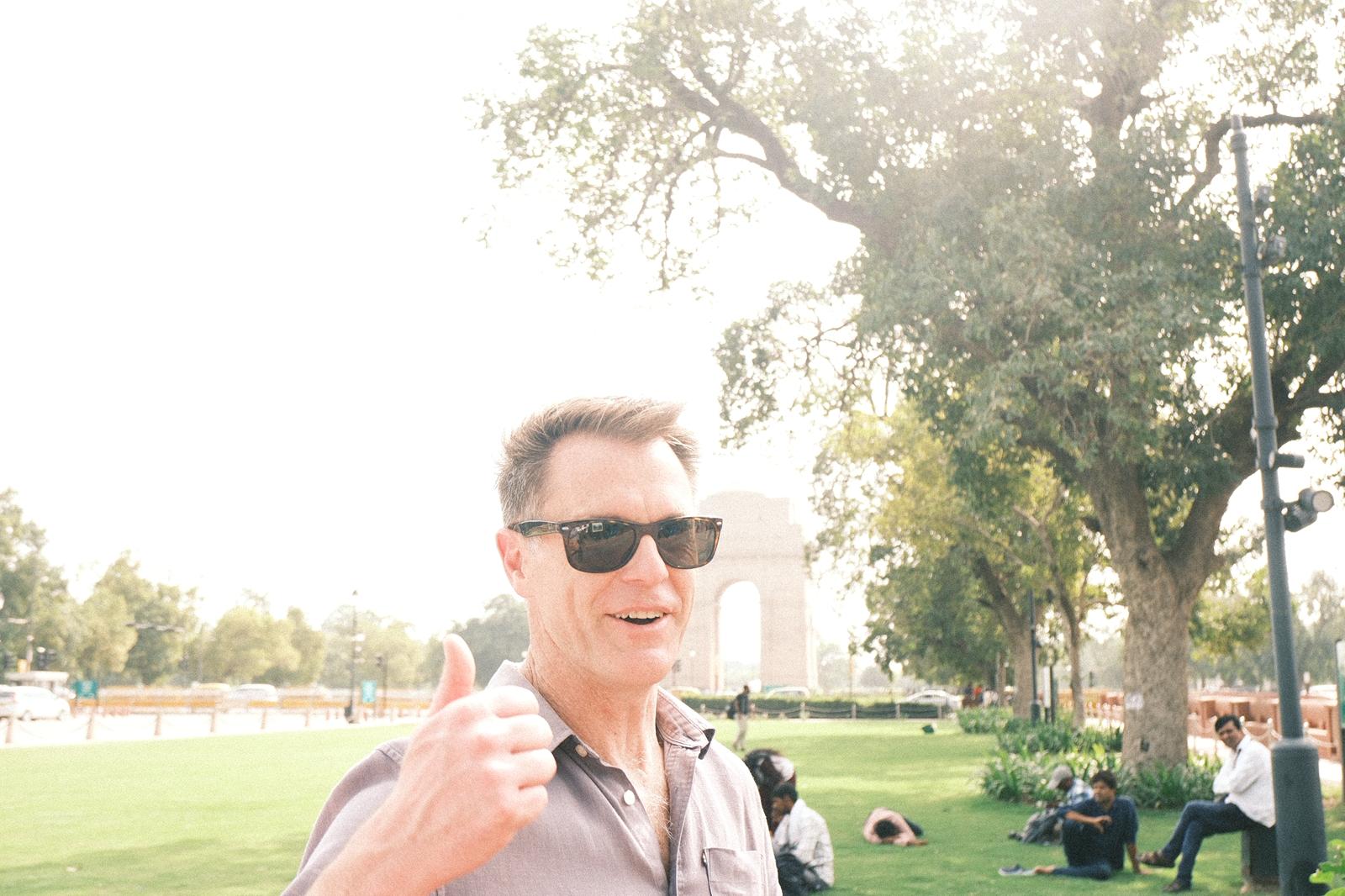
Technology has emerged as another major area of cooperation during the mission. The Premier and Treasurer witnessed an agreement involving Transport for NSW’s Sydney Coordinated Adaptive Traffic System (SCATS) and HCLTech, aimed at exploring how artificial intelligence could make the NSW-developed traffic management technology more accessible across India’s diverse linguistic environment.
SCATS is already used internationally to manage and optimise traffic flows. The proposed collaboration could create further opportunities for the technology to expand across Indian cities, potentially generating additional commercial returns from intellectual property developed and owned in NSW.
The economic discussions followed high-level political meetings on the opening day of the mission, including talks with India’s Union Commerce and Industry Minister Piyush Goyal and Gujarat Chief Minister Bhupendra Patel. These engagements have provided the NSW delegation with an opportunity to promote the state as a destination for Indian capital while also encouraging NSW companies to explore opportunities in the Indian market.

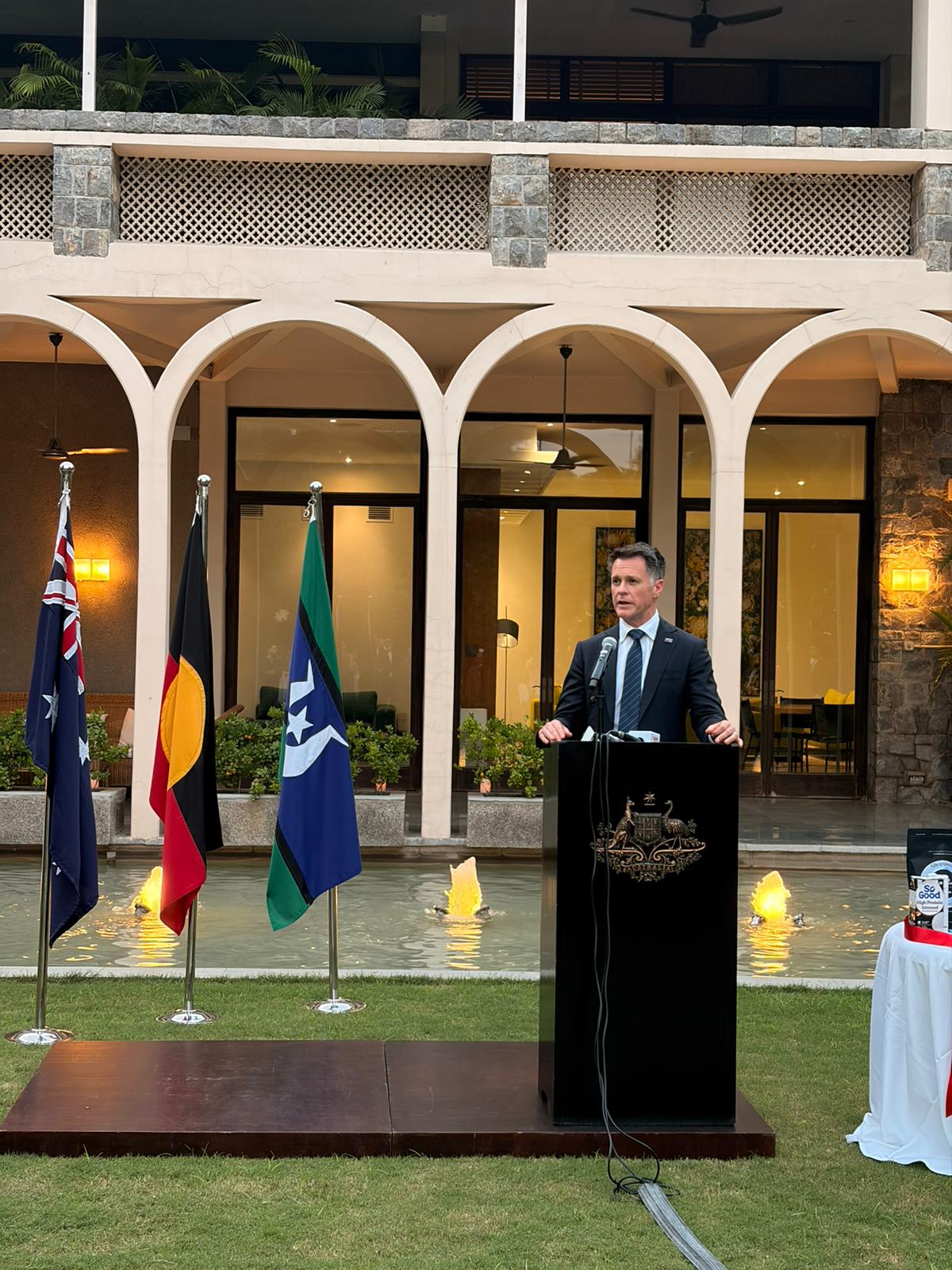
The mission has also produced announcements extending beyond conventional trade and investment. At a reception hosted by Australian High Commissioner to India Philip Green OAM, the NSW Government announced that the internationally recognised Jaipur Literature Festival will be staged at Powerhouse Parramatta in August 2027.
The festival is expected to bring writers, thinkers and cultural figures from India, Australia and other parts of the world to Western Sydney. The announcement adds a cultural dimension to the trade mission and further highlights the growing connections between NSW and India across literature, creativity and the arts.
Fourteen NSW food, beverage and consumer brands have also been introduced to the Indian market as part of the mission. The initiative connects Australian businesses with Indian importers and distributors, giving NSW producers an opportunity to reach consumers in one of the world’s largest and fastest-growing markets.
Film and creative industries are also part of the growing relationship. The delegation announced The Indian Cowboy, a feature film that will be filmed and set in NSW. The project is being produced and directed by NSW filmmaker Anupam Sharma, with Victoria McIntyre Wharfe as writer and Satish Sharma serving as co-producer from India.
The film will tell the story of Bobby Cash, the Indian country music performer whose international career gained momentum after his appearances at the Tamworth Country Music Festival. The project provides another example of the commercial and cultural links being developed between the two countries.
Alongside the formal business program, Minns and Mookhey also visited Gurudwara Bangla Sahib, an important Sikh place of worship in New Delhi. The delegation additionally visited Swaminarayan Akshardham Temple, reflecting the longstanding cultural and community connections between India and the Sikh and Hindu communities across NSW.
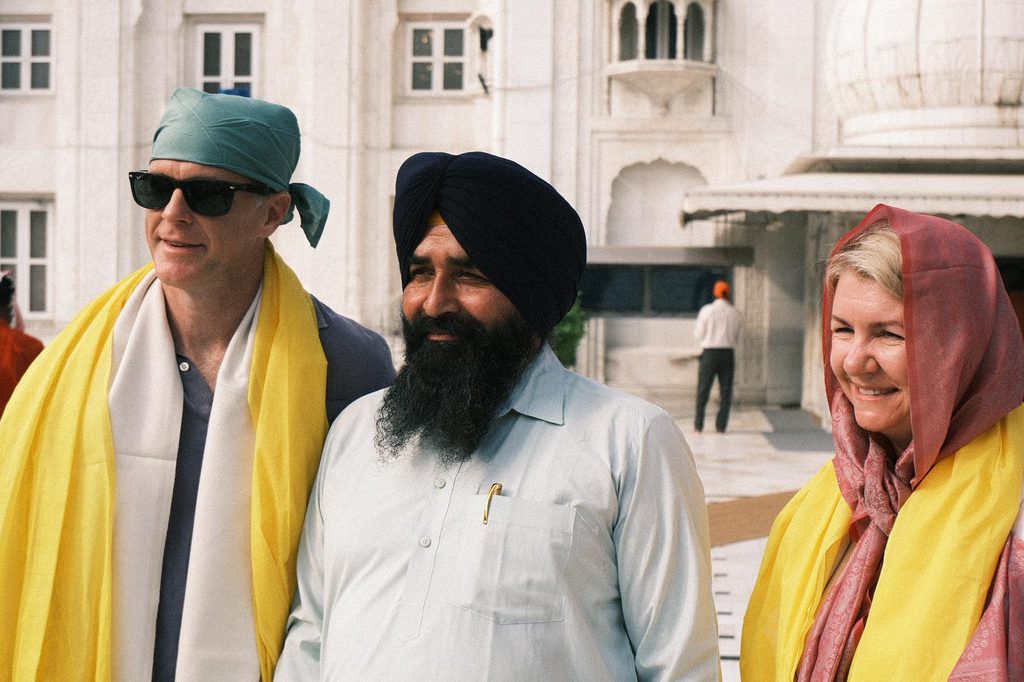
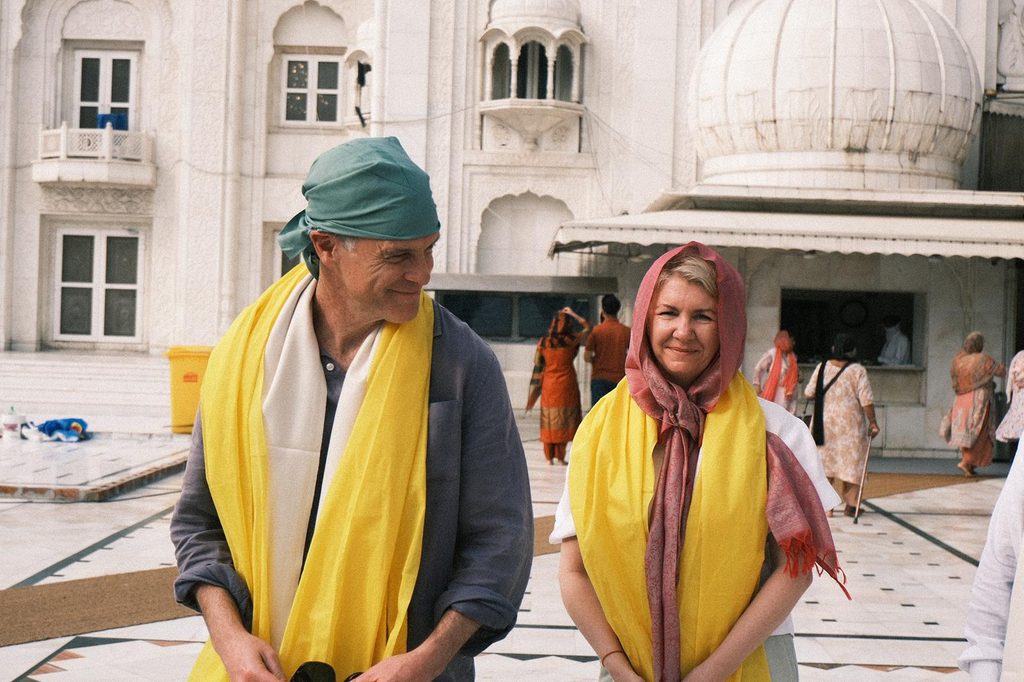
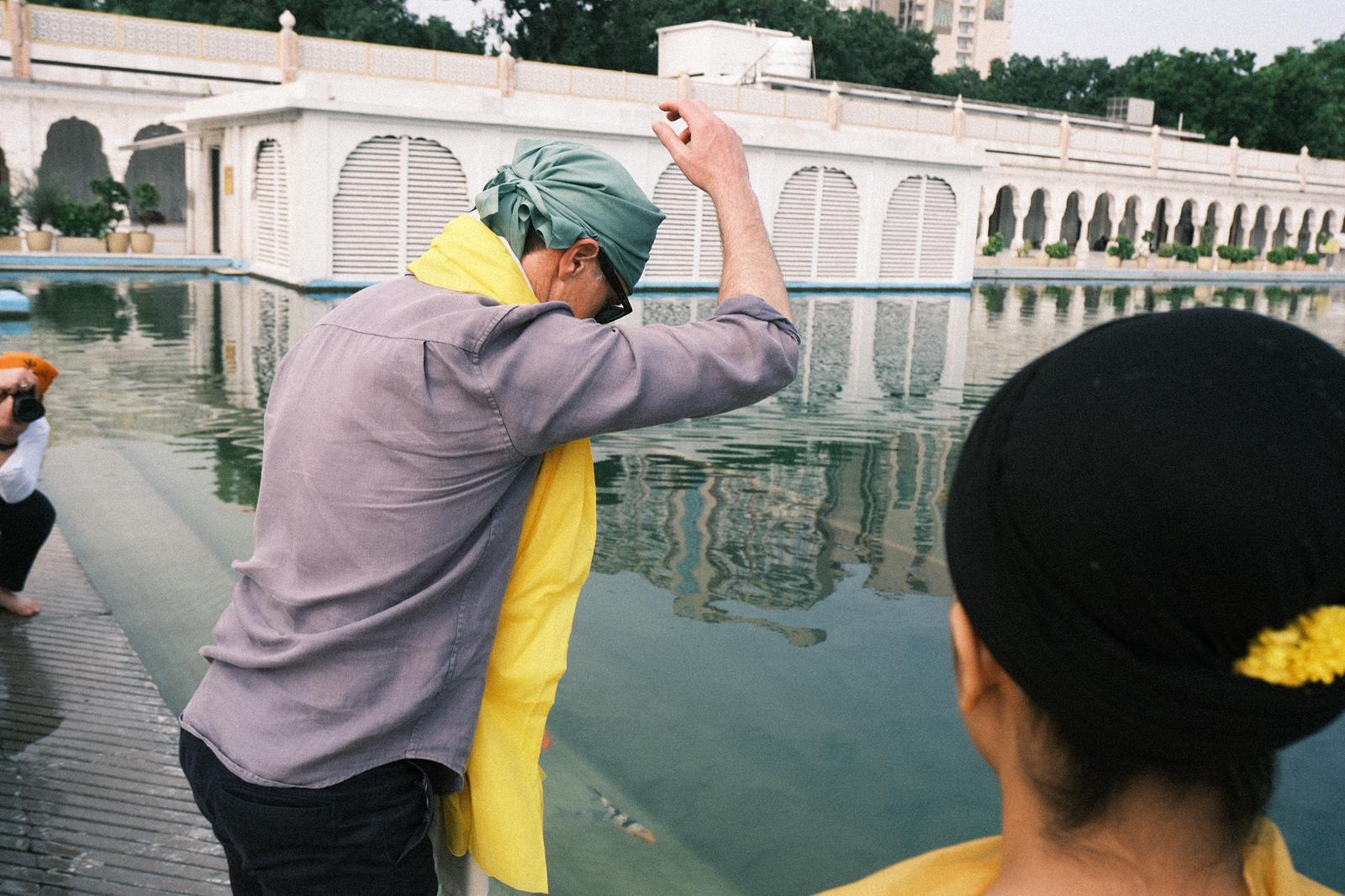
These community engagements are particularly significant for NSW, which is home to a large Indian-born population and one of Australia’s most diverse communities. The NSW Government says more than 200,000 people born in India live in the state, providing strong family, cultural, educational and commercial links between NSW and India.
For the Premier, those connections represent an important advantage as the state attempts to build deeper economic relationships with India. The government sees the Indian diaspora as a bridge that can help businesses, institutions and governments better understand opportunities in each market.
Premier Chris Minns said the economic potential of the NSW-India relationship remains considerably larger than what has been realised so far. He pointed to critical minerals, technology, education and tourism as areas where both sides could benefit from closer cooperation.
Treasurer Daniel Mookhey, who has Indian family heritage, also emphasised the scale of India’s economic ambitions and the opportunities available to NSW. He highlighted the state’s ability to provide resources, technology, education and specialist expertise to an economy of more than 1.4 billion people.
The mission is also designed to benefit NSW businesses seeking to expand internationally. Rather than focusing only on attracting foreign capital, the government is promoting opportunities for NSW companies to export technology, products and professional expertise into India.
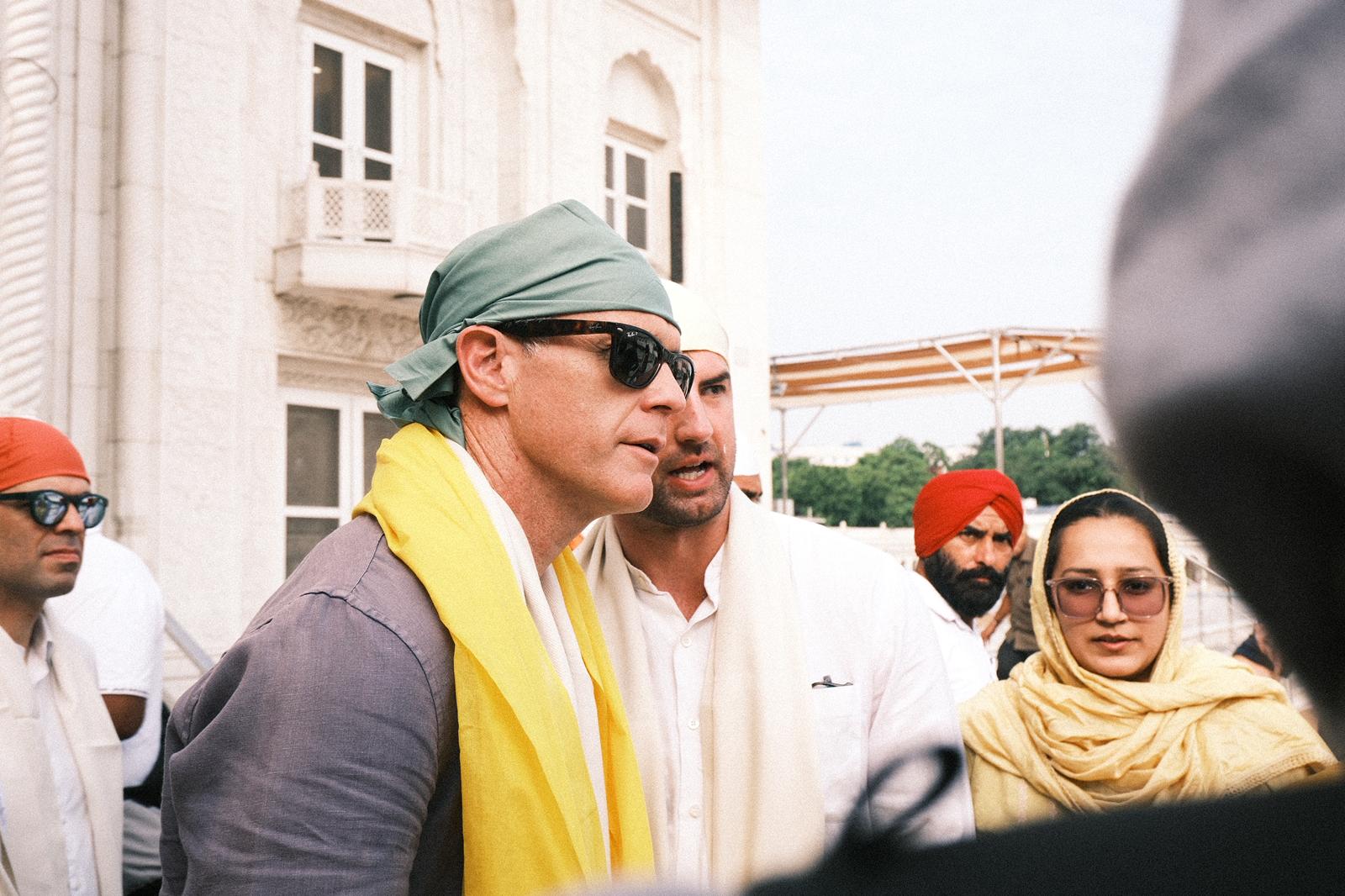
The visit has therefore brought together several strands of the NSW-India relationship – from mining and artificial intelligence to education, food, tourism, literature, film and community connections. The government says the aim is to turn these existing links into practical commercial opportunities that can support investment and employment in NSW.
The economic program will now move to Mumbai, where the Premier and Treasurer are scheduled to continue meetings with government representatives, business leaders and potential investors. Discussions are expected to further explore opportunities across investment, trade, education and other areas of cooperation.
Australian High Commissioner to India Philip Green OAM said the relationship between Australia and India continues to develop through business, education, community and cultural links, with NSW playing an important role in expanding those connections.
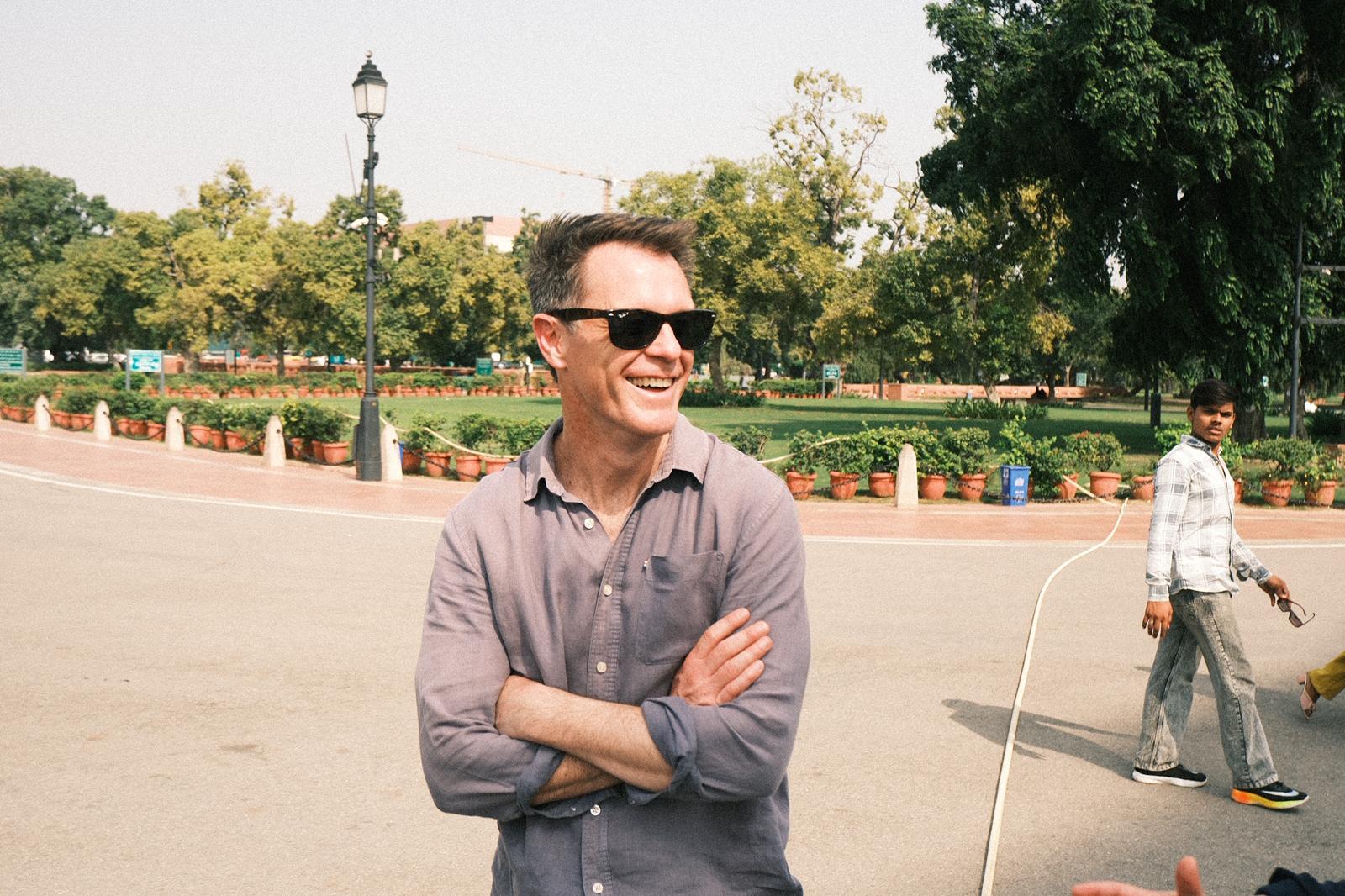
The NSW Government’s message throughout the mission has been clear: India’s rapid growth presents a significant opportunity, but securing meaningful economic benefits will require sustained engagement. For NSW, the challenge now is to convert political goodwill, community connections and commercial discussions into long-term investment, exports, jobs and partnerships.