The NSW Government has announced a major step forward in maternity care, with Safe Staffing Levels set to be introduced in postnatal wards across seven key hospitals. The reform aims to improve care for new mothers and babies while supporting midwives working in busy public health facilities.
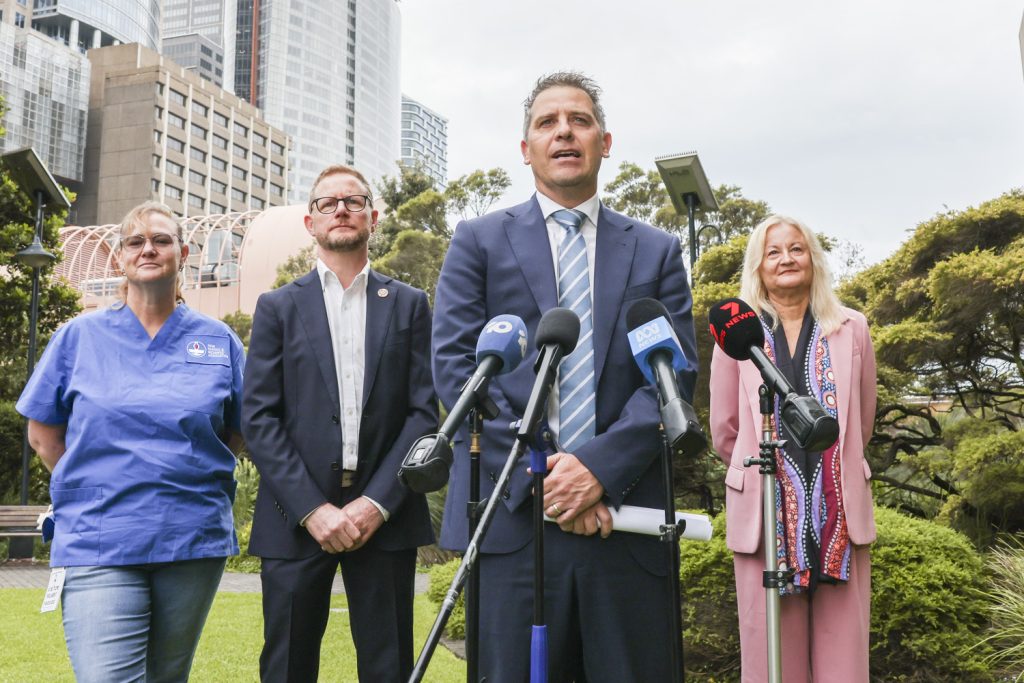
The rollout will include major hospitals such as Liverpool Hospital, Westmead Hospital, Royal Prince Alfred Hospital, and John Hunter Hospital, along with Campbelltown, Nepean and the Royal Hospital for Women. These facilities will benefit from structured staffing ratios designed to enhance patient care.
The Safe Staffing Levels Taskforce, made up of representatives from NSW Health, the NSW Nurses and Midwives’ Association, and local health districts, will oversee the implementation. Their role will be to determine staffing allocations and ensure the rollout meets the needs of both patients and healthcare workers.
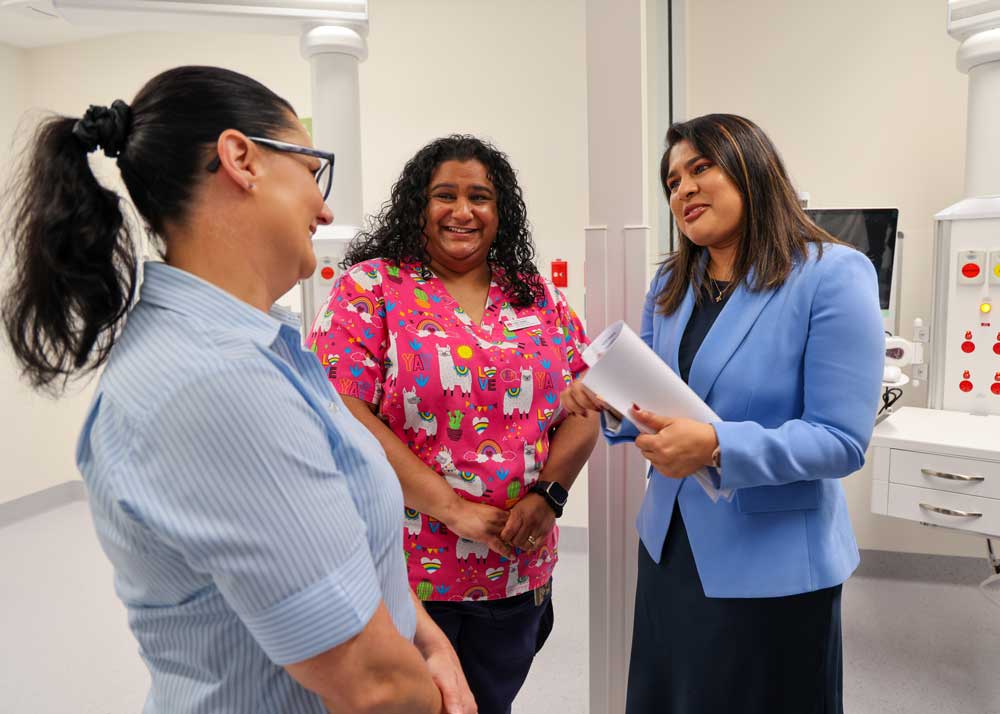
This initiative is part of a broader workforce reform, with the government committing to recruit 2,480 additional nurses and midwives across key clinical areas. The rollout has already begun in emergency departments across the state, with hundreds of new healthcare workers already in place.
A major development alongside this reform is the appointment of Donna Garland as the state’s first Chief Midwife. With over three decades of experience, her role will focus on strengthening midwifery practices and ensuring women receive respectful, culturally safe and high-quality care.
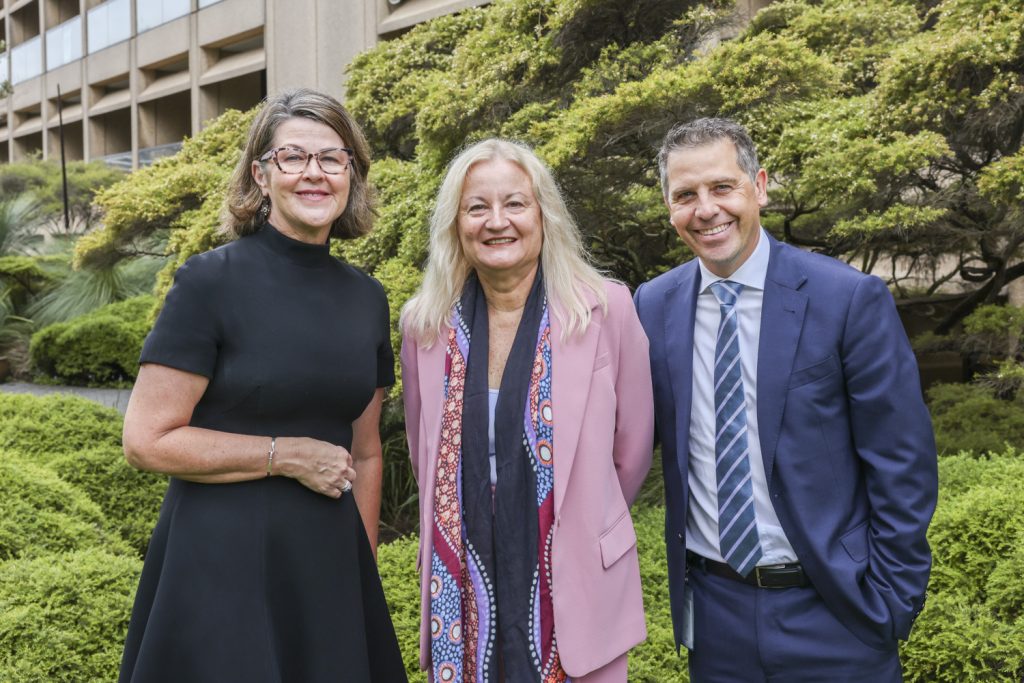
The creation of the Chief Midwife role follows the findings of the NSW Birth Trauma Inquiry, which highlighted the need for more compassionate and patient-centred maternity services. The role will play a key part in shaping future policies and supporting the growing midwifery workforce across New South Wales.
The government has also backed the initiative with significant investment, including $83 million in the 2025–26 Budget to improve maternity services, family care centres and maternal health programs. Additional initiatives, such as expanding Midwifery Group Practices, are also helping to improve access to care across the state.

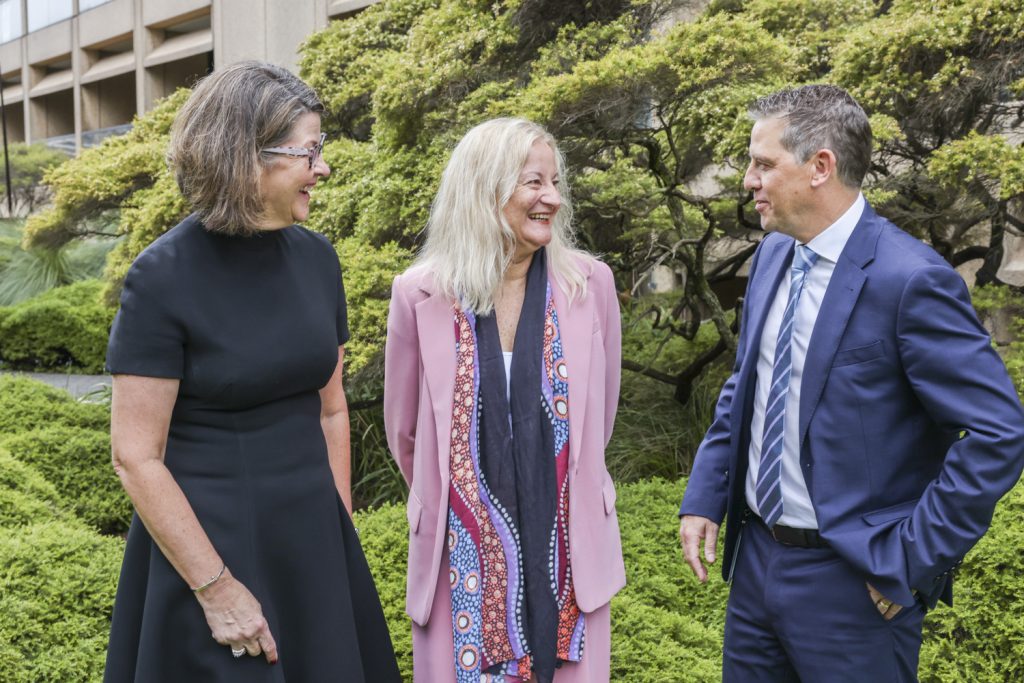
For communities like Liverpool, the changes are expected to make a meaningful difference. Local leaders say the introduction of safe staffing ratios will help reduce pressure on healthcare workers while ensuring families receive the care they need during one of life’s most important moments.
Overall, the rollout of Safe Staffing Levels marks a major shift in how maternity care is delivered in NSW – focusing on better outcomes for women and babies, while strengthening the healthcare workforce for the future.