The NSW Government has moved quickly to address growing fuel security concerns, bringing together more than 50 industry and government leaders for a high-level Fuel Security Roundtable. The discussions come amid rising global tensions linked to the Middle East conflict, which is beginning to impact fuel supply chains worldwide.
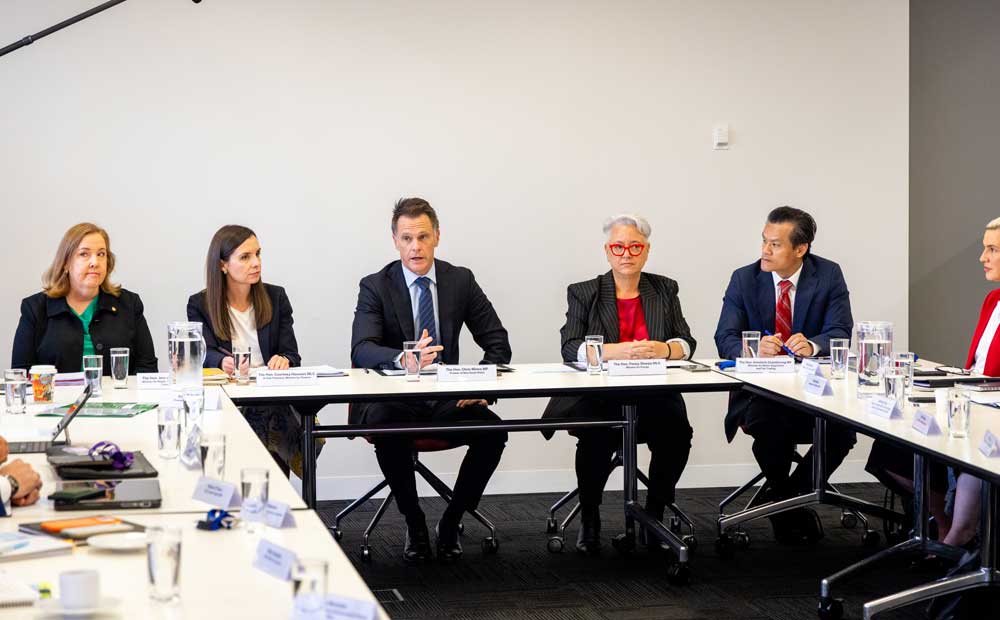
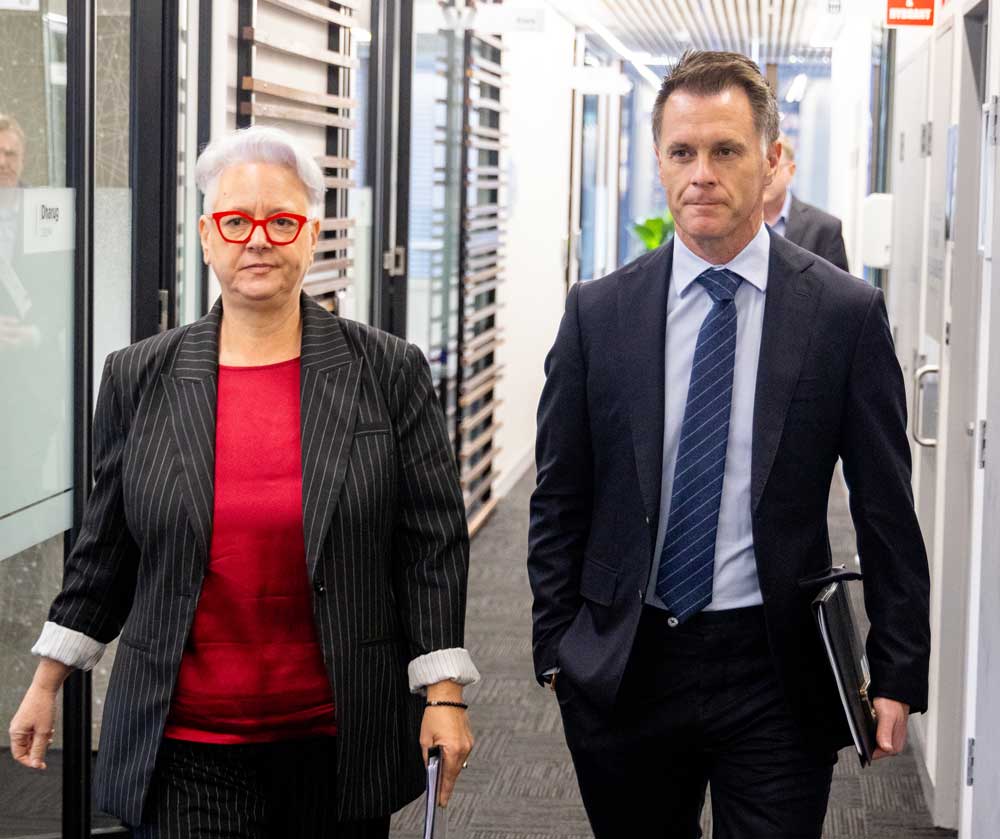
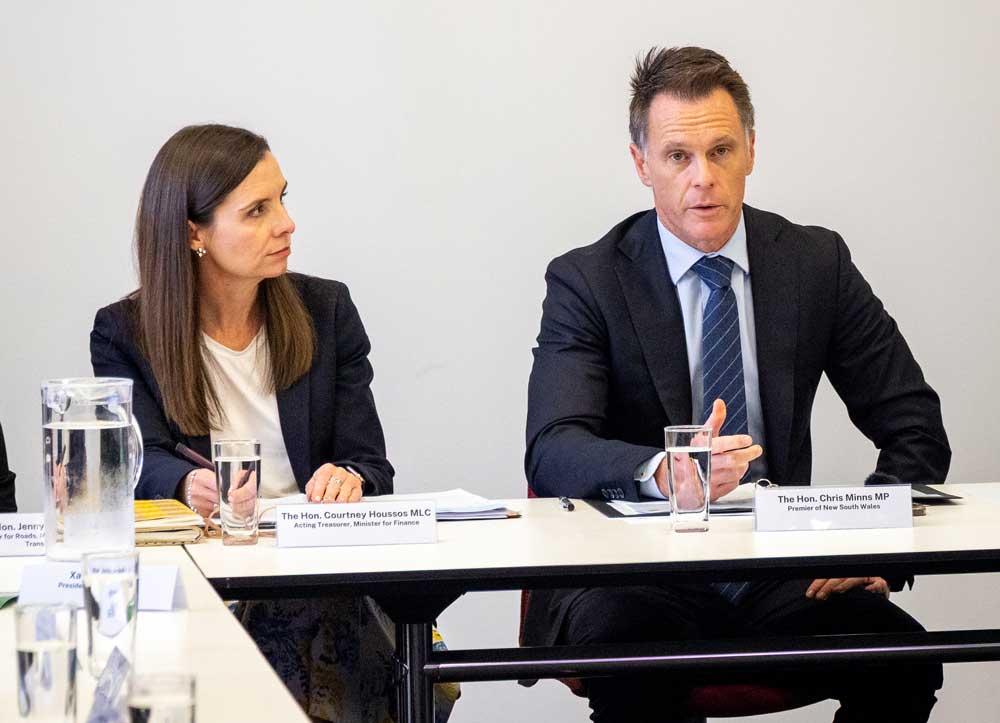
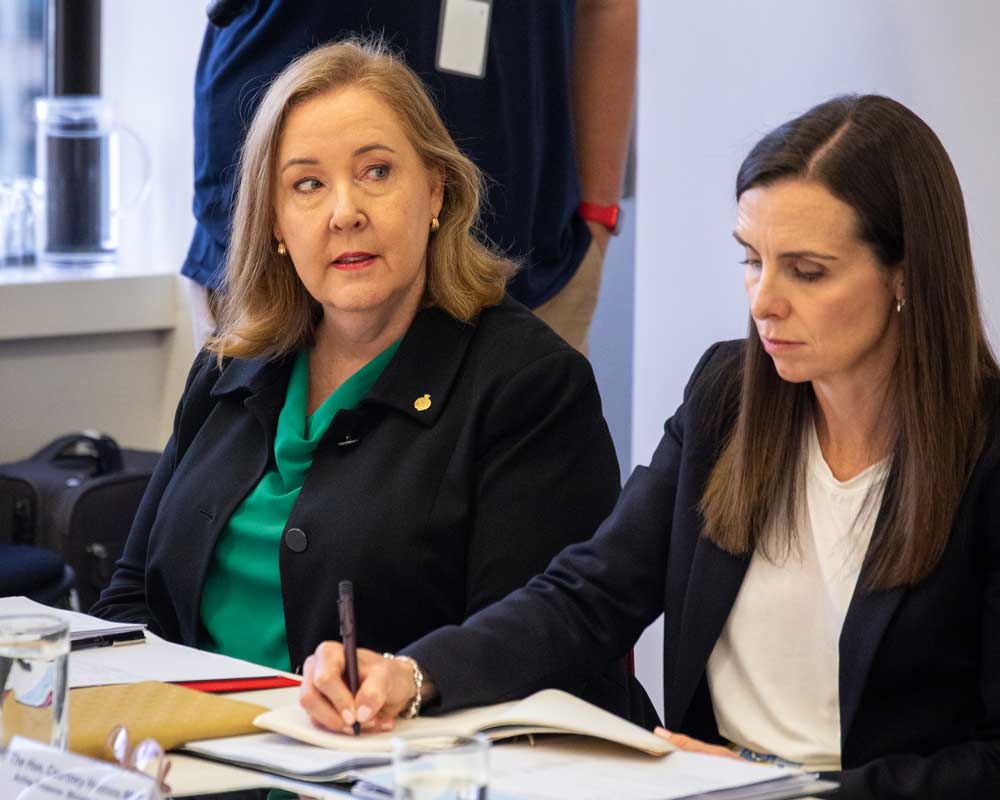
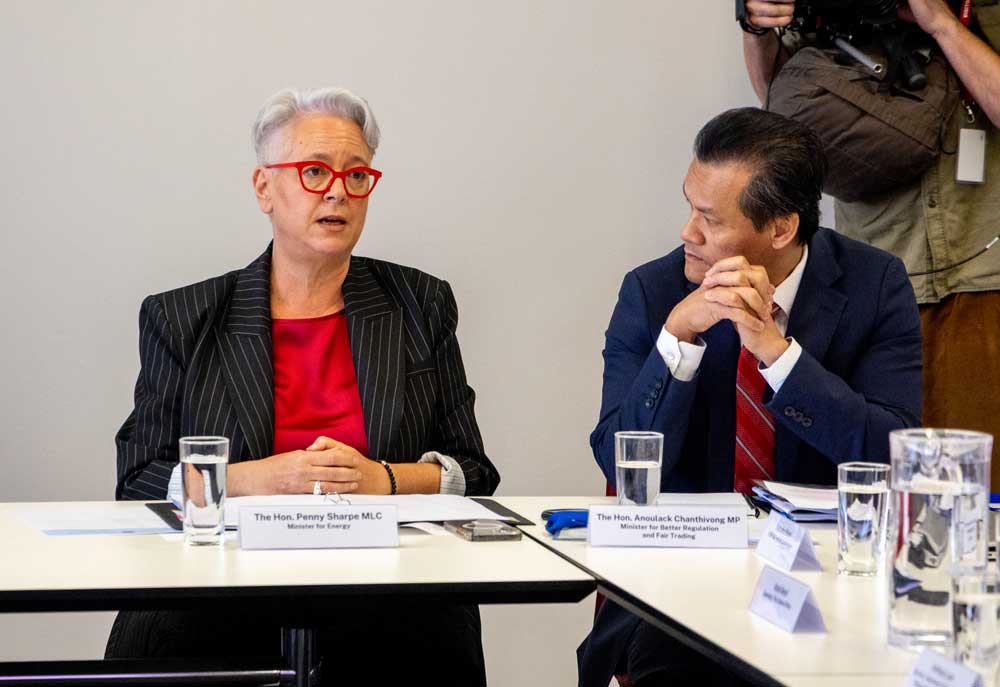
The meeting was led by Penny Sharpe and attended by Premier Chris Minns, along with key representatives from transport, logistics, agriculture, mining, unions and consumer groups. The focus was clear – ensuring NSW communities remain supported during an uncertain and evolving global situation.
While the Australian Government has confirmed that national fuel stocks remain stable, discussions at the state level centred on managing local distribution challenges. Industry and government leaders agreed to work closely together to minimise disruptions and reduce potential price impacts for consumers across New South Wales.
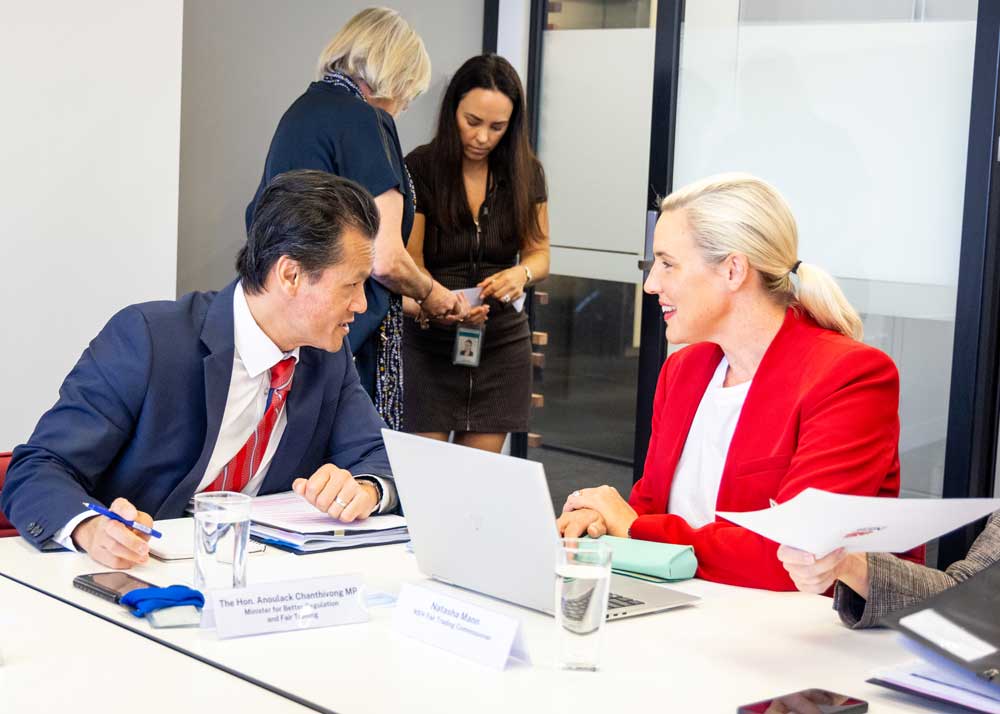
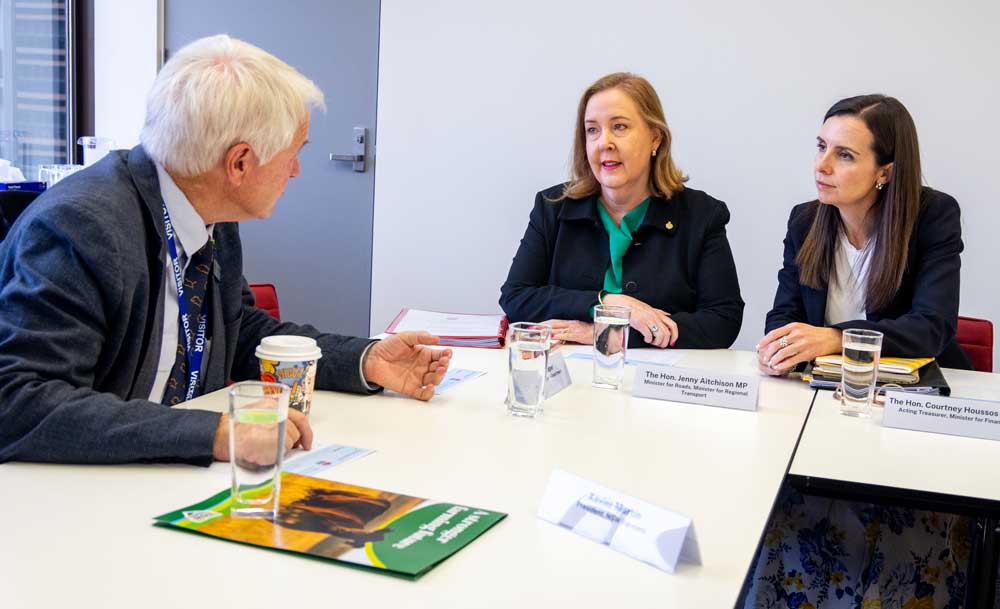

A key outcome from the roundtable was a commitment from fuel companies to share real-time supply data with the NSW Government. This coordinated approach aims to provide a clearer picture of fuel availability across the state and strengthen communication with federal authorities during this period.
Several immediate measures were also introduced to support communities. Fuel retailers will use the FuelCheck app to update fuel availability, helping motorists locate service stations with supply. At the same time, the industry will prioritise deliveries to areas experiencing shortages, particularly in regional parts of the state.


Regional communities were a major focus during the discussions, with groups such as the NSW Farmers Association and regional leaders highlighting concerns around diesel availability and rising fuel costs. These challenges are particularly significant ahead of the winter sowing season, when demand for fuel and fertiliser typically increases.
The government has also urged residents to avoid panic buying and unnecessary fuel storage, warning that it can create safety risks and further strain supply chains. Authorities emphasised that there is currently no need for motorists to purchase more fuel than usual, as supply continues to flow into Australia.

Looking ahead, the NSW Government will continue working with industry and the Commonwealth to monitor the situation closely. Additional meetings with regional stakeholders are planned in the coming weeks to address local concerns and ensure practical solutions are in place to support communities across the state.