The 26th of January carries a unique resonance across continents. In Australia, it marks Australia Day – a day of reflection, celebration, and conversation about identity, belonging, and the future of a nation. In India, the same date is etched even deeper into the democratic soul as Republic Day of India, commemorating the moment a newly independent country chose to govern itself through a Constitution shaped by its people.
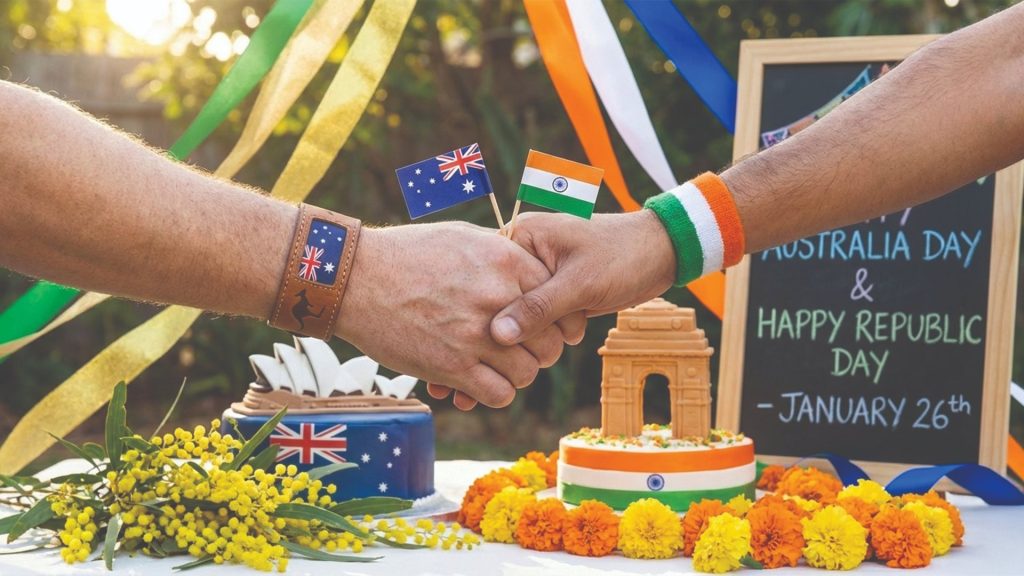
Two countries. One date. Very different histories – but a surprisingly powerful shared theme: nation-building through values, not just events.
Australia Day: Celebration, Reflection, and an Evolving National Story
Australia Day marks the arrival of the First Fleet at Sydney Cove in 1788. Over time, it has grown into a day of national pride – citizenship ceremonies, community events, barbecues, and fireworks across the country.
Yet, for many First Nations Australians, this day also represents the beginning of dispossession and loss. This duality has made Australia Day one of the most important civic conversations in modern Australia – how a nation acknowledges its past while shaping a more inclusive future.
For multicultural Australia – particularly for migrant communities – 26 January often symbolises something else as well:
The privilege of choice.

The choice to belong, to contribute, and to participate in a democratic system that allows debate, dissent, and dialogue.
India’s Republic Day: The Power of the Constitution
On 26 January 1950, India did something extraordinary. After centuries of colonial rule, it did not merely celebrate independence – it adopted a Constitution.

India’s Republic Day is not about a single leader or a military victory. It is about:
- Equality before the law
- Universal adult franchise
- Secularism and social justice
- Unity across languages, cultures, and faiths
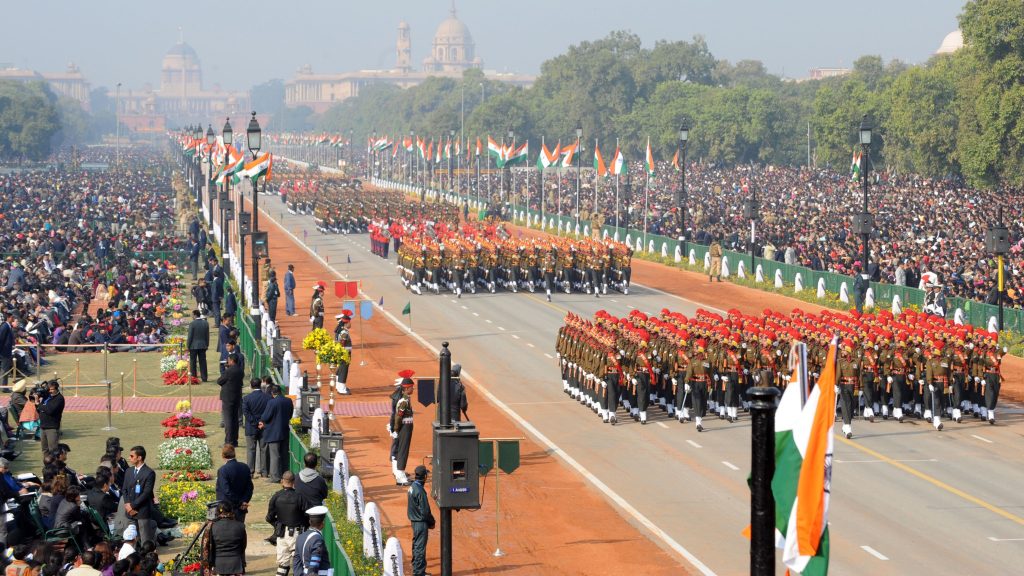
The iconic Republic Day Parade in New Delhi showcases not just military strength, but cultural diversity, scientific achievement, and democratic continuity – a reminder that India’s strength lies in its pluralism.
A Shared Date, A Shared Democratic Thread
Australia and India may differ in age, geography, and colonial experience – but the 26th of January highlights a shared democratic principle:
A nation is not defined only by how it began, but by how it chooses to govern itself.
Australia’s ongoing conversations around reconciliation and constitutional recognition, and India’s enduring commitment to its constitutional framework, both reflect societies still in motion – still questioning, still refining what justice and equality truly mean.
Why This Matters to the Indian Diaspora in Australia
For the Indian community in Australia, 26 January holds a dual significance:
- Gratitude to Australia for opportunity, safety, and freedom
- Pride in India’s constitutional legacy and democratic resilience
Many Indian Australians celebrate both days – sometimes unknowingly – carrying with them values shaped by India’s Republic and expressed through Australia’s civic life.
Citizenship ceremonies held on Australia Day often include migrants who grew up saluting the Indian Constitution. That overlap is not accidental – it is democracy in continuity.
Beyond Fireworks and Parades: What 26 January Asks of Us
Whether in Sydney or New Delhi, 26 January ultimately asks the same questions:
- Who is included in the national story?
- Whose voices are still missing?
- How do we balance memory with progress?
These are not questions with easy answers – but they are the right ones.
A Day to Celebrate – and to Think
As Australia marks another 26 January, perhaps the most meaningful way to honour the day is not only through celebration, but through conscious citizenship – listening, learning, and participating in shaping a nation that truly reflects all its people.
In that sense, Australia and India are not just connected by migration or diplomacy.
They are connected by an idea: that democracy is a living process – and every generation has a role to play.
– Sukruti Narayanan