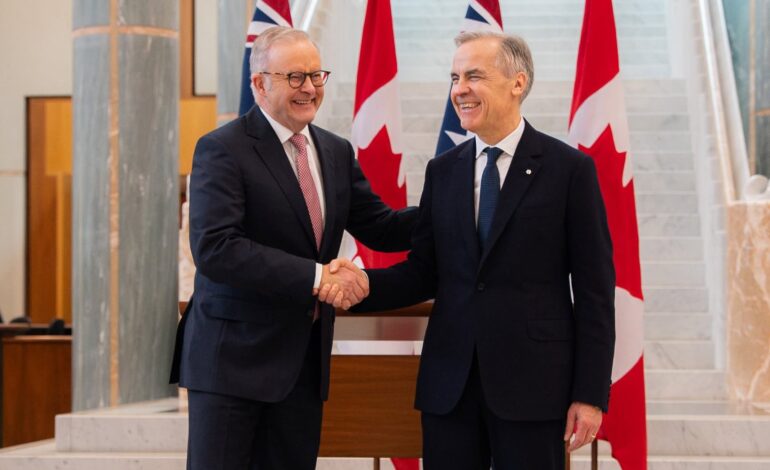
United Kingdom Prime Minister Sir Keir Starmer has announced that he will step down as leader of the Labour Party and resign as Prime Minister, bringing an end to a turbulent period in British politics less than two years after leading Labour to a historic landslide election victory in 2024.
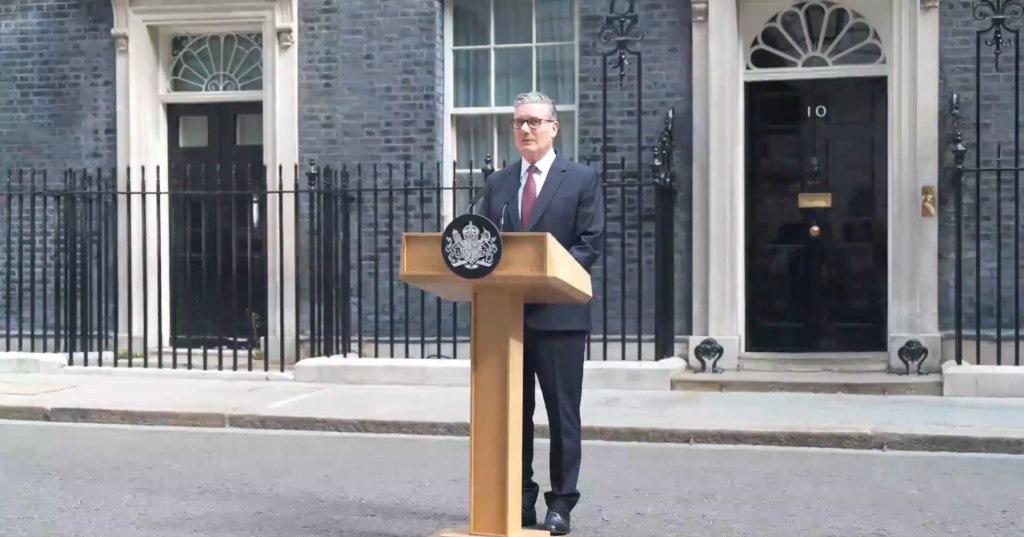
In an emotional statement delivered outside 10 Downing Street, Starmer said he had listened to the concerns of his parliamentary colleagues and believed it was in the best interests of both the Labour Party and the country to allow a leadership transition. He confirmed that he would remain as caretaker Prime Minister until a new Labour leader is chosen.
Starmer’s resignation follows months of growing unrest within the Labour Party. A series of poor local election results, declining public support and mounting criticism from Labour MPs had fuelled speculation about his political future. Several ministers and parliamentary aides had resigned in recent months, increasing pressure on the Prime Minister to consider his position.
When Labour won the 2024 general election by a large margin, many viewed Starmer as the leader who had returned the party to government after more than a decade in opposition. He was widely credited with rebuilding Labour’s credibility, addressing internal divisions and positioning the party as a viable alternative to the Conservatives.
However, his government later faced challenges on several fronts, including economic management, healthcare pressures, immigration policy and broader concerns about the pace of reform. Critics within the party argued that Labour had struggled to maintain a clear political narrative, while opinion polls showed growing voter dissatisfaction.
The resignation has immediately triggered discussions about who will become Britain’s next Prime Minister. Former Greater Manchester Mayor and newly elected Member of Parliament Andy Burnham has emerged as the leading contender to succeed Starmer, with several senior Labour figures reportedly backing his candidacy.
If Burnham is confirmed as Labour leader, he will inherit a government facing significant challenges, including rebuilding voter confidence, managing economic pressures and responding to the growing popularity of alternative political movements. Political analysts suggest the coming weeks could prove pivotal for the future direction of both Labour and British politics.

Starmer’s departure also highlights the remarkable turnover of political leadership in the United Kingdom over the past decade. With a new leader expected to take office within weeks, Britain is set to have its seventh Prime Minister in ten years, reflecting a period of extraordinary political change and volatility.
Despite the challenges that ultimately defined his premiership, supporters point to several achievements during Starmer’s time in office, including efforts to restore Labour’s electoral competitiveness and strengthen the United Kingdom’s international relationships. His supporters argue that history may judge his contribution differently from the intense political debates surrounding his resignation today.
As the Labour Party prepares to select a new leader, attention will now turn to what comes next for Britain. For Keir Starmer, the resignation marks the conclusion of a political journey that saw him rise from human rights lawyer and Director of Public Prosecutions to Prime Minister of the United Kingdom. For British politics, it opens another chapter in an era defined by rapid political change and shifting public expectations.