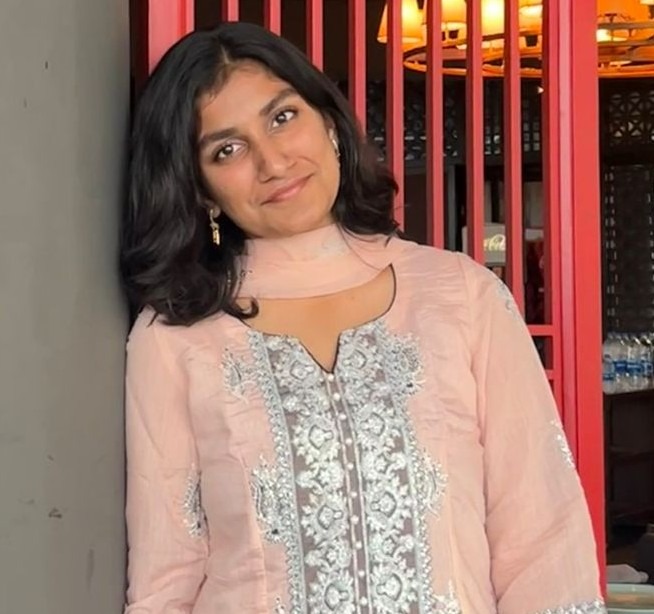

There’s something special about seeing a community come together not just to celebrate culture, but to build something out of it.
That’s exactly what the Sundown Market felt like. Organised by The Brown Collective, this wasn’t just another pop-up event. It was their first step towards creating a space where young South Asians in Adelaide could express, connect, and redefine what “desi” looks like today.
Held at Haris Curry House, the evening carried a warmth that went beyond food and stalls. It felt personal.
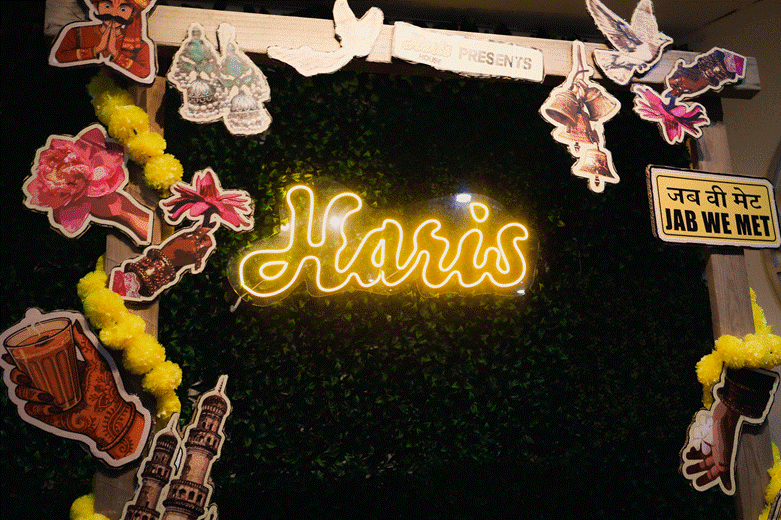
And a big part of that story starts with Nim.
At just 24, Nim is working to rebuild what his family once had. After moving to Australia from India following a personal tragedy, he and his parents opened a small takeaway shop in 2015, which quickly grew into multiple businesses. But when COVID-19 hit, they lost two of them.
While they were building that life, Nim was building his own path in hospitality, starting as a dishwasher at 15 and working his way up to bar manager by 19, even contributing to the pre-opening of a five-star resort.
Despite that, he chose to step away and return.

Not because it was easy, but because it mattered.
“I don’t come from a business background, but my passion for hospitality and my commitment to my family are what drive me every day to keep going.”
That same intention carried into the Sundown Market.
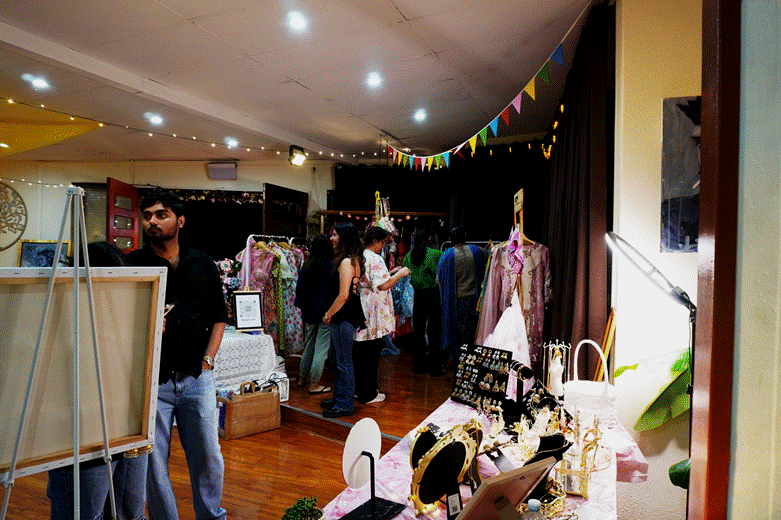
The space brought together a mix of emerging and established brands, most built by students and young adults navigating life, identity, and ambition all at once. Names like Satrangi, Tashan Wear, Naqashi Saaz, Spark Jewellery Collections, GlowUp Nails, and Anima Art stood alongside more established ventures like Crafted by Mathur, creating a space that felt both aspirational and deeply relatable.
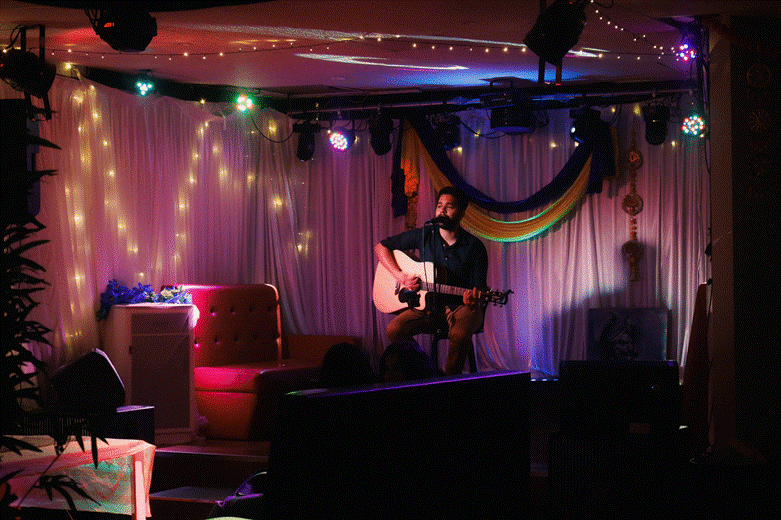
Each stall held more than just products. It held a story.
Parneet, founder of Naqashi Saaz, is building something that connects generations and geographies.
“I’m a 23-year-old international student building a mother–daughter label rooted in my mum’s boutique in Amritsar. Growing up around artisans taught me that fashion is not just clothing, it’s time, detail, and identity carried through every piece.”
Fabiya, the creator behind Anima Art, turned her personal journey into something tangible and deeply expressive.
“I’ve always created, but moving to Australia pushed me to rebuild myself. Anima Art started as a small outlet, but through late nights and uncertainty, it became something real, something people could connect with.”
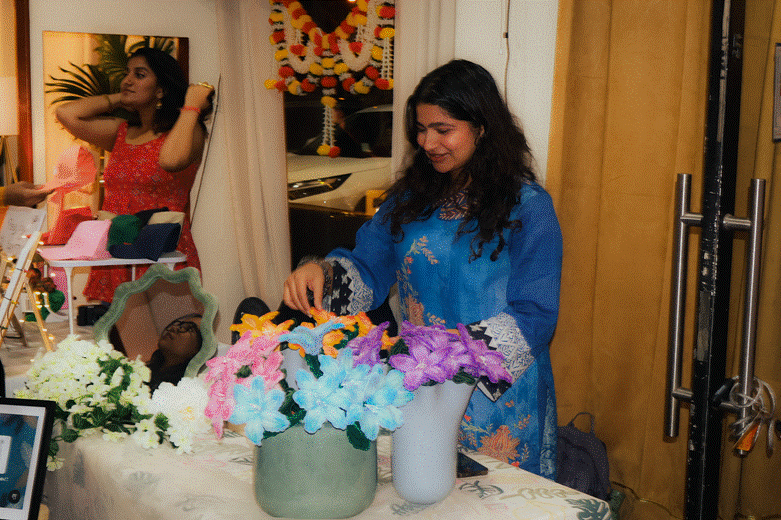
Reet, founder of Spark Jewellery Collections, is quietly rewriting the narrative she grew up hearing.
“I grew up being told girls don’t do business, but that stayed with me. Now, while balancing studies and survival in a new country, I’m building something of my own and proving that wrong.”
And then, somewhere within all of this, is my story too.
My name is Anshi, and I’m an international student in Australia, trying to build a life from scratch while still holding onto pieces of where I come from.
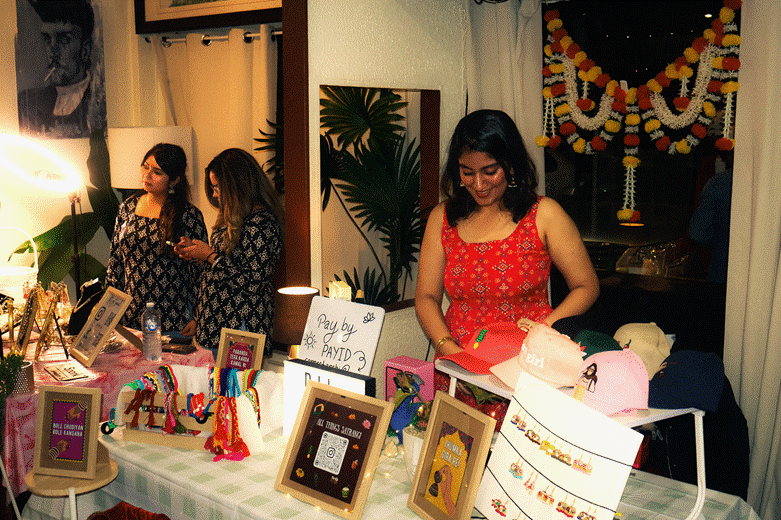
I didn’t grow up thinking I’d start something of my own. I was just living, observing, picking up small things without realising how deeply they would stay with me. My parents play old Bollywood songs in the background, turning ordinary evenings into something full of life. Dancing in the living room like nothing else mattered. My nani casually dropped dialogues into conversations like they were lessons hidden in humour.
At the time, those moments didn’t feel significant. Now I realise they shaped everything.
A lot of who I am comes from those quiet details.
I’ve always expressed myself in subtle ways. A jhumka with jeans. Bangles with something simple. A dupatta thrown over an outfit just to make it feel like me. It’s never been about dressing up; it’s about feeling connected. Carrying familiarity with me, even when everything around me feels unfamiliar.
That feeling only grew stronger after moving to Australia.
Starting over here wasn’t just exciting; it was uncomfortable. New systems, new people, new expectations. I had to grow up quickly. Balancing studies, multiple jobs, long shifts, and days that felt exhausting and uncertain. There were moments when I questioned everything.
But those moments also changed me.
Somewhere in the middle of that, Satrangi happened.
Not as a big idea, but as something I needed. A space to create, to reconnect, to hold onto parts of myself that felt like home. Over time, it became more than that. It became an extension of me.
Every piece I create, whether it’s caps, parandas, or bangles, carries something personal. Memories, music, everyday culture, the feeling of being between two worlds. It’s about blending where I come from with where I am now, creating something that feels both familiar and new.
I’m still figuring things out. I don’t have everything planned, and I don’t always know if I’m on the right path.
But there’s something powerful about building something of your own. About creating meaning in the middle of uncertainty.
It’s messy, uncomfortable, and unpredictable.
But it’s also deeply rewarding.
And that’s what Satrangi represents to me. Not just a brand, but a journey. Of identity, of growth, of holding onto culture while becoming someone new.
Because I know I’m not the only one who feels this way.
There are so many of us trying to balance two worlds. Trying to stay connected to where we come from while building a life somewhere else.
And that’s exactly what the Sundown Market captured.
It wasn’t just about stalls or sales. It was about people showing up with pieces of themselves. About culture being lived, not just celebrated occasionally, but expressed in real, everyday ways.
For many of us, especially as international students, spaces like this matter more than we realise.
They remind us that we’re not alone in figuring things out.
The Sundown Market may have been the first for The Brown Collective, but it already feels like the beginning of something much bigger.
And honestly, Adelaide needs more spaces like this.
-Anshi Agarwal

Anshi Agarwal
Anshi Agarwala is a South Asian biomedical science student based in Australia who is passionate about accessible education, dance, and celebrating diaspora voices. Her work reflects the lived experiences of young people navigating culture and ambition.