The 73rd edition of the Sydney Film Festival 2026, running from 3 to 14 June in Sydney, is set to spotlight a strong and diverse range of South Asian stories, filmmakers and themes across its 2026 program.
This year’s lineup highlights how South Asian cinema continues to grow in global visibility, with films spanning India, Pakistan, Bangladesh, Afghanistan and the Rohingya refugee experience. Together, they reflect both regional storytelling and diaspora perspectives that continue to resonate strongly with Australian audiences.
While the 2026 selection is particularly notable, South Asian cinema has long maintained a consistent presence at the Sydney Film Festival. Over the years, films from the region have featured across competition sections, documentary strands and curated programs, reflecting the festival’s ongoing engagement with South Asian storytelling. The 2026 edition continues this tradition while reinforcing the region’s growing influence on international cinema.
South Asian storytelling across genres and borders
Among the standout South Asian-related films is Don’t Tell Mother, the debut feature from filmmaker Anoop Lokkur, set in 1990s Bangalore. The film adds to a growing wave of contemporary Indian independent cinema exploring identity, family dynamics and social change.
From Bangladesh, Master by Rezwan Shahriar Sumit presents a politically charged narrative rooted in governance and civic tension, continuing the country’s rise in internationally recognised realist filmmaking.
A particularly significant inclusion is Lost Land, the first-ever feature film in the Rohingya language. Its presence marks an important milestone for one of the world’s most underrepresented displaced communities, bringing rare visibility to Rohingya stories on a global stage.
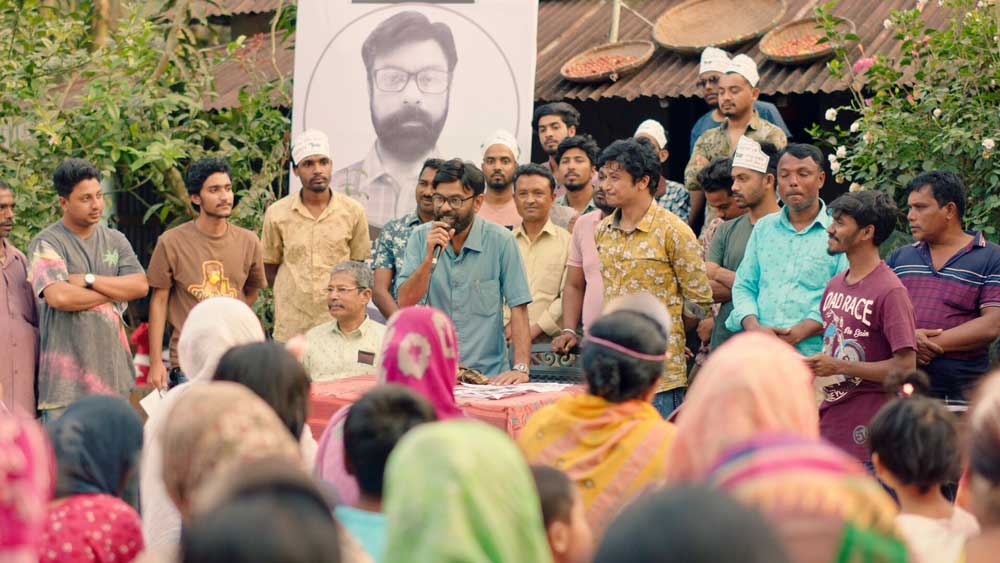
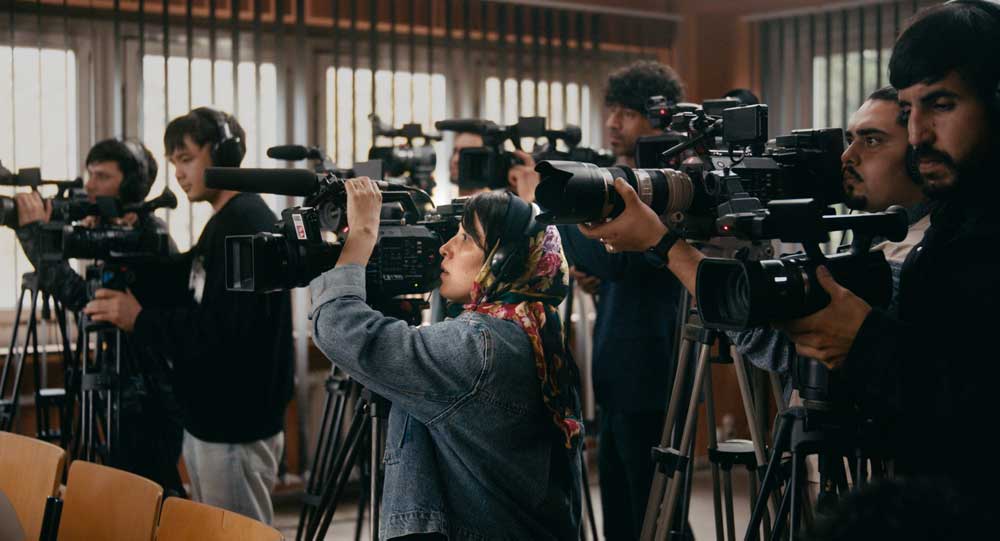
Afghanistan is also represented through No Good Men by Shahrbanoo Sadat, a political romantic comedy that showcases the country’s increasingly bold and genre-diverse cinematic voice despite ongoing challenges for filmmakers.

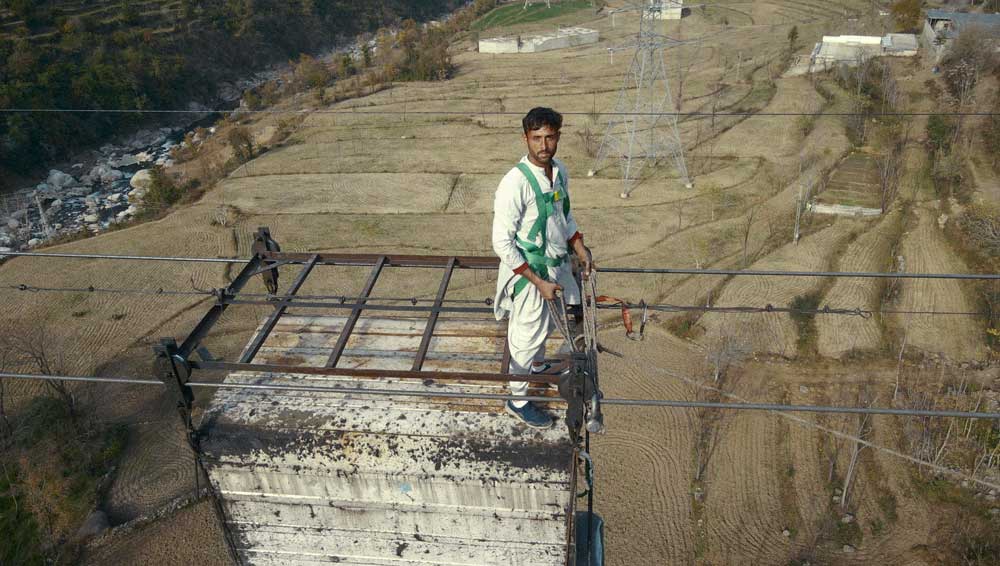
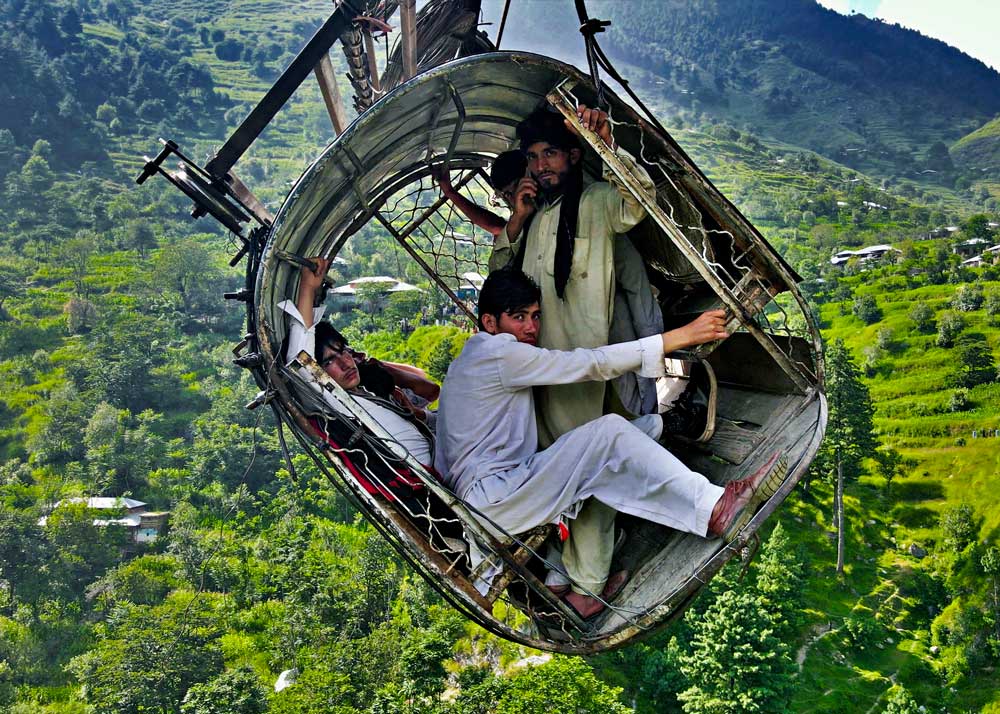
The festival also features Hanging by a Wire, a documentary set in remote Pakistan, highlighting a high-stakes cable car rescue operation and the human resilience behind real-life crisis events.
Diaspora, displacement and global identity
Several South Asian-related works explore migration, exile and displacement across borders.
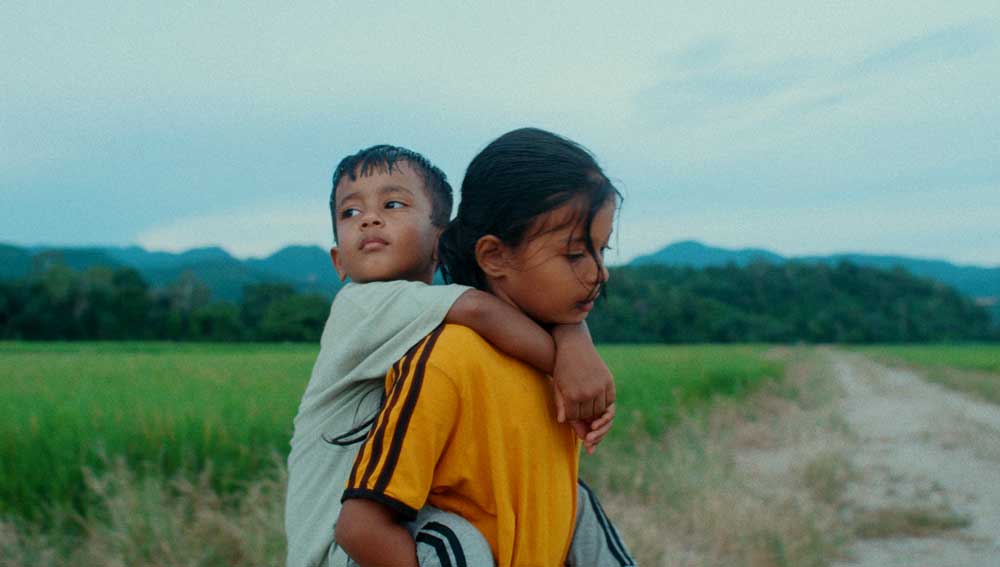
The Cycle of Love follows a Delhi street artist undertaking a long-distance cycling journey from India to Sweden, blending physical endurance with questions of purpose, identity and belonging.
Past Future Continuous adds to this broader regional narrative of exile and memory, reflecting lived experiences of displacement that connect strongly with South Asian diaspora communities in Australia and beyond.
The documentary Knife: The Attempted Murder of Salman Rushdie examines the life and recovery of Salman Rushdie following the 2022 stabbing attack, revisiting long-standing themes of freedom of expression, identity and cultural history that have defined his work.
Across these films, migration and displacement emerge not only as personal journeys but as shared regional experiences that continue to shape South Asian storytelling globally.
Cultural legacy and South Asian influence
The program also includes El Sett, a cinematic tribute to legendary Egyptian singer Umm Kulthum, accompanied by a live music celebration at the festival. The film reflects broader cultural intersections between South Asian and Middle Eastern musical traditions that have historically influenced audiences across the region.
While not South Asian in origin, such works sit alongside the broader program’s engagement with cultural memory, artistic legacy and cross-regional influence that resonates with South Asian audiences.
A growing platform for South Asian cinema in Australia
The inclusion of multiple South Asian stories at this year’s festival reflects a broader shift in Australian screen culture, where international festivals are increasingly amplifying voices from the subcontinent and its diaspora.
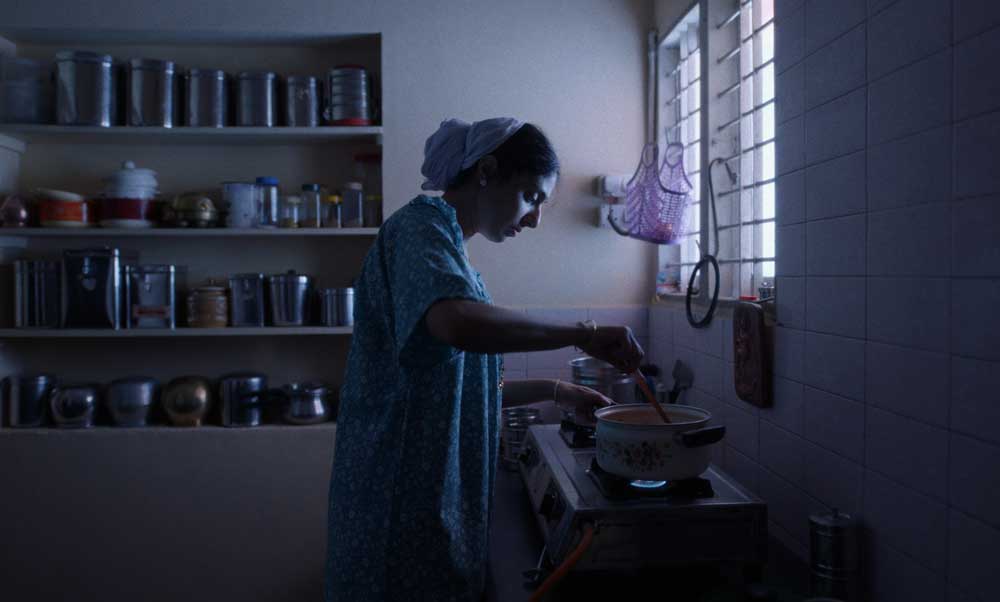
From rural Pakistan to urban Bangalore, from Afghan political satire to Rohingya-language storytelling, the 2026 program demonstrates how South Asian cinema is no longer confined to regional boundaries but is actively shaping global film conversations.
For Australian audiences, particularly the growing South Asian diaspora, the festival offers not only representation on screen but also a deeper connection to stories of migration, identity, resilience and cultural memory.
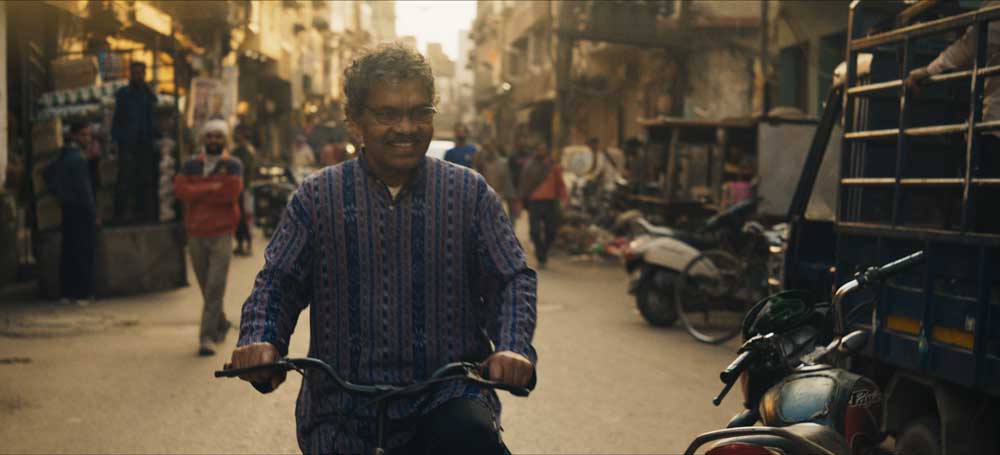
As the festival continues to evolve, South Asian cinema is clearly becoming an essential part of its global storytelling landscape, reinforcing both its historical presence at the festival and its expanding role within international cinema as a whole.