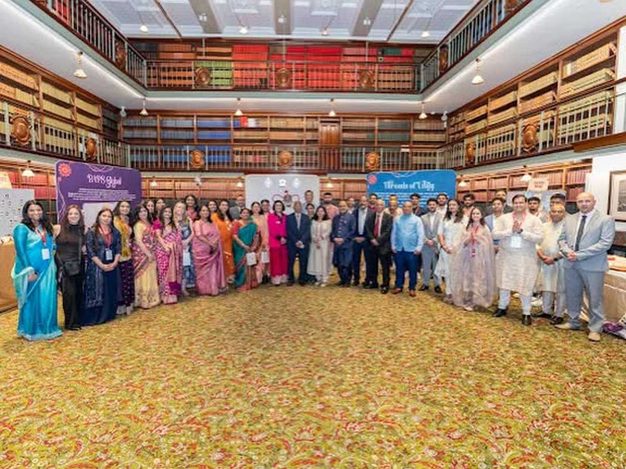
I was recently invited to an extraordinary book launch and presentation at the grand Parramatta Library on a Sunday afternoon. The invitation came from Melbourne-based Nicola Saunders, whose father used to play in a live band at the famous Park Street restaurant, Trincas, during its golden heyday. From the 1940s to the 1970s, Park Street was the Piccadilly Circus of Asia – famed for its glitzy, high-society entertainment and unparalleled nightlife. It birthed a progressive, modern, and brilliantly diverse blend of contemporary Western and Anglo-Indian culture that drew elites from all across India to Calcutta’s glittering streets.
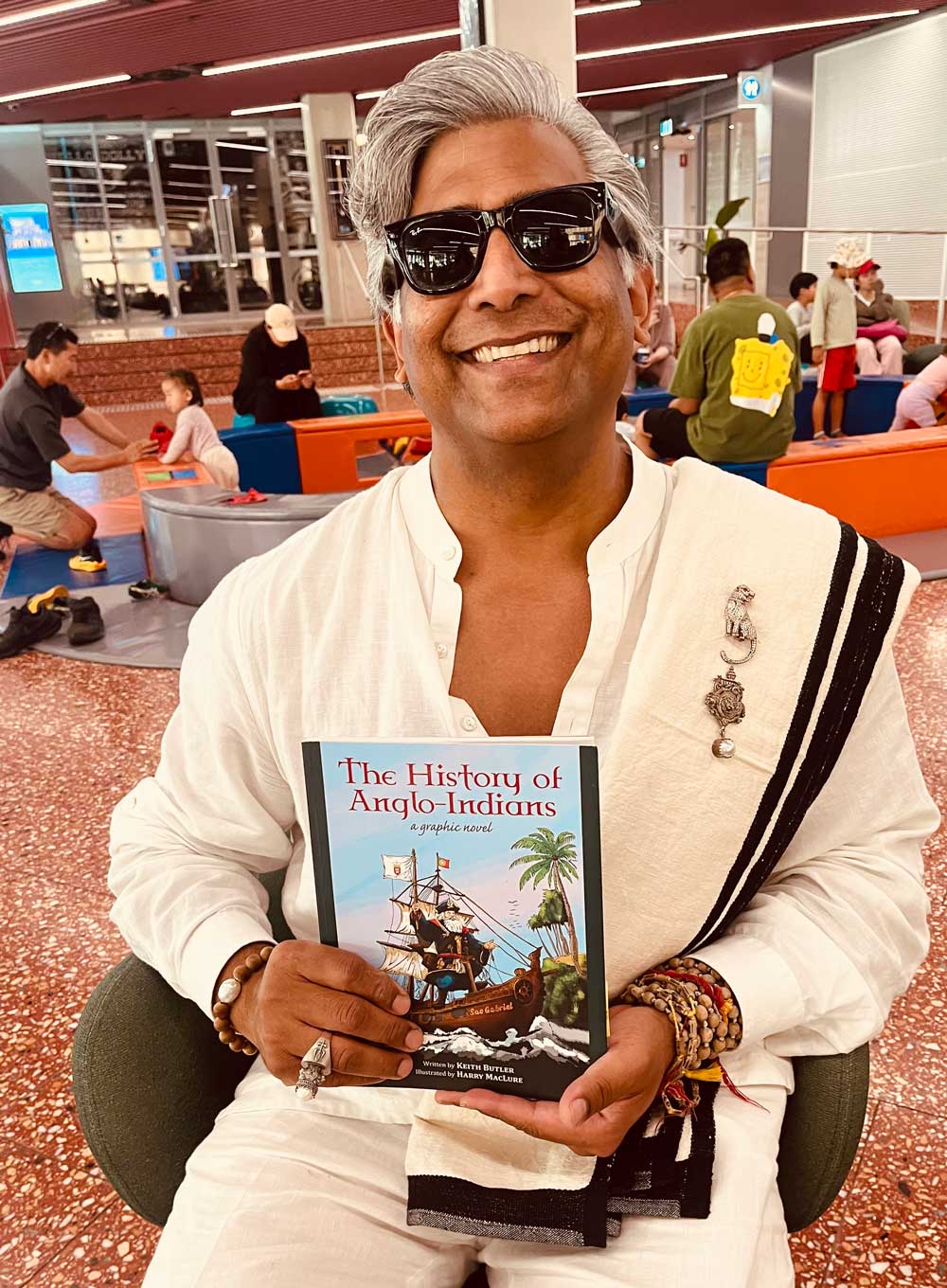
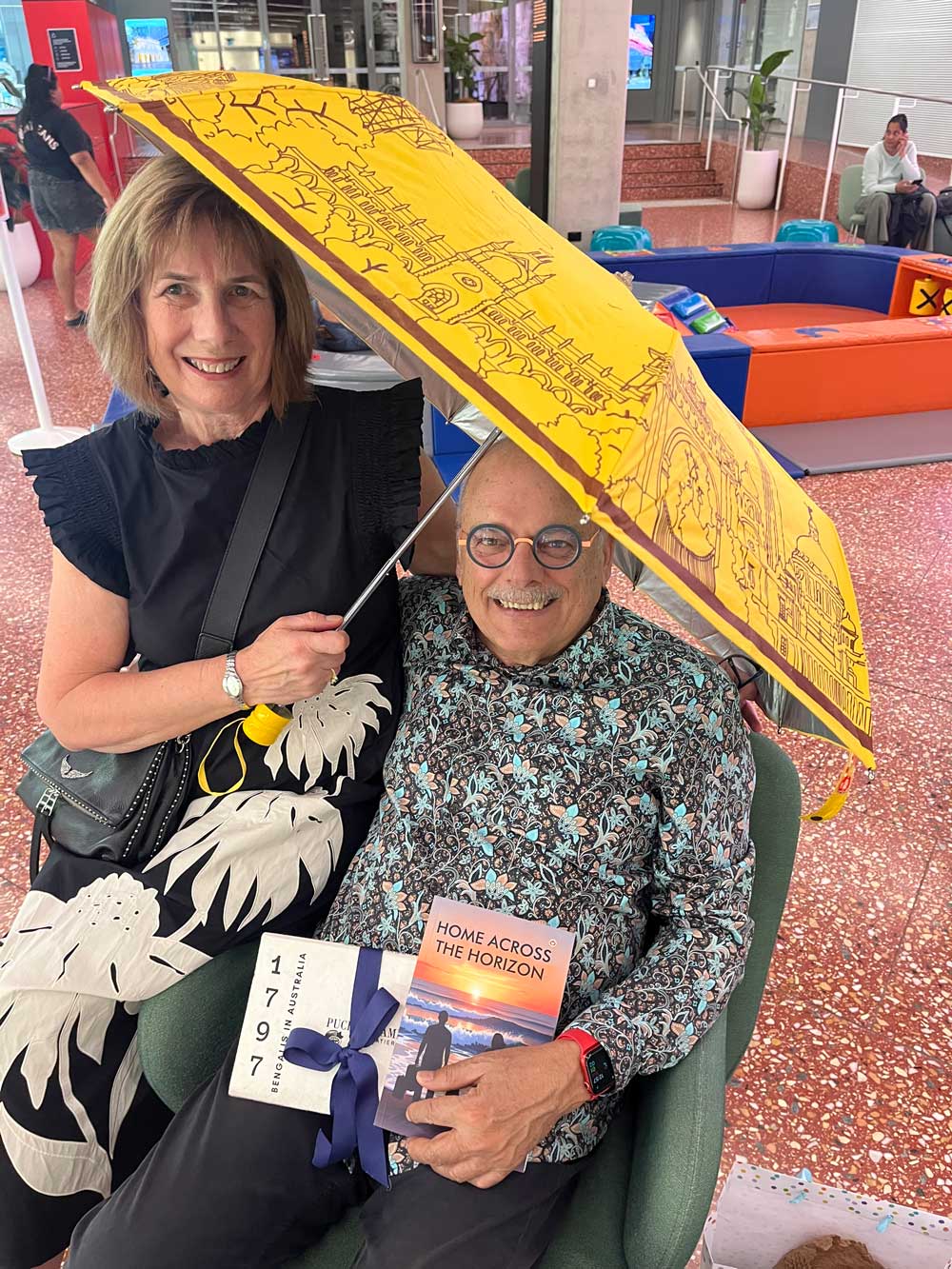
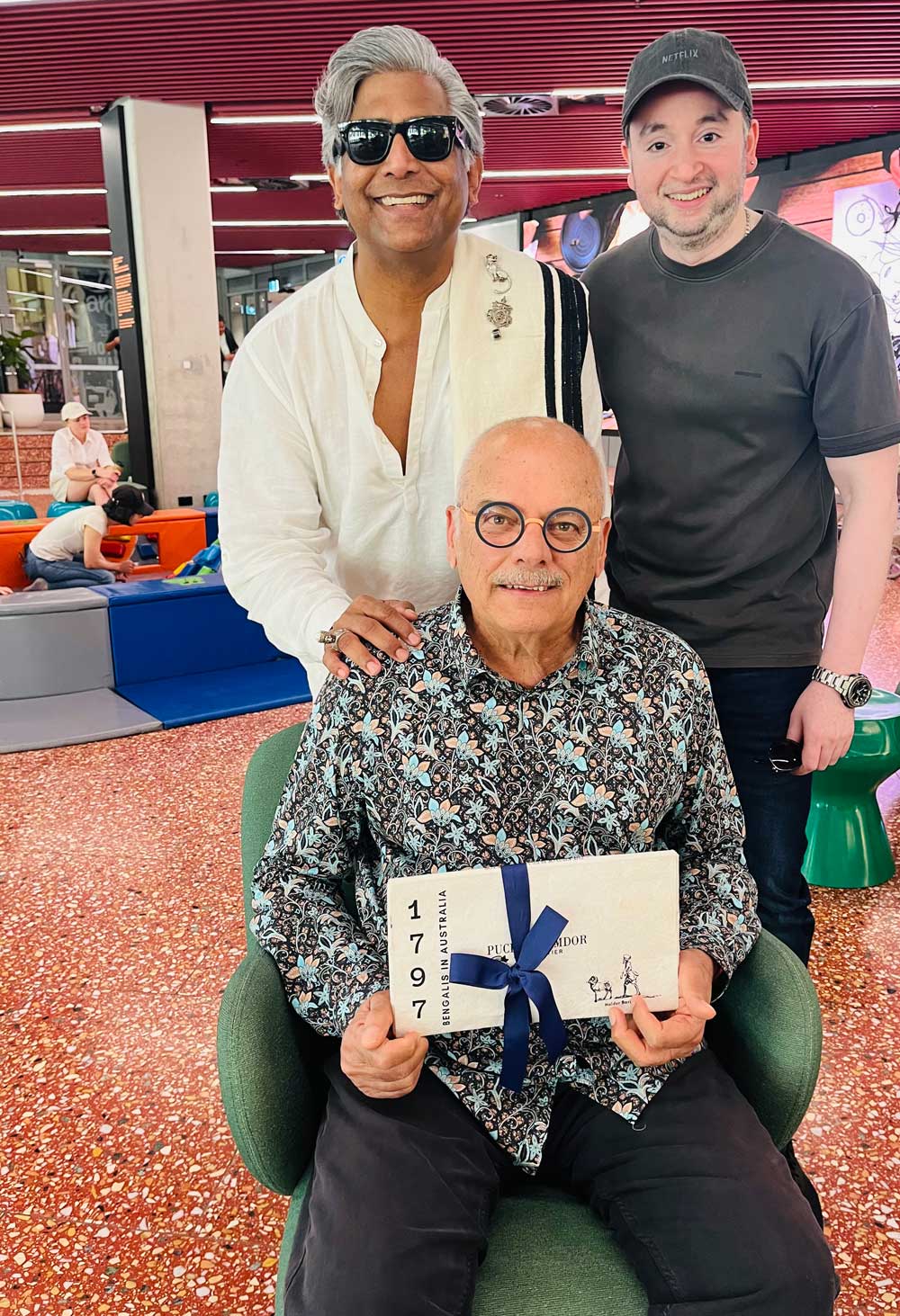
Nicola connected me with Keith Bulter and his wife, Robyn, the passionate organizers of this gathering. Keith, a remarkably welcoming host, immediately connected with my own Calcutta upbringing. As a token of shared heritage, I presented Keith with a curated trilogy of gifts: a beautiful umbrella decorated with iconic Calcutta landmarks from Mohendra Dutt & Sons (Est. 1882), a specialty chocolate celebrating the first arrival of Bengalis in Australia in 1797, and the book Home Across The Horizon, while listening to stories of playing rugby union against the Armenian men of Calcutta.
A Multiracial Tapestry Across Centuries
As the presentation unfolded, it traced a grand historical arc: from the arrival of Vasco da Gama in 1498, to French Governor-General Joseph-
While Tony Brent (1950s UK Chart-Topper),was a traditional pop singer who achieved huge success on the UK Singles Chart in the 1950s (“Cindy, Oh Cindy”) was an Anglo-Indian born like British pop star Sir Cliff Richard moved to Calcutta as a young child and went to school in the city. So did Engelbert Humperdinck who was a famous crooner (born Arnold George Dorsey)with his Anglo-Indian mother.
Bengali film director Anjan Dutta in his film Bow Barracks Forever (2004) paid cinematic tribute to the real-life struggles, joy and unique lifestyle of the Anglo-Indians in Calcutta followed by Aparna Sen’s acclaimed film 36, Chowrangee Lane.
Calcutta became the beating heart of this Anglo-Indian community – a buzzing metropolis where they lived, thrived, and dynamically shaped civic society for decades. Today, a significant portion of this vibrant diaspora calls Australia home. I frequently encounter Anglo-Indian professionals, particularly in the medical field, while visiting Sydney’s Eastern Suburbs.
This deep connection instantly triggered a cherished personal memory from decades ago. While cooling off in a swimming pool at my aunt-in-law’s summer Christmas party, my brother Partha and I were speaking in Bengali. Suddenly, an elderly woman sunbathing nearby chimed in: “You boys are Bengali. I used to have a Bengali boyfriend in Calcutta. My name is Tili.” It is an encounter I have never forgotten – a testament to how deeply interwoven our communities have always been.

Sacred Memories and Enduring Legacies
The presentation highlighted extraordinary individuals fighting to preserve this heritage:
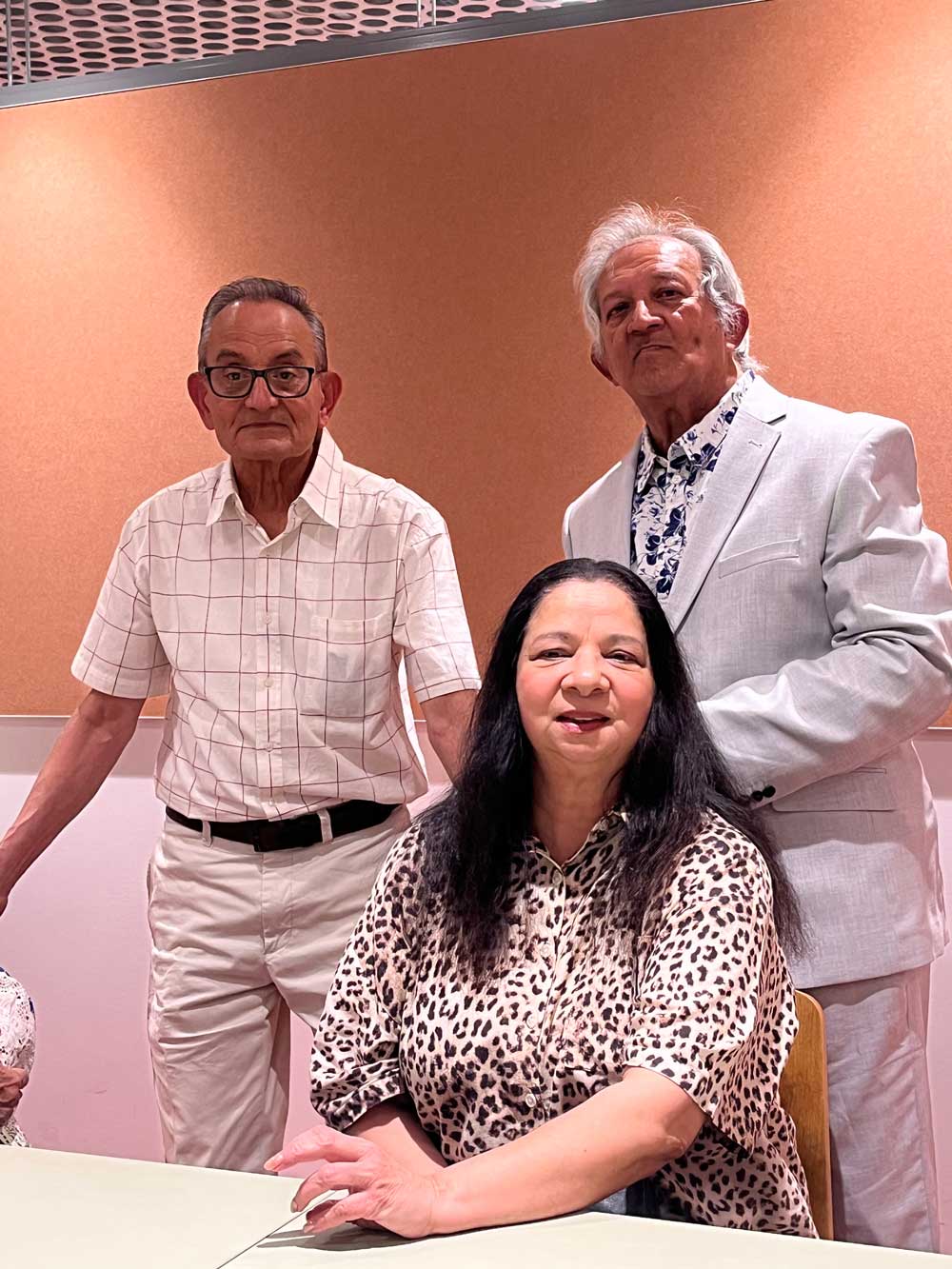
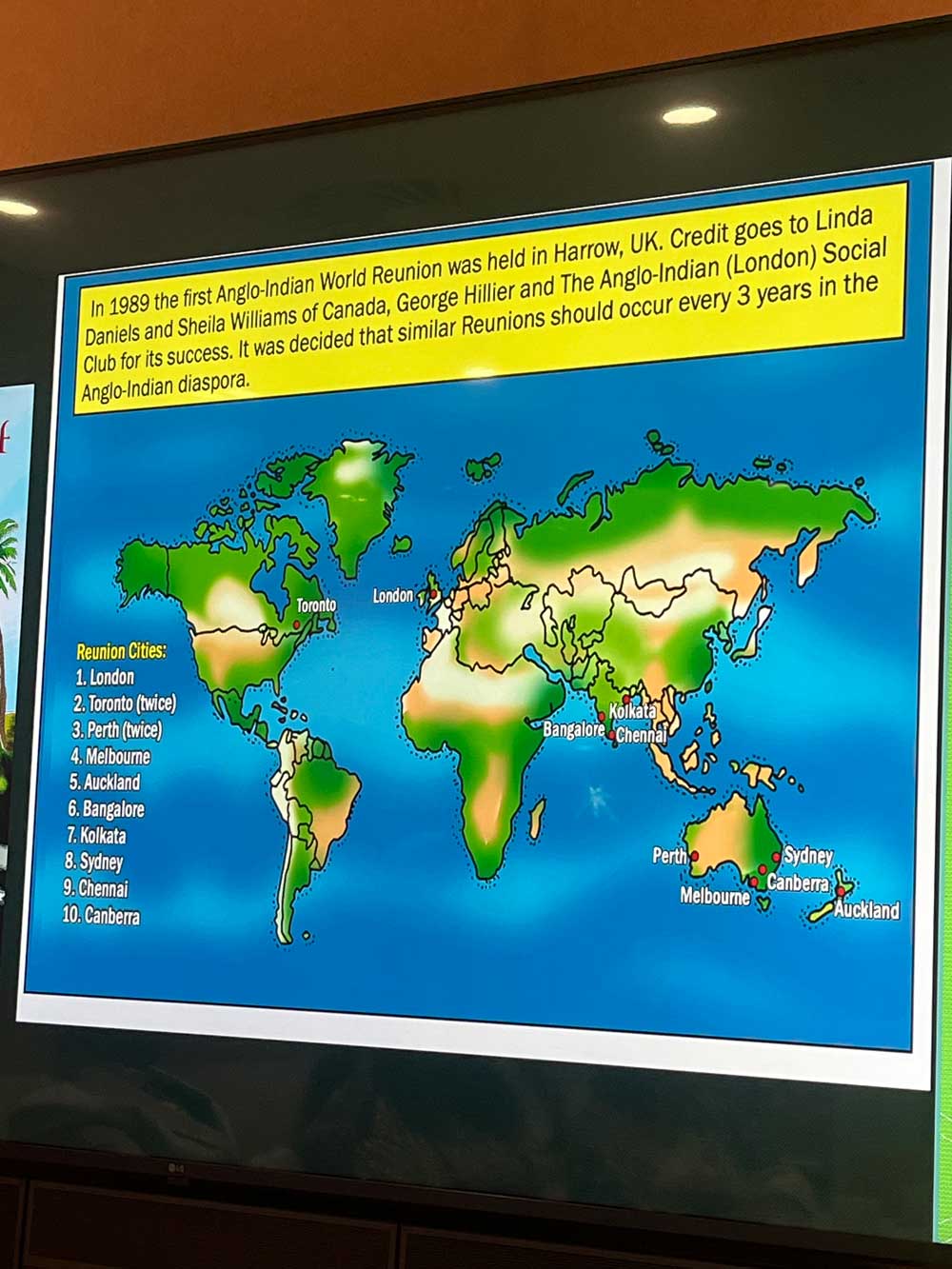
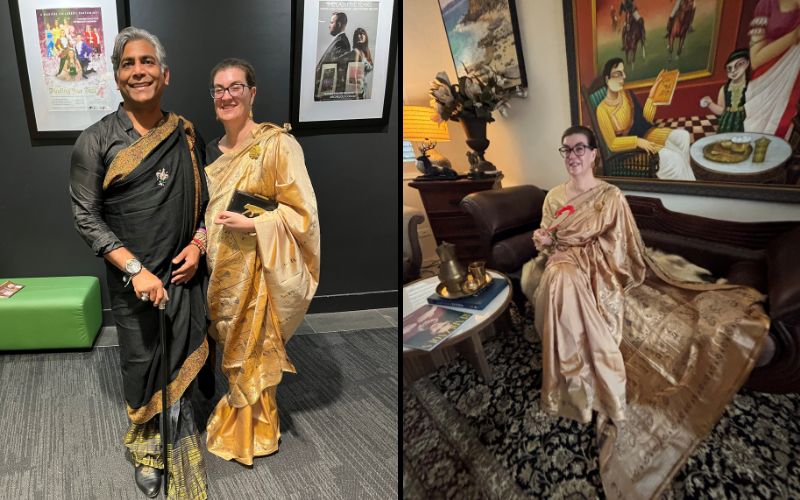
- Michelle Olivier & The Mango Teardrop Saree: Based in the UK, Olivier is fiercely reclaiming her overlooked Anglo-Indian ancestry. Her custom mulmul (cotton muslin) garment, five years in the making, serves as a sacred tribute to her Auntie Malcy, who migrated to London in the 1940s. Olivier recalled a moment from the chilly 1960s when her homesick aunt cradled a fresh mango against her cheek – her first taste of home in twenty years – as a single tear fell. To freeze this sensory memory in time, Olivier beautifully screen-printed a repetitive motif of her aunt’s face across the saree’s pallu (shoulder drape).
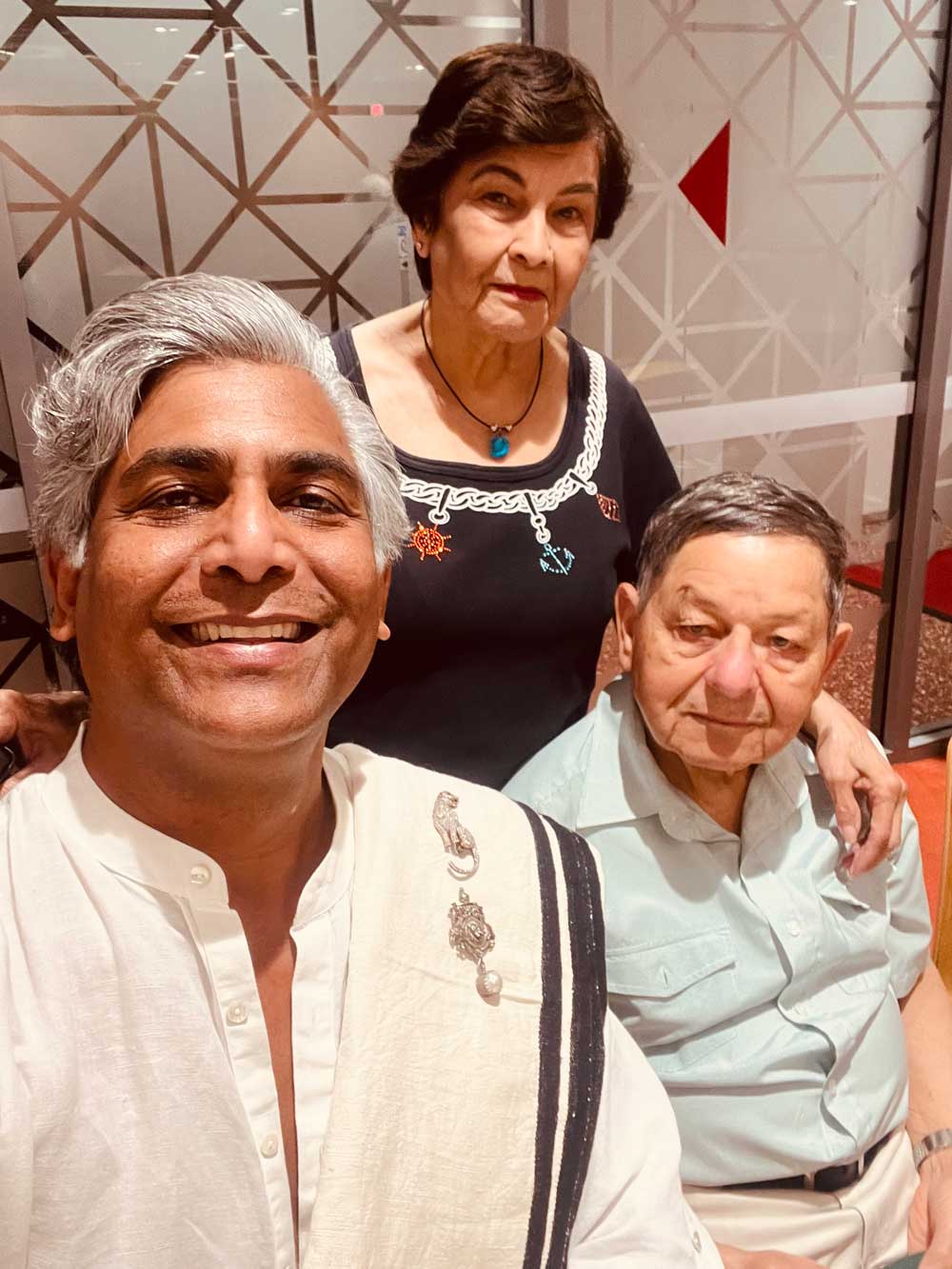
- Joan & The Legacy of Samuel Moore: I met Joan, whose father, Samuel Moore, was a prominent printing executive who served as the official Printer and Publisher of The Statesmannewspaper in Kolkata. Due to the legal framework of India’s Press and Registration of Books Act, his name anchored the publication’s imprint line for decades. Concurrently, he served as a vital Welfare Officer for the Anglo-Indian branch of West Bengal, managing essential education and community assistance networks.
- The Vyse Brothers & Scholastic Excellence: The talk highlighted John C. Vyse (affectionately known as “Jumbo”), who served as the Principal of La Martiniere for Boys during the mid-1960s, and his brother Theo A. Vyse, who led St. Thomas’ School. My brother Partha was a student at St. Thomas’, where Theo’s impact was so profound that one of the student boarding houses is still proudly named Vyse House.
- Don Bosco School, Park Circus: Alongside these institutions stands Don Bosco, Park Circus, another legendary bastion of Anglo-Indian education in Calcutta. Officially opened in January 1958 under its first rector and principal, Fr. Charles Dyer, the school quickly etched its name into the heart of the city. Guided by its Latin motto Virtus et Scientia(“Virtue and Knowledge”)
- The Linguistic Bridge of “Sikandar”: The presentation explored how the name “Sikandar” (the Persian/Hindi/Urdu variation of Alexander the Great, meaning defender of men or victorious) became a mainstay in Anglo-Indian naming traditions. Its ultimate historical icon was Colonel James Skinner (“Sikandar Sahib”), born to a Scottish father and a Rajput mother, who founded the legendary Skinner’s Horse cavalry. The name served as a perfect cross-cultural bridge, satisfying both European roots and South Asian regional pride.
Looking Ahead: A Milestone Future for Keith’s Book
Listening to this breathtakingly rich history left me filled with an overwhelming sense of pride and emotion. For too long, the nuanced, complex, and beautiful history of the Anglo-Indian population has been relegated to the margins of mainstream historical texts.
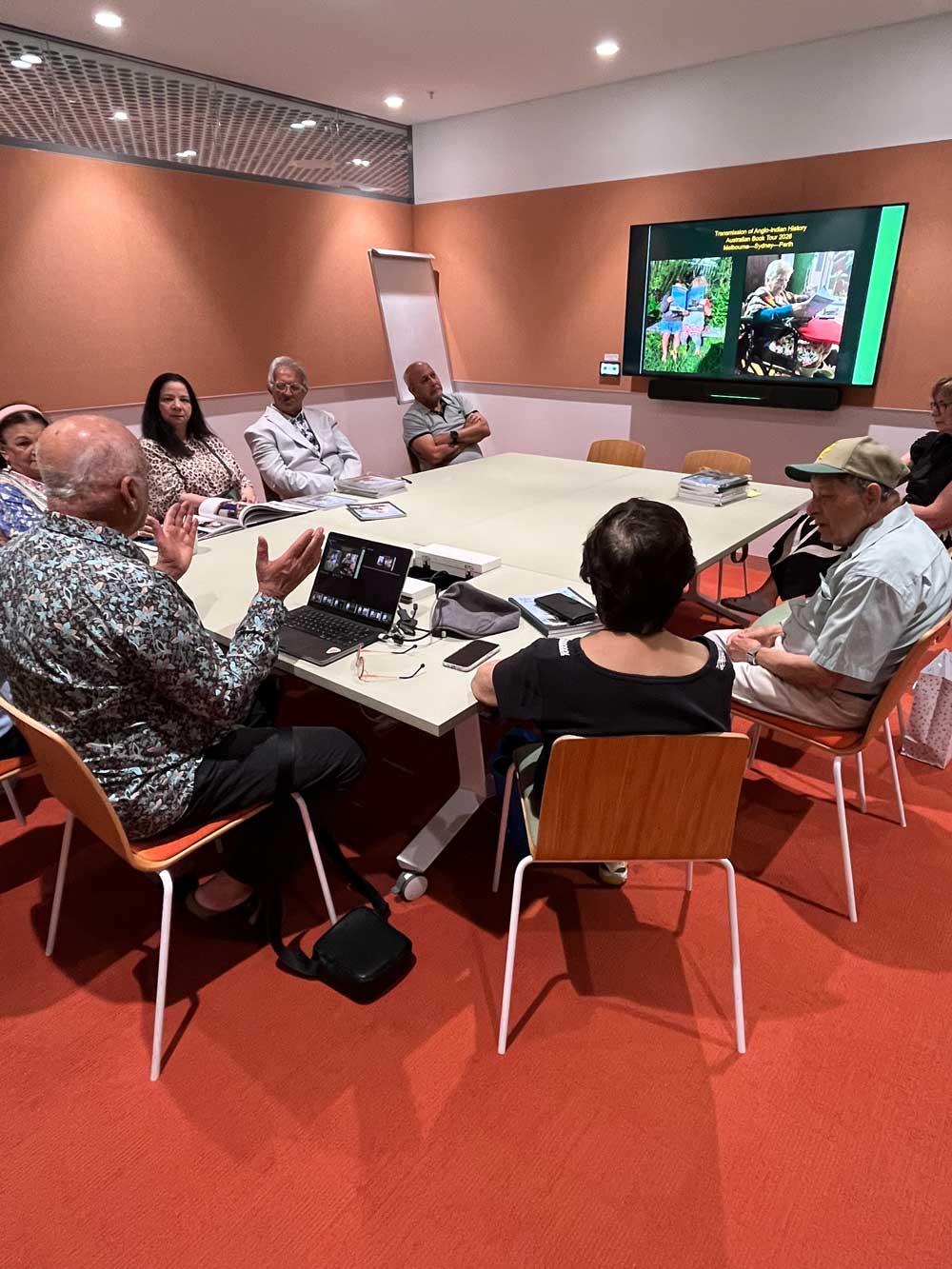
Keith Bulter’s upcoming book – History of AngloIndians with graphics, stands on the precipice of changing that forever. This book is not merely a collection of chapters; it is a cultural resurrection. With the unwavering emotional support of a community that spans from West Bengal to New South Wales, this work is destined to achieve milestone status. It will undoubtedly become the definitive “Bible” for celebrating a vibrant, resilient heritage that shaped modern India and continues to enrich the multicultural fabric of Australia. It is a vital, living archive that ensures these stories will never fade across the horizon.
– Indranil Halder

Indranil Halder
Corporate Medical Sales Consultant, Global Heritage Tourist, Writer, Video Producer, former ambassador for the India Australia Business & Community Alliance (IABCA) and polo enthusiast.