On a crisp winter Sunday morning in Marsfield, Sydney, a documentary crew from Sydney’s Powerhouse Museum stepped into a living sanctuary of cultural survival. Marsfield is a suburb where Governor Phillip began granting land parcels to the Royal Marines in 1792. Inspired by Rome’s Campus Martius, he named the region Field of Mars. In 1804, Governor King established the Field of Mars Common. Not far is the historic T.G. Millner Field, the home ground of the Eastwood District Rugby Union Football Club.
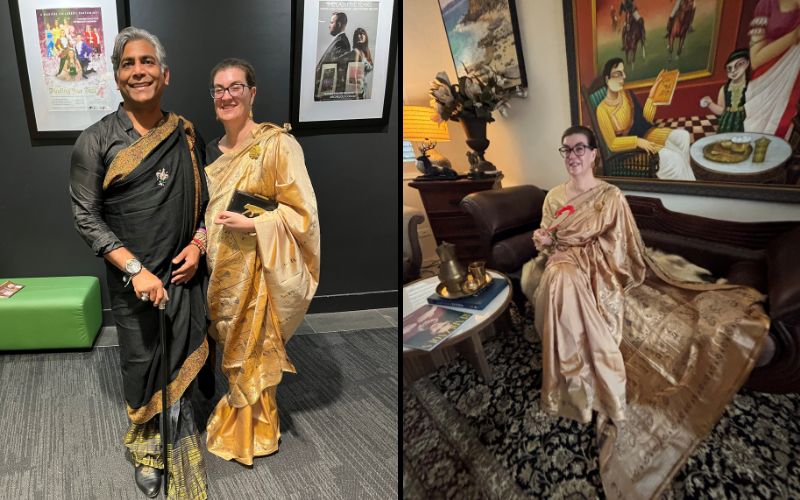
Here lives Jane Wilkins, affectionately known as the Queen of Baluchari. Her private residence, nestled right next to Lucknow Park, holds more than just a collection-it guards the surviving heartbeat of an ancient Bengal textile art that once stood on the precipice of extinction due to harsh British colonial policies. And the grand mansion of Curzon Hall, near her private residence with a garden and plantation shutters, is a reminded of harsh British rule in Bengal especially for the local world class weaving industry.
The mansion was named after the Curzon family as a gift from wealthy Sydney railway entrepreneur Harry Smith to his wife, Isabella Curzon Webb. Isabella was a relative of Lord Curzon, the Viceroy of India who ruled from Calcutta, (the second capital of the British Empire and one of the richest provinces in the world, Bengal). He also laid foundation of another Curzon Hall with Mughal and European architecture in the muslin weaving capital of Dakha, Bangladesh in 1908.
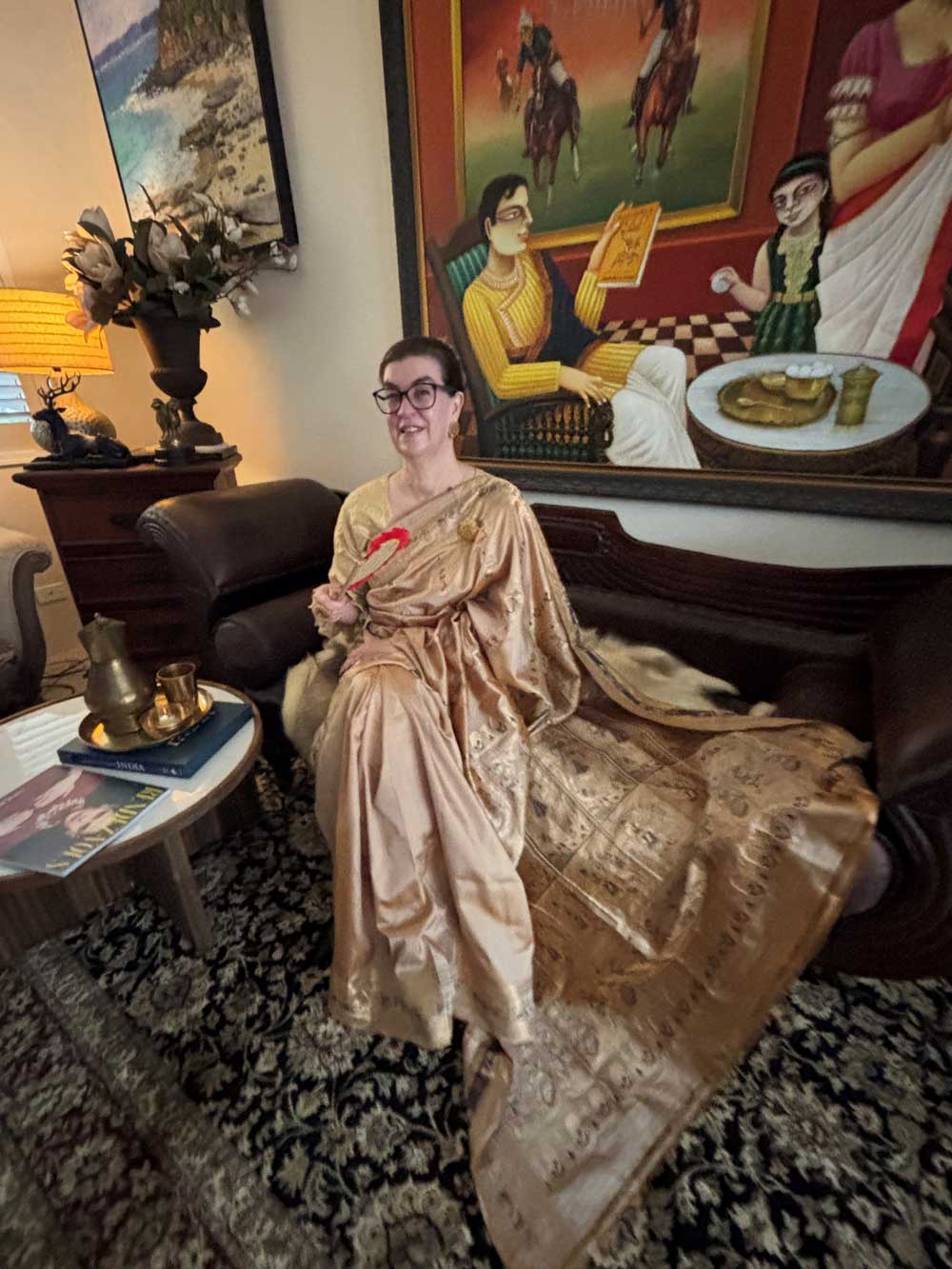
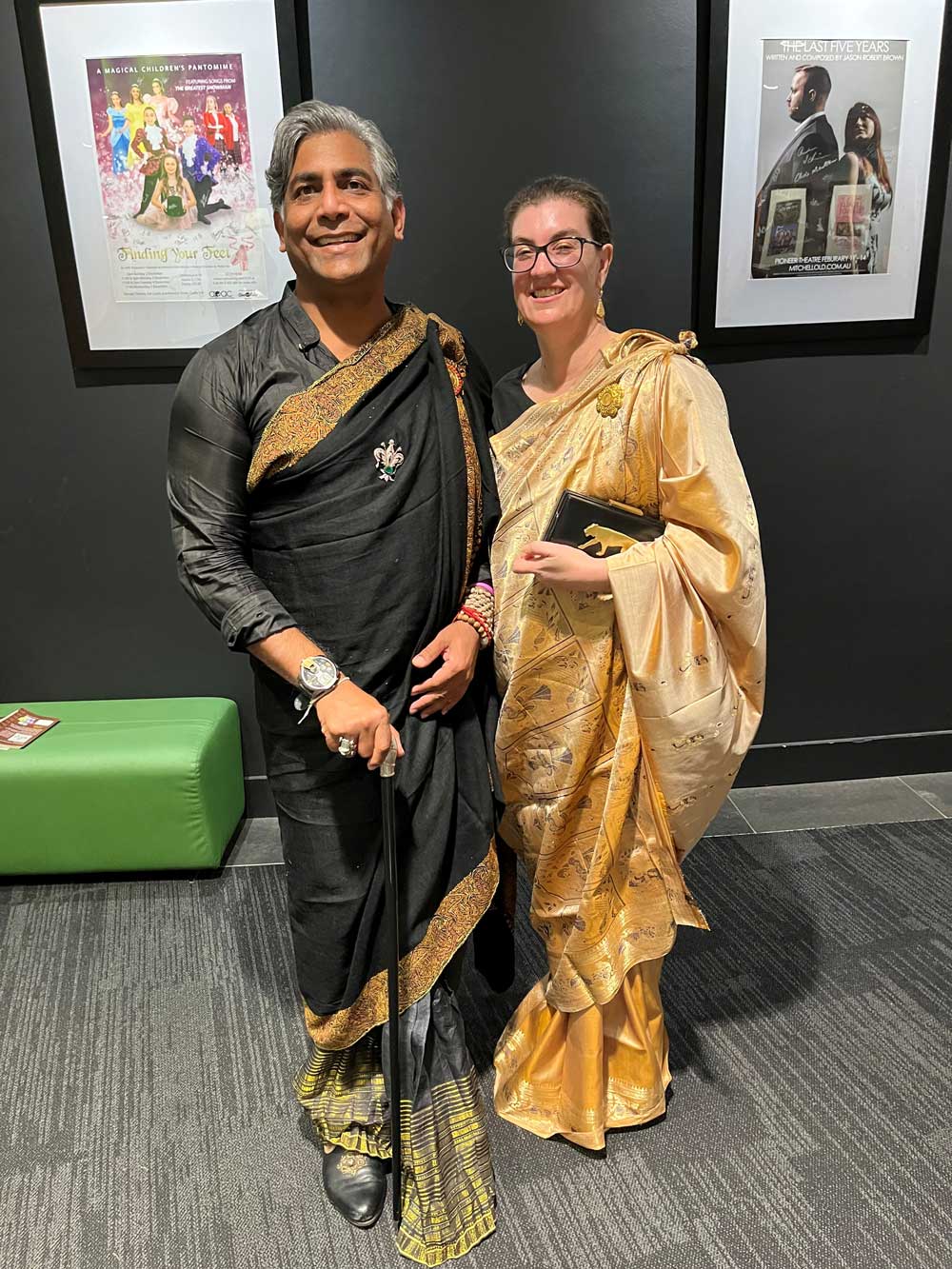
To look upon Jane’s collection is to witness a love letter to history, passed down through generations across continents. She wants to ensure her daughter Indira loves Baluchari too. For over half a century, these sarees have been the soul of the Halder family, anchored by the memory of Jane’s late mother-in-law, Kamala Halder. Jane speaks with deep pride of Kamala, who once wore her Baluchari with a tiara and gold jewellery at the ITC Sonar Hotel family gatherings in Calcutta, embodying a grand tradition that refuses to fade.
The tapestry of Jane’s life blends Asian and Australian continents effortlessly:
- A Golden Interview: For the museum crew, Jane draped herself in a shimmering golden Swarnachari, wrapping it with the timeless elegance of a traditional Bengali woman. Her jewelry-a collection of historic Guinea coins bearing the faces of Empress Victoria and King George V-evoked the nostalgic grandeur of Calcutta when it was the second capital of the British Empire and centre of global trade.
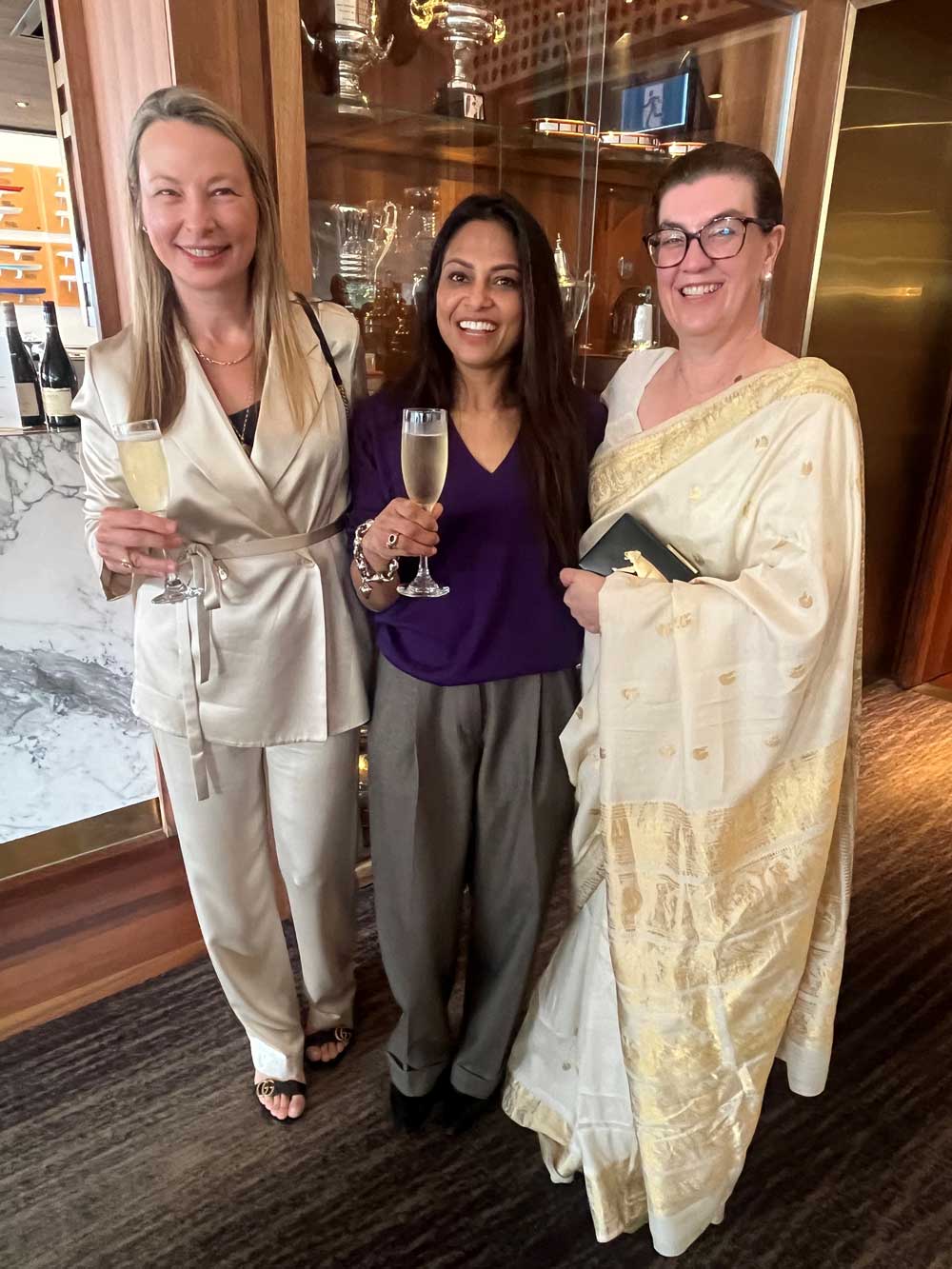
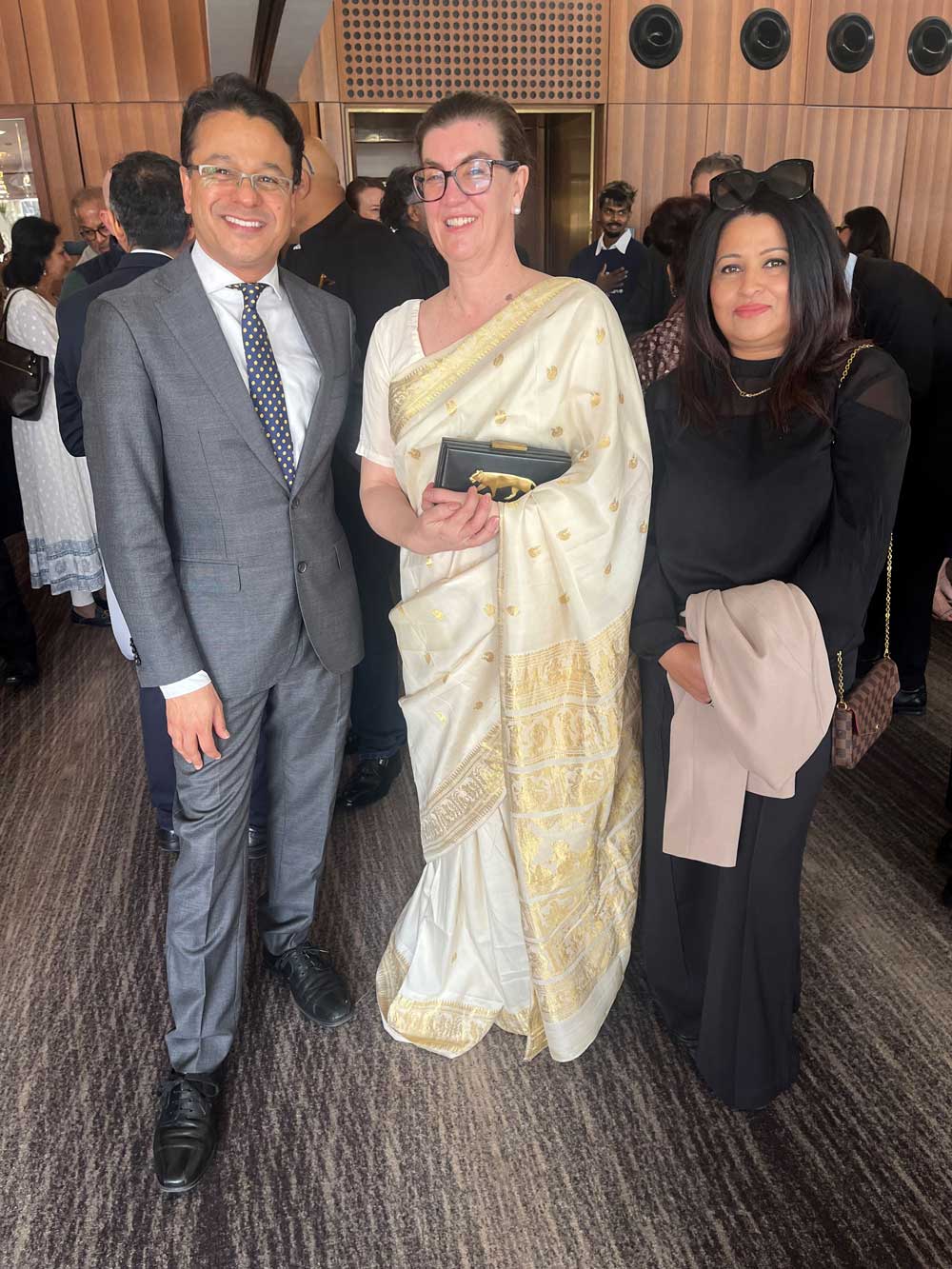
- A Beacon of Remembrance: Just a weekend prior, Jane stood by the waters of the Cruising Yacht Club of Australia and home of the Rolex Sydney Hobart Yacht Race in Rushcutters to celebrate the life of a cherished local Bengali community member and resident of Darling Point, the late Mr. Amalendu (Amal) Roy in an off-white Meenakari Swarnachari, adorned with rare Paspaley pearls and a Sabyasachi clutch, she caught the sunlight so brilliantly that she outshone the sparkling bay with million dollar yatch and mansions.
- Decades of Living History: These sarees have travelled with her to a gatherings of Indian-African heritage doctors in Fairy Meadow decades ago-where she wore a delicate, blue-bordered single-thread design-and to the gates of Kirribilli House, bridging the heritage of the Bengal Gangetic Delta in the Indian subcontinent with the backdrop of the Sydney Harbour and also attending The Australian Ballet or Sydney Philharmonia Choirs or Opera Australia events at Opera House. Whether meeting Indian maharaja from Lake Palace Udaipur, Rajasthan, India or enjoying birthday party celebration with an Australian retail heiress or watching Chivalrous Argentinian polo player win 2017!Polo Championship in her sarees. She had enjoyed them all.
Jane is also familiar with the history of Baluchari that flourished during Murshid Kuli Khan, Nawab of Bengal, who patronised the art. He made sure the textile weavers came to settle in Baluchar area of Murshidabad from Dhaka. The designs of Baluchari had motifs from great Indian epics of Mahabharata and Ramayana with sequences from the Ram and Sita in Ramayana to Arun in chariot in the wars of Mahabharata. Then there were the square designs of the British era with steamships,horse carriages, the officers of the East India Company, smoking hookahs, binoculars and paisley motifs of the Mogul era. Baluchari is like wearing a story in a weave.
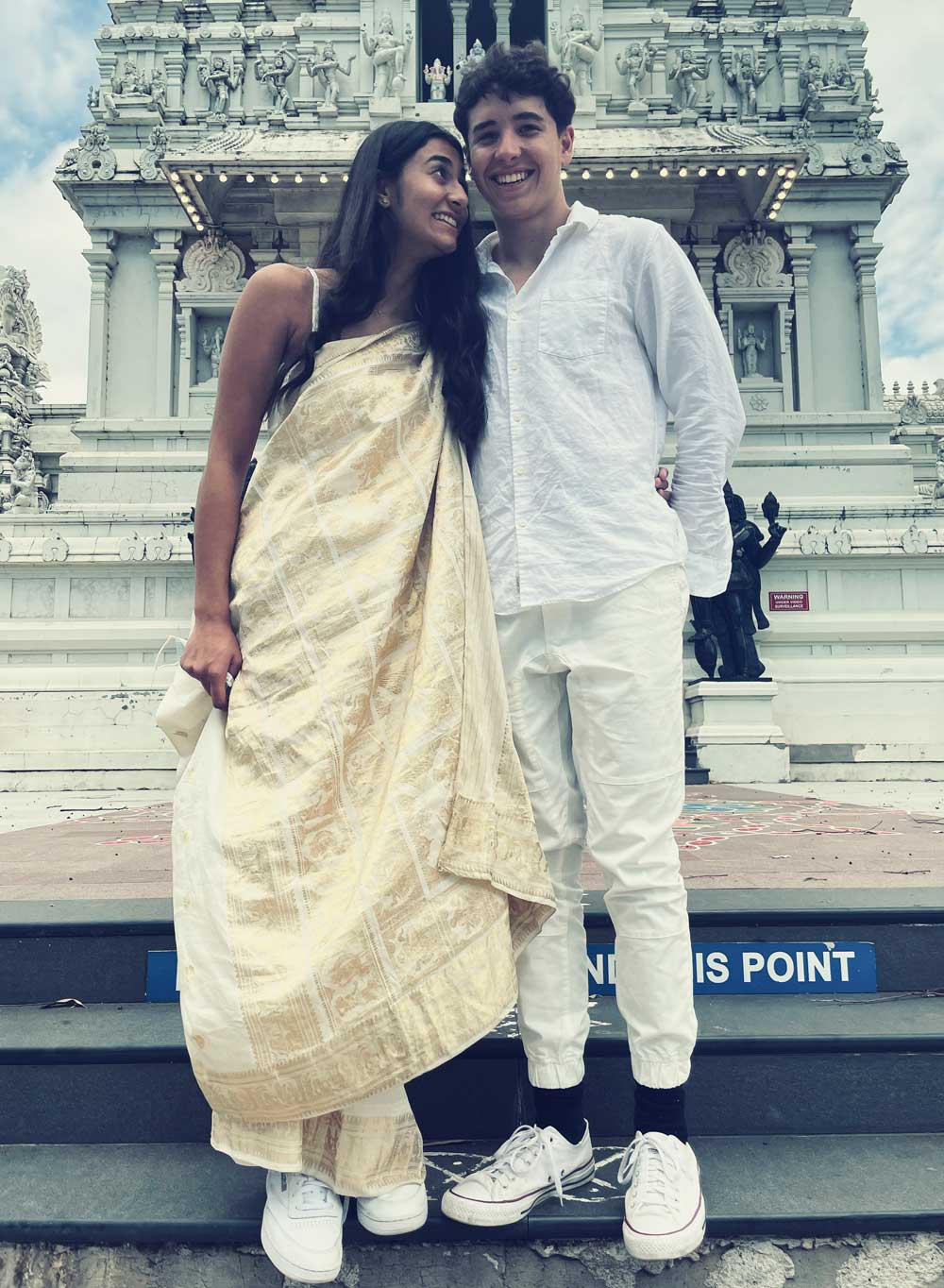
The irony is not lost on the Queen of Baluchari, that the absolute pinnacle of original, 140-to-170-year-old heritage town of Murshidabad where hand-weaving flourished -like the famous Baluchari displayed at the 1855 Paris Exhibition-now rests inside the cold glass cases of London’s Victoria & Albert Museum. Yet, in Jane’s private residence, this 500-year-old art form is wonderfully alive, warm, and deeply personal. The Queen of Baluchari gave a new life to the exquisite beauty of historical handloom weave- Baluchari. They are more valuable than her husband’s Jaguar car.

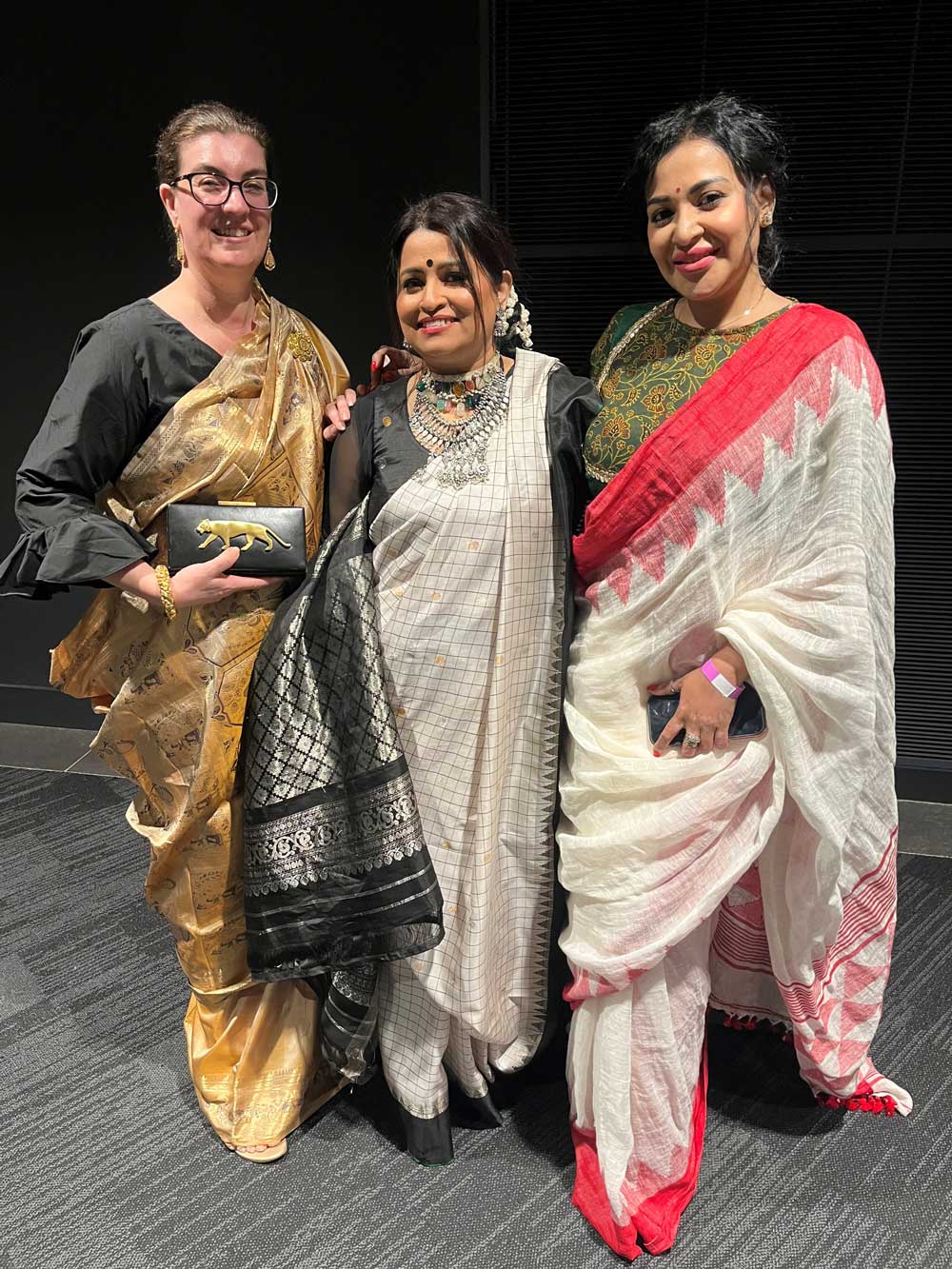
Every Baluchari is a story woven into silk or cotton. From the epic battles of the Mahabharata and the devotion of the Ramayana, to the quirky colonial-era squares depicting East India Company officers smoking hookahs on steamships, the fabric holds the memory of an entire civilization.
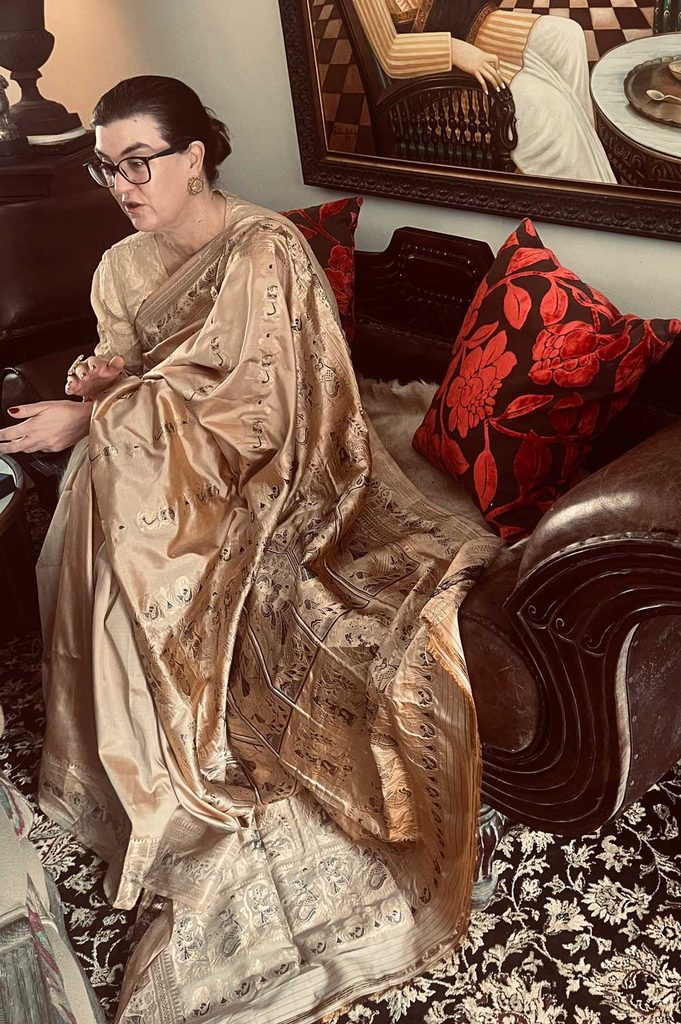
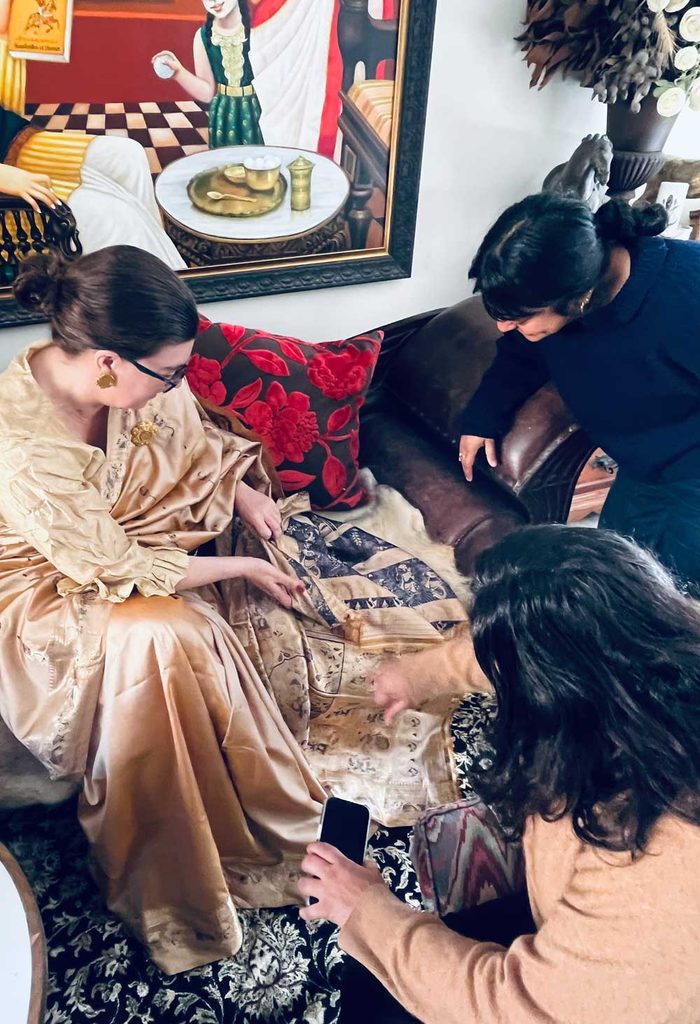
As the interview closed, Jane, lovingly packed away her many unchosen pieces-the Bolani work Cotton Baluchari and the black Mughal motifs Baluchari. Dyed with the organic hues of mangoes, marigolds, and pomegranates, each saree was returned safely to its box for the future generations. In the hands of the Queen of Baluchari, the Baluchari has not only survived; it continues to drape the world in its enduring glory, glamour, and grace.
– Indranil Halder

Indranil Halder
Corporate Medical Sales Consultant, Global Heritage Tourist, Writer, Video Producer, former ambassador for the India Australia Business & Community Alliance (IABCA) and polo enthusiast.