The 2026 awards recognised work that helped newly arrived migrants find jobs, Afghan girls stay active and families build trust with police.
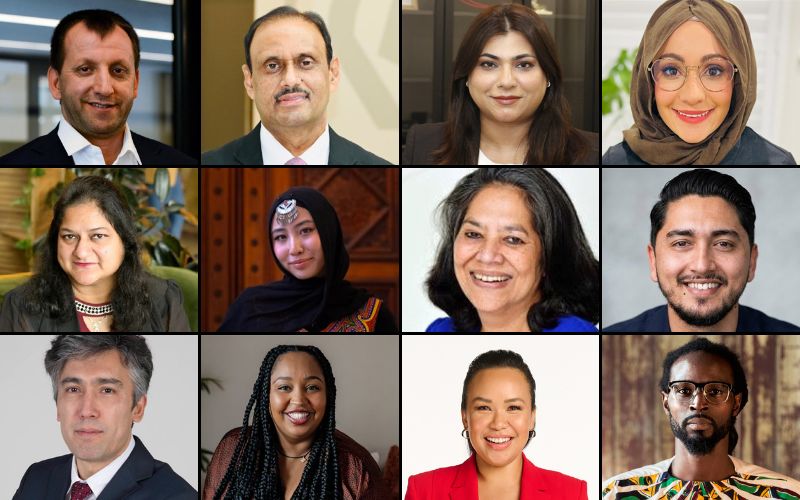
When Tarzon Budhathoki came to Australia as an international student, he was looking for opportunities of his own. Now, as co-founder and CEO of Best Nursing Agency, he has helped 25 newly arrived migrants find jobs while helping address healthcare staffing shortages in regional Victoria.
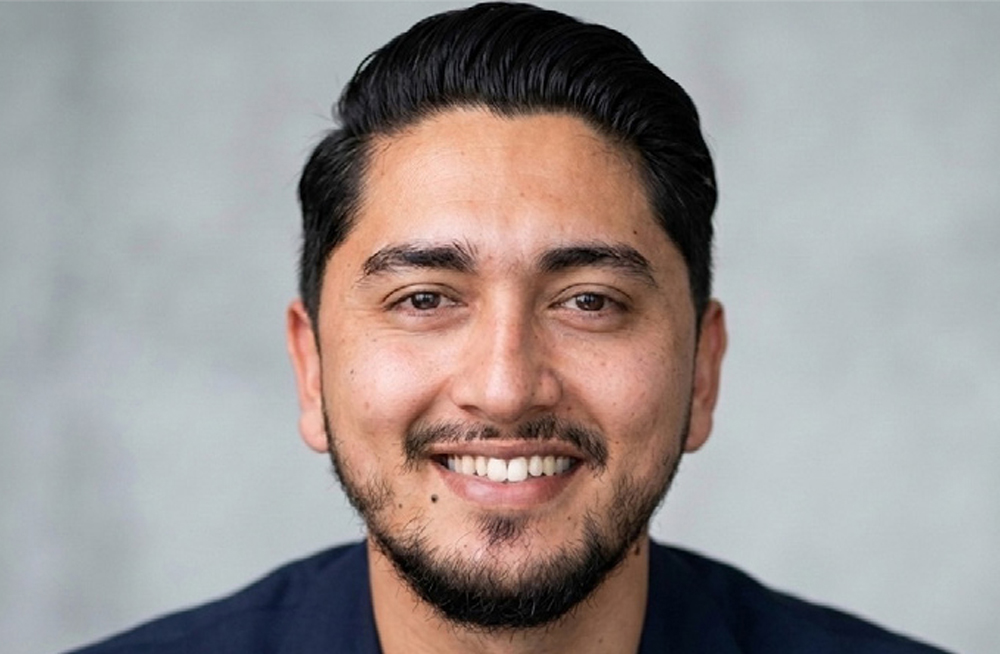
That work earned him the individual Business and Employment Award at the 2026 Victorian Multicultural Awards for Excellence, held in Melbourne on 14 October. Budhathoki also mentors young people as vice-president of Melboure nepal, a local Nepali youth association.
Afghan community leadership recognised in sport, policing and education
Abdul Basir received the individual Sport and Recreation Award. A community programs team leader at Uniting Vic/Tas, he designed Keeping Afghan Girls Active to help more girls participate in sport.
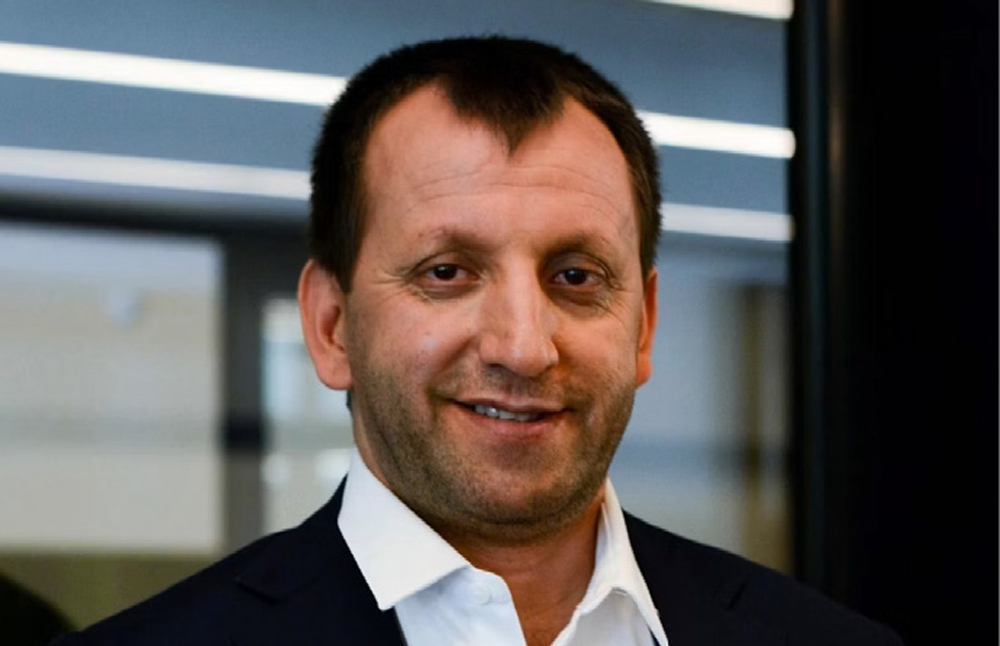
He also founded Afghan Culture Day in Australia, creating a space for the community to share and celebrate its heritage.
Zabi Mazoori, an Afghan Hazara community leader and president of the Victorian Afghan Associations’ Network, received the Police Community Exemplary Award.
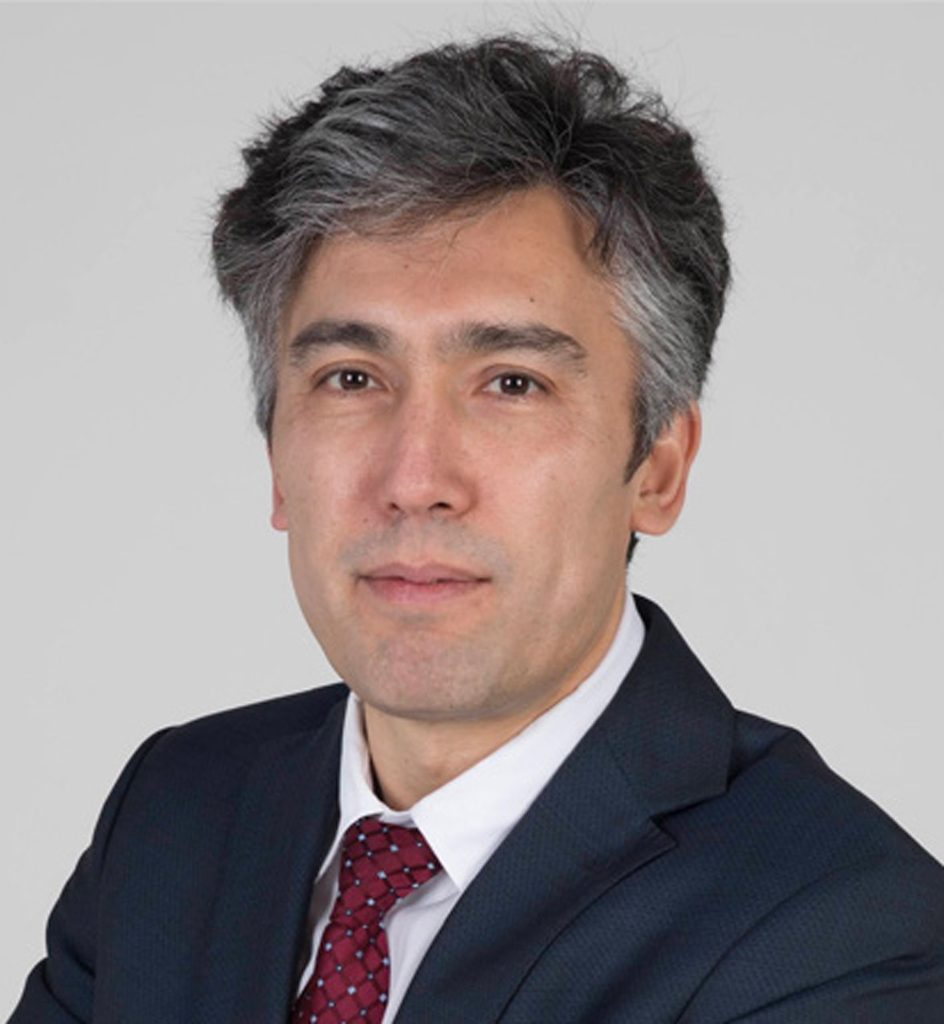
His work with Victoria Police has included road safety presentations and ‘Chai and Chat with Police’ sessions where Afghan women can speak directly with officers.

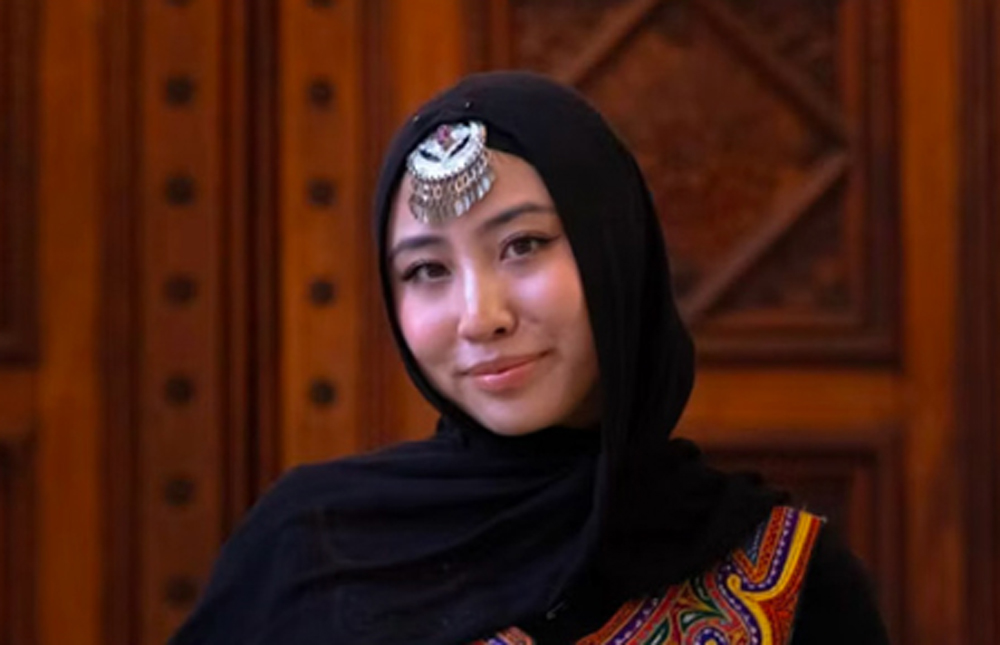
Hazara-Australian advocate Roqya Husseini won the individual Refugee Youth Leadership Award. Drawing on her own experience as a refugee, Husseini has supported young people as a multicultural education aide and taken part in the Victorian Youth Parliament.
Recognition for family violence prevention and public service
Malavika Kadwadkar won the individual Prevention of Family Violence Award after more than two decades working across women’s health, gender equality and multicultural community engagement.
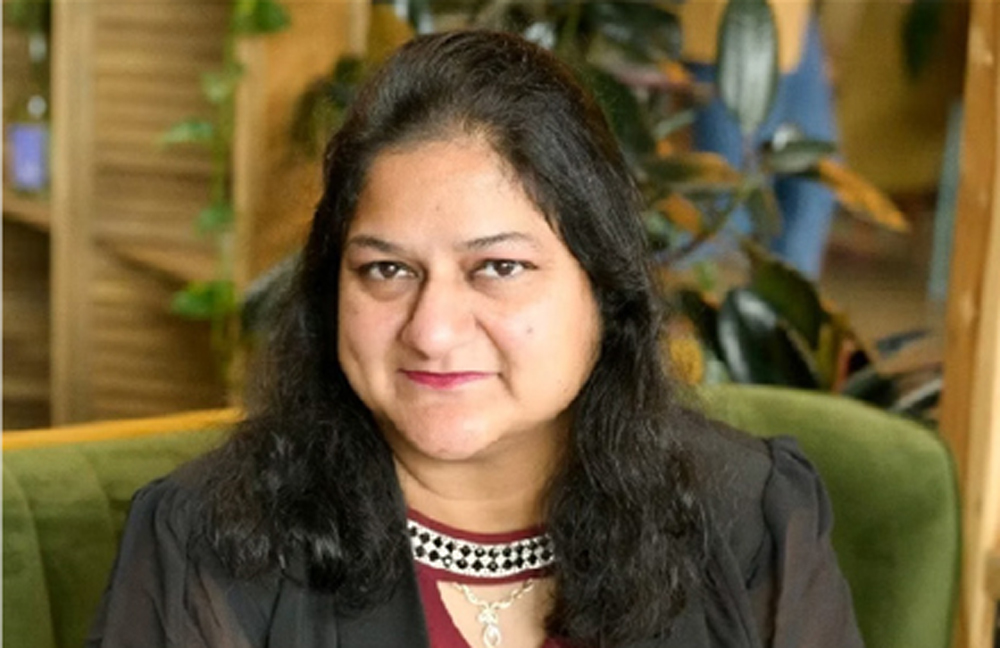
As community outreach lead at Women’s Health in the South East, she works directly with migrant and refugee communities.
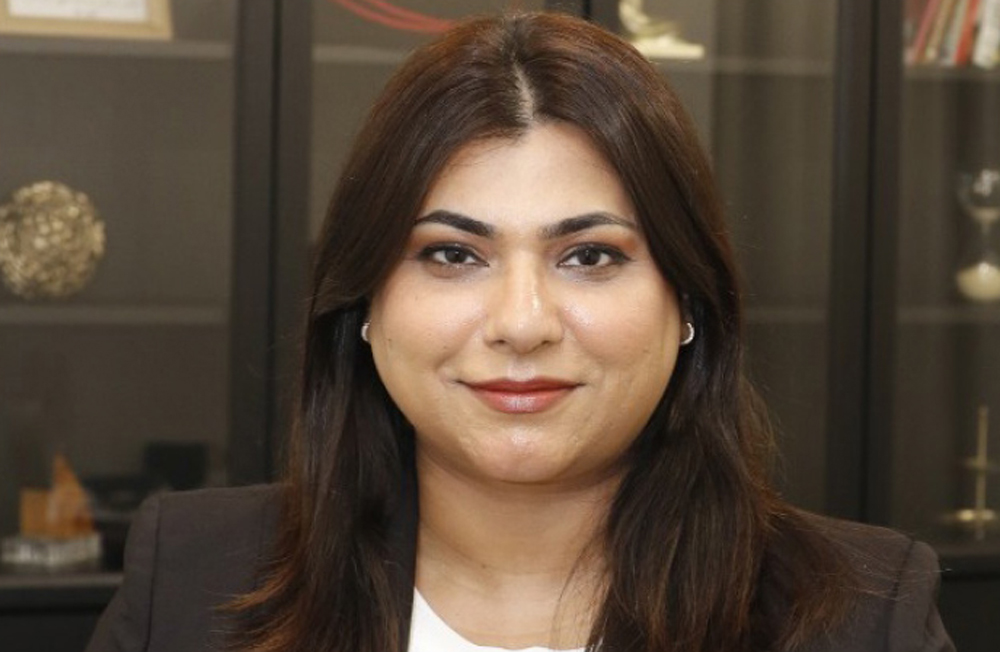
Economist Dr Mehwish Ghulam Ali received the individual Public Sector Diversity and Inclusion Award for her work on inclusive leadership and policymaking across the Victorian Public Service.
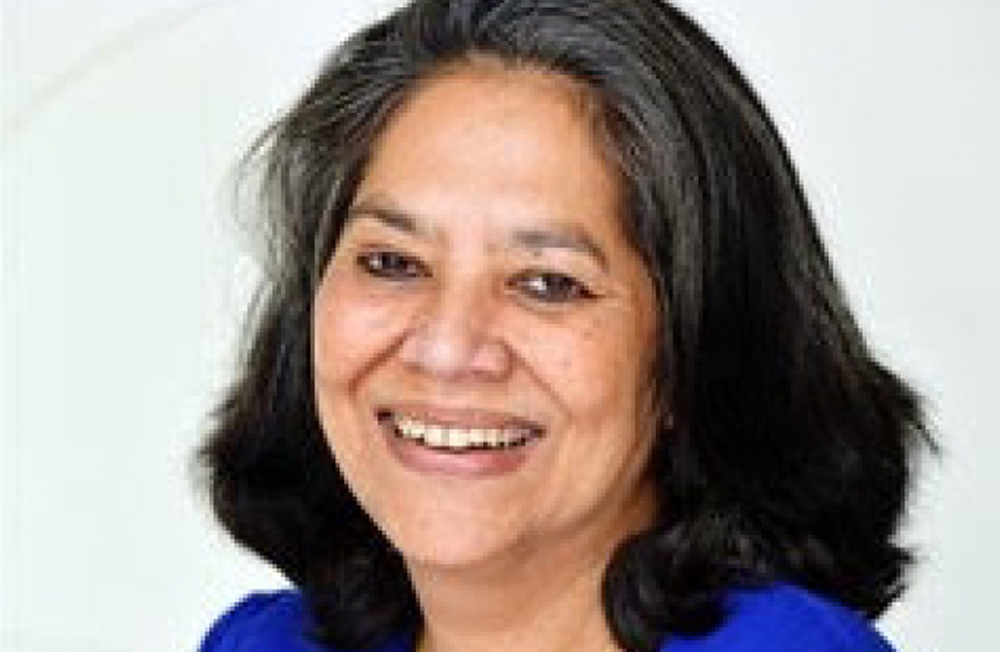
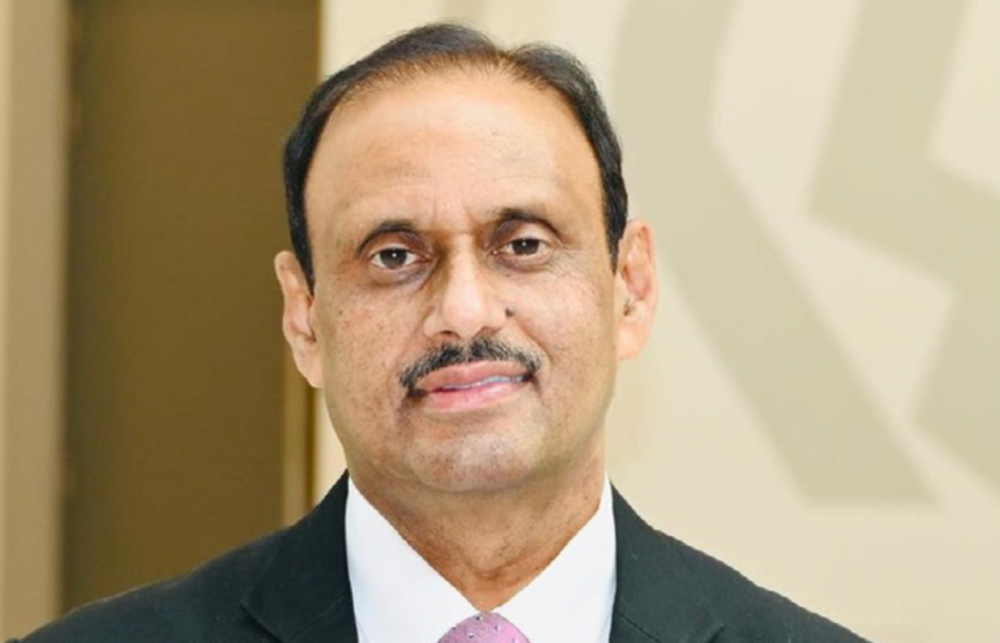
The Victorian Multicultural Honour Roll also recognised long-term community service. Inductees included Dr Umber Rind, a Baloch Muslim and Yamatji Badimaya doctor who has cared for Aboriginal children and refugee families, and Dr Majid Naeem Gondal, a Victorian GP who supports internationally trained doctors and advocates for culturally safe healthcare. Saleha Singh was recognised for her grassroots advocacy and her role in founding the Multicultural Women’s Alliance Against Family Violence.
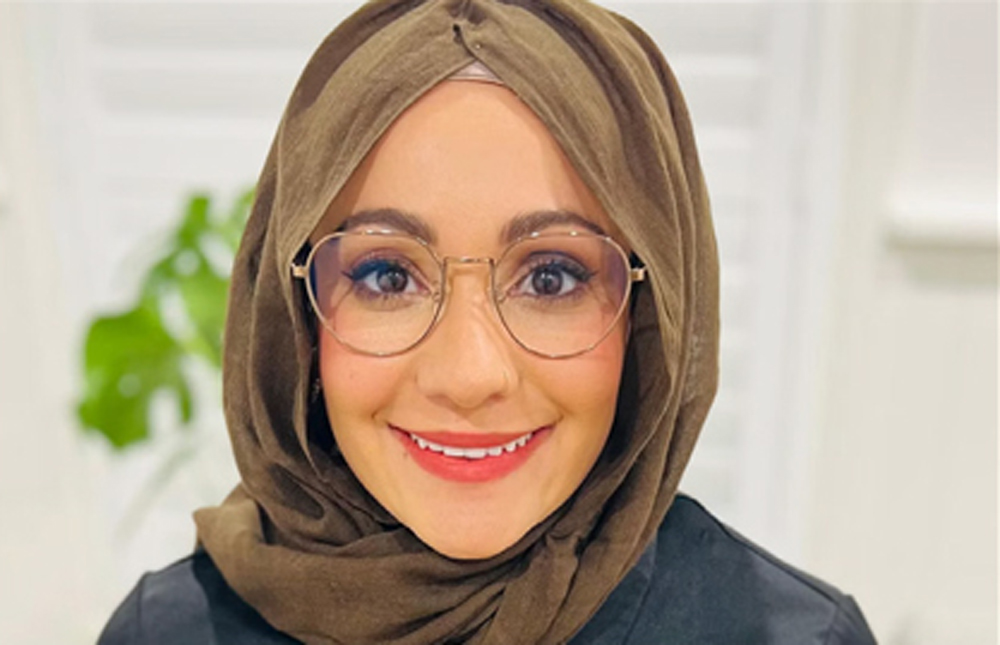
Stories from across multicultural Victoria
The awards, now in their 25th year, recognised contributions across 13 categories. In media, 9News Melbourne journalist Neary Ty received the individual award.
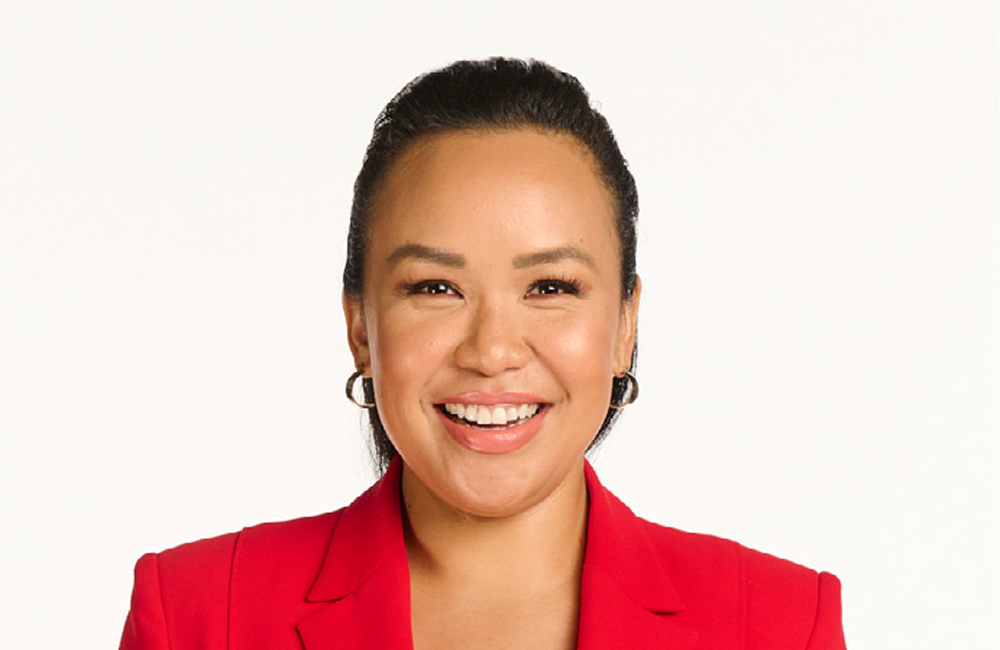
Her documentary about her father’s survival under the Khmer Rouge brought a deeply personal Cambodian-Australian story to television audiences. Community broadcaster 3ZZZ won the organisation award for giving Victorians a platform to tell stories in their own languages.
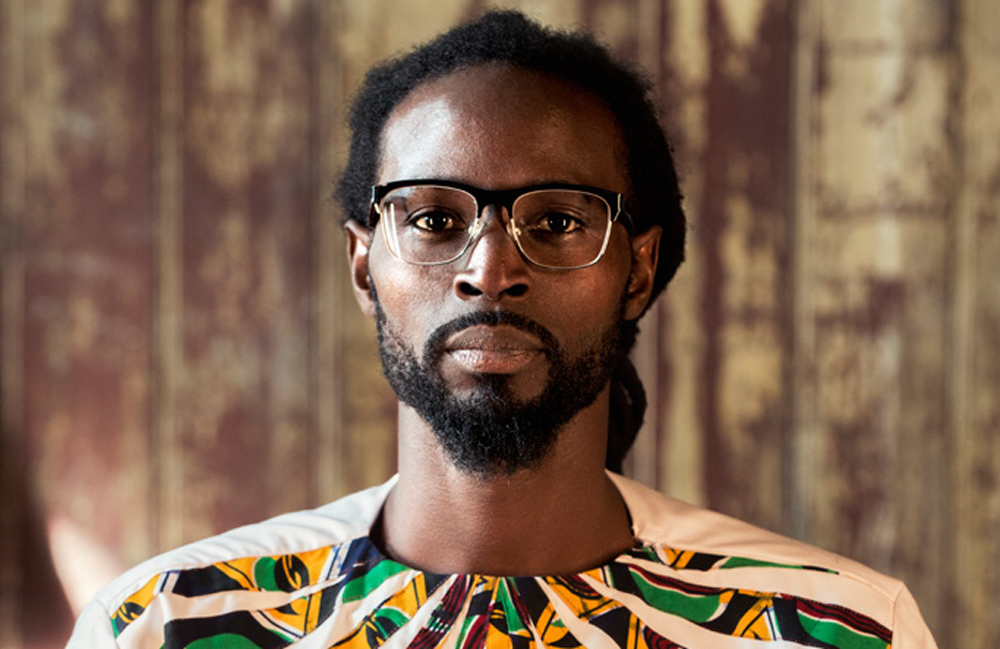
Senegalese-born artist and composer Lamine Sonko received the individual Arts and Culture Award for his work sharing African cultural knowledge across generations. The Ukrainian Women’s Association Victoria won the organisation award, with the Ukrainian Australian Literary Festival among its recent projects
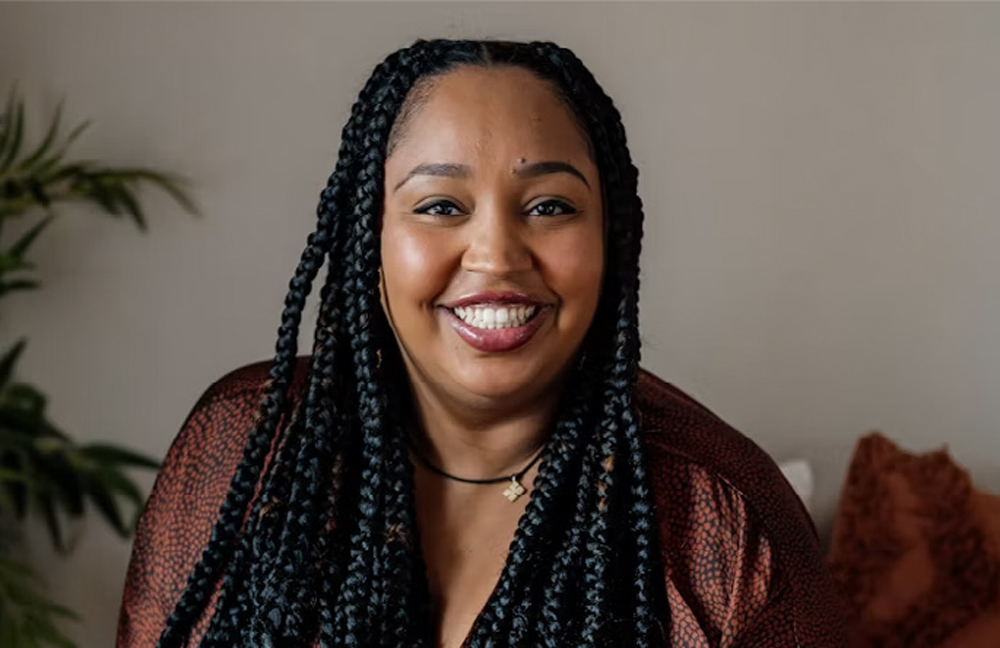
In mental health, Ethiopian-Australian trauma counsellor Tigist Kebede was recognised for expanding access to culturally responsive care. The Water Well Project won the organisation Refugee Leadership Award for helping refugees and people seeking asylum navigate Australia’s healthcare system.