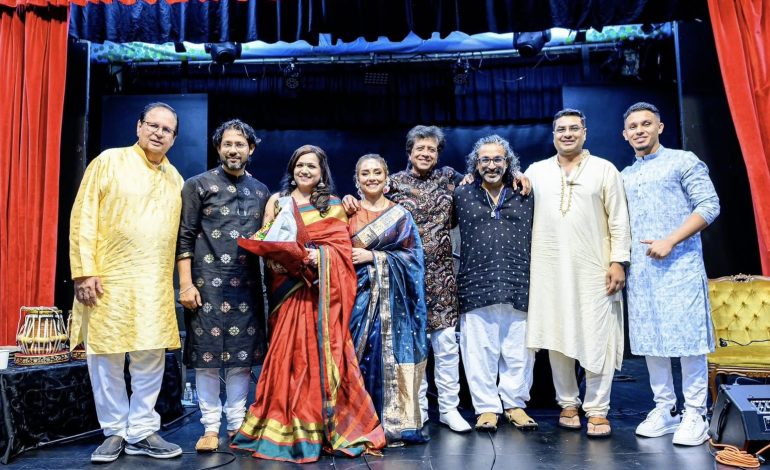
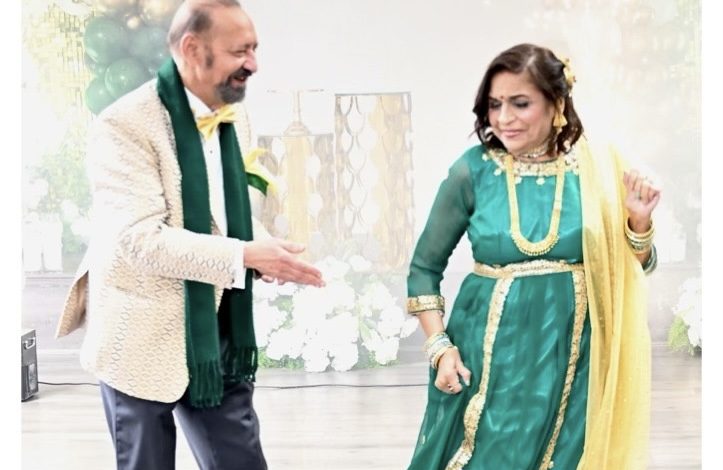
April is one of the most culturally vibrant months across South Asia, marking the beginning of new years, harvest cycles, and spiritual renewal for millions. Though celebrated by different communities – Sikh, Bengali, Tamil, Sinhalese, Malayali, Nepalese, and Assamese – these festivals are united by a shared philosophy: letting go of the old, embracing new beginnings, and celebrating life with gratitude, family, and community.
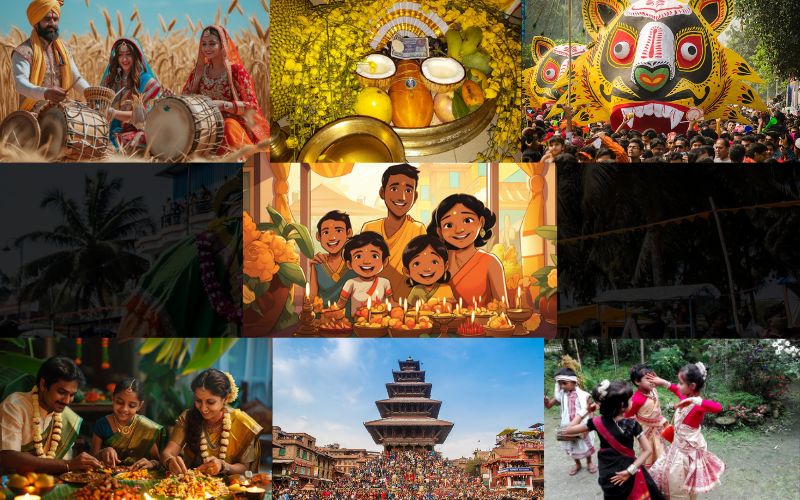
In Australia, these traditions take on a new dimension, bringing together diaspora communities while also inviting multicultural audiences to experience the richness of South Asian heritage.
Vaisakhi
Vaisakhi: Harvest, Heritage, and the Spirit of the Khalsa
Faith, Identity, and Community Strength
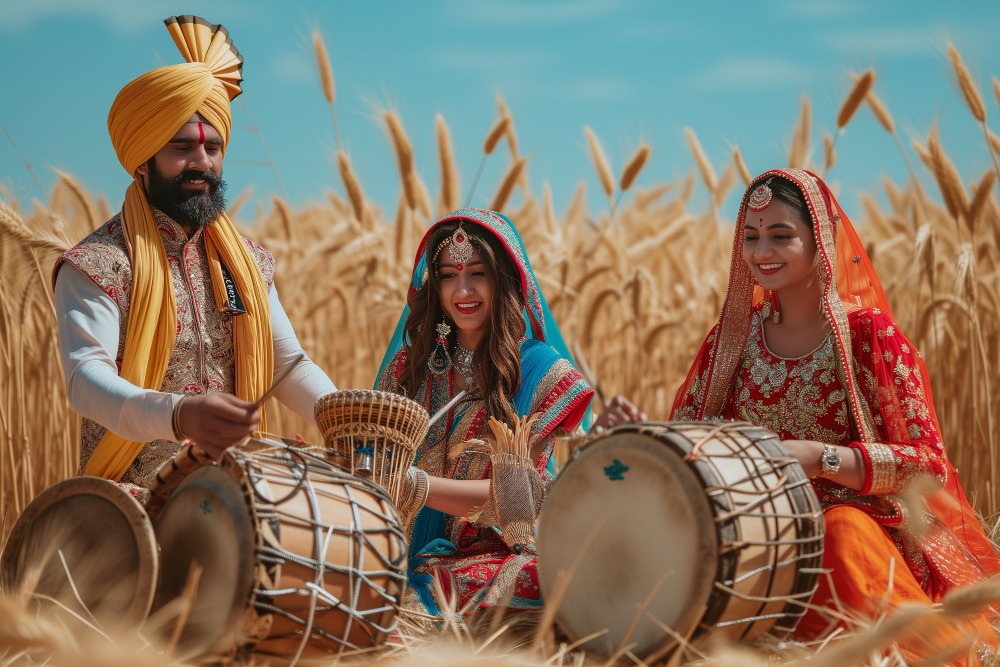
Vaisakhi is one of the most significant festivals in Sikhism, commemorating the historic formation of the Khalsa in 1699 by Guru Gobind Singh Ji. On this day, the Guru established a collective identity rooted in equality, courage, and service, which continues to define Sikh values today.
Beyond its religious importance, Vaisakhi is also a harvest festival in Punjab, celebrating the ripening of crops and the rewards of hard work. The day begins with prayers at gurdwaras, including the reading of the Guru Granth Sahib, followed by Nagar Kirtan processions where hymns are sung through the streets.
A key highlight is langar, the community kitchen, where free meals are served to all regardless of background, embodying the Sikh principles of humility and inclusivity. In Australia, cities like Sydney and Melbourne host large-scale Vaisakhi parades, attracting people from all communities.
“Vaisakhi is not just a festival it is a living expression of equality, सेवा (service), and unity.”

Pohela Boishakh
Pohela Boishakh: Colors, Culture, and New Beginnings
Culture, Commerce, and Celebration
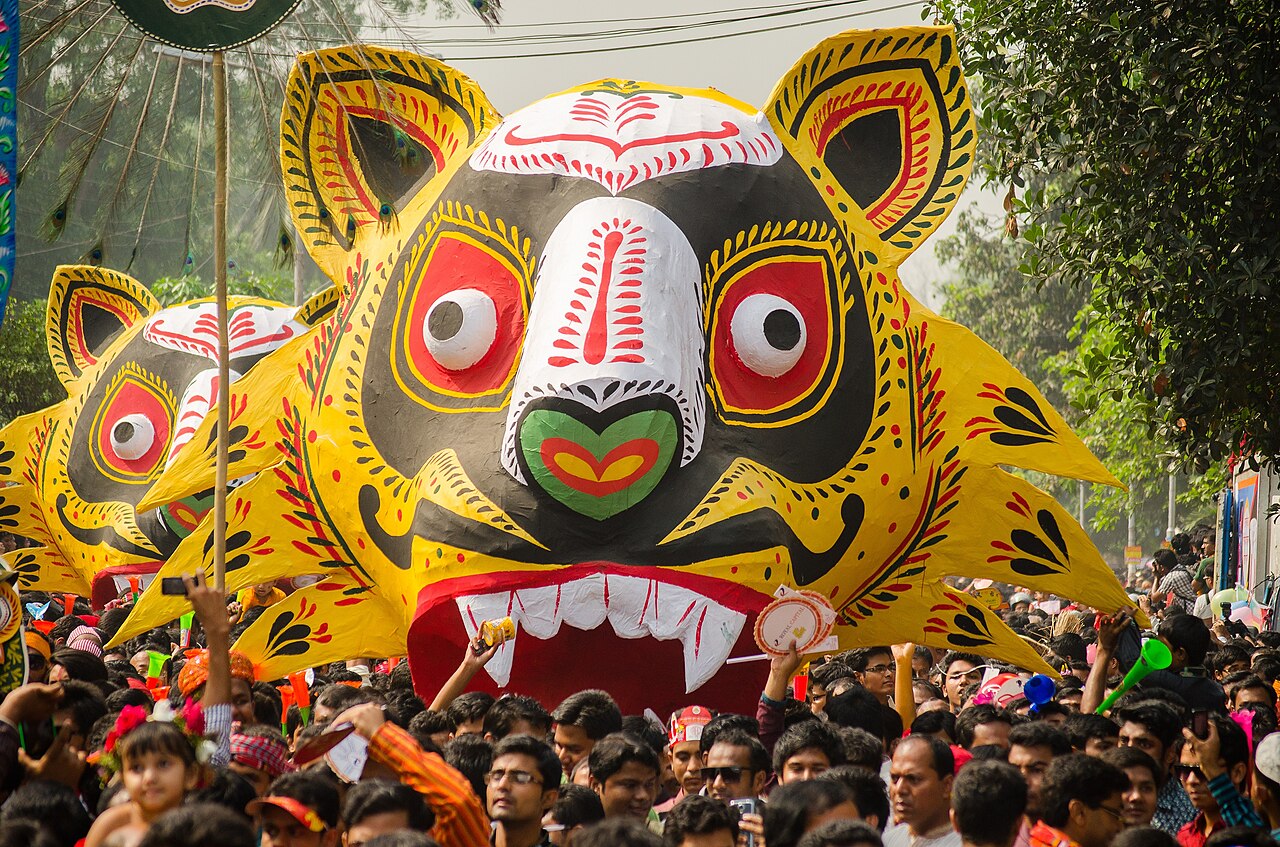
Pohela Boishakh marks the first day of the Bengali calendar and is celebrated with immense enthusiasm in both Bangladesh and the Indian state of West Bengal. Historically, the festival has roots in Mughal-era tax collection systems, where farmers would settle dues and begin a new financial year.
Today, it is a vibrant cultural celebration. Streets come alive with processions such as Mangal Shobhajatra, recognised by UNESCO for its cultural significance. People wear traditional attire, white and red sarees for women, panjabis for men, and enjoy classic dishes like panta bhat (fermented rice), hilsa fish, and sweets.
Businesses also open new account books, symbolising prosperity. Within the diaspora, Pohela Boishakh events often include music, dance, art exhibitions, and food festivals, creating a strong sense of identity and belonging.
“It’s a day to begin again with music in the air, colour in our hearts, and hope for the year ahead.”
Puthandu
Puthandu: Life in All Its Flavours
Rituals, Reflection, and Renewal
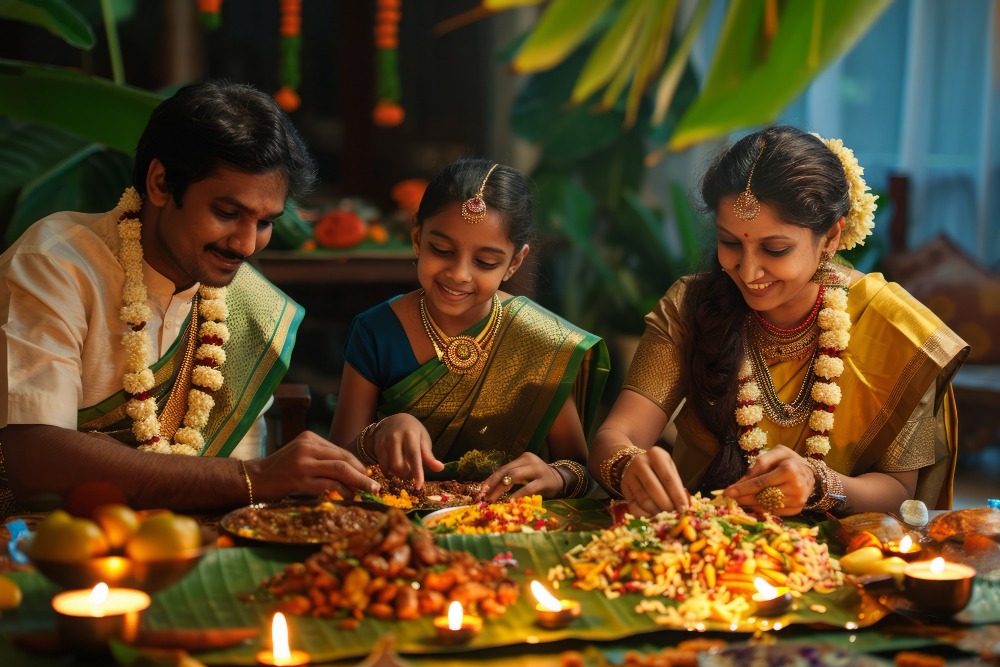
Puthandu, the Tamil New Year, is deeply rooted in both astronomy and tradition. It marks the first day of the Tamil month Chithirai and is considered an auspicious time for new beginnings.
One of the most symbolic rituals is the preparation of mango pachadi, a dish that combines sweet, sour, bitter, and spicy flavours, representing the varied experiences of life. Another important custom is viewing the kanni, an arrangement of auspicious items like fruits, flowers, gold, and mirrors, first thing in the morning.
Homes are decorated with intricate kolam designs at the entrance, and temples host special prayers. In Australia, Tamil communities organise cultural programs, temple visits, and family gatherings that preserve these traditions across generations.
“Puthandu reminds us that every emotion has its place and every experience shapes our journey.”
Aluth Avurudda
Aluth Avurudda: Stars, Tradition, and Togetherness
Astrology, Tradition, and Togetherness
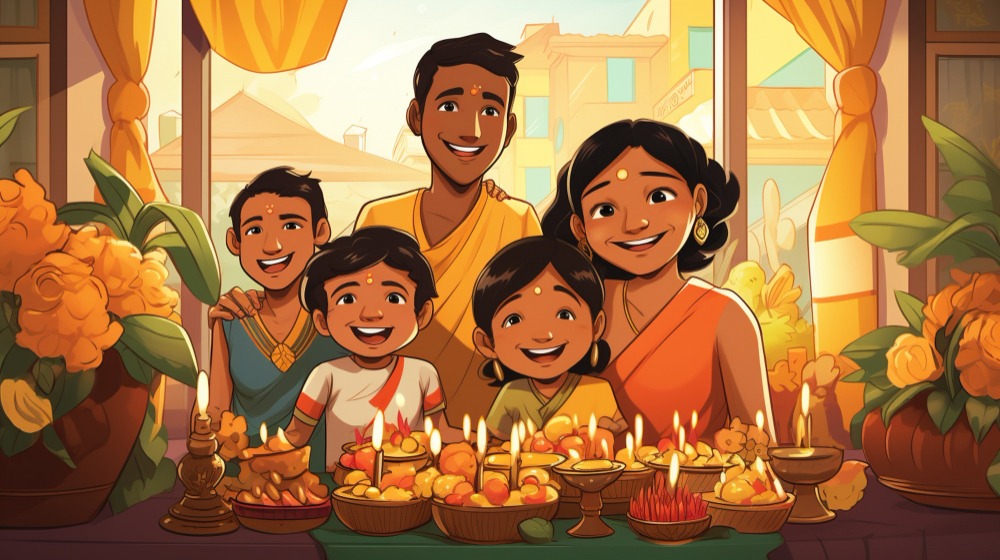
The Sinhalese New Year, shared with Tamil communities in Sri Lanka, is uniquely guided by astrological timings. Unlike midnight celebrations, rituals begin at specific times determined by planetary movements.
Families participate in a series of customs, lighting the hearth at an auspicious hour, preparing milk rice (kiribath), and engaging in traditional games such as pillow fighting and tug-of-war. The exchange of gifts and respect for elders is central to the celebration.
A defining aspect of Aluth Avurudda is the emphasis on nonagathaya, a neutral period dedicated to religious observance and reflection rather than material activity. In Australia, Sri Lankan communities recreate these traditions through large community festivals and cultural showcases.
“In a fast-moving world, Avurudda invites us to pause, reflect, and reconnect with family, tradition, and self.”
Vishu
Vishu: Seeing Prosperity, Welcoming Hope
Symbolism, Prosperity, and Auspicious Beginnings

Vishu, celebrated in Kerala, is centred around the concept of auspicious sight. The highlight is the Vishukkani, an elaborate arrangement of items such as rice, fruits, gold, flowers (especially the golden kani konna), and a mirror, placed before a deity.
Family members wake up early to view the Vishukkani as their first sight of the year, believed to bring prosperity and good fortune. Elders then distribute Vishu Kaineettam, small monetary gifts, especially to children.
Fireworks, new clothes, and a grand feast called Sadya are also part of the celebrations. For Malayali families in Australia, Vishu is an intimate yet meaningful way to stay connected to cultural roots.
“What we see first shapes what we believe and Vishu begins with abundance.”
Bikram Sambat / Navavarsha
Bikram Sambat & Navavarsha: A New Year of Hope and Heritage
Heritage, Spirituality, and New Beginnings
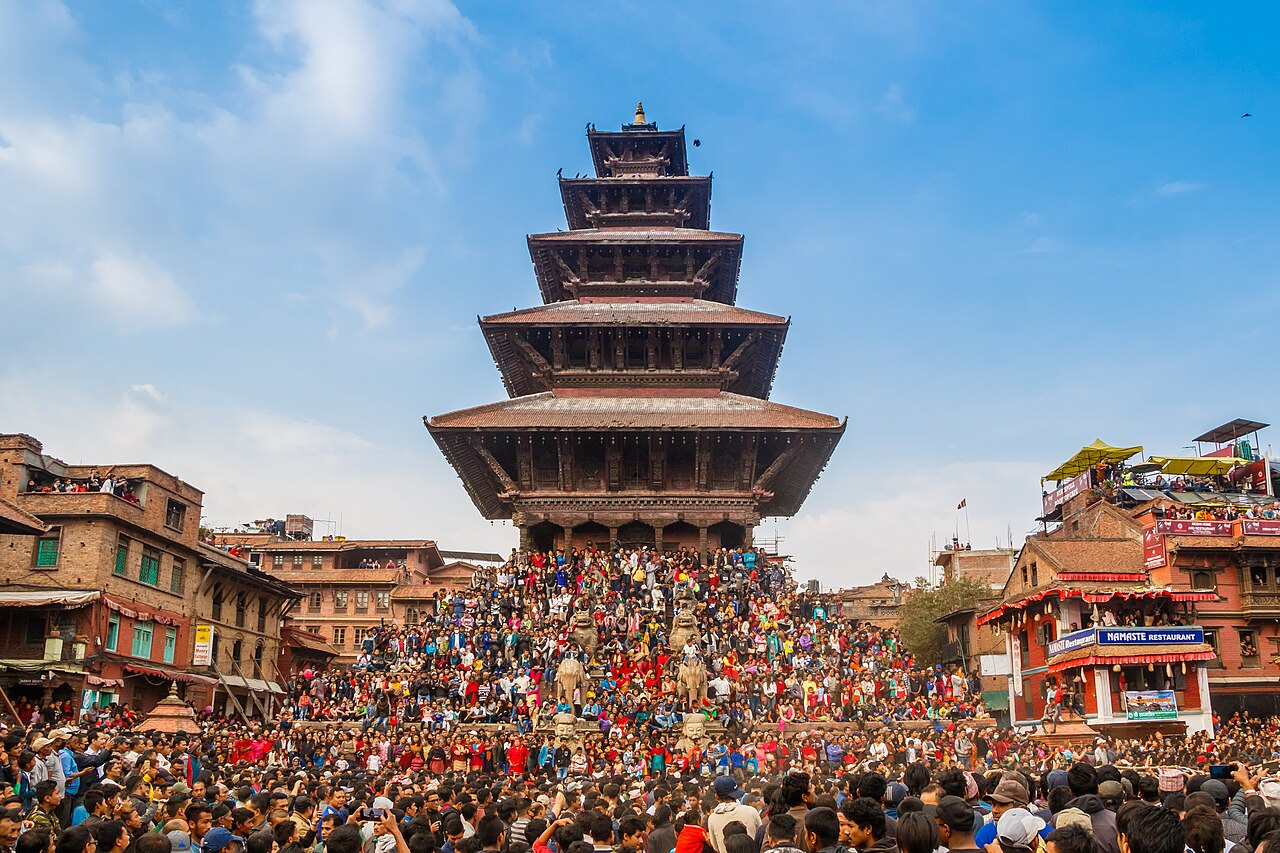
The Nepalese New Year follows the Bikram Sambat calendar, one of the world’s oldest running calendars. Celebrations often include temple visits, cultural performances, and community gatherings. In Kathmandu and other regions, people participate in parades and rituals that honour tradition while welcoming the future. The festival is also a time for setting intentions and reconnecting with family.
Navavarsha, celebrated across various parts of India under different names, aligns with the lunar calendar and carries deep spiritual meaning. It is often marked by prayers, fasting, and rituals that symbolise purification and renewal.
In Australia, Nepalese communities host vibrant events featuring music, dance, and traditional cuisine, creating a festive atmosphere for all.
“A new year is not just about time it’s about intention, renewal, and spiritual growth.”
Rongali Bihu
Rongali Bihu: Dancing into Spring
Rhythm, Agriculture, and Joy
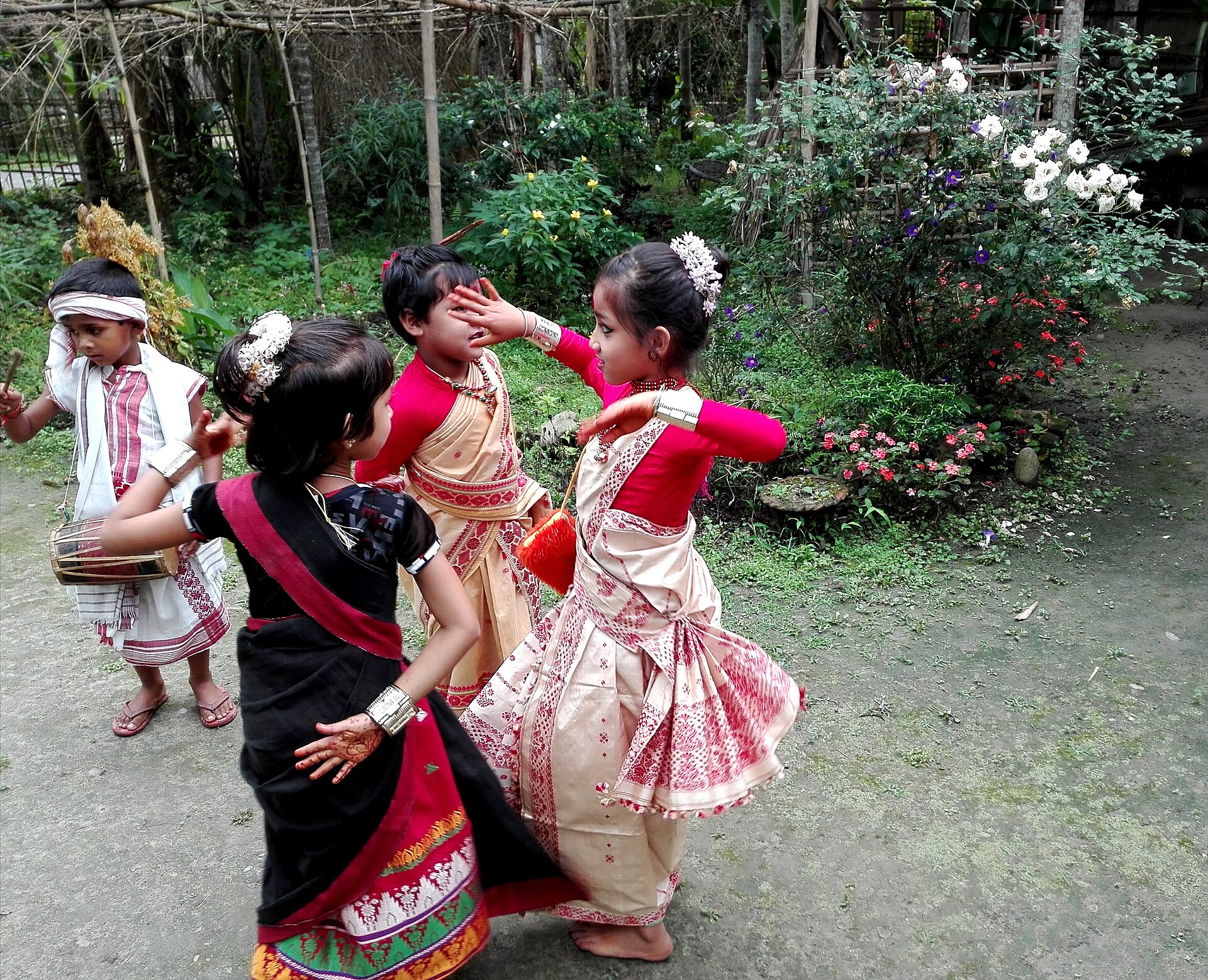
Rongali Bihu, also known as Bohag Bihu, is Assam’s most important festival, celebrating the Assamese New Year and the arrival of spring. It is closely tied to agriculture, marking the beginning of the sowing season.
The festival is best known for its energetic Bihu dance and music, characterised by rhythmic drumming (dhol), flutes, and traditional attire. Young men and women perform dances that symbolise vitality, romance, and joy.
Food plays a major role, with delicacies like pitha (rice cakes) and laru (sweet balls) prepared in homes. The festival also strengthens social bonds, as people visit friends and relatives, exchange gifts, and celebrate together. In Australia, Assamese communities are increasingly organising Bihu nights, keeping the spirit alive through performance and cultural pride.
“Bihu is not just celebrated it is felt in every beat, every step, every smile.”
UNITY IN DIVERSITY
Many Traditions, One Shared Spirit
What makes these festivals truly remarkable is not just their diversity, but their shared essence. Across languages, religions, and regions, they all celebrate life’s cyclical nature, reminding us that every ending brings a new beginning.
For the South Asian diaspora in Australia, these festivals are more than traditions. They are a bridge between generations, a celebration of identity, and an invitation for others to experience the beauty of cultural diversity.
“Different cultures, different calendars, but the same hope: a fresh start and a brighter tomorrow.”