On 26 September 2026, a vibrant Hindi Day Literary Meet was organised in Sydney, bringing together Hindi writers, poets, artists, literature enthusiasts, and members of the wider Indian-Australian community. The event was successfully hosted at Parramatta Five by the Indian Literary and Art Society of Australia (ILASA), in collaboration with Ekal Sanstha, Indian Seniors Hornsby, Darpan Radio, Mithila Cultural Society, Vaishwik Parivar, and other supporting organisations.
ILASA and its collaborating organisations have been celebrating Hindi Diwas and promoting Hindi language and literature for the past seventeen years. Over the years, these celebrations have provided an important platform for writers and artists in Australia to share their creativity, preserve their linguistic heritage, and connect with fellow lovers of Hindi literature.
This year’s celebration witnessed the participation of 27 talented writers and poets, who presented a diverse range of sensitive, thought-provoking, and engaging literary works. Their presentations touched upon themes ranging from nostalgia, nature, history, mythology, contemporary society, identity, and the significance of Hindi, leaving the audience deeply moved and appreciative.
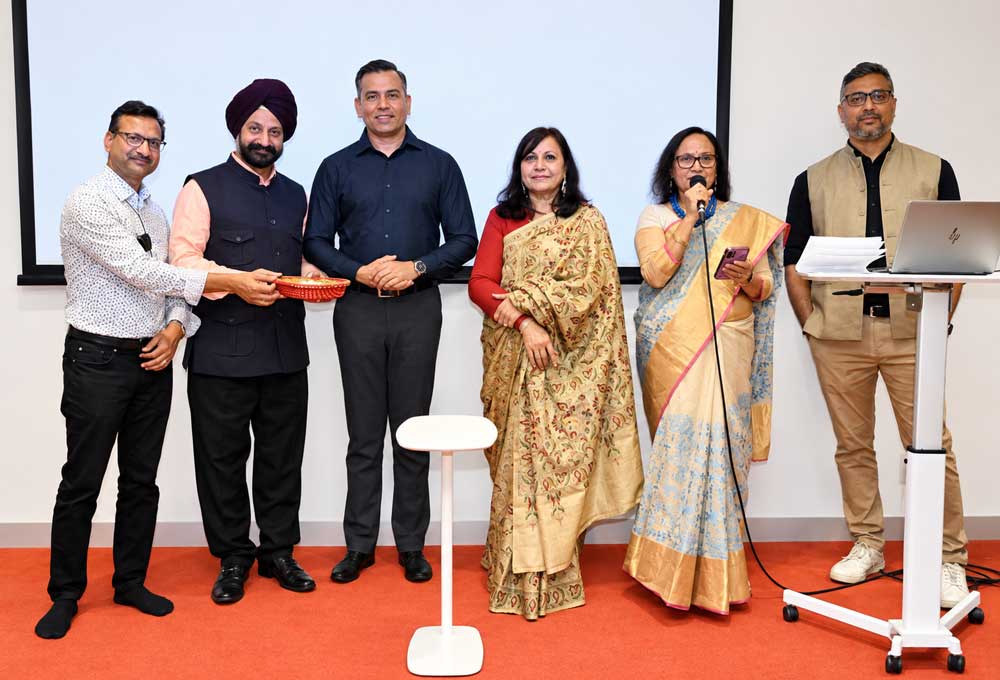
The programme commenced with the traditional ceremonial lighting of the lamp by Parramatta Councillor Sameer Pandey, Professor R. P. Mathur, Dave Pasi, Rekha Rajvanshi and Harmohan Walia. The inaugural Vandana, presented by Richa Srivastava, created an atmosphere of serenity and positive energy and set the tone for the literary evening.
Speaking on the occasion, Councillor Sameer Pandey highlighted the importance of literary and cultural activities in bringing communities together. He expressed his appreciation for the efforts being made to promote Hindi and Indian culture in the region and announced that a literary festival (LitFest) would soon be organised in Parramatta.
Devendra Gupta of Ekal Vidyalaya team also appreciated the initiative and spoke about the activities and objectives of the Ekal Vidyalaya movement, providing the audience with valuable information about its work and outreach.
The literary presentations covered a remarkably wide spectrum of subjects and emotions. Several nostalgic compositions used nature as a medium to evoke memories of India, homeland, childhood, and familiar landscapes. Poems celebrating the importance and richness of the Hindi language were also presented, reflecting the deep emotional and cultural connection that members of the diaspora continue to share with Hindi.

Indian mythology and history found an important place in the programme as well. Through their creative interpretations, poets brought to life the emotional struggles of Draupadi (Pandvas’ wife) and Mandavi (Ramayan Bharat’s wife), offering fresh perspectives on the experiences and inner worlds of these women from the epic tradition.
Contemporary themes were also explored. One of the compositions reflected upon the experiences of becoming an NRI, raising questions about what one gains and what one leaves behind while building a life away from one’s homeland. At another moment, the audience travelled nostalgically through memories of Kashi, while contemporary social and public issues in India were addressed with wit, humour, and gentle satire.
Two short stories were also presented, adding variety to the programme. Poetry remained at the heart of the meet, but the evening was equally enriched by ghazals and shayari, which received an enthusiastic response from the audience.
Among the senior poets, the literary presentations by Prof. R. P. Mathur, Dr Suman Agrawal, Dr Shailja Chaturvedi, Anil Verma, Santram Bajaj, Dev Pasi, Harmohan Walia, Rekha Rajvanshi, Dr Nupur Ashok, Darshan Mongia, Gunjan Tripathi, and Sangeeta Bansal from Perth captivated the audience. Their poetry reflected maturity, experience, sensitivity, and a deep engagement with language and life.
The comparatively younger generation of poets also made a strong impression. Mrinal Sharma, Shishirendu Jha, Kanwar Plaha, Ingita Chadha, Gaurav Upadhyay, Namita Pathak, Manit Bhaskar, Tarun Malviya, Taufiq Ahmed Sheikh, Shweta, Akanksha Srivastava, Renu Signal, and Kuldeep Yadav presented their compositions with enthusiasm and confidence. Their works demonstrated the continuing vitality of Hindi literary expression among the younger generation in Australia and received warm appreciation from the audience.
The musical performances added another beautiful dimension to the evening. The melodious singing by Richa Srivastava, Shobha Ingleshwar, Tanu Sharma, and Sharda Sharma brought a lively and celebratory spirit to the gathering. Their performances further enhanced the warm and welcoming atmosphere of the event.
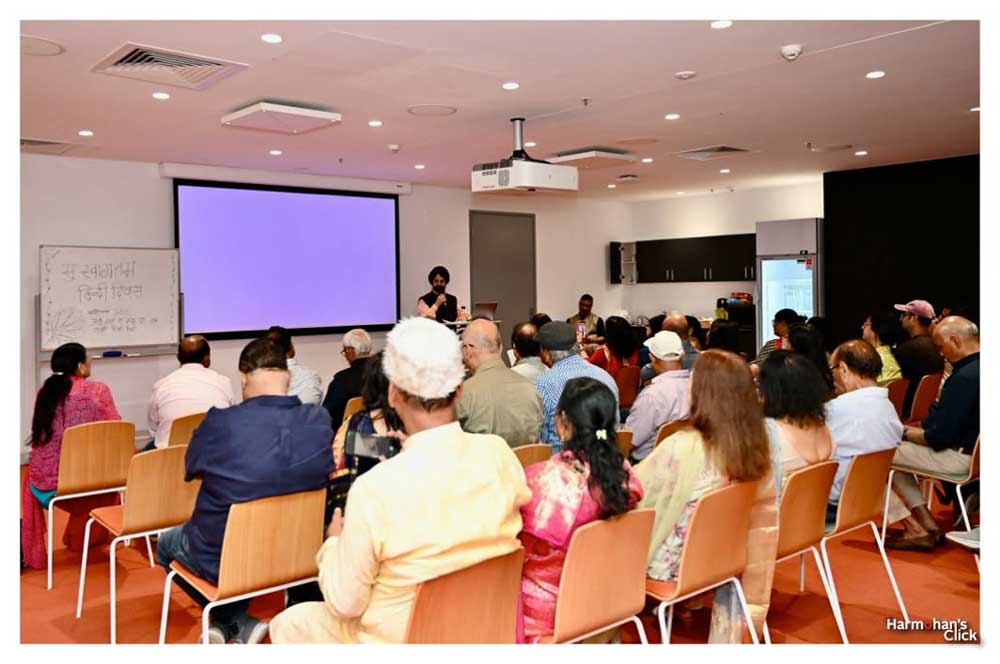
The three-hour programme maintained the interest and enthusiasm of the audience right until the end. Gaurav Upadhyay conducted the programme with confidence and skill, ensuring a smooth flow between the various presentations. Tarun, Garima, and Archana took care of the arrangements for tea and refreshments, contributing to the comfort and hospitality of the guests.
Harmohan Walia, with his camera, beautifully captured the memorable moments of the evening, bringing smiles to the faces of participants and guests alike. His photographs will serve as a valuable record of this special celebration of Hindi literature and community spirit.
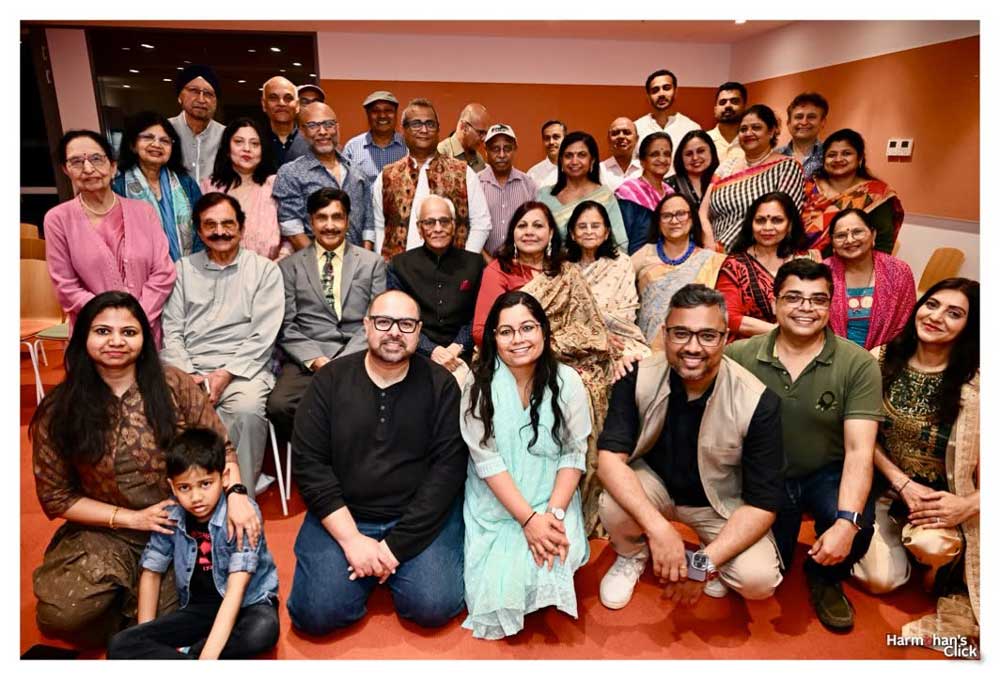
The hall, filled with enthusiastic speakers, writers, poets, and literature lovers, reflected the deep affection and remarkable enthusiasm that the Indian-Australian community continues to have for the Hindi language. The event was not merely a literary gathering; it became a celebration of language, culture, identity, creativity, and community.
For those living away from India, such occasions provide an opportunity to reconnect with their linguistic and cultural roots while also creating a space for new literary voices to emerge. The participation of writers from different generations and backgrounds demonstrated that Hindi continues to evolve and flourish in Australia.
At the conclusion of the programme, members of the audience and participating writers warmly appreciated the initiative and congratulated Rekha Rajvanshi, founder of ILASA, for her continued efforts to promote Hindi language, literature, art, and culture in Australia. Her sustained commitment, along with the cooperation of various organisations and volunteers, has helped create a meaningful platform where Hindi literature can be celebrated and shared across generations.
The Hindi Diwas Literary Meet thus concluded on a warm and inspiring note, leaving the audience with memorable literary experiences and a renewed appreciation for the beauty and enduring relevance of the Hindi language.
By Mrinal Sharma