Veteran Indian actor Nana Patekar, one of the most distinctive and respected performers in Hindi and Marathi cinema, has died at the age of 75. The actor passed away in Goa on Thursday, October 8, 2026, after suffering a severe cardiac arrest at his residence. His death brings to an end a remarkable career spanning more than four decades.
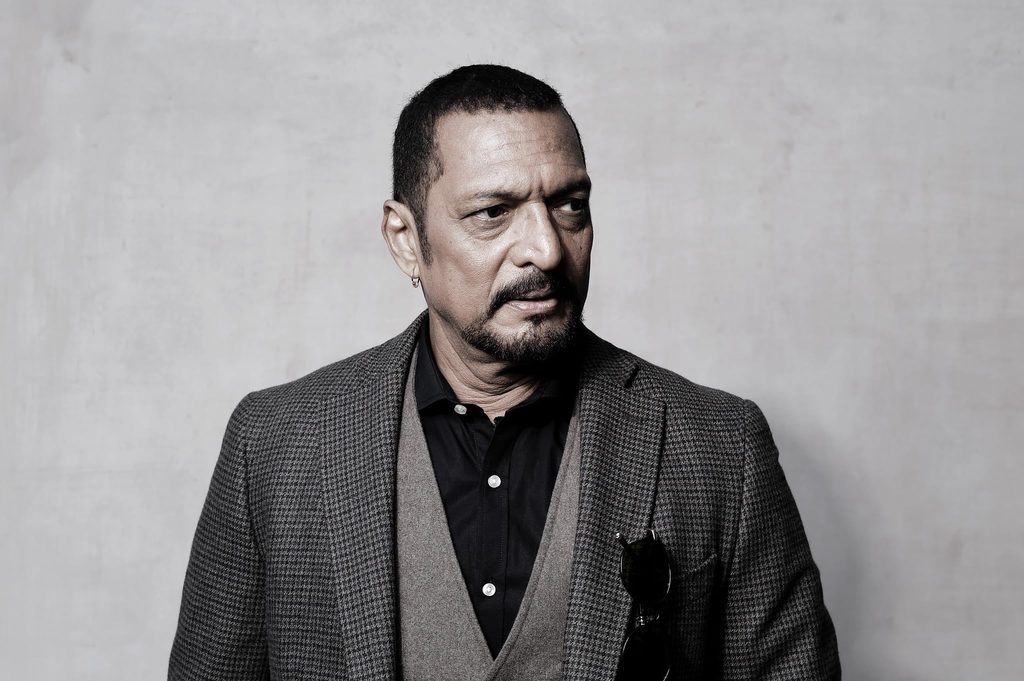
Patekar was found unconscious at his home in Dona Paula, Goa, in the early hours of Thursday before being taken to hospital for emergency treatment. According to doctors at Manipal Hospital, medical teams attempted to revive him for around 45 minutes, but he could not be resuscitated. He was declared dead at approximately 5:20am. A medico-legal case has been registered and a post-mortem is expected as part of the formal process.
His son, Malhar Patekar, confirmed his father’s death to The Indian Express. Malhar said he was travelling to Goa and would issue a detailed statement, while describing the death as occurring due to natural reasons.
Born Vishwanath Patekar on January 1, 1951, in Murud, Maharashtra, Nana Patekar developed a reputation for performances marked by intensity, emotional depth and an unmistakable screen presence. He trained at the Sir J.J. Institute of Applied Art before entering the world of acting and eventually becoming a major figure in both Hindi and Marathi cinema.
Patekar began his film career with the 1978 Hindi film Gaman. His early work gradually established him as an actor capable of taking on challenging and complex characters, but his breakthrough on a wider national level came during the late 1980s and early 1990s.
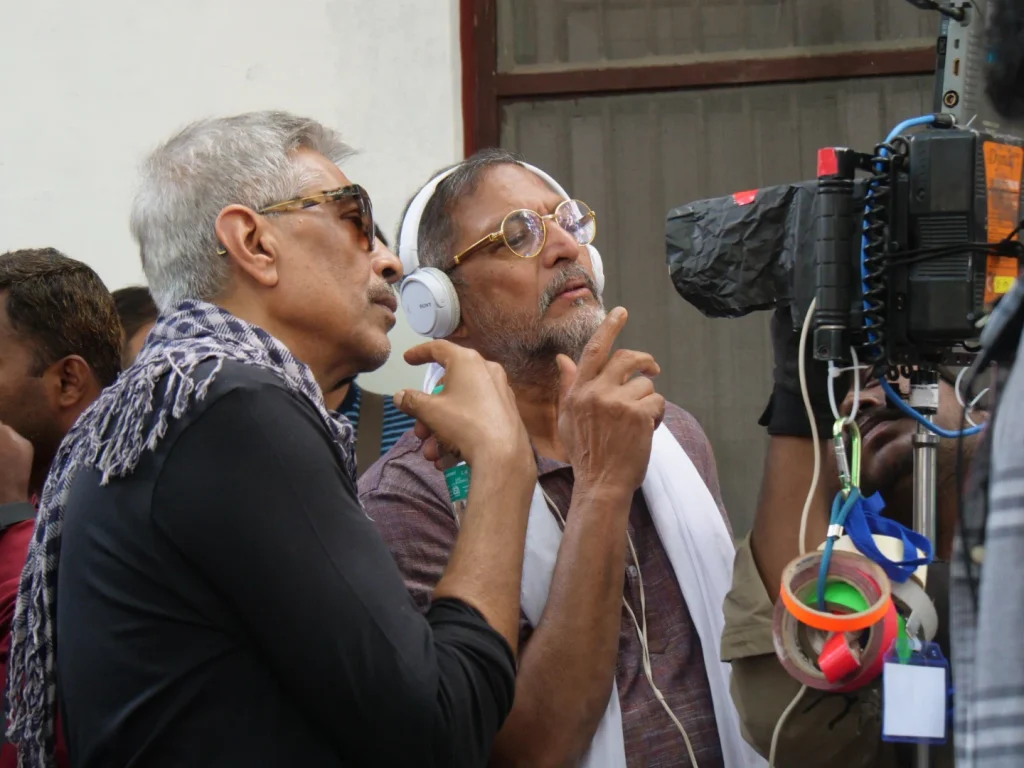
His performance in Parinda in 1989 became one of the defining moments of his early career. The role earned him the National Film Award for Best Supporting Actor as well as a Filmfare Award. The film also demonstrated the intensity that would become one of the defining characteristics of his acting style.
He followed that success with a series of memorable performances across different genres. Films such as Prahaar: The Final Attack, Angaar, Tirangaa, Krantiveer, Agni Sakshi and Khamoshi: The Musical established Patekar as an actor capable of moving between action, drama, social themes and emotionally demanding roles.

His performance in Krantiveer in 1994 remains among the most celebrated of his career. He received the National Film Award for Best Actor for the film, along with the Filmfare Award for Best Actor. The role showcased his ability to portray anger, vulnerability and social frustration through a deeply forceful performance.
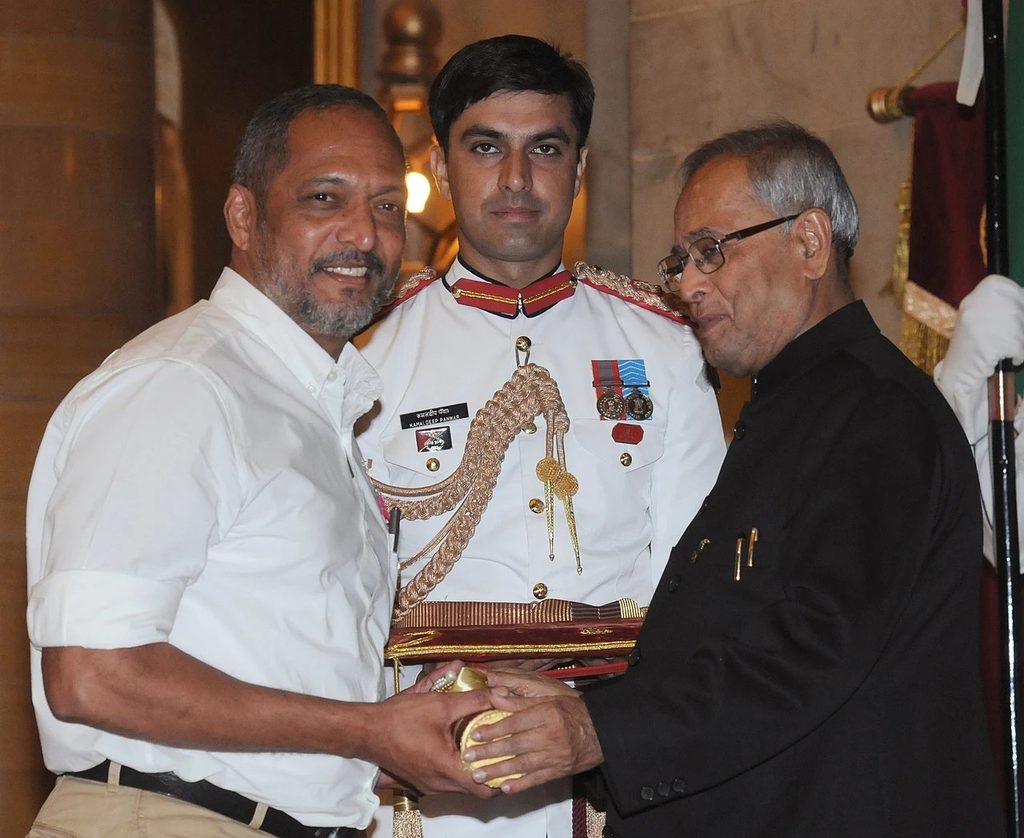
Patekar’s work also earned him another National Film Award for Best Supporting Actor for Agni Sakshi. Across his career, he received three National Film Awards, alongside multiple Filmfare and other major honours. His contribution to Indian cinema and the arts was formally recognised by the Government of India when he received the Padma Shri in 2013.
Beyond acting, Patekar also explored filmmaking. He made his directorial debut with Prahaar: The Final Attack in 1991, a film that reflected his interest in military life, discipline and human sacrifice. His work behind the camera added another dimension to a career that was already distinguished by acting.
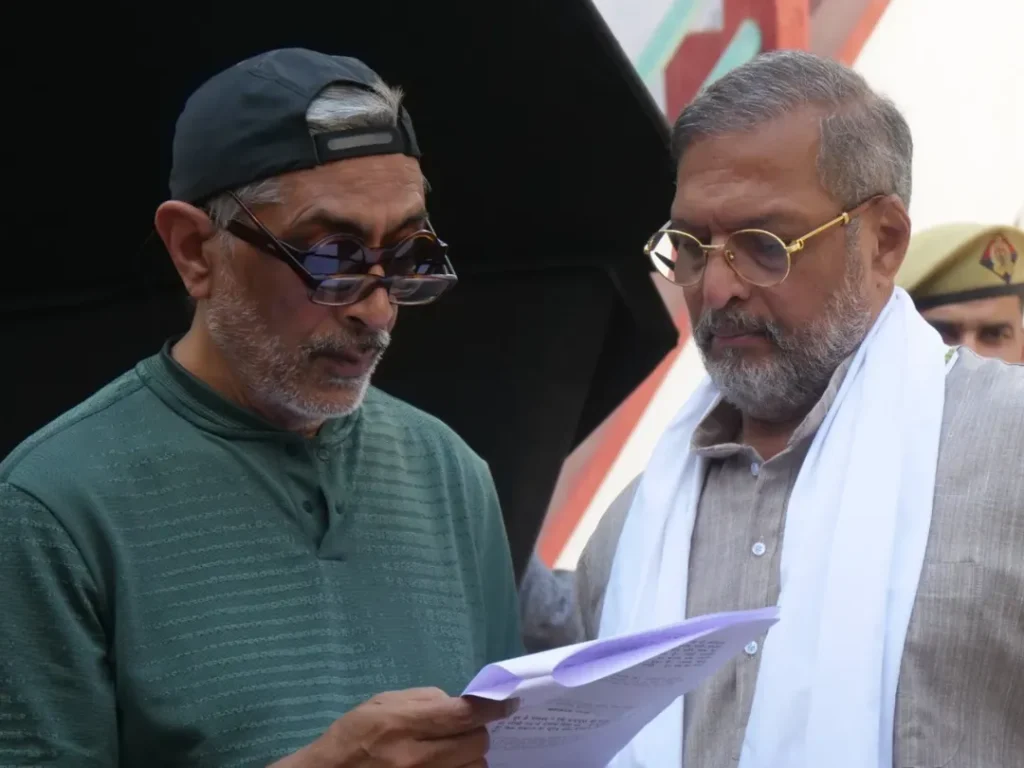
His filmography continued to evolve in the 2000s. He appeared in films including Ab Tak Chhappan, Apaharan and Raajneeti, demonstrating his ability to remain relevant across changing periods of Hindi cinema. His role as Uday Shetty in Welcome introduced him to a different generation of audiences through comedy, while retaining the distinctive dialogue delivery and screen presence that had become his trademark.
The actor also maintained a strong connection with Marathi cinema. His performance in the 2016 Marathi film Natsamrat, in which he portrayed a retired theatre actor confronting the later stages of his life, was widely recognised as another major performance. The role earned him the Filmfare Award for Best Actor in Marathi.
Patekar’s influence extended beyond conventional commercial cinema. His performances often centred on characters carrying emotional or social burdens, allowing him to explore themes such as poverty, injustice, family relationships, violence, political power and personal dignity. His distinctive voice and highly individual dialogue delivery became an important part of his cinematic identity.
Away from cinema, Patekar also had a connection with India’s Territorial Army. His public life therefore extended beyond acting and filmmaking, adding to the range of experiences associated with his career. His decades in the entertainment industry ultimately made him a familiar presence to audiences across generations.
The Government of India’s Padma Awards records list Nana Patekar under the Arts category when he was awarded the Padma Shri in 2013. The honour formally recognised his contribution to Indian cinema and the arts.
News of his death has brought renewed attention to a body of work that crossed languages, genres and generations. From serious dramas and socially driven films to action movies and popular comedies, Patekar repeatedly created characters that remained recognisable long after the films ended.
His death also comes at a time when Indian cinema continues to celebrate the contributions of performers from earlier generations. Patekar’s career stands apart for the range of roles he accepted and for the intensity with which he approached characters, whether they were protagonists, antagonists, supporting figures or comic personalities.
For audiences who grew up watching his films, his legacy will be closely associated with performances in Parinda, Krantiveer, Agni Sakshi, Prahaar, Ab Tak Chhappan, Apaharan, Welcome and Natsamrat. Each represented a different phase of his career and demonstrated his ability to adapt while retaining a distinctive acting identity.
As further details regarding his funeral arrangements and final rites emerge, the Indian film industry and audiences are mourning the loss of an actor whose career helped shape several eras of Hindi and Marathi cinema. Nana Patekar leaves behind an extensive body of work, numerous awards and a screen legacy that will continue to be revisited by generations of viewers.