A remarkable example of growing Australia–India economic cooperation is unfolding in the heart of India’s capital, with Australian-made transport technology helping modernise one of the world’s largest metro rail networks. The project highlights how trade agreements are creating new opportunities for Australian innovation while supporting India’s rapidly expanding urban infrastructure.
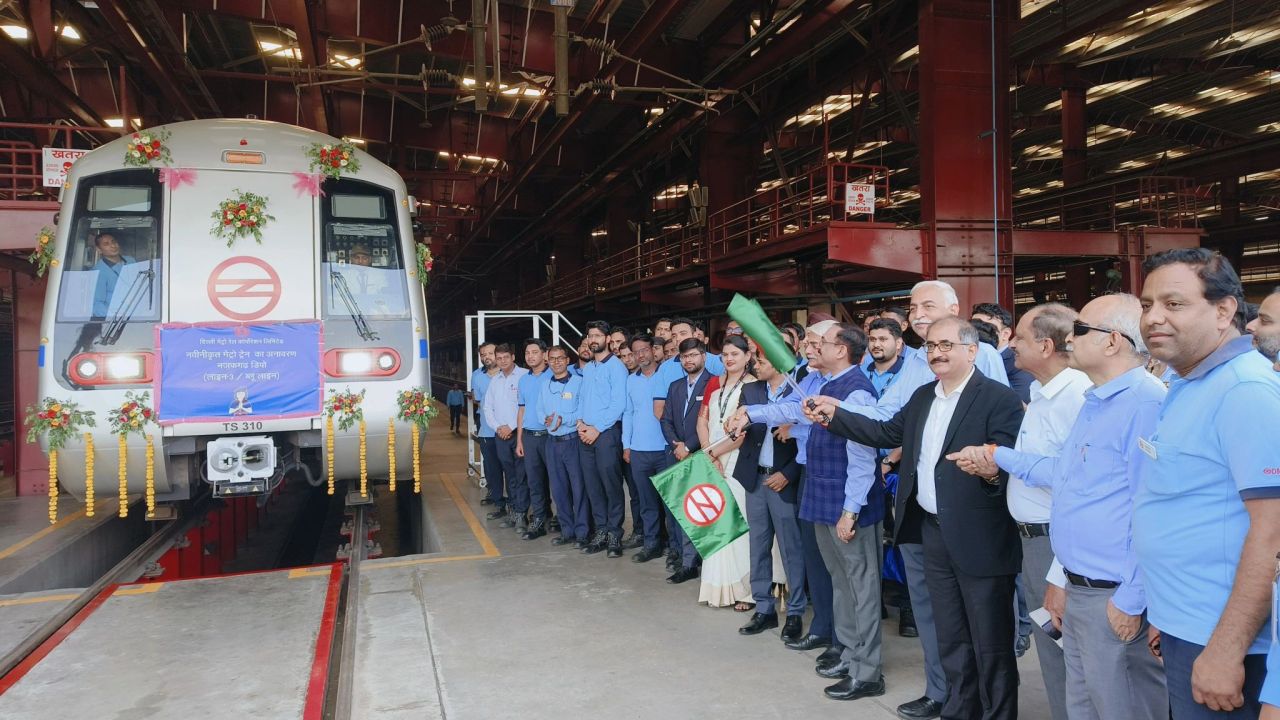
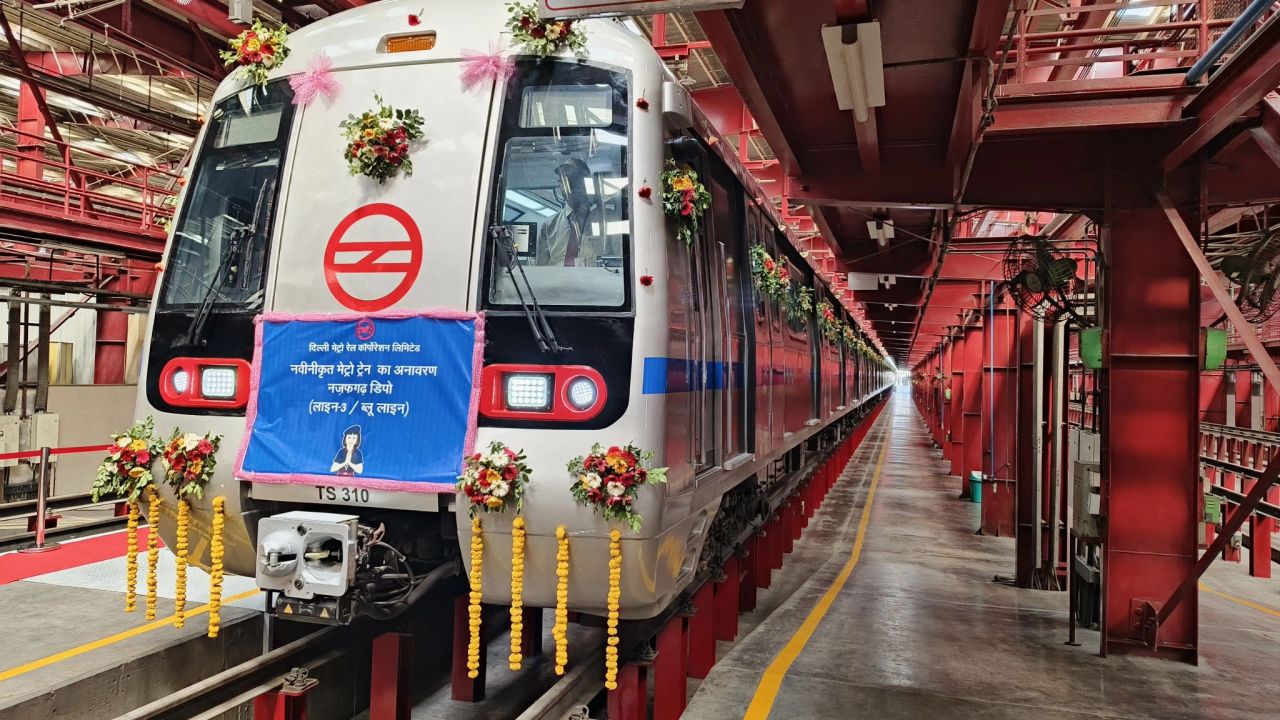
Australian transport technology company r2p Asia-Pacific has secured a major contract with the Delhi Metro Rail Corporation (DMRC) to upgrade 22 metro train sets operating on the city’s busy Blue Line. The project is introducing advanced safety, surveillance and passenger information systems designed to improve both operational efficiency and the commuter experience.
The upgrade includes the installation of modern CCTV systems, fire detection technology, upgraded driver control panels, inter-vehicle couplers and enhanced passenger information displays. Commuters will also benefit from LCD-based digital route maps and improved real-time travel information throughout the network.
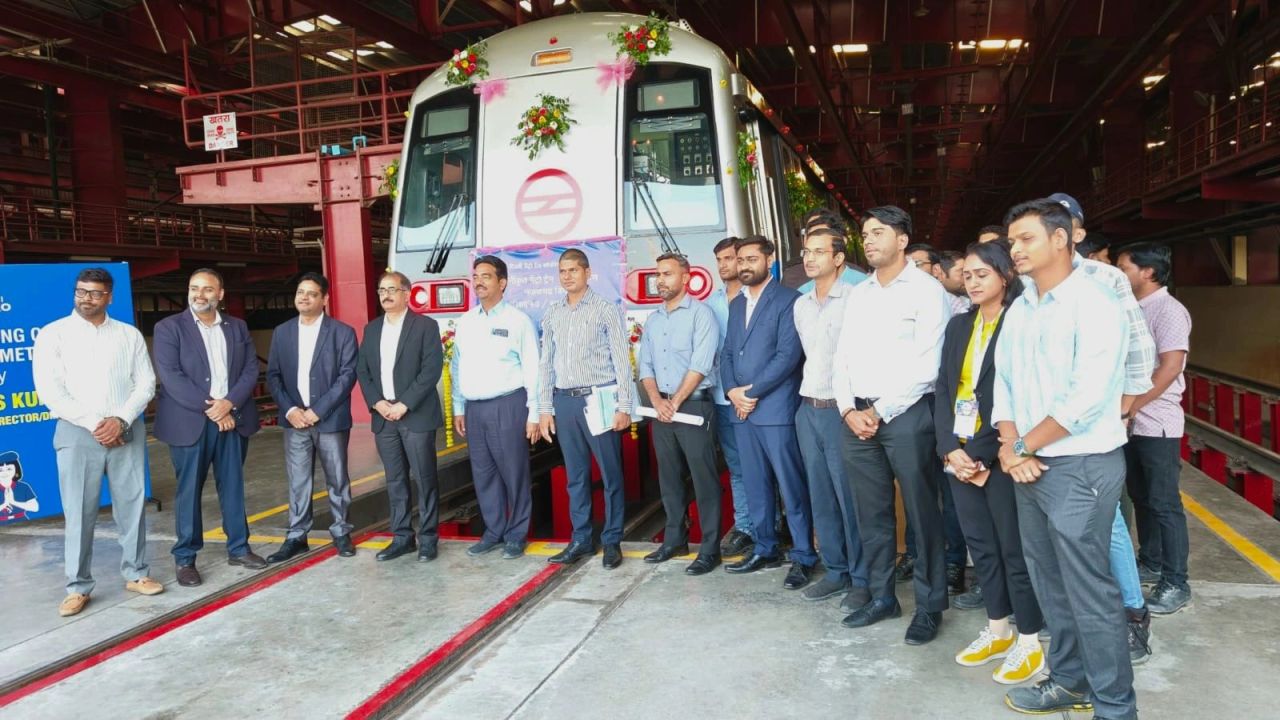
At the centre of the project is Australia’s growing reputation as a developer of advanced transport technologies. The equipment has been designed and manufactured in Australia and is engineered to perform in demanding operating environments. Company officials say systems originally developed for Australian conditions are proving highly effective in supporting India’s large-scale public transport networks.
The project has also become one of the strongest examples of the benefits delivered by the Australia–India Economic Cooperation and Trade Agreement (AI-ECTA). Under the trade agreement, Australian-made equipment can enter India tariff-free, replacing previous import duties that could reach as high as 25 per cent. This has significantly improved the competitiveness of Australian technology exporters in the Indian market.
According to r2p Group Founder and Board Member Flemming Kaer, the company’s technology has been designed with a focus on scalability, reliability and long-term efficiency. He noted that commuters in Delhi are already experiencing the benefits of the upgraded systems.
Dr Hemant Singh, Managing Director of r2p Technologies India Private Limited, said the company’s solutions fully comply with Indian government procurement and safety requirements. He highlighted India’s growing metro rail network as a major opportunity for advanced transport technologies, with millions of passengers relying on urban rail systems every day.

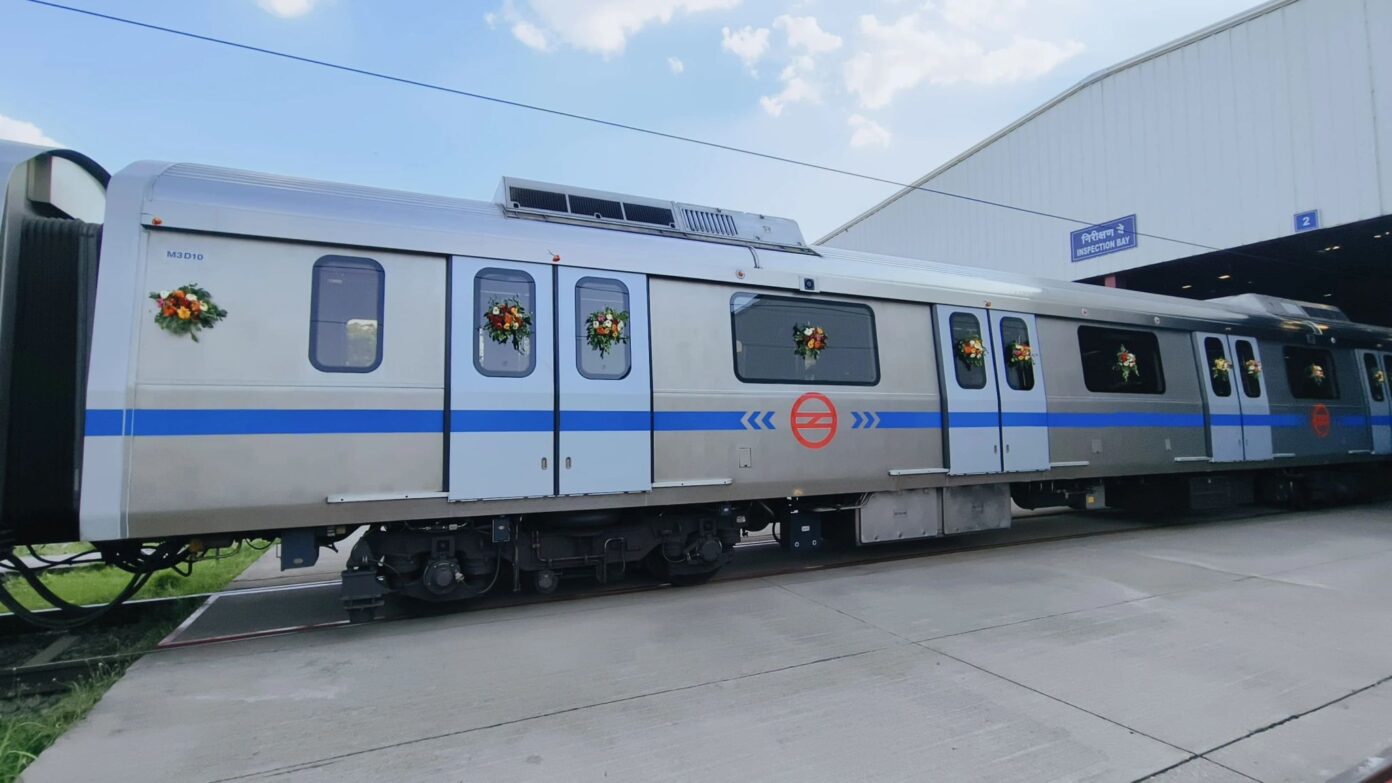
India’s metro systems now carry more than 10 million passengers daily, making the country one of the fastest-growing urban rail markets in the world. As cities continue to expand, demand is increasing for smart, secure and future-ready transportation infrastructure capable of serving rapidly growing populations.
The success of the Delhi Metro project has encouraged r2p to deepen its presence in India. The company has established r2p Technologies India and is developing a manufacturing facility in Dehradun under a knowledge-transfer arrangement with its Australian operations. The expansion aligns closely with India’s “Make in India” initiative and is expected to create local jobs while strengthening supply-chain resilience.
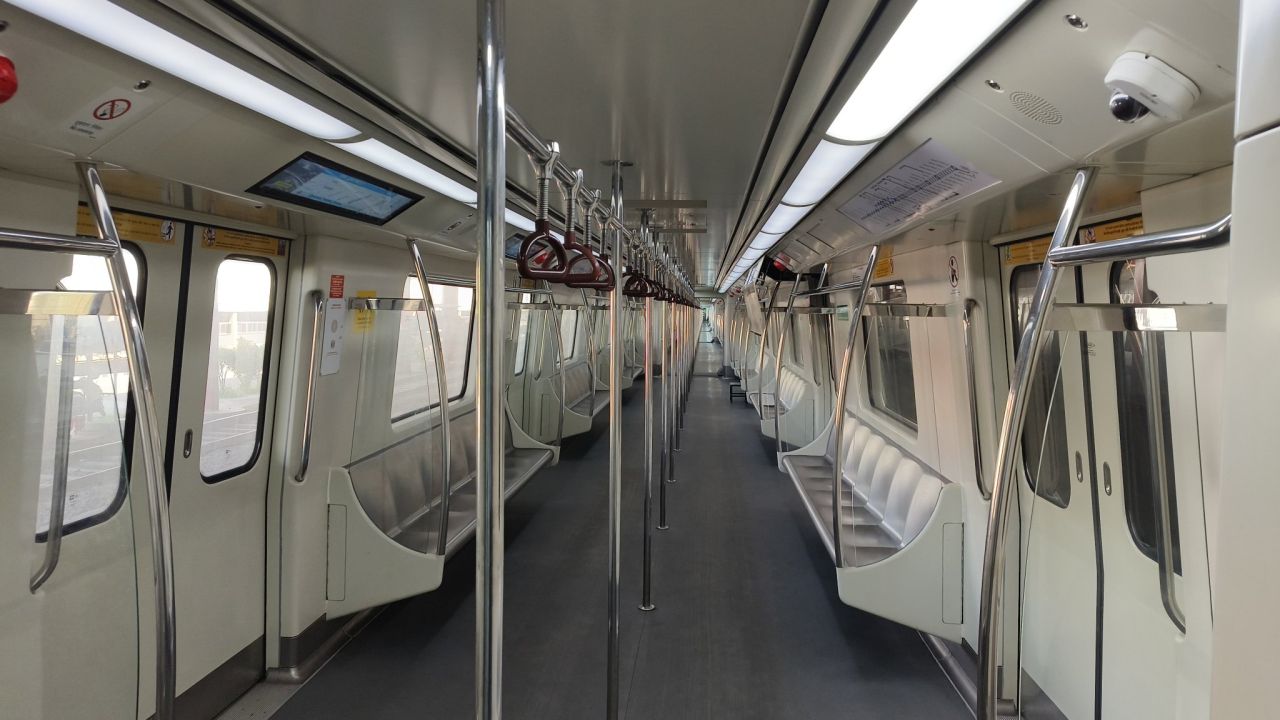
The contract, valued at approximately A$14 million, is being delivered in partnership with Indian government-owned engineering consultancy RITES Limited. Industry observers note that the refurbishment represents one of the first major mid-life modernisation projects undertaken on an Indian metro rail fleet, potentially opening doors for future collaborations across the country.
For Australia, the project demonstrates the growing global demand for locally developed technology and innovation. For India, it delivers modern safety and passenger-focused upgrades to one of the country’s most important public transport systems. Together, it serves as another example of how the Australia–India partnership is evolving beyond traditional trade into advanced technology, infrastructure and innovation.
As economic ties between the two nations continue to strengthen, projects like the Delhi Metro upgrade showcase the real-world impact of cooperation. From rail technology and digital innovation to education, defence and clean energy, Australia and India are increasingly working together to build the infrastructure and industries that will shape the future.