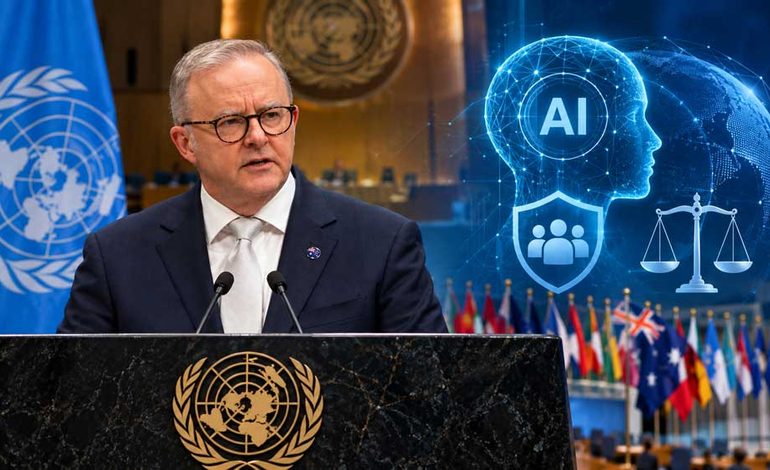
Australian Prime Minister Anthony Albanese has met Apple Executive Chairman Tim Cook at the company’s headquarters in Cupertino, California, for discussions focused on online child safety, parental controls and the responsibilities of technology companies in protecting young users.
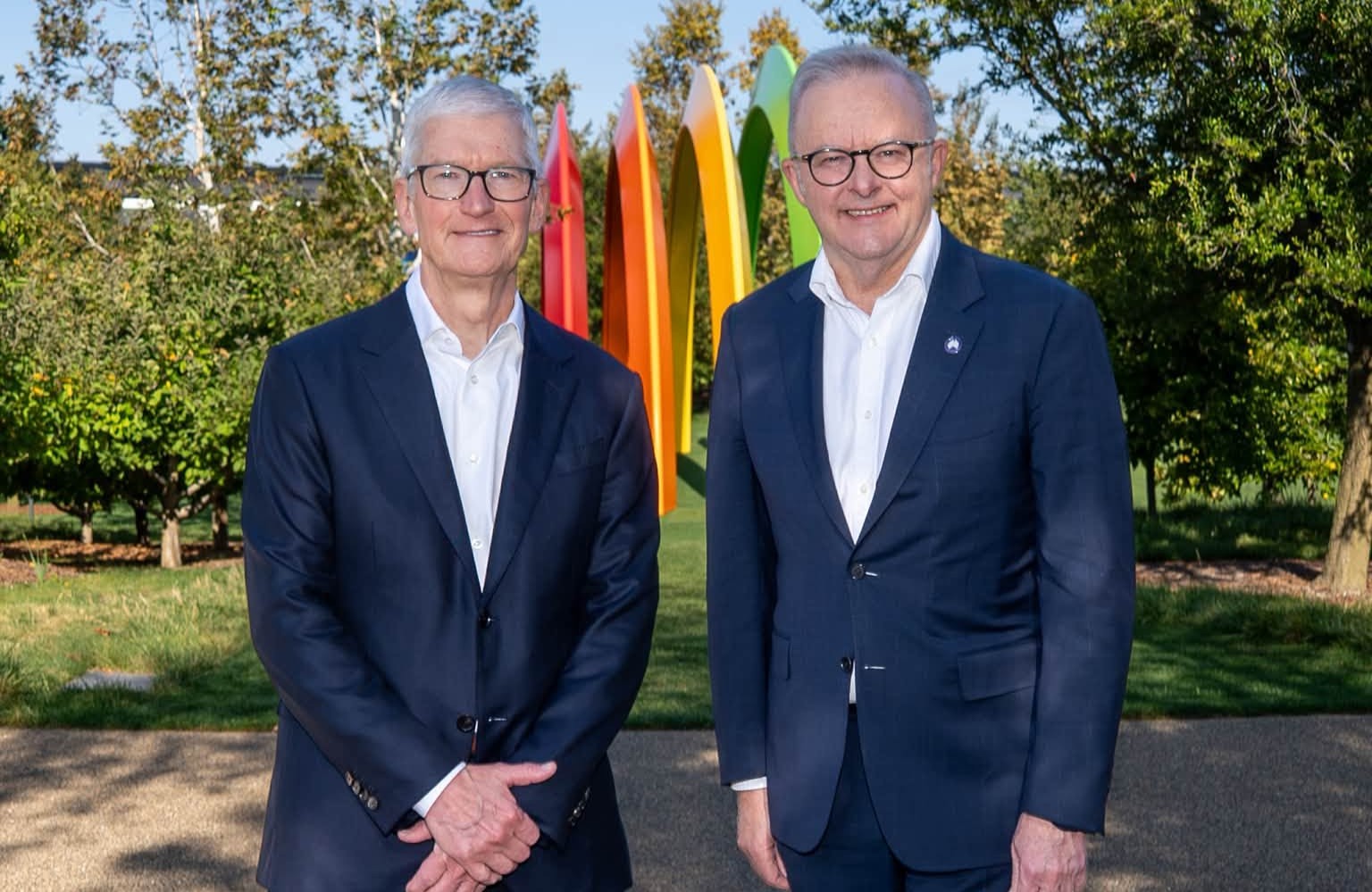
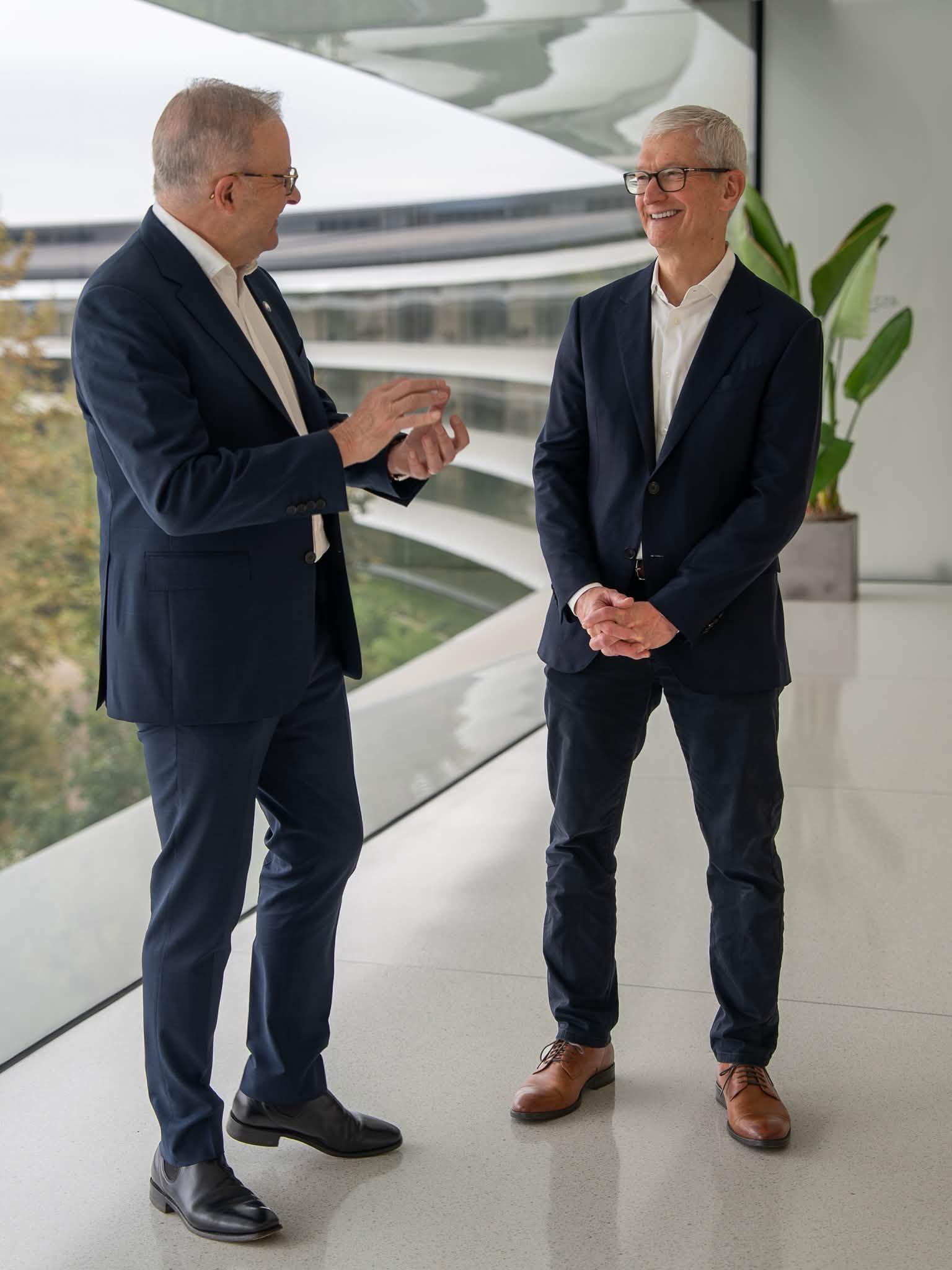
The meeting took place at Apple Park on 20 September 2026 during Albanese’s visit to the United States. The Prime Minister was invited by Cook and met with Apple’s leadership team before viewing some of the company’s latest products and safety features.
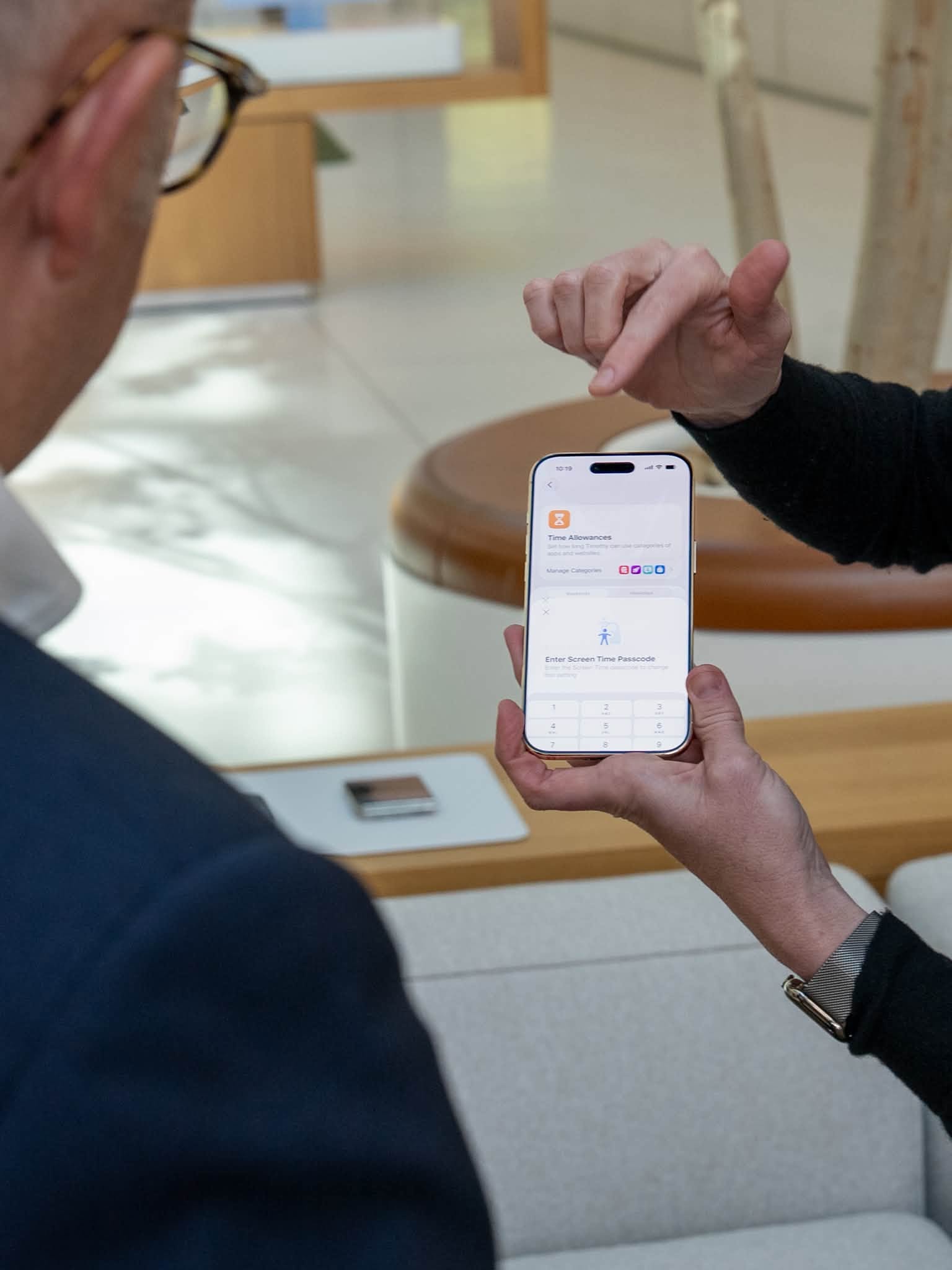
A major focus of the discussions was Apple’s recently introduced parental-control tools, which give parents greater ability to manage the digital experiences of their children. The features allow parents to control the content children can access, the people they can communicate with and when particular applications can be used.
The Australian Government said the new tools have been made available in Australia and were demonstrated to Albanese during his visit. The controls are designed to give parents more direct oversight of children’s use of technology, including managing applications and content and setting limits around screen use.
The meeting also highlighted the influence of Australia’s recent online-safety reforms. According to the Prime Minister’s office, Apple has supported Australia’s online-safety laws and has taken additional measures aimed at protecting children online. Albanese said Australia’s approach to digital safety had been recognised by Cook and Apple during their discussions.
Australia has been pursuing stronger requirements for technology and digital platforms, including legally enforceable minimum safety standards. The government says its approach is intended to reduce exposure to seriously harmful and illegal material while giving Australians greater choice over their online experiences.
The Cupertino meeting also comes as artificial intelligence and emerging technologies become a major part of Australia’s international policy agenda. Albanese has said Australia needs to take part in shaping how new technologies develop rather than simply responding to their consequences after they emerge.

During his visit to Apple, the Prime Minister also addressed questions about artificial intelligence and copyright. Media reported that Albanese left open the possibility of changes to Australia’s copyright framework as policymakers consider how creators’ rights should be protected while also encouraging investment and innovation in AI. The government has said it does not intend to simply allow AI companies unrestricted access to copyrighted material.
The discussion with Cook was held behind closed doors for around 45 minutes. Albanese subsequently described the visit as an important opportunity to see how technology companies are responding to the challenges surrounding children and digital platforms.
For Apple, the meeting provided an opportunity to demonstrate technology that places greater control in the hands of parents. For Australia, it formed part of a broader effort to engage directly with major technology companies as governments around the world consider how online services, artificial intelligence and other emerging technologies should be regulated.
The meeting also fitted into the wider agenda of Albanese’s US visit. Following his time in California, the Prime Minister travelled to New York for the United Nations General Assembly High-Level Week, where digital safety, artificial intelligence and international cooperation are among the issues on Australia’s agenda.
Albanese’s engagement with Cook therefore extends beyond a meeting between a political leader and a major technology executive. It reflects an increasingly important policy debate over how governments, technology companies and parents can work together to protect children while allowing people to benefit from rapidly developing digital technologies.
As Australia continues to advocate for stronger online protections, the Apple meeting demonstrates the government’s intention to engage directly with major technology companies on the practical implementation of those protections. The discussions are also taking place against the backdrop of a broader international debate over artificial intelligence, digital rights, privacy, child safety and the responsibilities of technology platforms.