Australian Michael Keats, from the NSW South Coast, has been confirmed dead following the catastrophic flooding that struck the Nepal-Tibet border region last week. Keats was travelling as part of a spiritual journey connected to Mount Kailash when floodwaters devastated the Gyirong Port area, where several groups of international pilgrims were caught in the disaster.
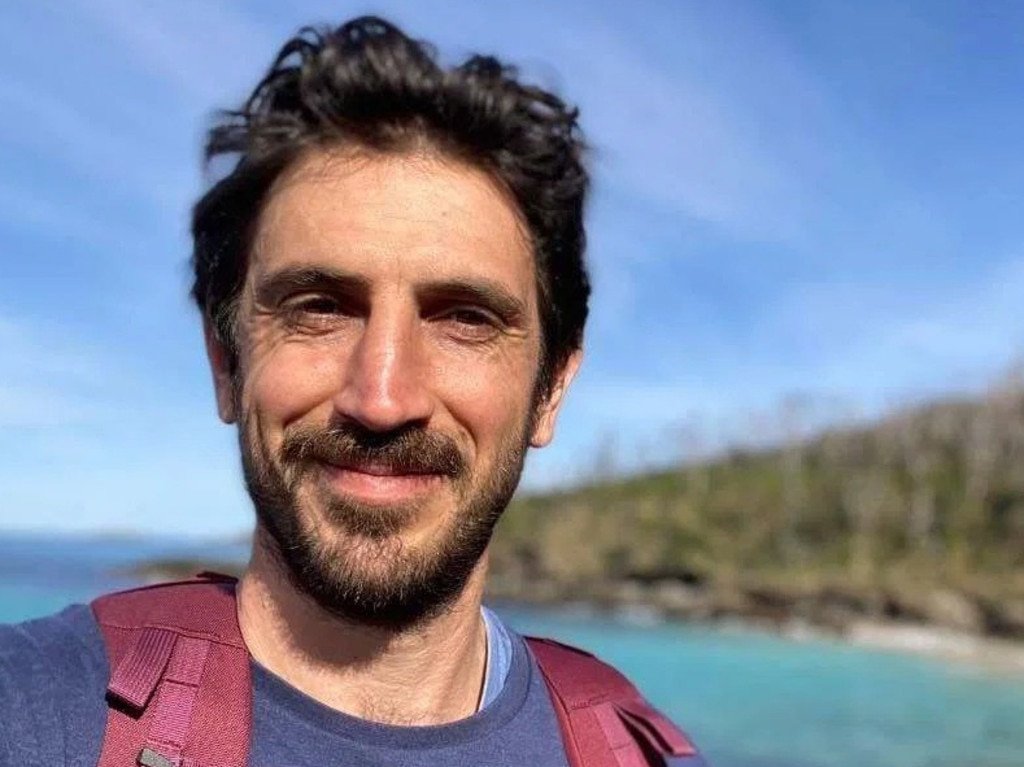
His death was confirmed by his partner, Emily Boyd, and his family after days of uncertainty surrounding his whereabouts. Keats had travelled to the region on a pilgrimage to Mount Kailash, a journey described by those close to him as a long-held spiritual aspiration. His family had initially hoped he had escaped the disaster before confirmation emerged that his group had reached Gyirong shortly before the flooding.
According to information released by the family, Keats and members of his Kailash travel group arrived at the Gyirong border facility approximately 10 minutes before the devastating flood struck. The area was subsequently overwhelmed by an enormous surge of water, mud, rock and debris, destroying buildings and cutting off access to large sections of the border region.
Boyd has described Keats as a deeply spiritual person whose journey to Mount Kailash carried profound personal meaning. In a tribute shared following his death, she portrayed him as an important figure in the lives of many people, including as her partner and her son’s stepfather. She said his loss had fundamentally changed the lives of those closest to him.
Keats’ family has also remembered him as a gentle and adventurous person who had a strong desire to explore and pursue spiritual experiences. Before his death was confirmed, relatives and friends gathered on the NSW South Coast, holding vigils and hoping for his safe return. His family had publicly spoken about the uncertainty surrounding his whereabouts and their determination to keep hoping while searches continued.
The tragedy has affected a much wider Australian community. As of Monday, Australian authorities and media reports indicated that 43 Australians remained unaccounted for, although the number has changed during the crisis as information from different locations has been verified. Many of those missing were travelling on religious or spiritual tours to Mount Kailash and Lake Manasarovar, while others were undertaking hiking or other journeys in the region.
Among the Australians still missing are families, couples and individual travellers from several states. The missing include members of the Muralitharan family from Sydney, Sydney residents Gopi Krishna Naidu Agastya and the Iyer family, RAAF member Karan Bhardwaj, Queenslander Renee Spry and other travellers whose families continue to seek information. Their cases remain subject to ongoing searches and efforts to establish their whereabouts.

A number of the missing Australians were connected to organised pilgrimage groups. One group associated with the Isha Foundation included Australians who had completed their journey to Mount Kailash and were at the Gyirong immigration facility preparing to cross back into Nepal when the flood struck. Another group operated by Himalayan Glacier Adventures also lost contact with Australian travellers in the affected region.
Mount Kailash holds deep religious significance for Hindus, Buddhists, Jains and followers of the Bon tradition. Thousands of pilgrims travel to the remote Himalayan region each year, with journeys often involving difficult terrain and crossings between Nepal and Tibet. The disaster therefore struck an area where numerous international travellers had gathered for spiritual purposes as well as local communities living and working along the border.
The scale of the disaster has made identifying victims and locating survivors particularly difficult. Floodwaters, landslides, damaged roads, destroyed communications infrastructure and difficult mountain terrain have complicated rescue operations. On the Chinese side of the border, families of some missing Australians have also expressed concern about the limited information available regarding their loved ones and called for greater assistance in determining what happened.
The broader humanitarian situation remains severe. Latest reports indicate that hundreds of people have died and thousands remain unaccounted for across Nepal and Tibet, with the disaster also affecting workers at hydropower facilities in Nepal. Rescue teams are continuing to search damaged areas, including locations where workers may be trapped inside tunnels, while authorities face major logistical challenges caused by destroyed infrastructure and difficult weather conditions.
Australia has been working with authorities in Nepal and the wider region to determine the welfare of its citizens. Australian emergency and consular personnel have been deployed as part of the response, while the federal government has also committed humanitarian assistance for communities affected by the disaster. The focus remains on locating Australians, supporting families and helping provide relief to those facing the consequences of the floods.
For Emily Boyd, Keats’ family and those who knew him, the disaster has transformed what began as a meaningful spiritual journey into an immense personal tragedy. His death has also brought a human face to the growing Australian toll from the disaster, at a time when dozens of other families remain without definitive answers about their loved ones.
The confirmation of Keats’ death comes as search operations continue and families across Australia wait anxiously for news. His loved ones have asked that he be remembered for the person he was rather than only for the circumstances of his death: a spiritual seeker, partner, father figure, family member, friend and someone whose life touched many people.
As recovery efforts continue across the devastated Nepal-Tibet border region, the loss of Michael Keats is being mourned alongside the suffering of thousands of Nepalese and other affected communities. For the Australian families still waiting for news, the coming days remain critical as authorities continue efforts to locate missing people and provide answers.