South Australia Police has joined members of the Hindu community in marking Raksha Bandhan through a meaningful gesture recognising the people who protect and serve the community. The occasion brought cultural tradition and public service together, highlighting the growing relationship between police and South Australia’s diverse communities.
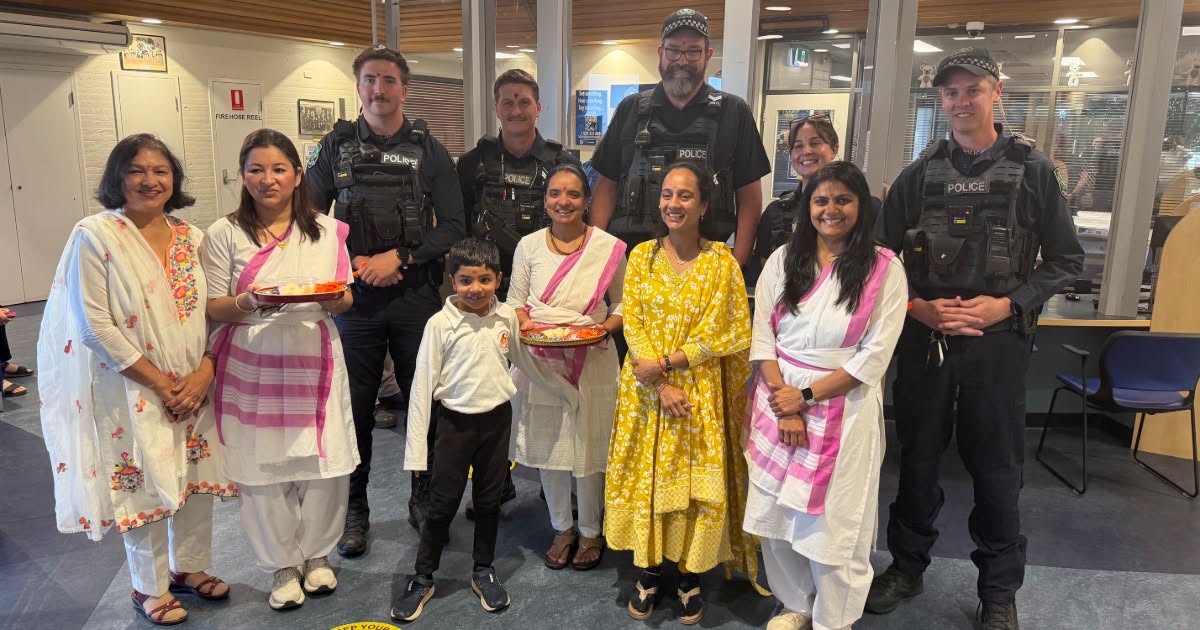
Raksha Bandhan is traditionally associated with the bond between brothers and sisters, with a rakhi tied around the wrist as a symbol of care, protection and responsibility. Over time, the symbolism has also been extended in some communities to acknowledge people whose work involves protecting others, including police officers, emergency personnel and members of the armed forces.
At South Australia Police headquarters, members of the Hindu community participated in a special ceremony in which rakhis were placed on the wrists of attending police officers. The gesture represented appreciation for the responsibilities carried by officers and the sense of security they provide to people across South Australia.
The celebration also provided an opportunity to explain the cultural meaning behind the festival to those attending. Community representatives highlighted the demanding role of police officers, whose responsibilities often require them to work on the frontline, respond to emergencies and help maintain safety and public order.
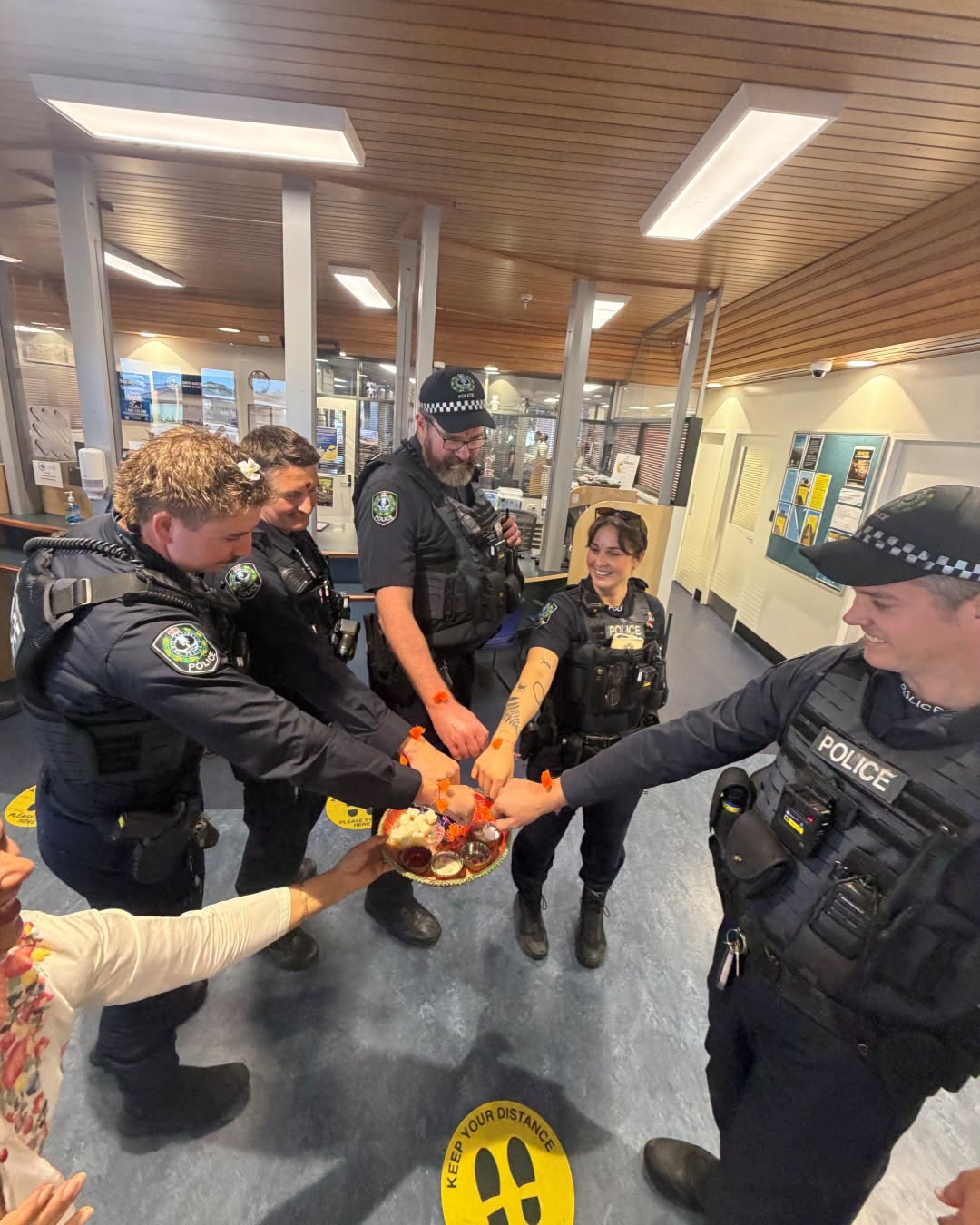
The ceremony reflected a broader approach to community engagement in South Australia, where cultural and faith-based organisations work with public institutions to strengthen mutual understanding. SAPOL has continued to participate in community activities involving different cultural and religious groups, recognising the role such engagement can play in building confidence and stronger relationships.
South Australia Police Commissioner Grant Stevens welcomed the occasion and acknowledged the significance of the gesture. He noted the connection between the traditional idea of protection within families and the responsibility undertaken by police officers in serving the wider community.
Community representative Sangna Joshi also spoke about the significance of the occasion, expressing appreciation for police personnel and their commitment to safeguarding the community. Her remarks emphasised the courage, discipline and dedication required of officers who regularly place the needs and safety of others ahead of their own.

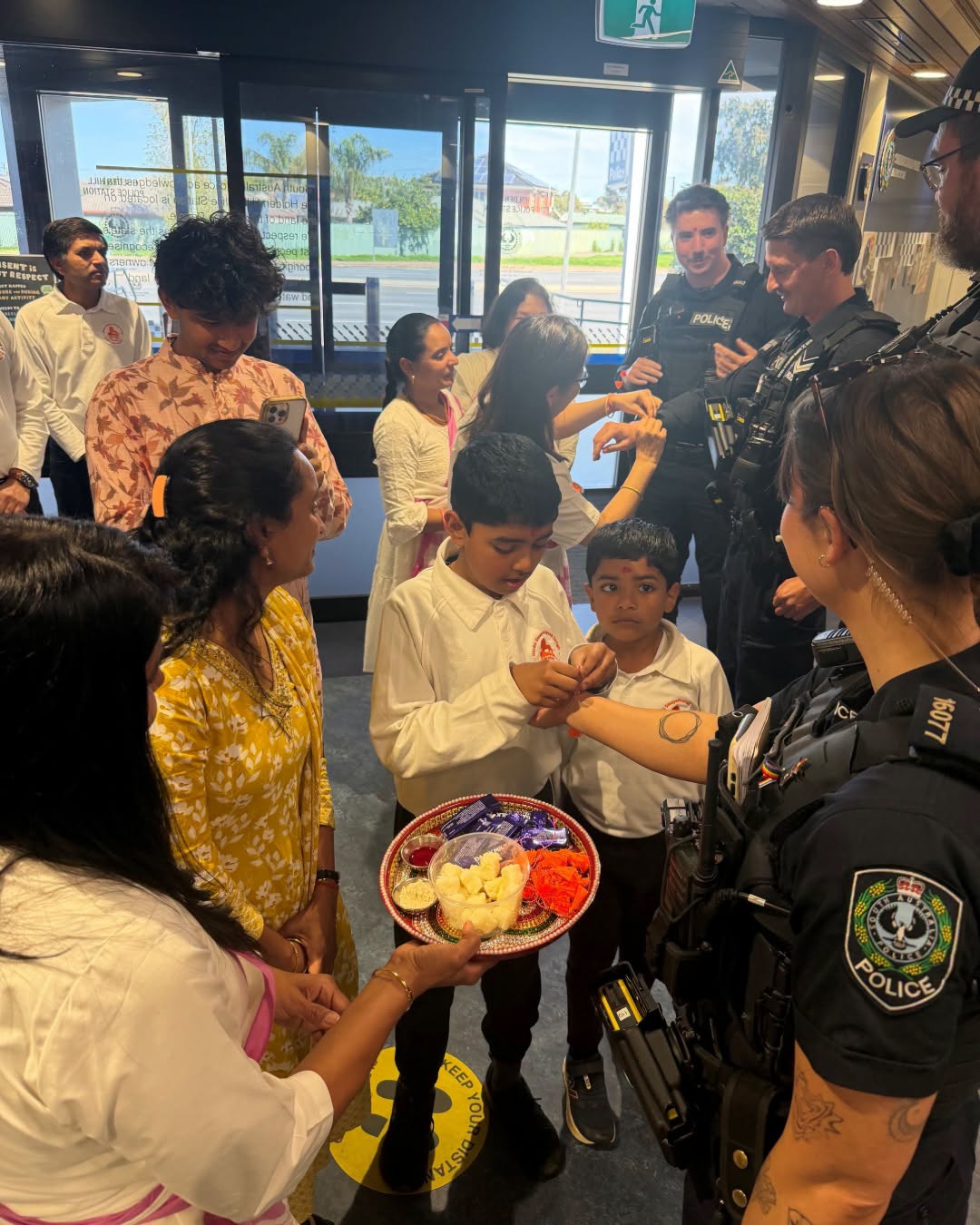
The rakhis used during the ceremony carried the word “samp”, meaning unity, adding another layer of meaning to the event. The symbolism reflected the idea that community safety is strengthened when residents, cultural organisations and public services develop relationships based on respect and cooperation.
The gathering concluded with traditional peda sweets being offered as part of the celebration. While simple in nature, the gesture reinforced the cultural character of the occasion and provided an opportunity for police representatives and members of the Hindu community to share in a familiar tradition.
For South Australia’s Hindu community, the occasion represented more than a festival celebration. It offered an opportunity to publicly acknowledge those working in demanding public-service roles while also demonstrating how cultural traditions can create meaningful connections between communities and institutions.
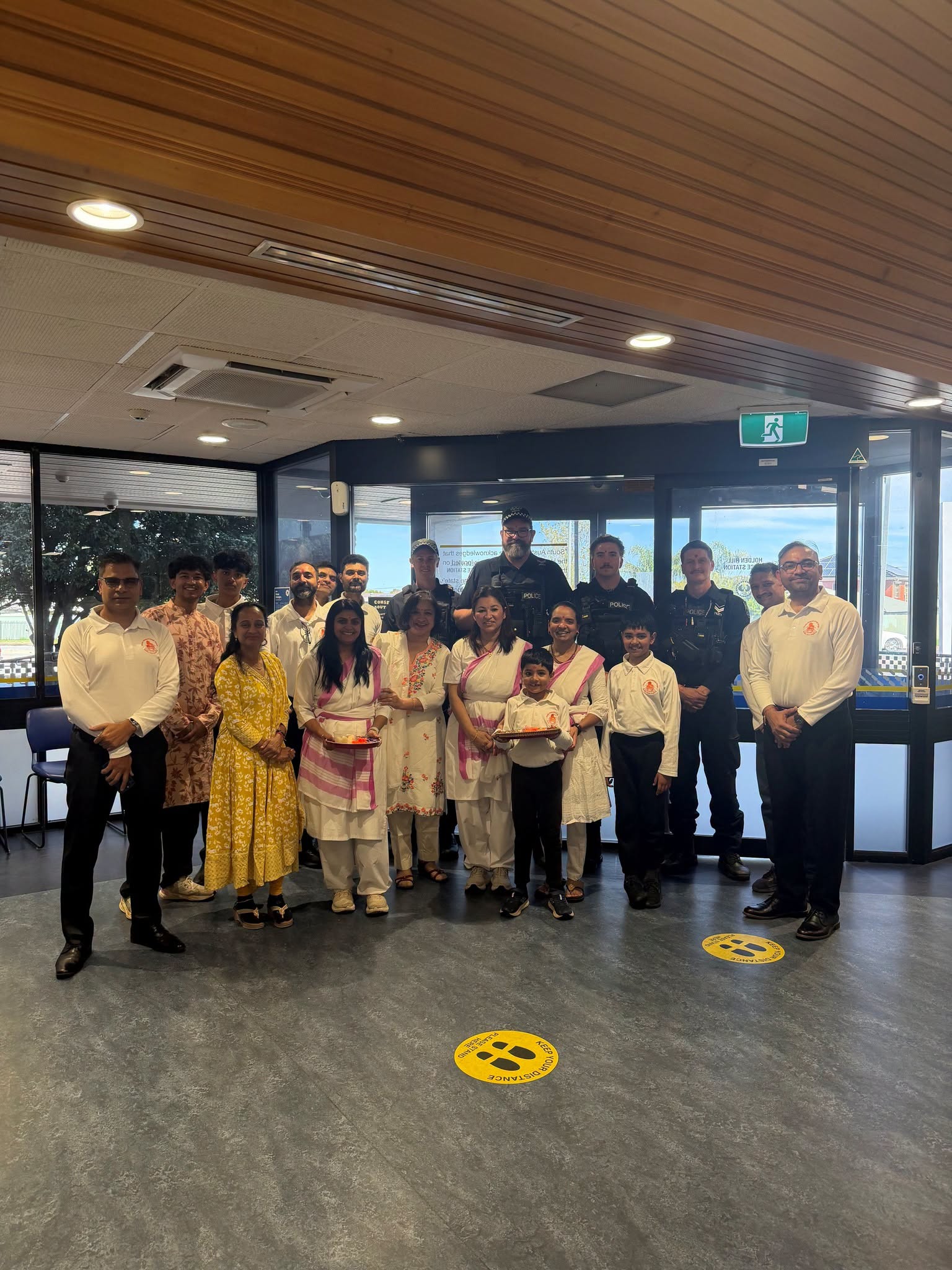
Events of this nature also reflect South Australia’s multicultural character, where cultural traditions can become a bridge between communities and the public organisations serving them. The Raksha Bandhan engagement demonstrates how recognition, cultural understanding and direct community contact can contribute to stronger relationships between police and the people they serve.
The celebration comes as SAPOL continues its broader community-engagement work across the state. Its current initiatives include partnerships with culturally diverse and faith communities, reflecting an ongoing emphasis on building trust and maintaining positive connections between police officers and residents.
For the Hindu community, the Raksha Bandhan message of protection found a natural connection with the role of police officers. The ceremony provided a respectful setting to recognise that connection while celebrating cultural heritage and the shared responsibility of creating safe, connected and inclusive communities across South Australia.