South Australian public primary schools will place greater emphasis on handwriting, practical activities and face-to-face learning under new measures designed to reduce unnecessary screen use in classrooms.
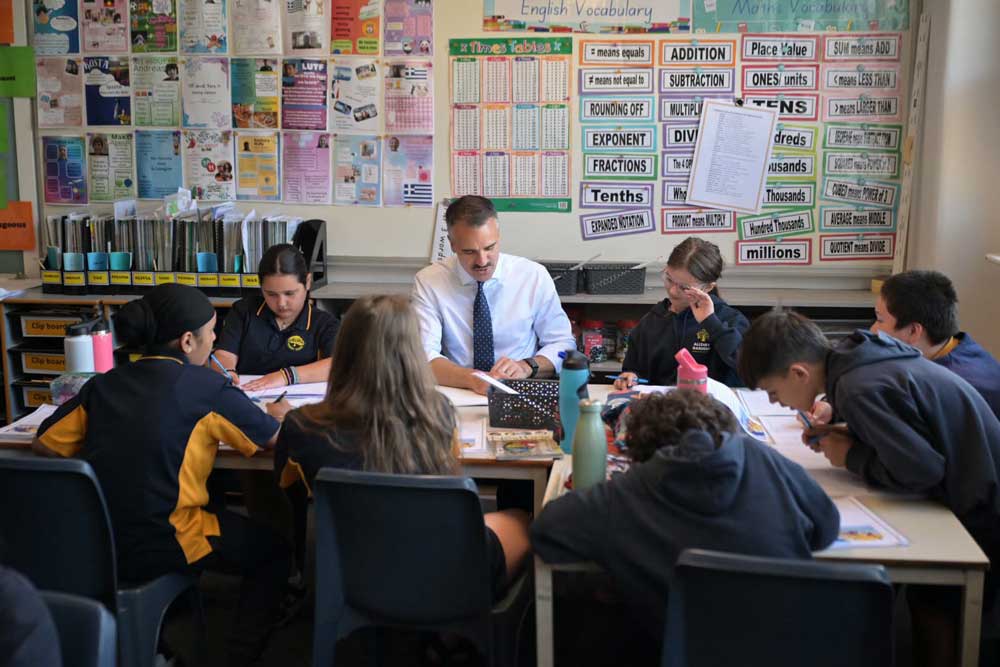
The Malinauskas Government will launch a six-month pilot across 10 public primary schools from Term 1 next year, targeting students in Years 3 to 6. The trial will limit laptop and tablet use to activities with a clear educational purpose and introduce one screen-free day each week for hands-on classroom learning.
Screen Restrictions to Begin Across Primary Schools in 2027
From 2027, laptop and tablet use will be banned for Reception to Year 2 students across all South Australian public primary schools.
Exemptions will apply for digital technology skills required by the curriculum, classroom smartboards, students with disability or additional learning needs, Distance Education and School of the Air students, and Year 2 NAPLAN preparation.
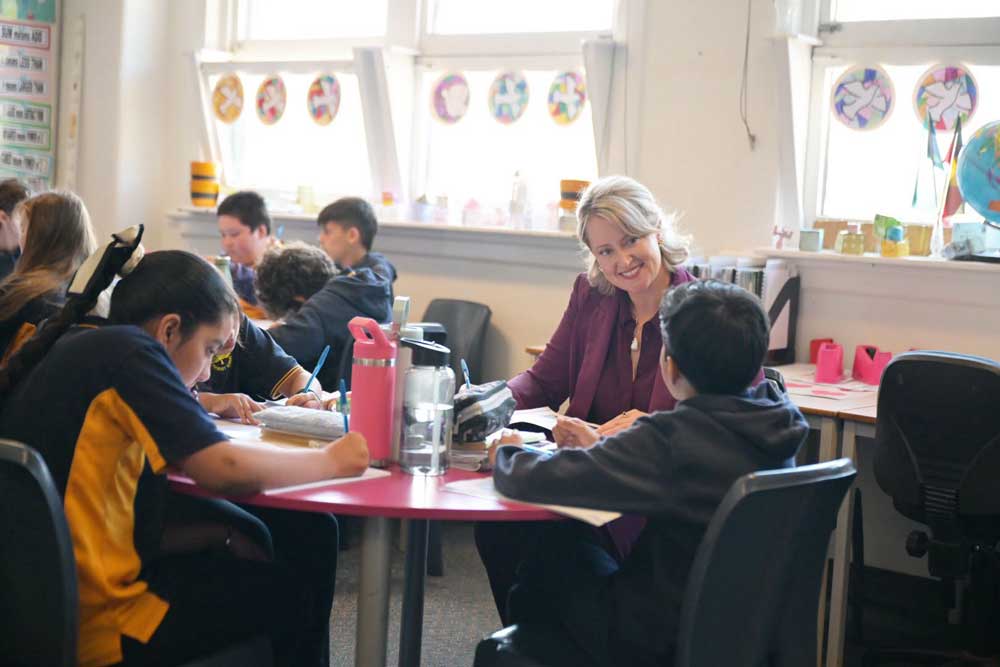
Under the pilot, teachers will decide when digital tools can genuinely support learning and digital literacy. Students will be encouraged to use technology actively to create and learn, rather than passively watching videos, copying notes from screens or browsing unrelated online content.
The Government will also phase out bring your own device (BYOD) requirements in public primary schools from 2027. Department-managed devices will provide greater oversight of accessible websites and content, helping reduce distractions, restrict inappropriate use and protect student information.

In addition, the current requirement for one device per three students in primary schools will be removed to encourage more handwriting, practical work and face-to-face activities.
Premier’s Pen Licence to Encourage Handwriting
A new Year 3 and Year 4 Premier’s Pen Licence program will recognise students as they develop their handwriting skills and reach an important learning milestone.
The move follows an agreement by Education Ministers across Australia to return Year 5 NAPLAN writing tests from screens to pen and paper from 2028, subject to further advice from the Australian Curriculum, Assessment and Reporting Authority (ACARA). Year 3 students already complete their writing tests on paper.
The changes will also coincide with the introduction of 150 minutes of active learning time each week for public school students from Reception to Year 9, beginning next year.
Ten Schools Selected for the Screen-Free Learning Trial
The six-month pilot will involve the following South Australian public schools:
- Blair Athol North B-6 School
- Cummins Area School
- Flaxmill School P-6
- Kilkenny Primary School
- Kirton Point Primary School
- Magill School
- McDonald Park School
- Modbury West School
- Reidy Park Primary School
- Allenby Gardens Primary School
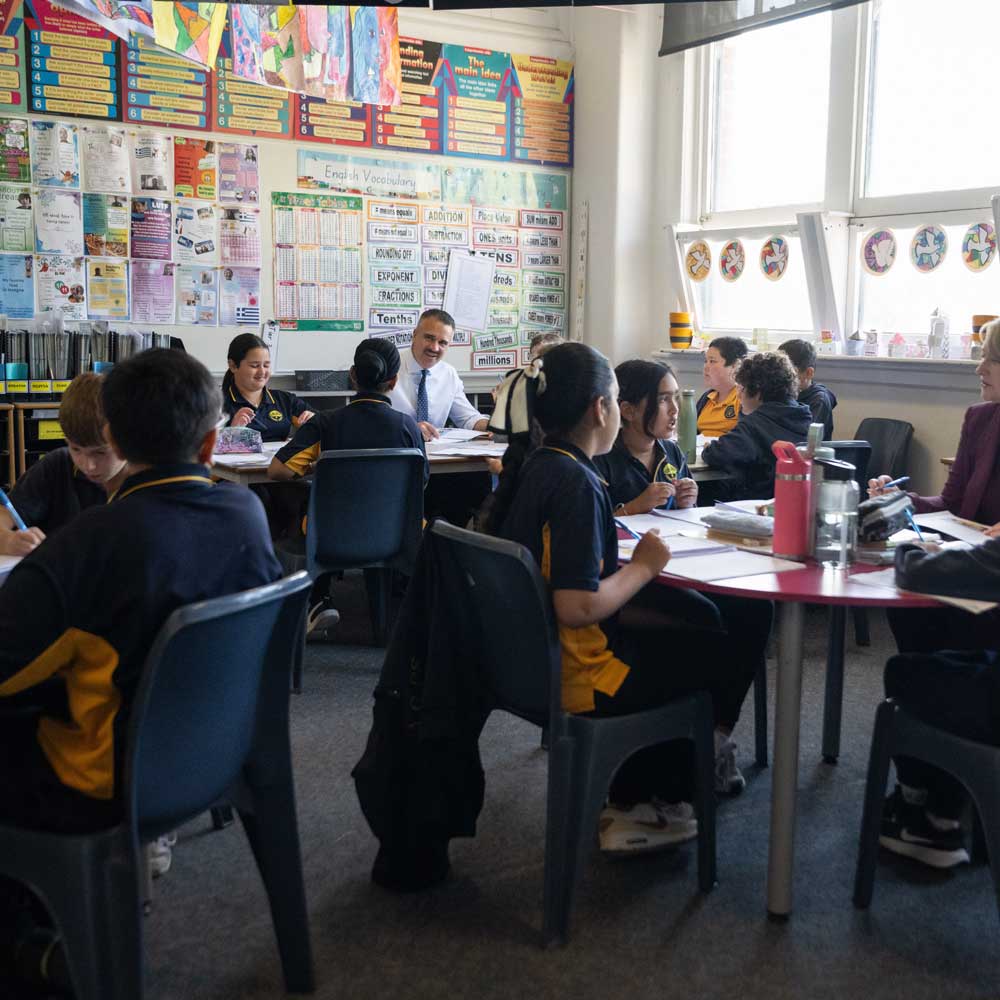
The results will help the Government determine further measures to reduce unnecessary screen use across South Australian public schools.
Building on the Kids Off Screens Initiatives
The new classroom measures form part of the Malinauskas Government’s $76 million Kids Off Screens initiatives, which aim to support more active and engaged children.
Other initiatives include the Wait Mate program, encouraging parents to delay giving children smartphones; free before and after-school activities for public primary students from 2027; expanded free sports vouchers for 16 to 18-year-olds; free Year 7 camps beginning in 2027, with the first 60 eligible schools identified; and additional free come-and-try sports sessions.
The Government has also introduced a school phone ban and supported a social media ban for children under 16.
These measures build on its election commitment to help teachers manage classroom technology, with greater emphasis on pen and paper, practical learning and group discussions.
Government and Education Leaders Support a Balanced Approach
South Australian Premier Peter Malinauskas said the changes would put handwriting and foundational learning skills back at the centre of primary education.
He said classrooms should encourage active learning rather than passive screen use, while recognising that technology still has an important role when used for a clear educational purpose.
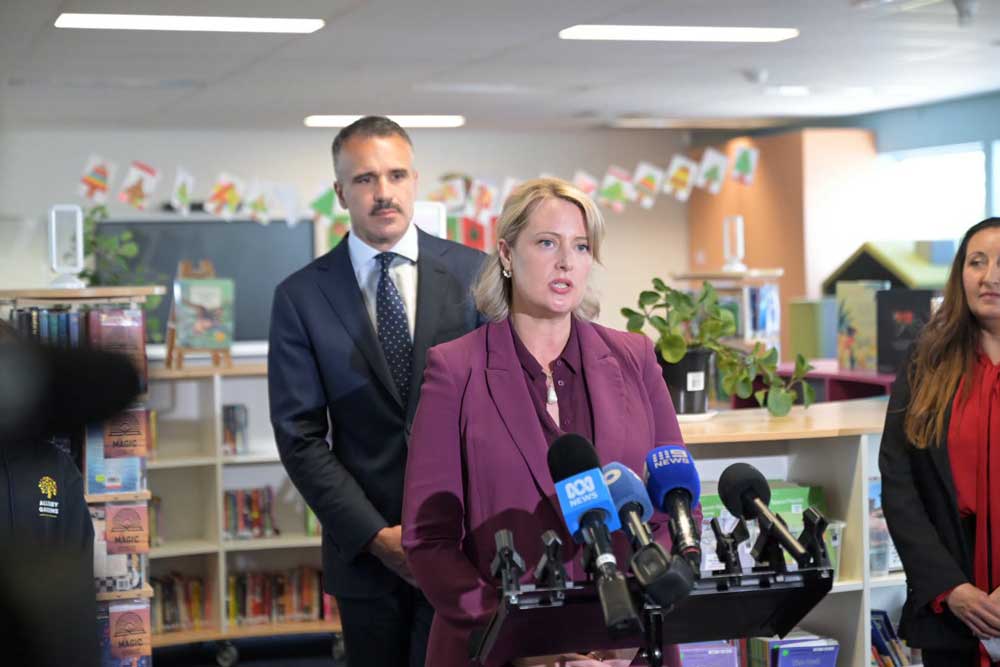
Education Minister Lucy Hood said the initiative aimed to give children more opportunities to learn face-to-face and develop essential handwriting skills, while helping teachers maintain a healthy balance in classroom technology use.
Allenby Gardens Primary School Principal Vicky Bitzios said primary students needed time to practise handwriting, discuss ideas and learn through practical experiences. She welcomed the opportunity to observe how changes to screen use affect student engagement and learning.
South Australian Primary Principals Association President Tobias O’Connor also welcomed the trial, highlighting the importance of reducing unnecessary screen use while ensuring children develop both handwriting and digital literacy skills.
Australian Education Union SA President Jennie-Marie Gorman said the trial was a positive step and welcomed the Government’s willingness to listen to teachers. She also emphasised that managing children’s screen time should be a shared responsibility between schools and families.
The six-month trial will provide an opportunity to assess how reduced screen use affects classroom engagement and learning, with the findings expected to guide future decisions across South Australia’s public school system.