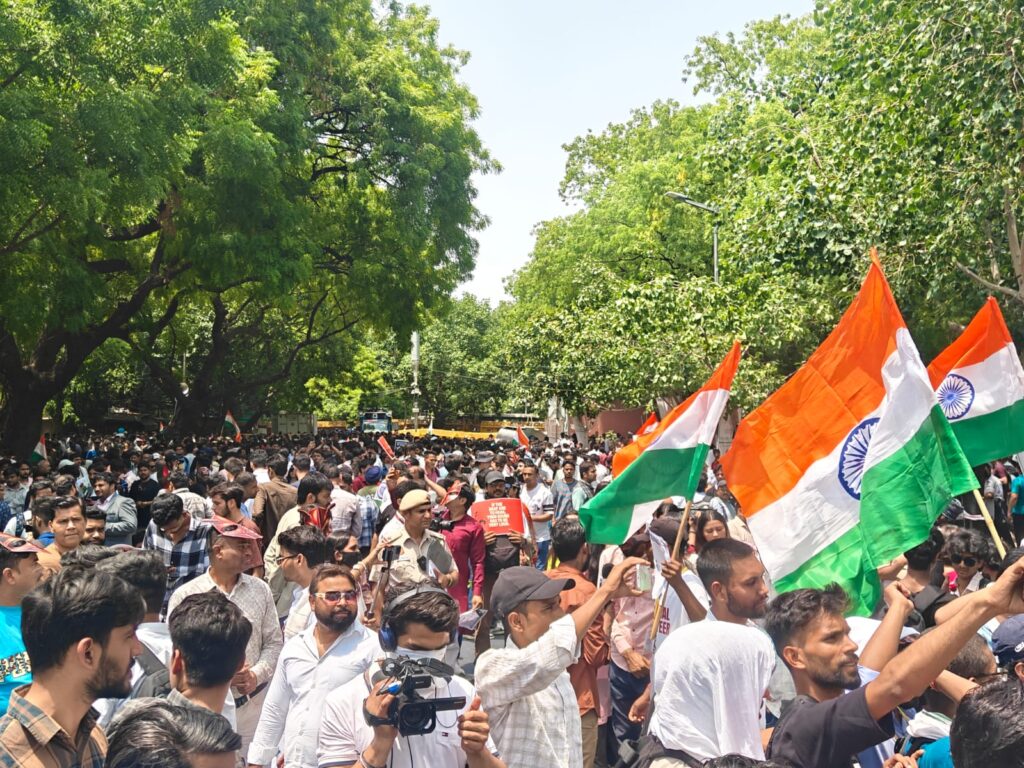
When trust in education is questioned, an entire generation feels the impact. What began as anger over alleged examination paper leaks has evolved into one of India’s most significant youth-led protest movements in recent years. At the centre of the demonstrations is Jantar Mantar in New Delhi, where thousands of students, parents, professionals and supporters have gathered to demand accountability, transparency and reforms in India’s education system.
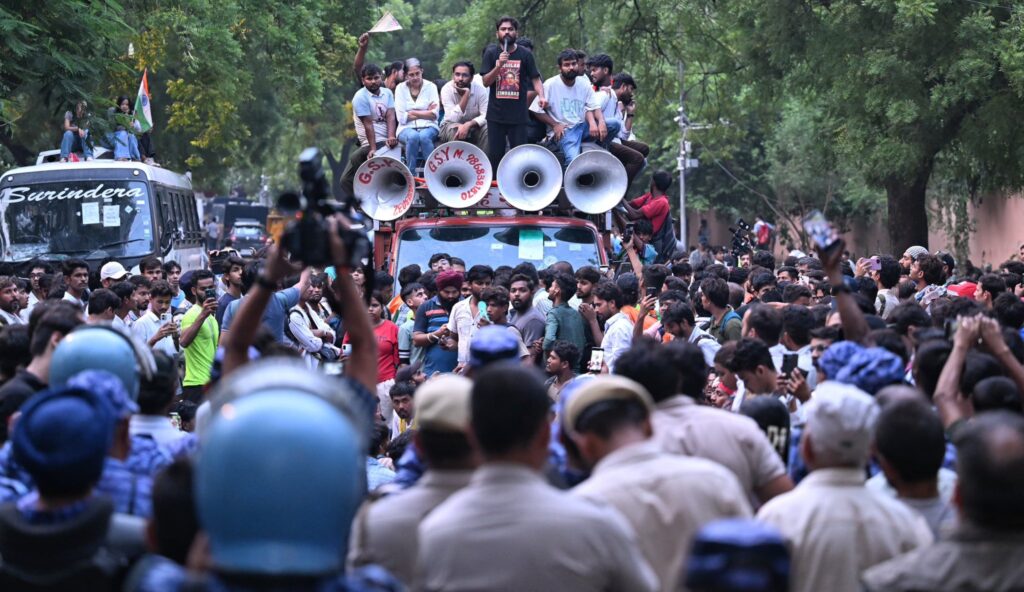
The movement traces its origins to growing concerns over the integrity of competitive examinations and recruitment processes across India. For years, students have voiced frustration over allegations of paper leaks, exam cancellations, recruitment delays and irregularities that they believe undermine merit-based opportunities. While authorities have introduced reforms and legal measures to combat malpractice, concerns have continued to surface, creating a sense of uncertainty among young people preparing for highly competitive careers.
The immediate trigger for the protests was the controversy surrounding the 2026 National Eligibility cum Entrance Test (NEET), one of India’s most important medical entrance examinations. Following reports of a question paper leak, authorities cancelled the examination, forcing millions of students to prepare once again. For many candidates, the decision meant additional months of stress, financial pressure and uncertainty regarding admissions. The incident quickly became a rallying point for students who felt that years of hard work could be compromised by failures beyond their control.
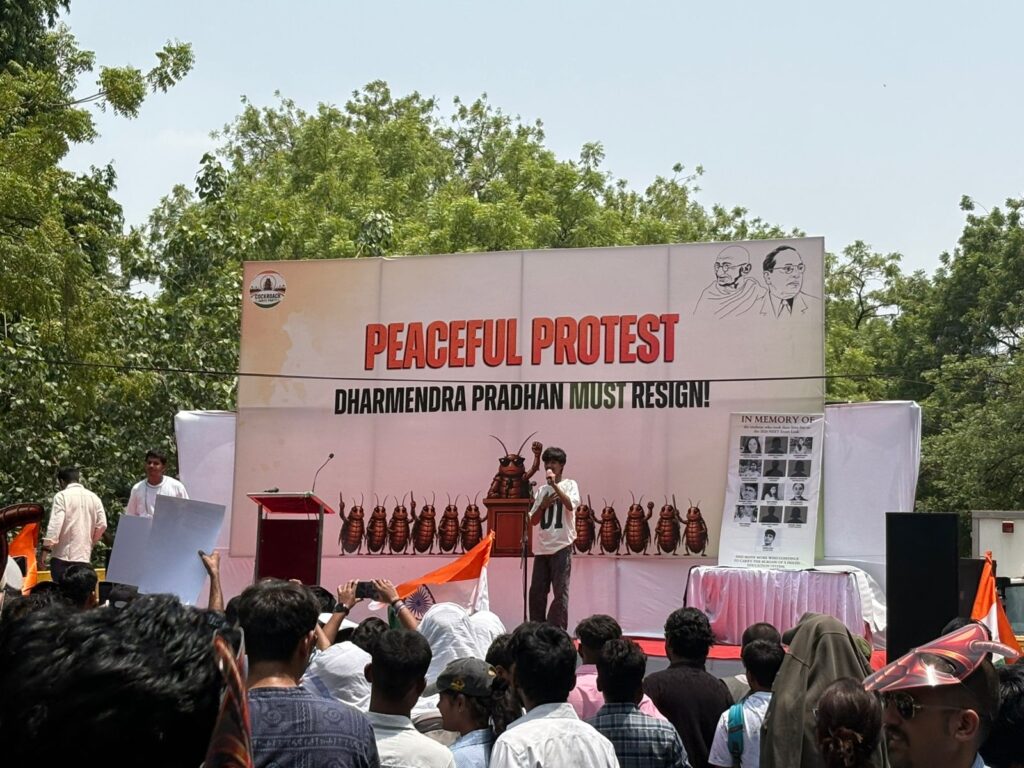
As frustration spread, social media emerged as a powerful platform for mobilisation. Students from different states began sharing experiences and discussing broader issues affecting education and employment. Online conversations rapidly transformed into coordinated demonstrations, attracting support from young people who believed the controversy reflected deeper structural problems within the examination system.
One of the most distinctive aspects of the movement has been the emergence of the Cockroach Janta Party (CJP), a youth-led platform that became the public face of the protests. The group adopted the cockroach as a symbol of resilience, arguing that ordinary citizens continue to endure setbacks while striving for better opportunities. Through social media campaigns, public meetings and grassroots organising, the movement expanded far beyond its original focus on examination irregularities.
A key figure associated with the movement is Abhijeet Dipke, a political communication strategist who has become one of its most visible leaders. Supporters credit him with helping unite students from different regions under a common cause. Organisers maintain that the movement’s primary objective is education reform and accountability, while critics and some political observers argue that the protests have increasingly taken on broader political dimensions.
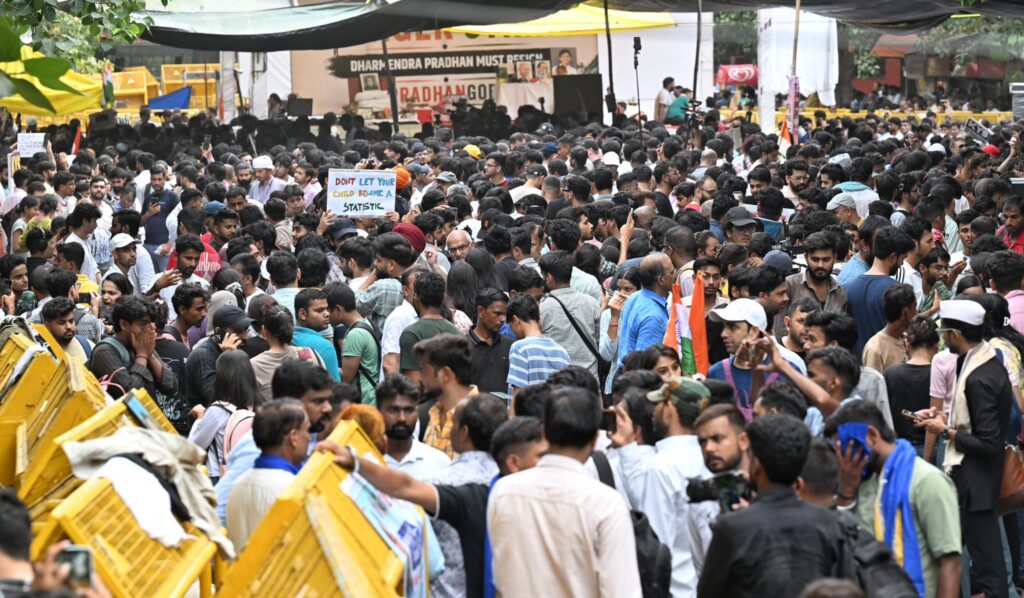
Jantar Mantar was chosen as the centre of the movement because of its long history as a venue for public demonstrations. Located near Parliament and key government institutions, it has become a symbolic space where citizens bring their concerns directly to the national stage. As participation grew, volunteers established support networks, discussion spaces and information centres, transforming the area into the operational hub of the protest movement.

The protests soon expanded beyond examination concerns. Demonstrators began calling for stronger safeguards against paper leaks, greater transparency in recruitment processes, accountability for administrative failures and comprehensive reforms to restore confidence in educational institutions. Some groups also demanded action to address the mental health pressures experienced by students and support for families affected by alleged examination-related distress.
The movement gained further attention when well-known activist and education reform advocate Sonam Wangchuk expressed support for the protesters. His involvement helped broaden public awareness of the demonstrations and brought additional focus to calls for systemic reforms. Several student organisations, civil society groups and public figures also voiced support, arguing that the concerns raised by young people deserved serious attention.
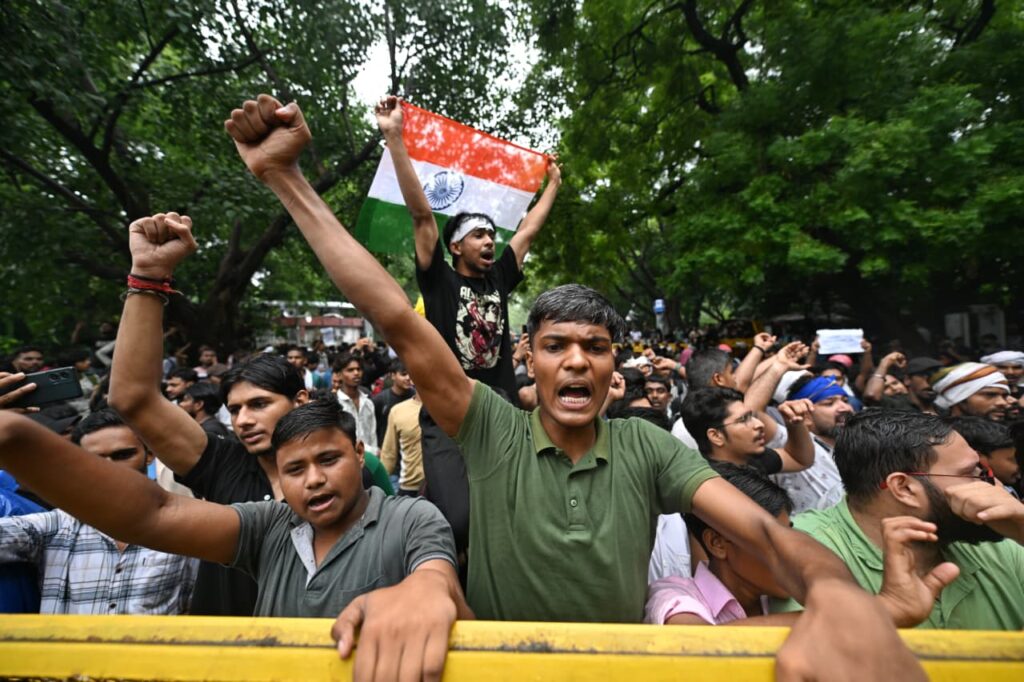
As the movement expanded, opposition political parties began commenting on the protests and supporting some of the demands raised by demonstrators. Leaders from various opposition groups criticised the government’s handling of examination controversies and called for greater accountability. Protest organisers, however, have repeatedly stated that the movement should not be viewed solely through a political lens, arguing that its core focus remains the future of students and the credibility of the education system.
The government’s response has centred on investigations into examination irregularities, discussions with stakeholders and assurances that reforms are being implemented. Officials have stated that protecting the integrity of examinations remains a priority and have defended measures taken to address security concerns. Authorities have also emphasised the need to maintain public order while allowing lawful democratic expression.
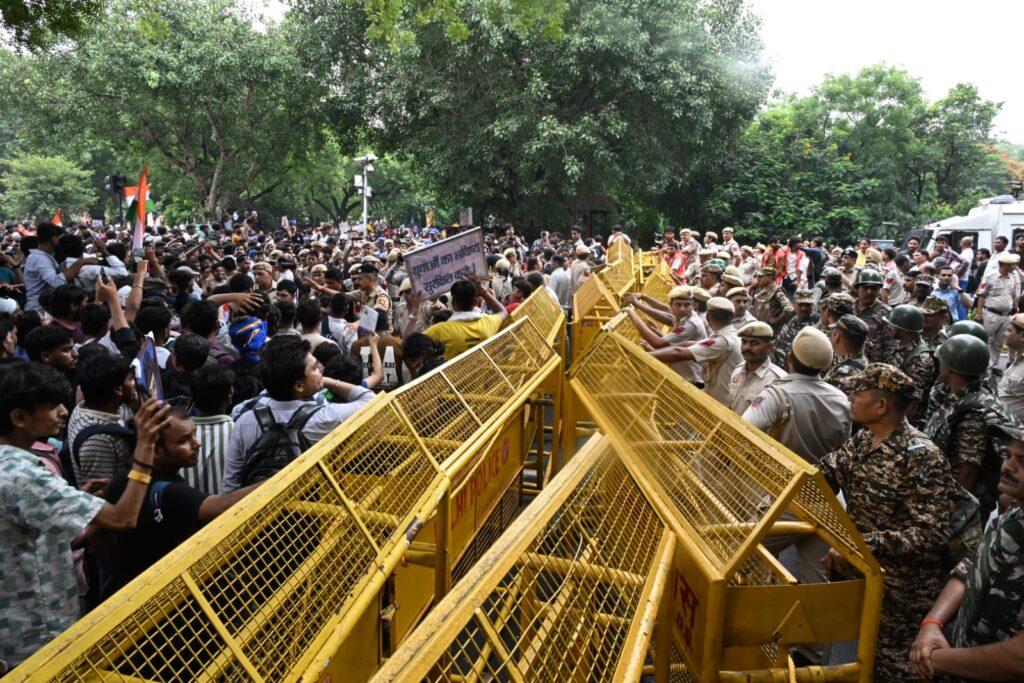
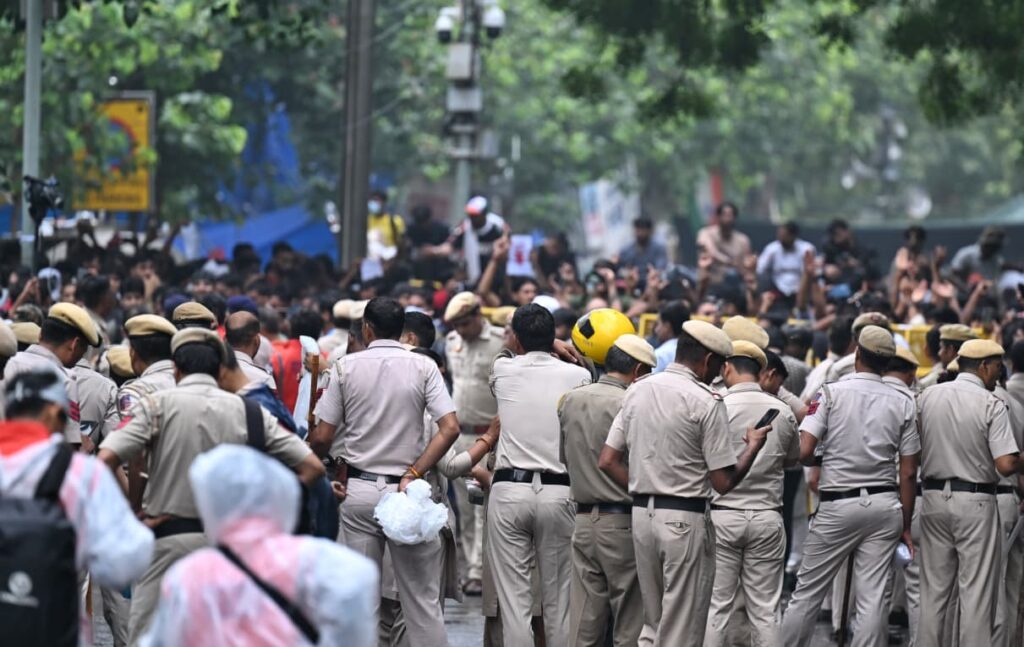
Tensions escalated when protest organisers attempted to expand demonstrations beyond designated areas. Reports emerged of clashes after police denied permission for certain marches and moved to disperse demonstrators. Authorities cited security concerns and restrictions around sensitive government areas, while protesters argued that their voices were being unfairly restricted. The incidents generated widespread media coverage and further intensified national debate surrounding the movement.
Beyond the headlines and political arguments are millions of students whose futures depend on a system they believe should be fair, transparent and based on merit. For many participants, the protests are not solely about one examination or one policy decision. They reflect broader anxieties about opportunity, social mobility and confidence in institutions that shape the future of young people.
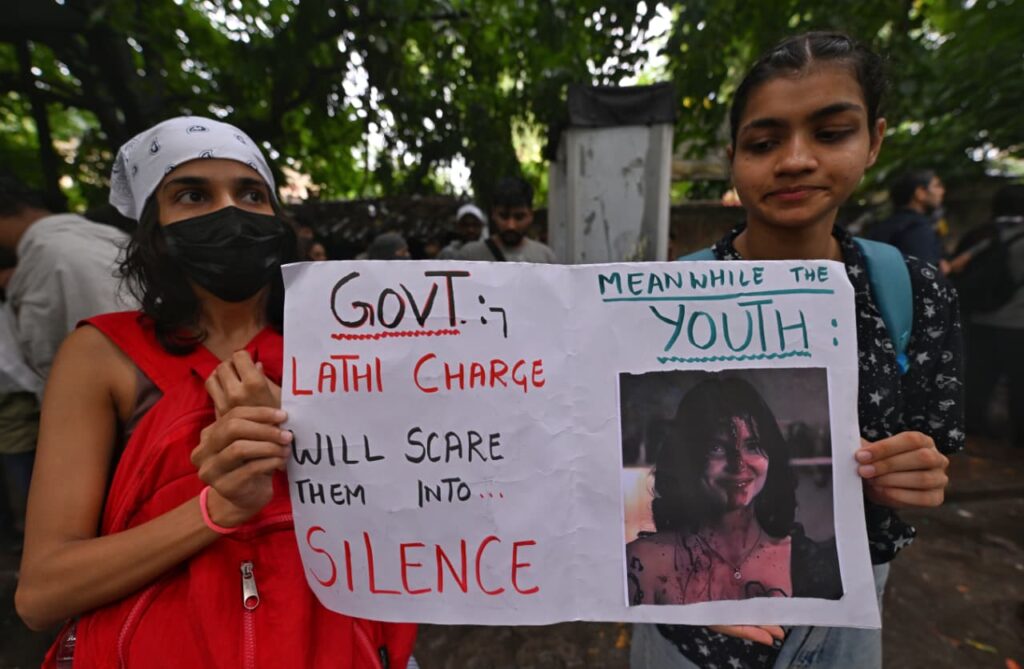
Education represents far more than examinations. For countless families across India, it is a pathway to opportunity, stability and progress. Parents invest significant financial resources and emotional support to help their children succeed, often viewing education as the most reliable route to a better future. When confidence in that system is shaken, the consequences extend beyond individual students and affect entire communities.
The movement has also sparked conversations about mental health, academic pressure and the intense competition faced by young people. Experts have noted that repeated examination disruptions and uncertainty can have a significant emotional impact on students, particularly those preparing for highly competitive entrance tests and recruitment processes. Many protesters argue that reforms should address both administrative failures and the broader pressures faced by students.
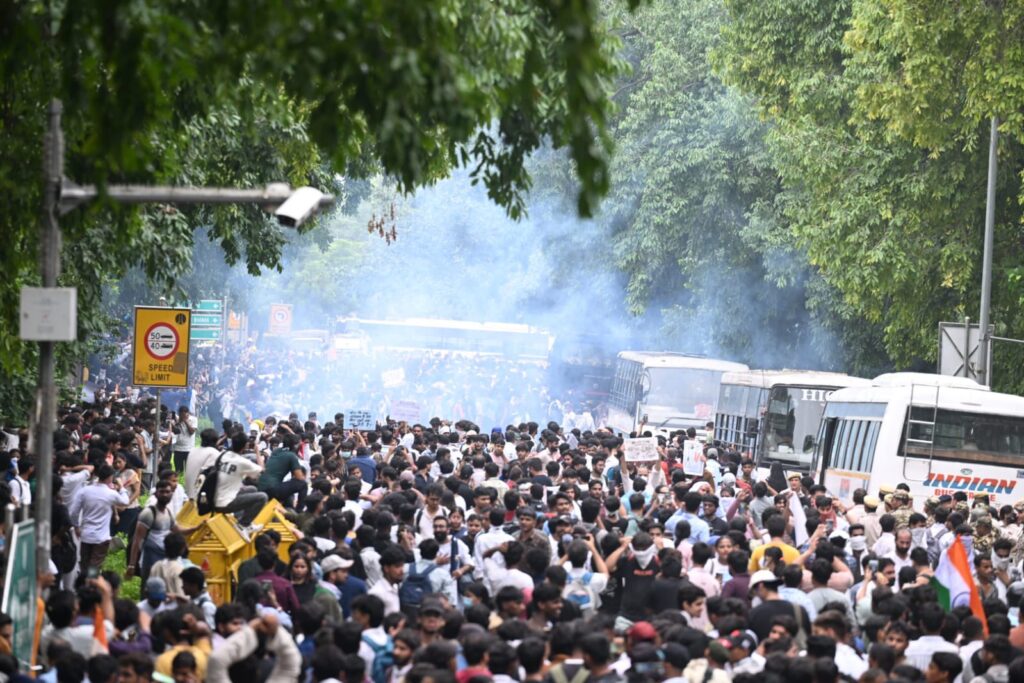
At the same time, every democracy faces the challenge of balancing the right to peaceful expression with the responsibility to maintain public safety. The events at Jantar Mantar have highlighted the complexities involved when large-scale demonstrations intersect with security concerns and political tensions. These moments often test the ability of institutions to respond effectively while preserving democratic freedoms.
The protests have now evolved into a wider national conversation about accountability, governance and the expectations of India’s youth. Whether the movement ultimately results in major policy changes remains uncertain, but it has already succeeded in placing education reform and examination integrity at the centre of public debate. The scale of participation demonstrates the importance of these issues to millions of families across the country.
No matter where individuals stand politically, many agree on one fundamental principle: every student deserves a fair opportunity to succeed, and every nation benefits when young people have confidence in the institutions shaping their future. The challenge now lies in rebuilding that trust through dialogue, transparency and meaningful reform.
As negotiations, investigations and demonstrations continue, the story of the Jantar Mantar protests remains unfinished. What began as anger over alleged examination irregularities has become a defining youth movement of 2026, raising questions that extend beyond education and into the future direction of India’s social and political landscape.