Indian Prime Minister Narendra Modi has achieved a historic milestone, becoming India’s longest-serving head of an elected government. The landmark moment marks over two decades of continuous leadership, spanning his tenure as Chief Minister of Gujarat and his time as Prime Minister since 2014.
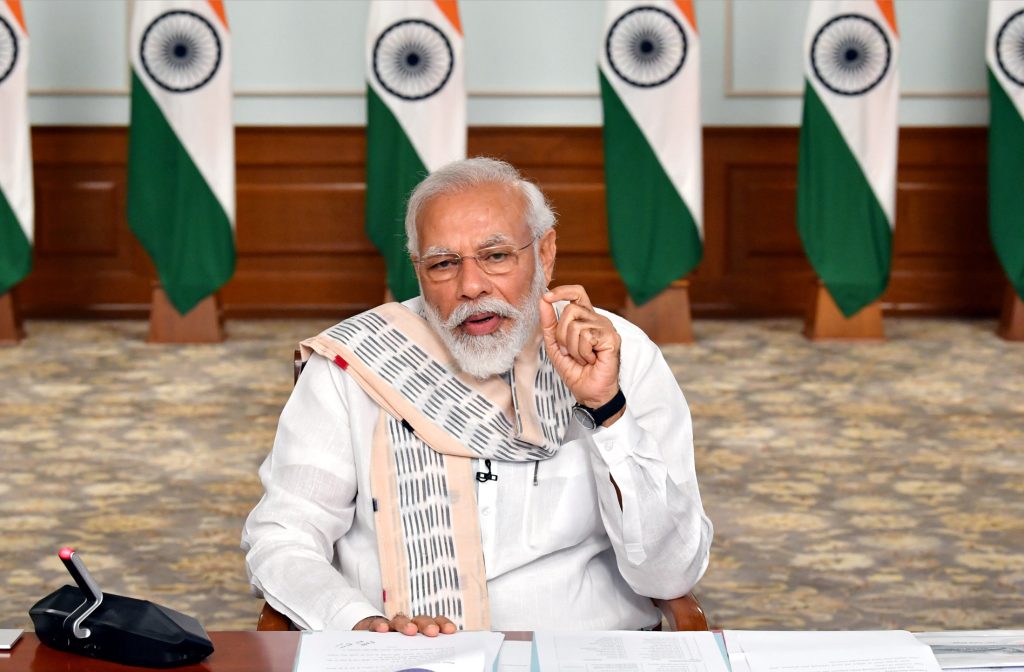
According to recent reports, Modi has completed more than 8,900 days in office, surpassing the previous record held by former Sikkim Chief Minister Pawan Kumar Chamling. This achievement places him at the forefront of India’s political history, highlighting a rare continuity of leadership in the world’s largest democracy.
Modi’s political journey began in 2001 when he took charge as Gujarat’s Chief Minister, a role he held until 2014. He then transitioned to national leadership, becoming Prime Minister after a decisive electoral victory and has since gone on to win multiple general elections, including securing a third term in 2024.
His tenure has been marked by a strong focus on economic reform, infrastructure development and digital transformation. Key initiatives such as Digital India, Make in India and Swachh Bharat have played a central role in shaping policy direction and positioning India as a growing global economy.
Supporters view this milestone as a reflection of sustained public trust and political stability. Leaders within his party have described his leadership as one built on long-term vision, governance continuity and strong voter support across multiple election cycles.
At the same time, Modi’s long tenure has also sparked broader discussions about leadership longevity in modern democracies. Analysts note that maintaining political relevance over such an extended period requires not only electoral success but also the ability to adapt to changing social, economic and global dynamics.
Globally, Modi remains one of the most recognised political figures, with a strong international presence and a significant following on digital platforms. His leadership style—combining traditional political strategy with modern communication—has helped shape his connection with both domestic and global audiences.

For the Indian diaspora, particularly in countries like Australia, this milestone carries added significance. It reflects the growing global visibility of Indian leadership and reinforces India’s evolving role on the world stage, with Modi continuing to be a central figure in that narrative.
As India moves forward, this historic achievement not only marks a personal milestone for Narendra Modi but also represents a defining chapter in the country’s political journey—one that continues to influence both national policy and global perception.