Exploring Yamas On and Off the Mat
ASTEYA – Practicing Non-Stealing On and Off the Mat
Asteya, the third of the five Yamas in Patanjali’s Yoga Sutras, translates to non-stealing. While it seems straightforward—don’t take what isn’t yours—it goes far beyond material theft. Asteya reminds us to examine how we might unconsciously take time, energy, space, attention from others and not stealing too much from the earth.
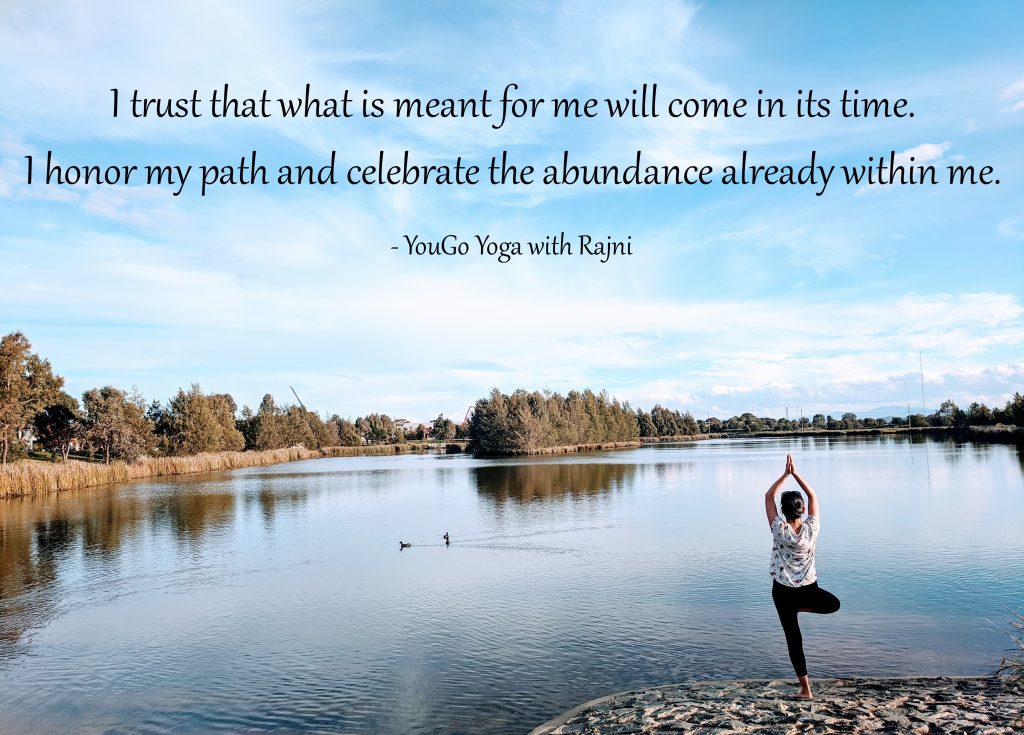
Asteya is rooted in cultivating contentment, gratitude, and inner abundance. It requires you to consciously guide yourself to feel contentment and satisfaction with your present – the here and now.
Asteya On the Mat
- Honor Your Limits: Avoid “stealing” from your body by pushing past pain or copying others. Stay true to your own pace and movement.
- Honor your time: Arrive on time and stay for the full session. Leaving early or arriving late can disrupt others’ experience.
- Honor your space: Be aware of your mat placement and avoid crowding others. If you are practicing alone, conduct yourself with poise and remain considerate of others who may use the space before or after your session.
- Release Comparison: Comparing and wanting someone else’s strength, flexibility, or progress is a subtle form of envy—another way of desiring what’s not ours.
How to Practice Asteya Off the Mat
- Listen and speak mindfully: Be mindful in conversations—don’t dominate or interrupt, Listen fully giving your full attention.
- Honor your Energy: Reflect on whether you’re taking more than you give in relationships, work, or community. Learn when to withdraw and when to give back.
- Consume mindfully: Consumer culture thrives on wanting more. Asteya reminds us to appreciate what we already have, get more only if you need to. Practice minimal wastage.
- Acknowledge and give credit where it’s due: Don’t lay claim to ideas, words, or work of others without acknowledgment.
- Environmental Awareness: Reflect on how much you are taking from the Earth – food, fuel, water, space and the impact of your lifestyle choices.
Affirmations to cultivate Asteya:
- I am whole, I am enough, I am abundant.
- What is meant for me flows to me with ease.
- I release the urge to take what isn’t freely given.
- I give and receive with balance and mindfulness.
There YouGo! Living in Asteya means acknowledging that true abundance comes from a sense of fulfilment, gratitude and trust and not from grasping or taking that what is not freely given. When we practice Asteya we create space for peace both on and off the mat.

– Rajni Ghai Malhotra