SA VOTE STUNS NATION
The 2026 South Australian state election will be regarded as far more than a routine electoral exercise. It represents a pivotal moment with implications that extend well beyond the state’s borders, capturing the attention of political observers across Australia.

A Decisive Mandate
Under the leadership of Peter Malinauskas, the Labor government has secured a commanding and historically significant victory. The scale of the result reflects not only strong electoral support but also a consolidation of Labor’s position across metropolitan Adelaide and key regional areas.
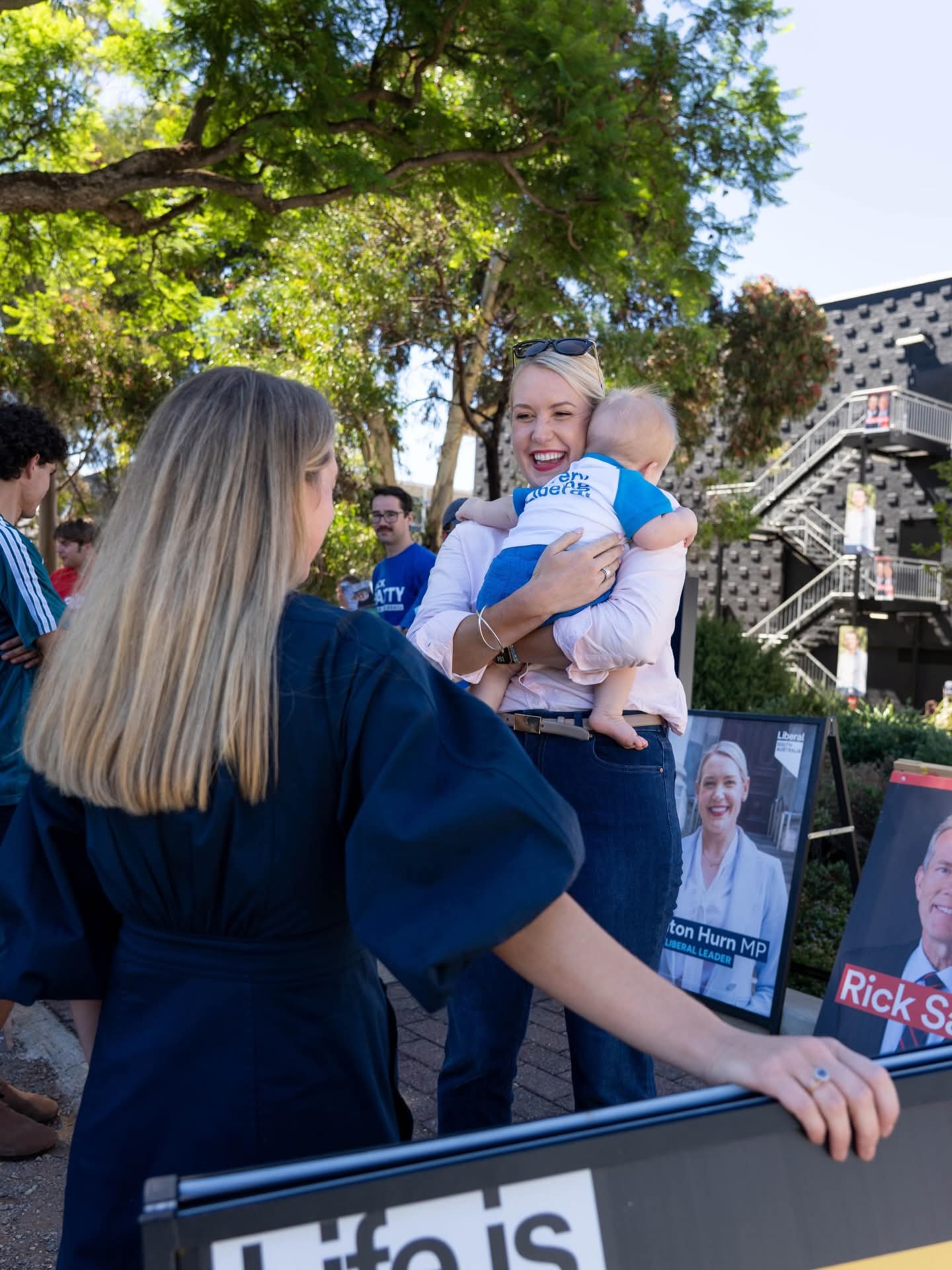


In contrast, the Liberal Party has experienced a substantial electoral setback, raising serious questions about its strategic direction, leadership, and capacity to reconnect with voters. The outcome underscores a broader challenge facing centre-right parties in an evolving political landscape.
At the same time, the growing support for One Nation highlights an emerging shift in voter behaviour. The party’s performance signals increasing fragmentation within the electorate and a willingness among voters to explore alternatives beyond the traditional two-party framework.
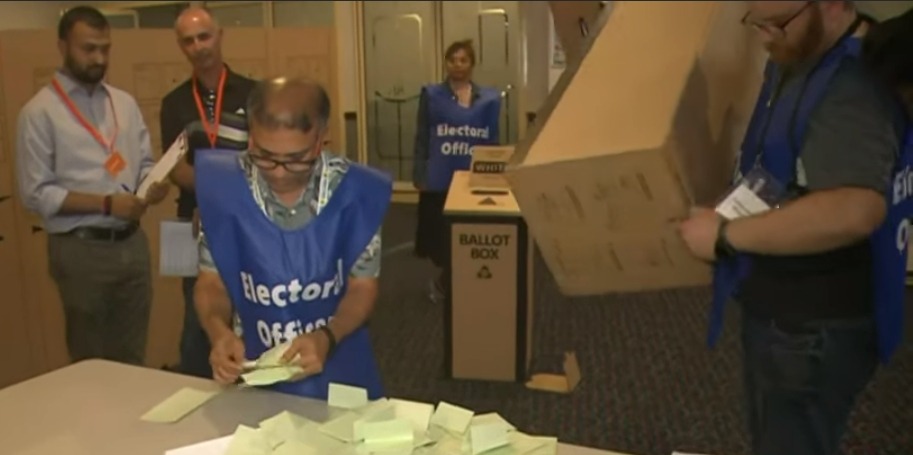


The South Australian election attracted widespread national interest, effectively serving as a barometer of broader political trends. Several factors contributed to this heightened attention:
- It provided a critical test of the resilience of major parties, particularly on the conservative side of politics.
- It offered insight into shifting voter sentiment, including rising disengagement with traditional party structures.
- It demonstrated the effectiveness of disciplined governance and targeted policy messaging in securing electoral dominance.
As a result, the election has assumed significance as a reference point for political strategy across Australia.

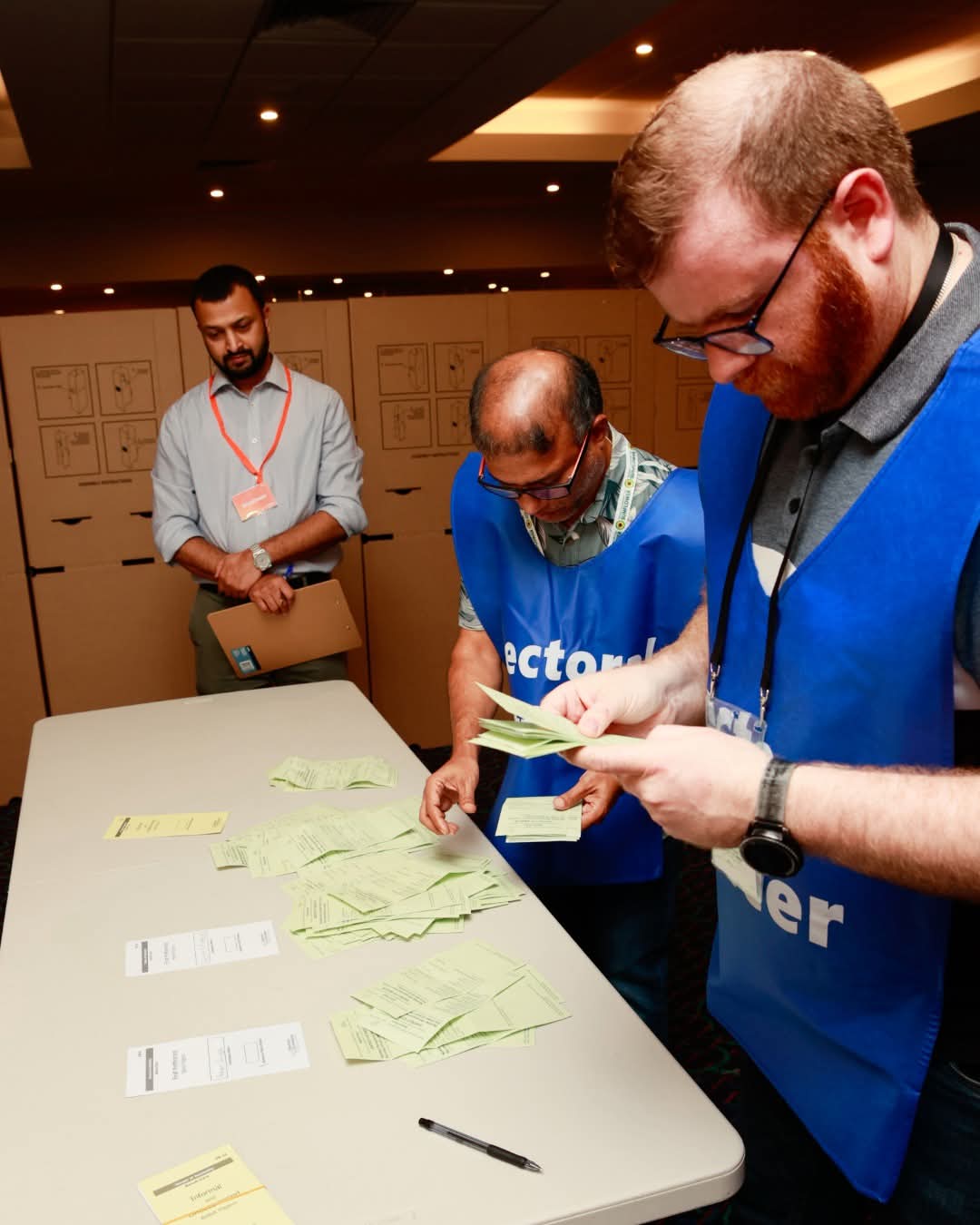
Implications for Upcoming Electoral Contests : The outcome is likely to strengthen the position of the federal Labor government by illustrating how a divided opposition can advantage incumbents. Fragmentation among conservative voters may continue to influence results in closely contested federal seats.

In Victoria, political parties will closely analyse these results. The rise of minor parties suggests that future contests may become increasingly complex, particularly in outer suburban and regional electorates where voter volatility is more pronounced.



Within South Australia, any forthcoming by-elections will take place in a transformed political environment. Labor’s strengthened position, combined with a weakened opposition and the presence of competitive minor parties, introduces new dynamics that could challenge traditional electoral assumptions.
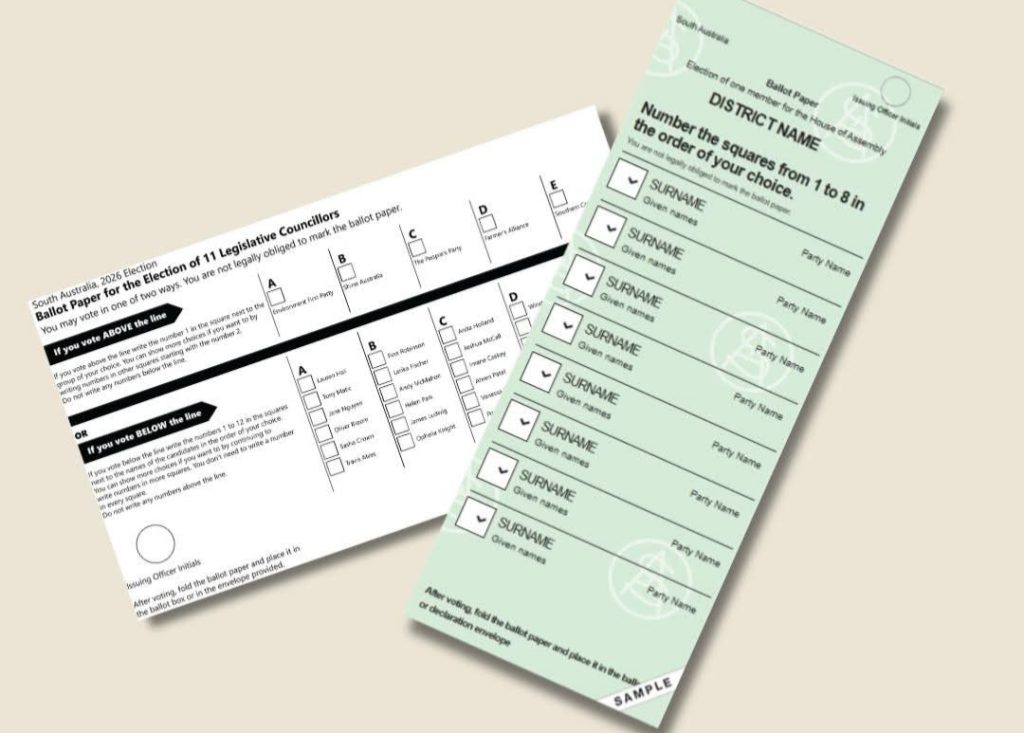
The increased support for minor parties such as One Nation reflects a broader structural shift in Australian politics. Voters are demonstrating a growing inclination to move away from conventional party loyalties, contributing to a more fragmented and competitive electoral environment.
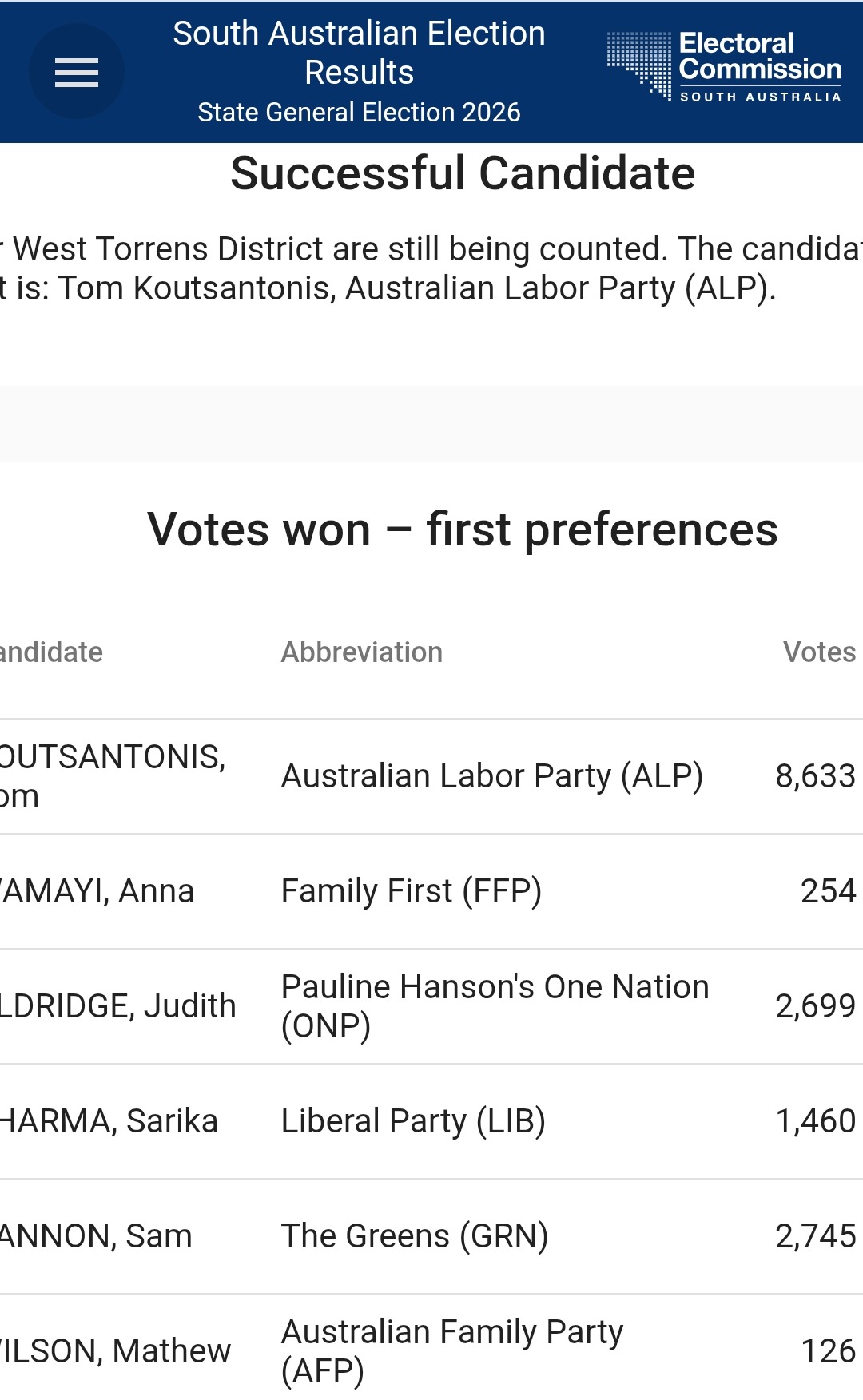
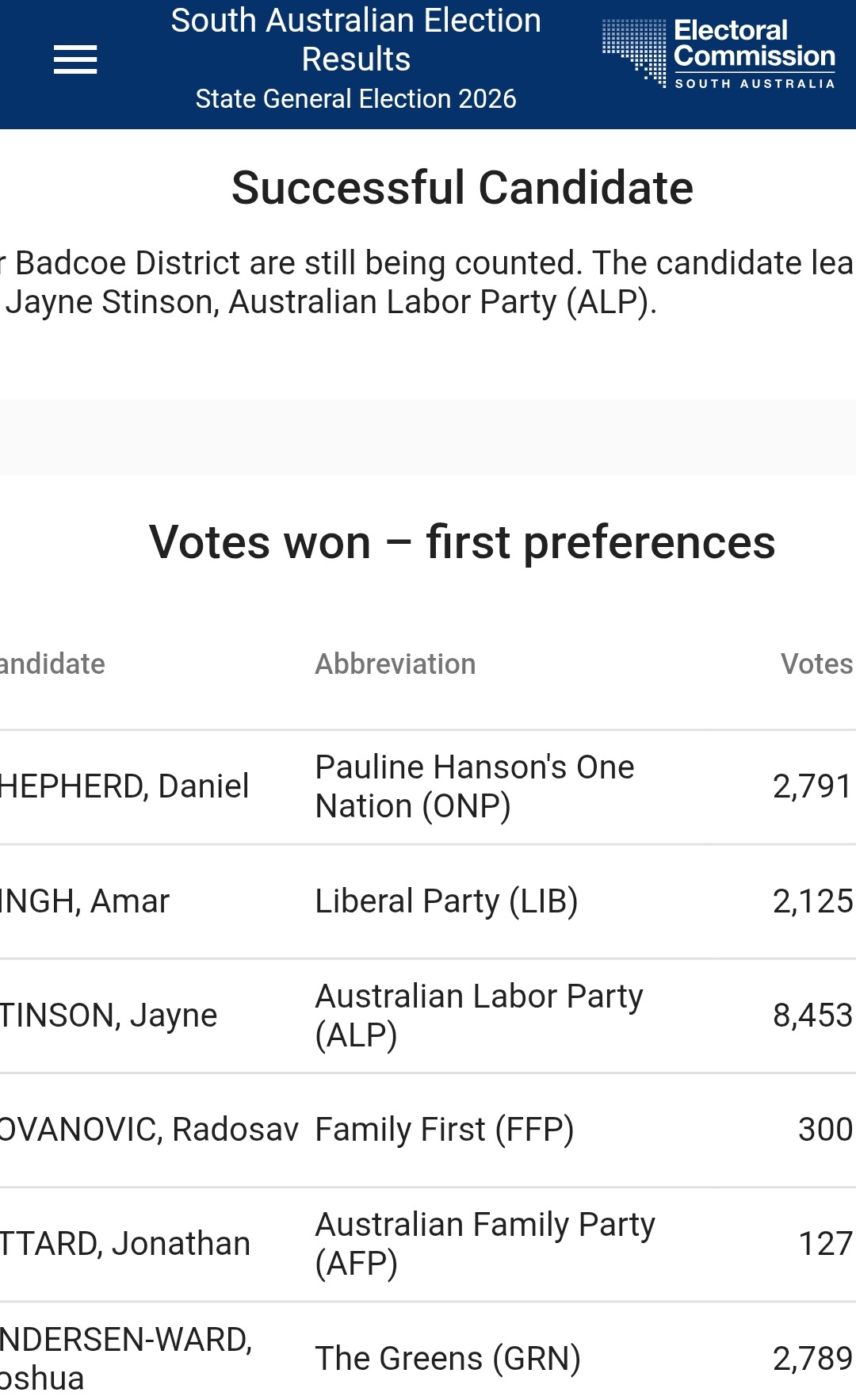
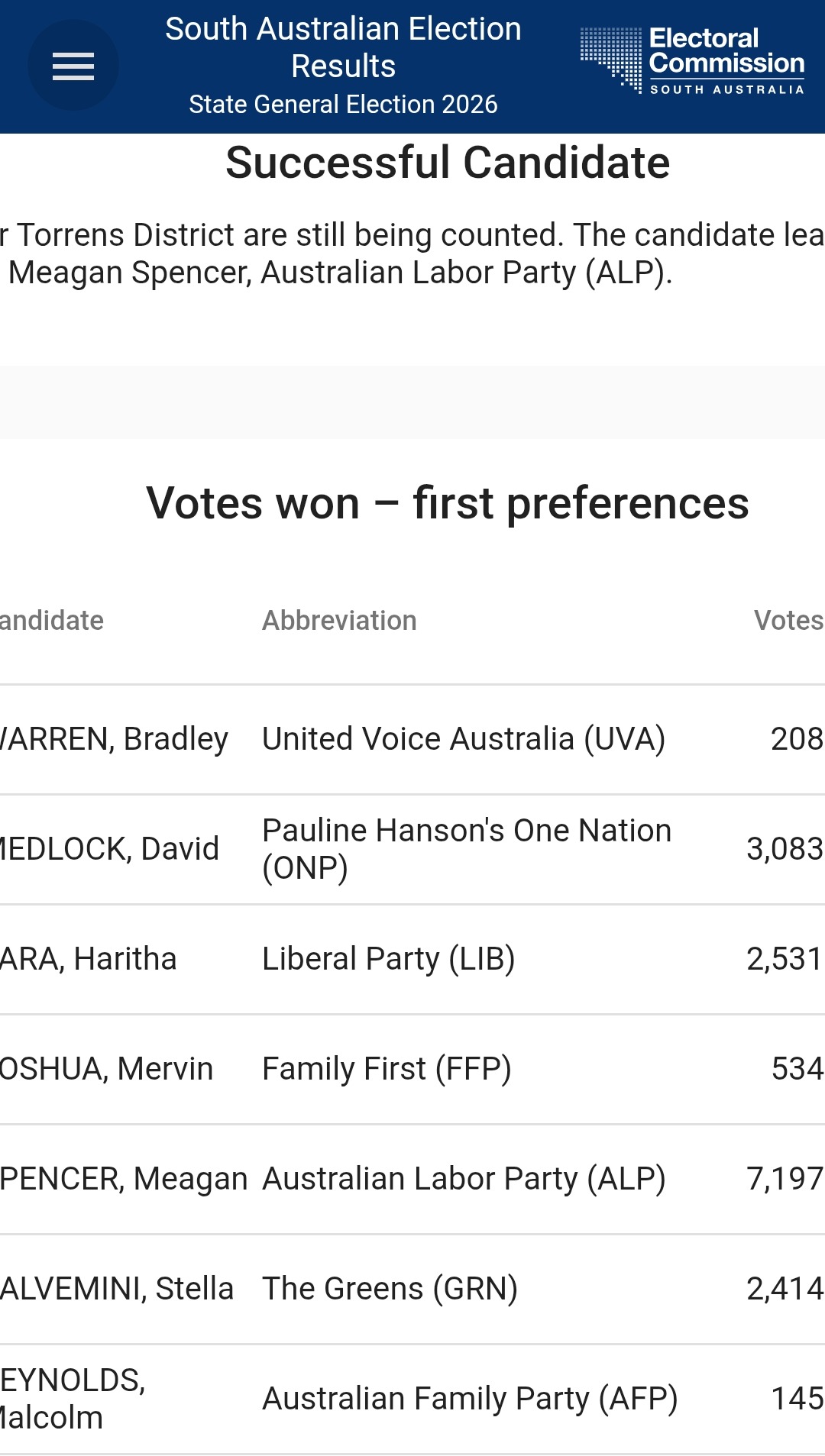
This trend is likely to have lasting consequences, including more complex preference distributions, less predictable outcomes, and heightened strategic challenges for major parties.
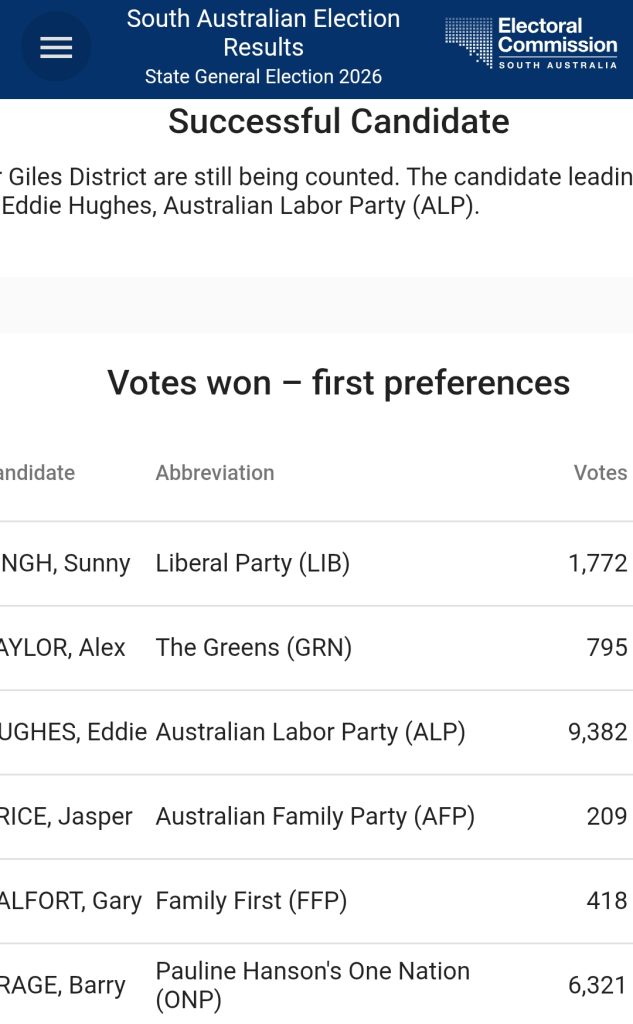
A notable feature of the 2026 election has been the increased participation of candidates of Indian origin, reflecting the demographic evolution of South Australia’s electorate.
- Expanded participation: A greater number of Indian-origin candidates contested seats compared to previous elections, indicating deeper civic engagement.
- Broader significance: Their presence highlights the gradual diversification of political representation in Australia, aligning with national trends toward greater inclusivity.
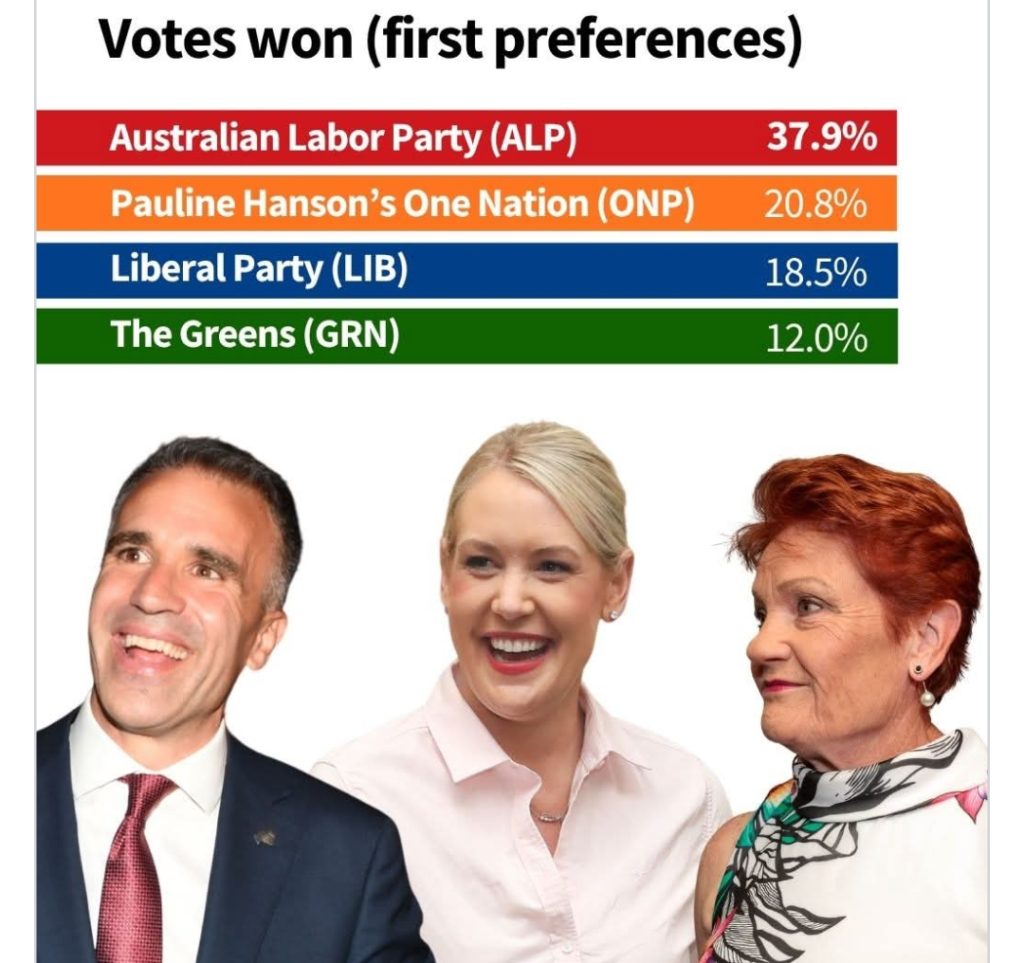
While electoral outcomes for these candidates are not favourable for them and luck has not helped.them this time, their growing visibility marks an important step in the evolution of Australia’s democratic landscape. Here are the official Electoral commission details about these candidates.
The 2026 South Australian state election represents a significant turning point. It underscores the dominance of Labor under strong leadership, exposes structural weaknesses within the Liberal Party, and highlights the increasing relevance of one nation .
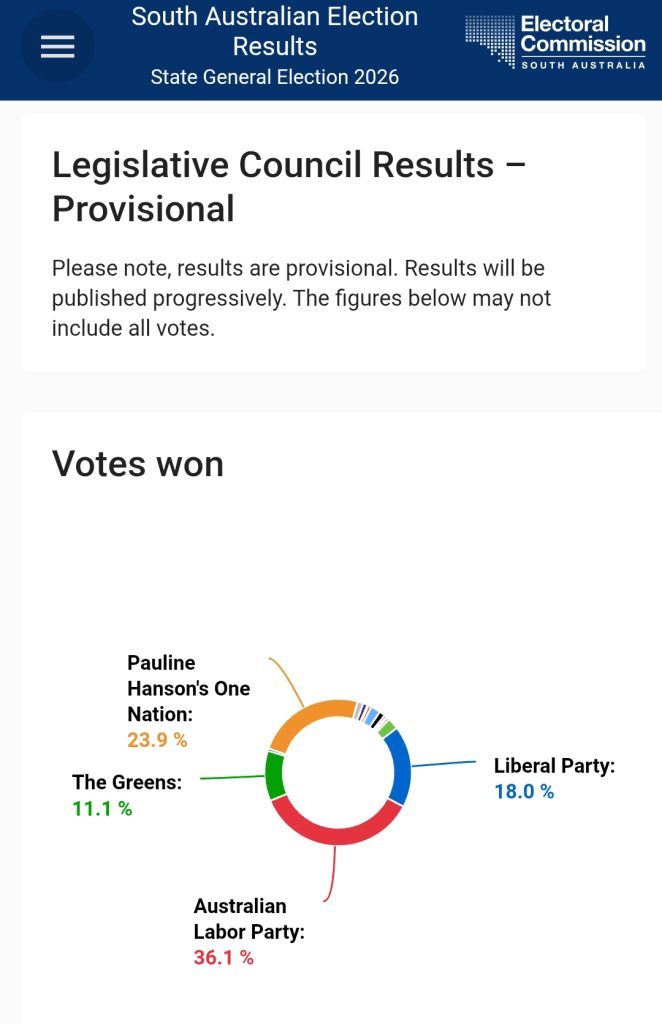
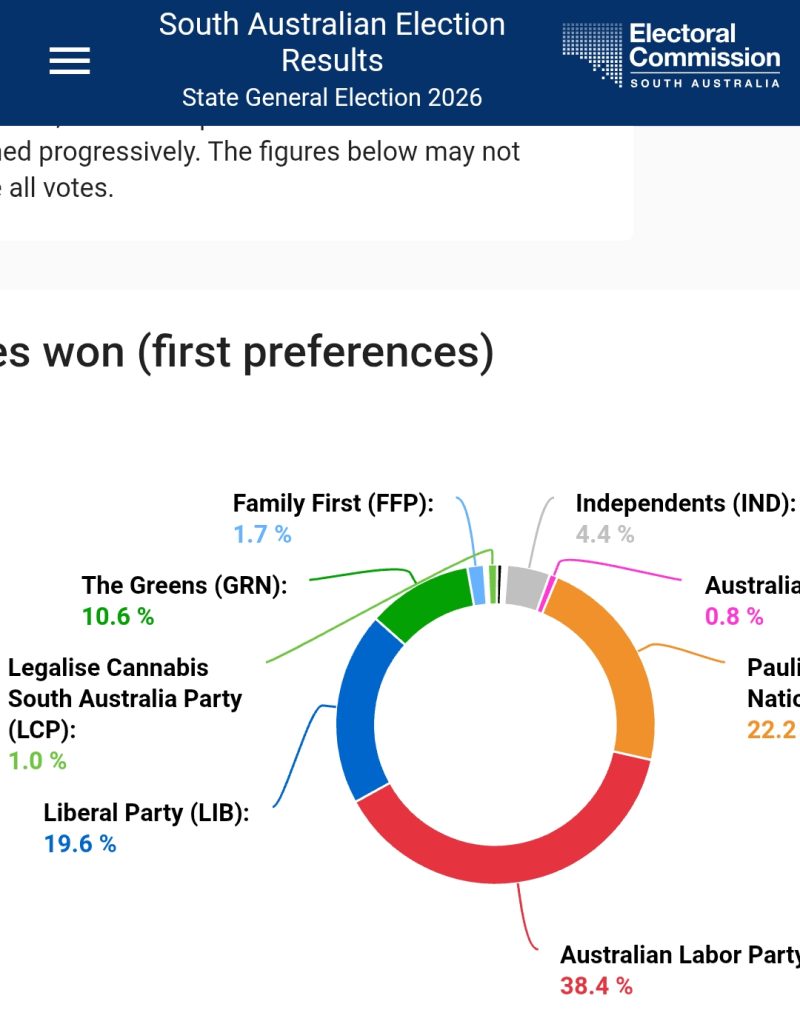
More importantly, it signals a transition toward a more complex and less predictable political environment across Australia. As the nation approaches future by-elections, the Victorian state contest, and the next federal election, the lessons drawn from South Australia will remain highly influential.
This election was not merely a state-level event – it was an indicator of the direction in which Australian politics is heading.
– daljeet bakshi