
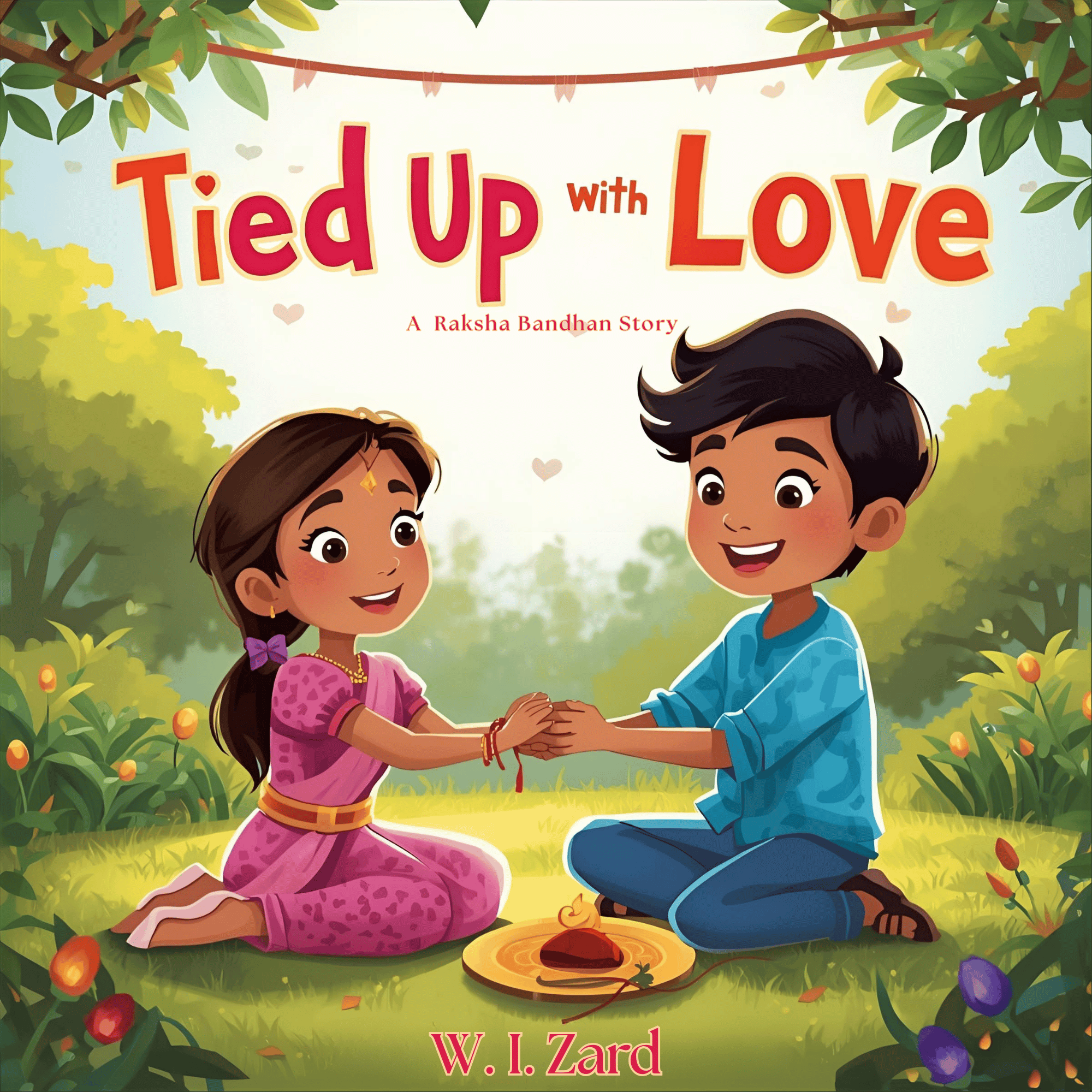
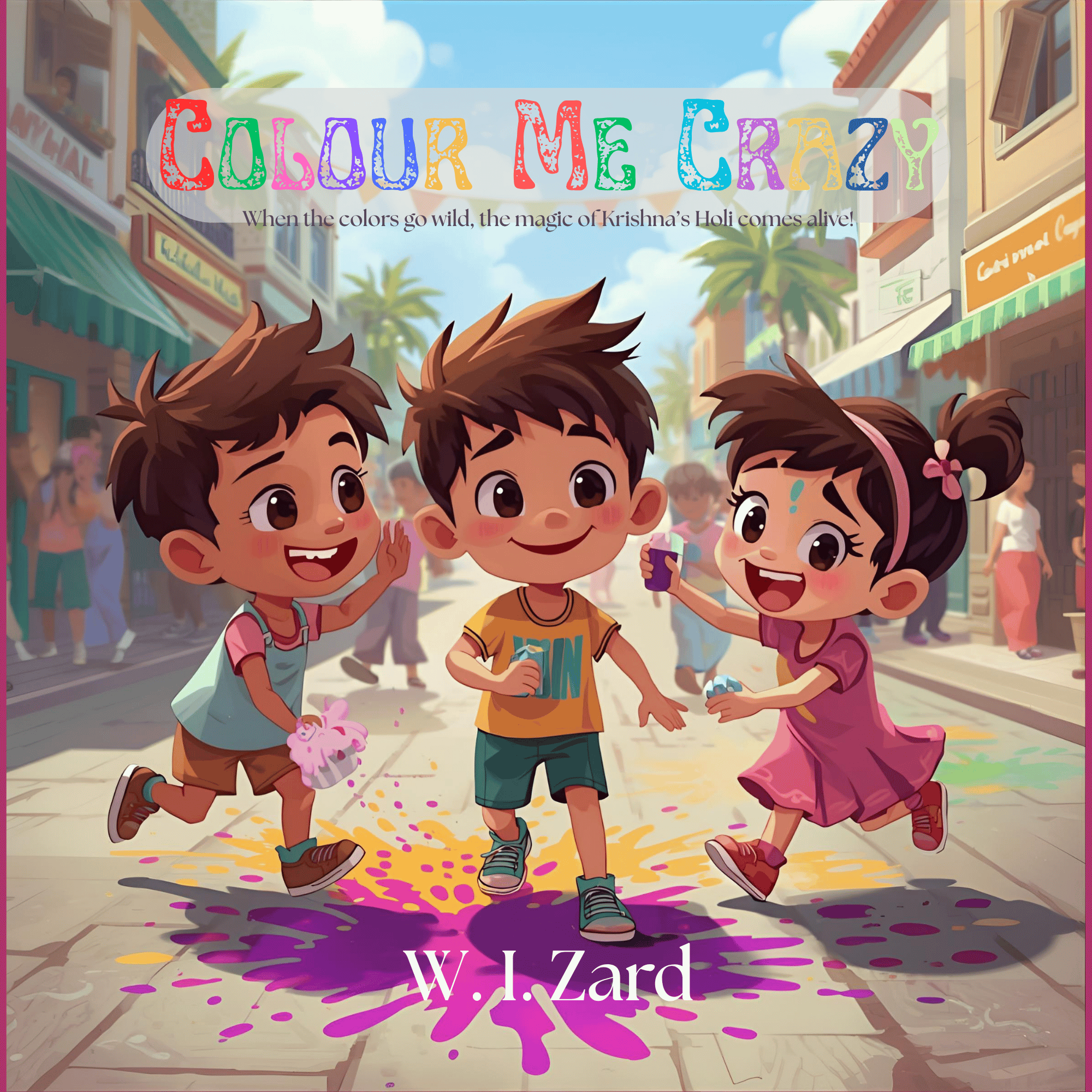
In Tied Up with Love, a young boy visits a children’s hospital to tie rakhis. In Let’s Get Lit for Diwali, a girl in Australia begins to understand that Diwali celebrates values similar to those she already recognises through Christmas. In Colour Me Crazy, Holi unfolds in backyards across San Francisco, Singapore and Toronto. These stories feel grounded in tradition, but at the same time, they reflect the everyday realities of growing up in the diaspora. That balance sits at the heart of Drishti Tolani’s My Little Dharma series.
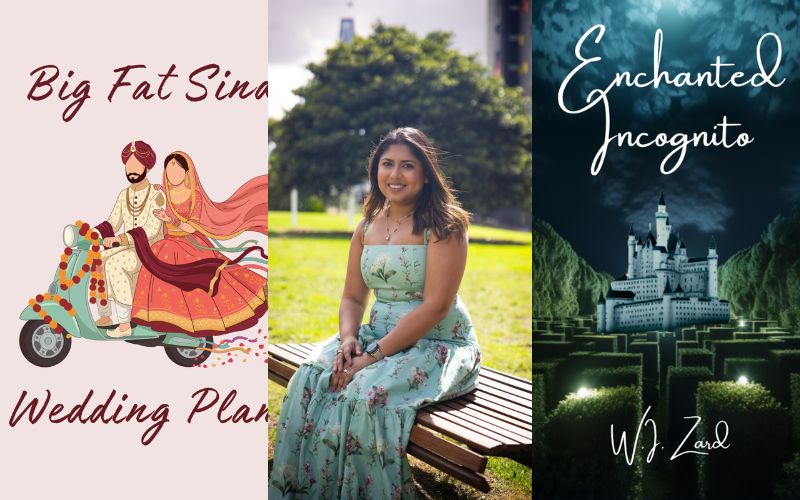
Published in late 2025, the four-book collection brings Hindu traditions into spaces that many young readers are more familiar with. Rather than presenting culture as something distant or purely historical, the series places it within homes, classrooms and communities across the world. Tolani explains that she wanted to highlight the richness of these traditions while also showing children that they can shape and carry them forward in their own way. The stories are not overly instructional, but instead create a quiet sense of understanding and belonging.


This idea is closely tied to Tolani’s own experiences growing up. Born in Indonesia and moving to Australia at the age of five, she spent much of her childhood navigating environments where she was often the only brown student in her class. While she had early exposure to Indian culture, that connection became harder to hold onto over time. It was not something that disappeared entirely, but rather something that felt less present in her day to day life. This sense of distance is something many children in the diaspora experience, even if they do not always articulate it.

The My Little Dharma series began as a response to that gap. Tolani originally created the books for her nieces and nephews, who are also growing up in Australia, with the hope that they would feel more connected to their heritage. What started as something personal has gradually extended to a wider audience, particularly families looking for ways to introduce culture to children in a way that feels natural and engaging. The books encourage children not only to understand their traditions, but also to feel comfortable sharing them with others.
Her work as a primary school teacher plays a significant role in shaping how these stories are written. Working with children, including those from refugee and war affected backgrounds, has given her a strong sense of how young readers engage with language. She is mindful of striking a balance between clarity and depth, ensuring that the stories are accessible without losing their meaning. This becomes especially important when touching on more complex ideas such as mythology or relationships, where simplicity needs to coexist with nuance.

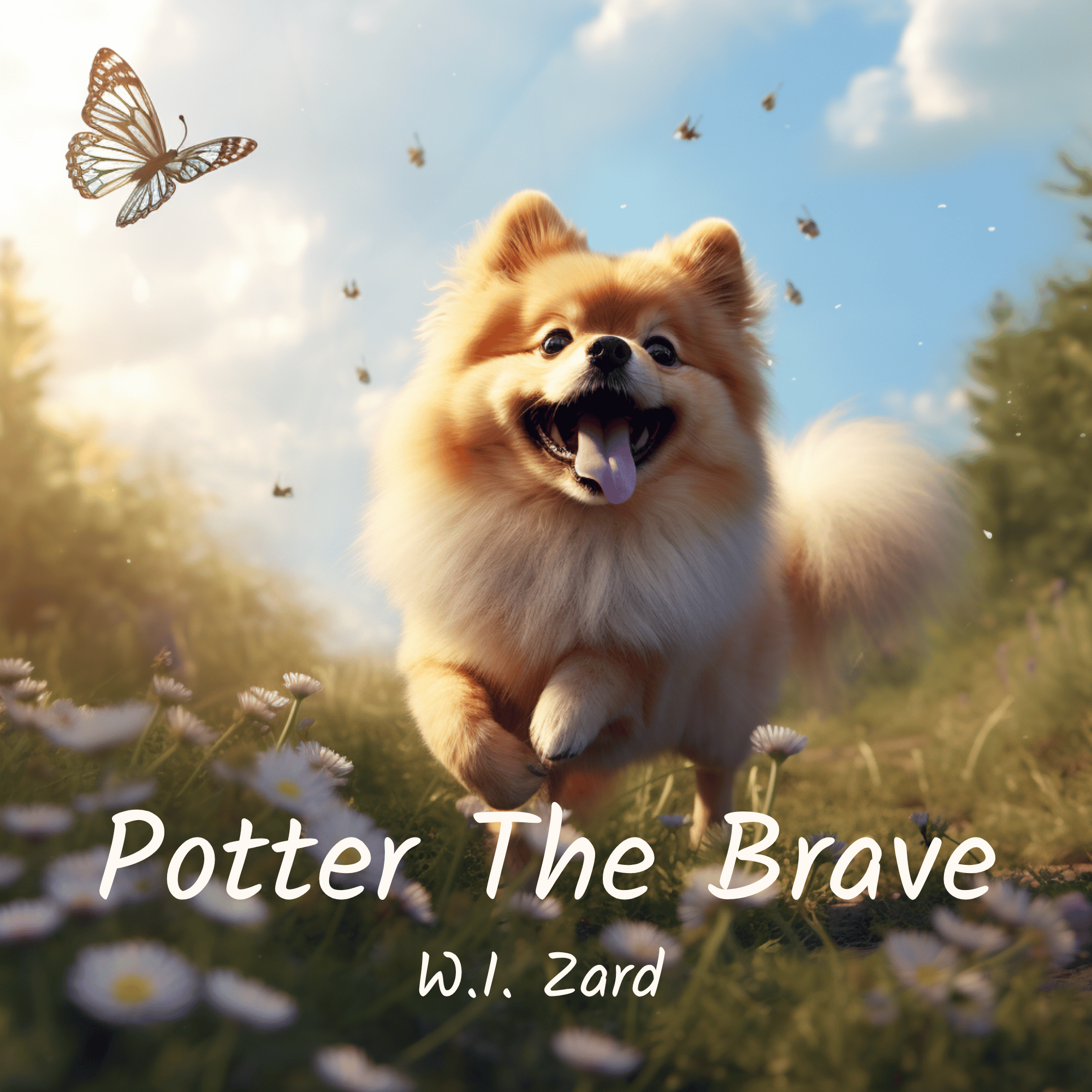
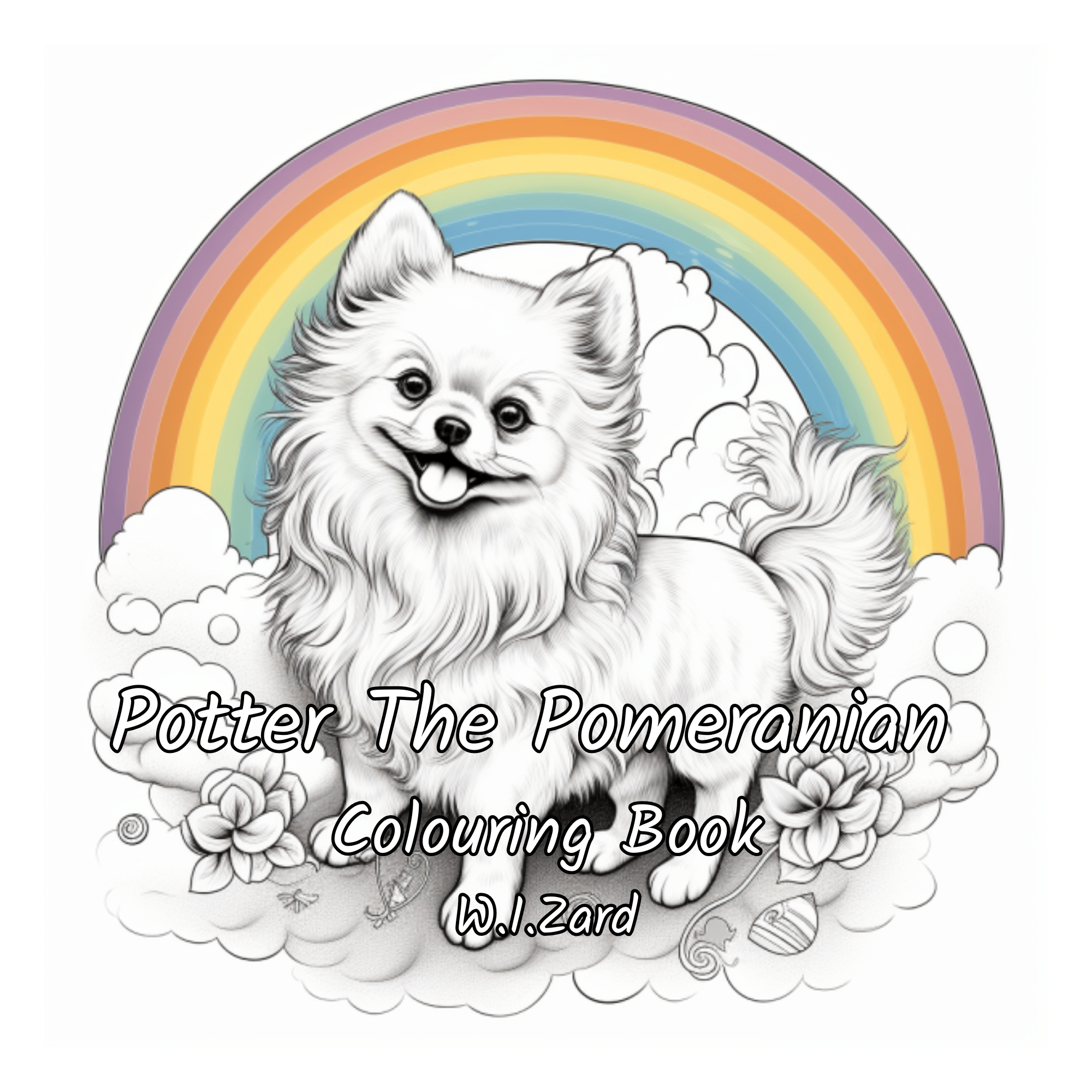
Before this series, Tolani also wrote Potter the Pomeranian, a collection of stories inspired by real situations she observed in the classroom. These books focused on everyday challenges such as friendships, fears and communication, reflecting her ongoing interest in using storytelling as a way to support children’s emotional and social development. Across both series, there is a consistent intention to meet children where they are and offer them something they can relate to.
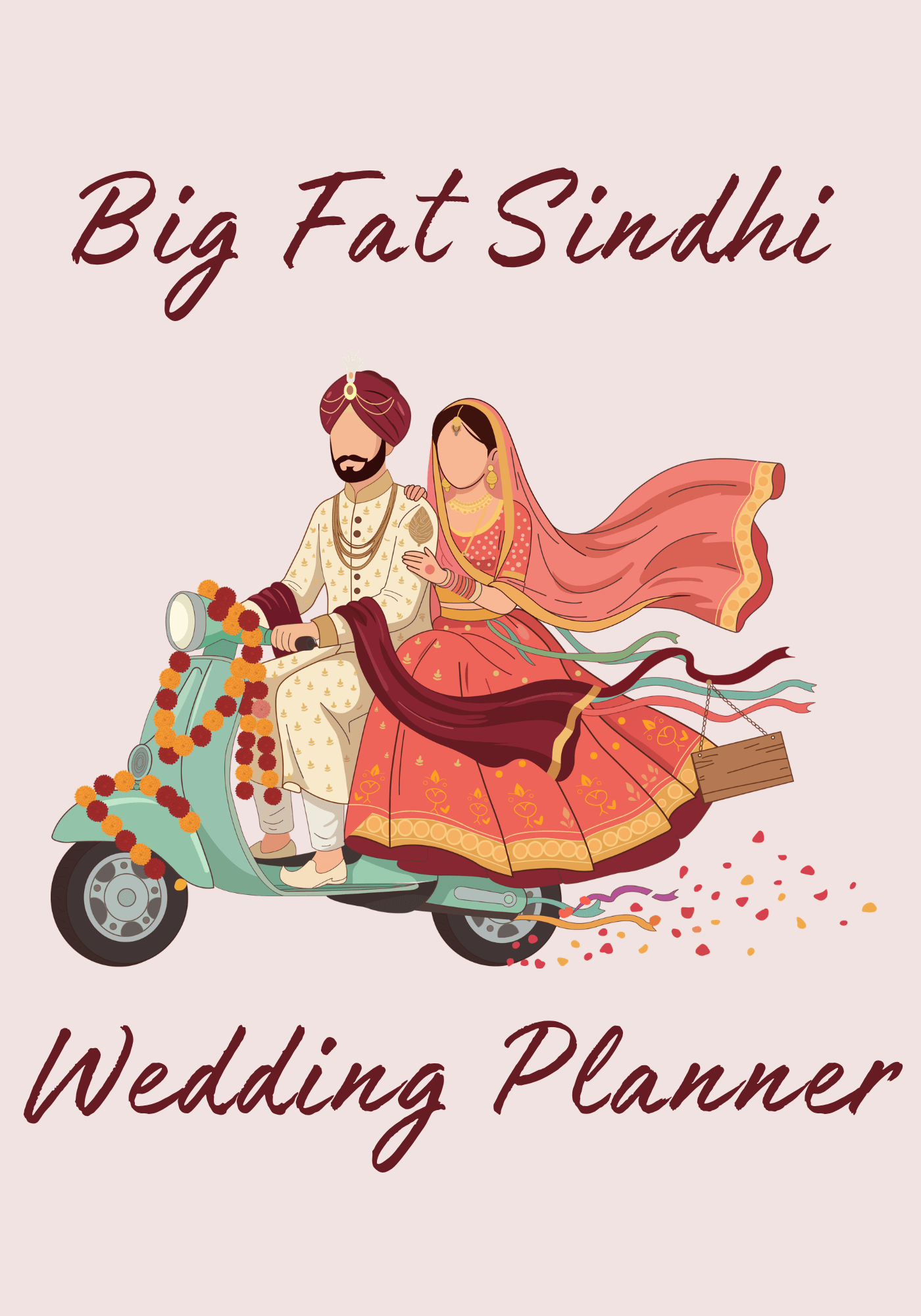
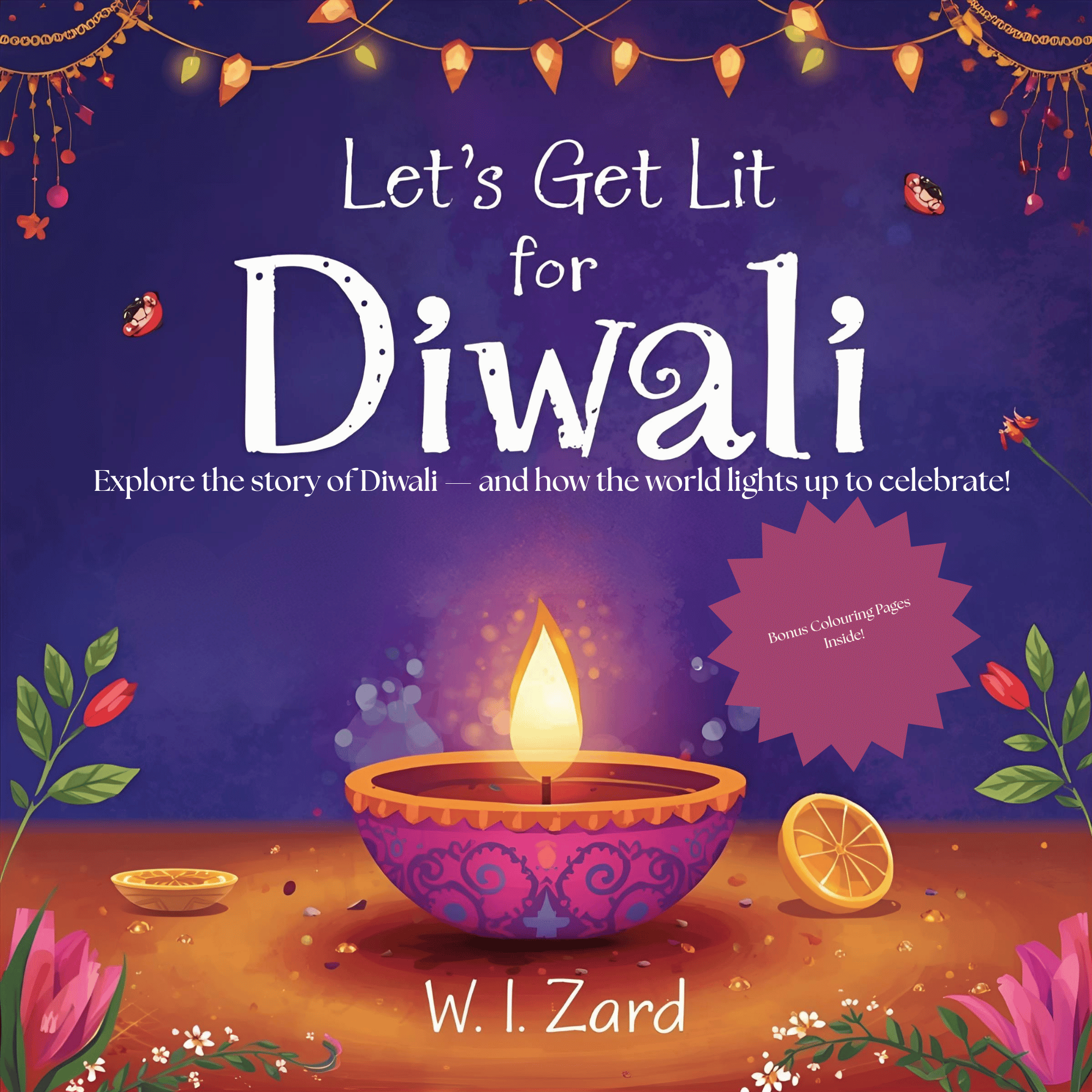
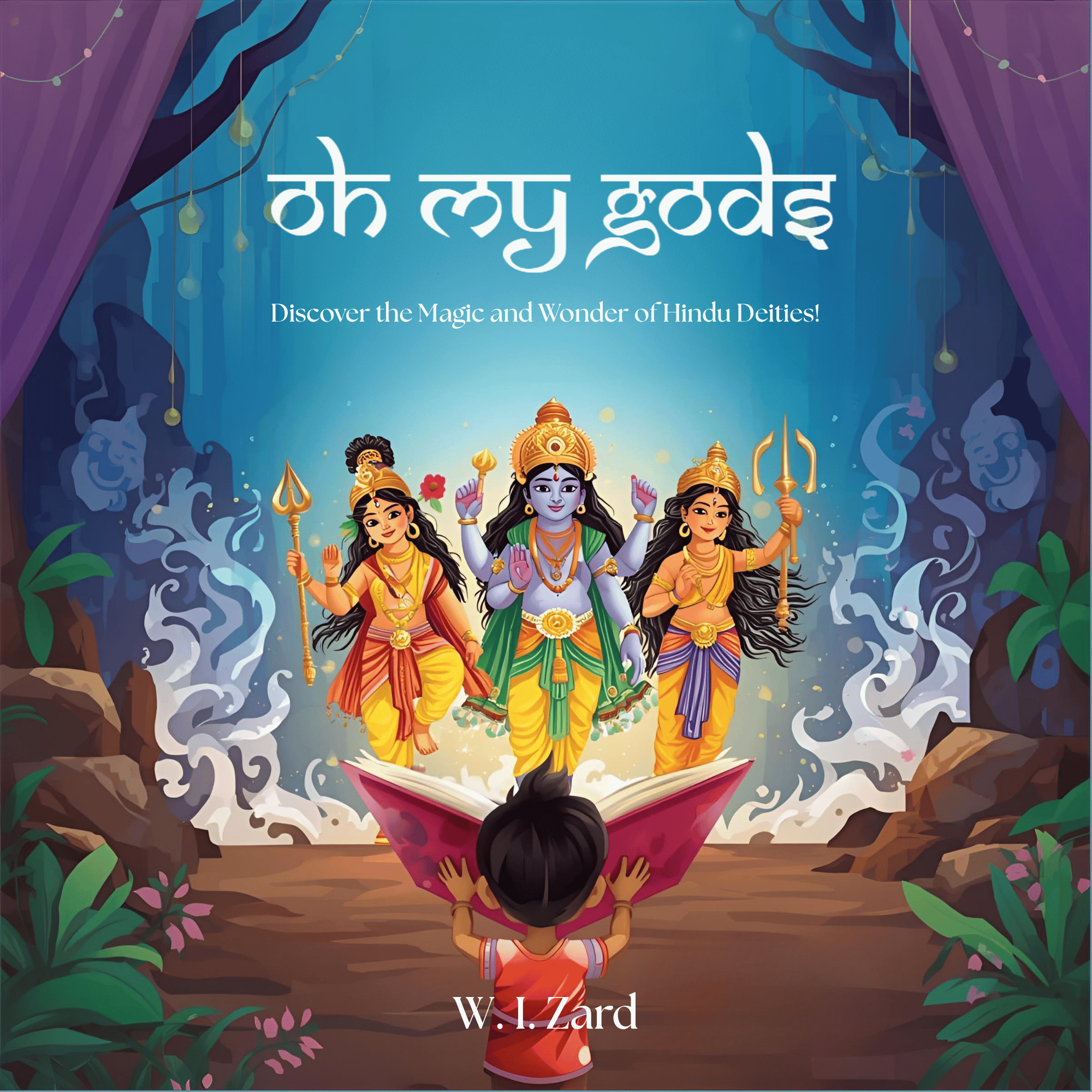
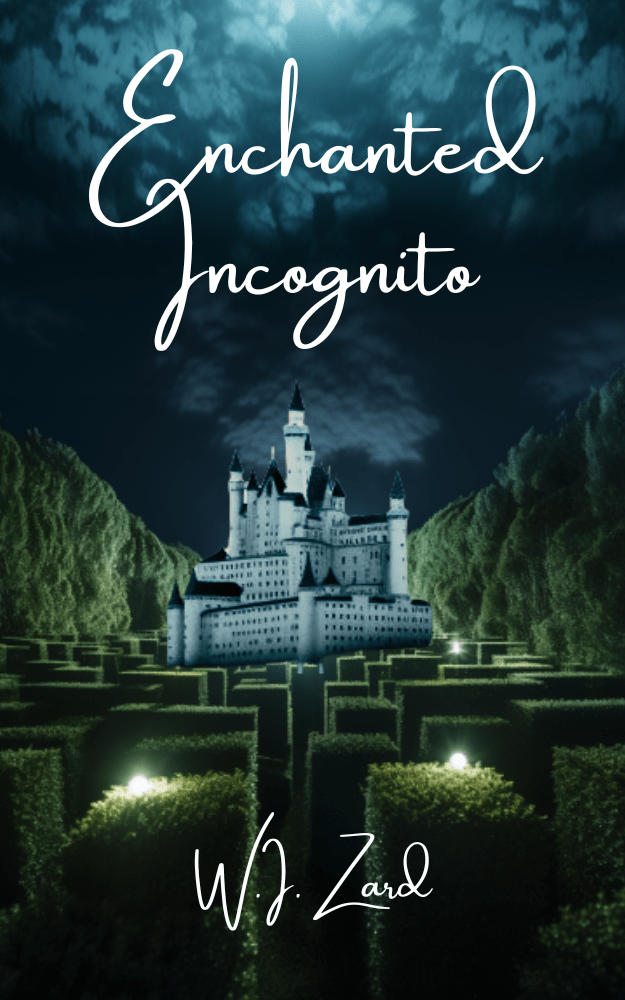
At its core, Tolani’s work is about connection. It is about helping children see themselves in stories, whether that is through culture, experience or emotion. As she puts it, everyone is a reader, they just have not found the right story yet. Through My Little Dharma, she is creating stories that many children, especially those growing up between cultures, may finally recognise as their own.

-Anshi Agarwal

Anshi Agarwal
Anshi Agarwala is a South Asian biomedical science student based in Australia who is passionate about accessible education, dance, and celebrating diaspora voices. Her work reflects the lived experiences of young people navigating culture and ambition.