
In an era where content is endlessly recycled, where the same tropes are repackaged and sold as new, a simple phrase like “main vaapas aaunga,” or “I will return,” feels quietly radical.
Not because it is dramatic. But because it is deeply human.
Today, storytelling often leans on familiarity. Predictable arcs. Nostalgia-driven plots. Characters we feel like we have already met. There is comfort in that, of course. But there is also a growing fatigue. Audiences are no longer just consuming stories. They are searching for the truth within themselves. And truth rarely looks like repetition.
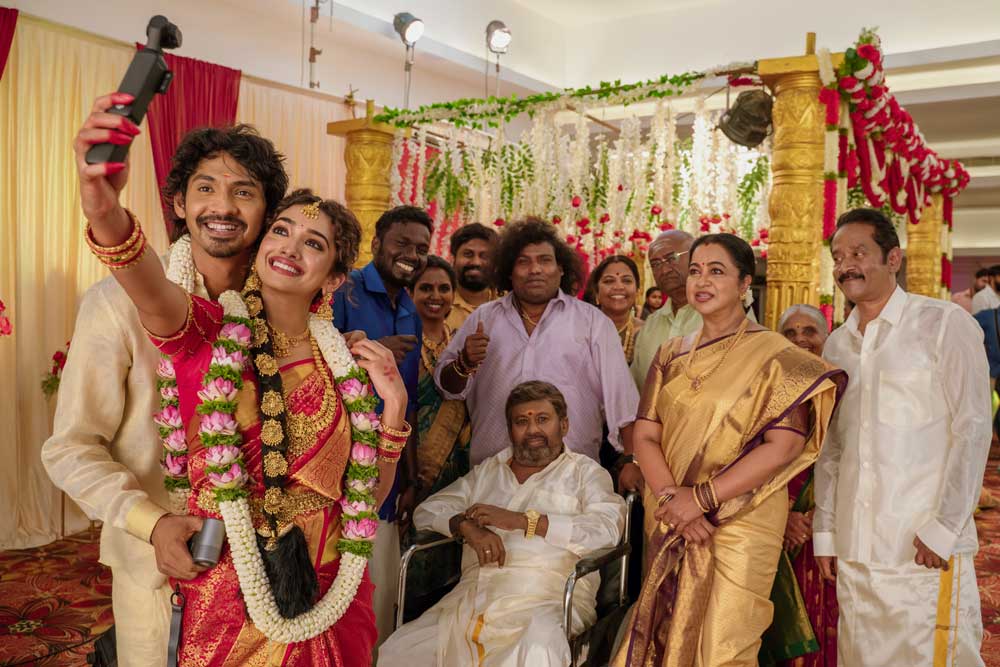
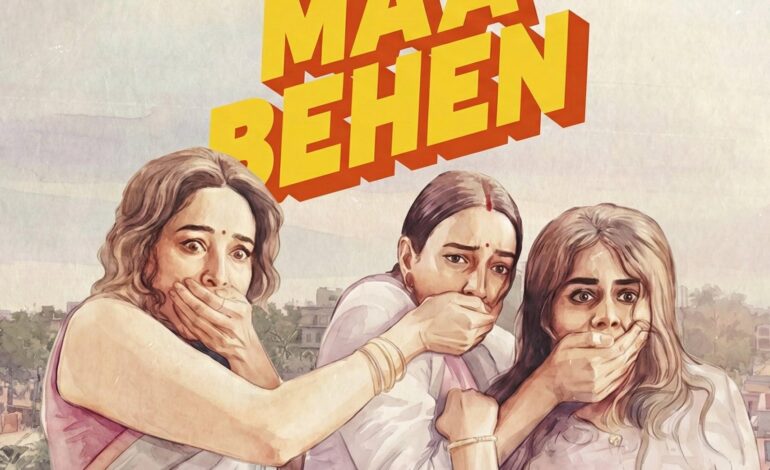
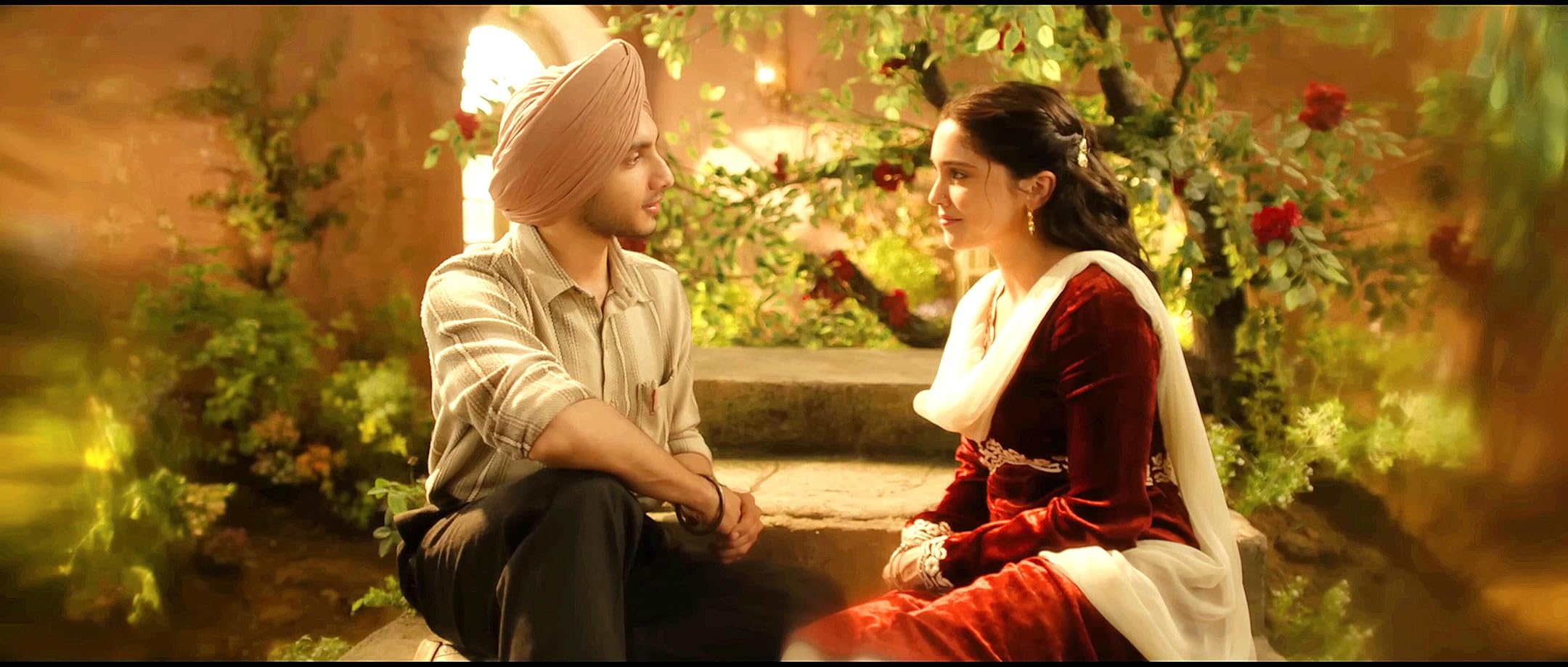
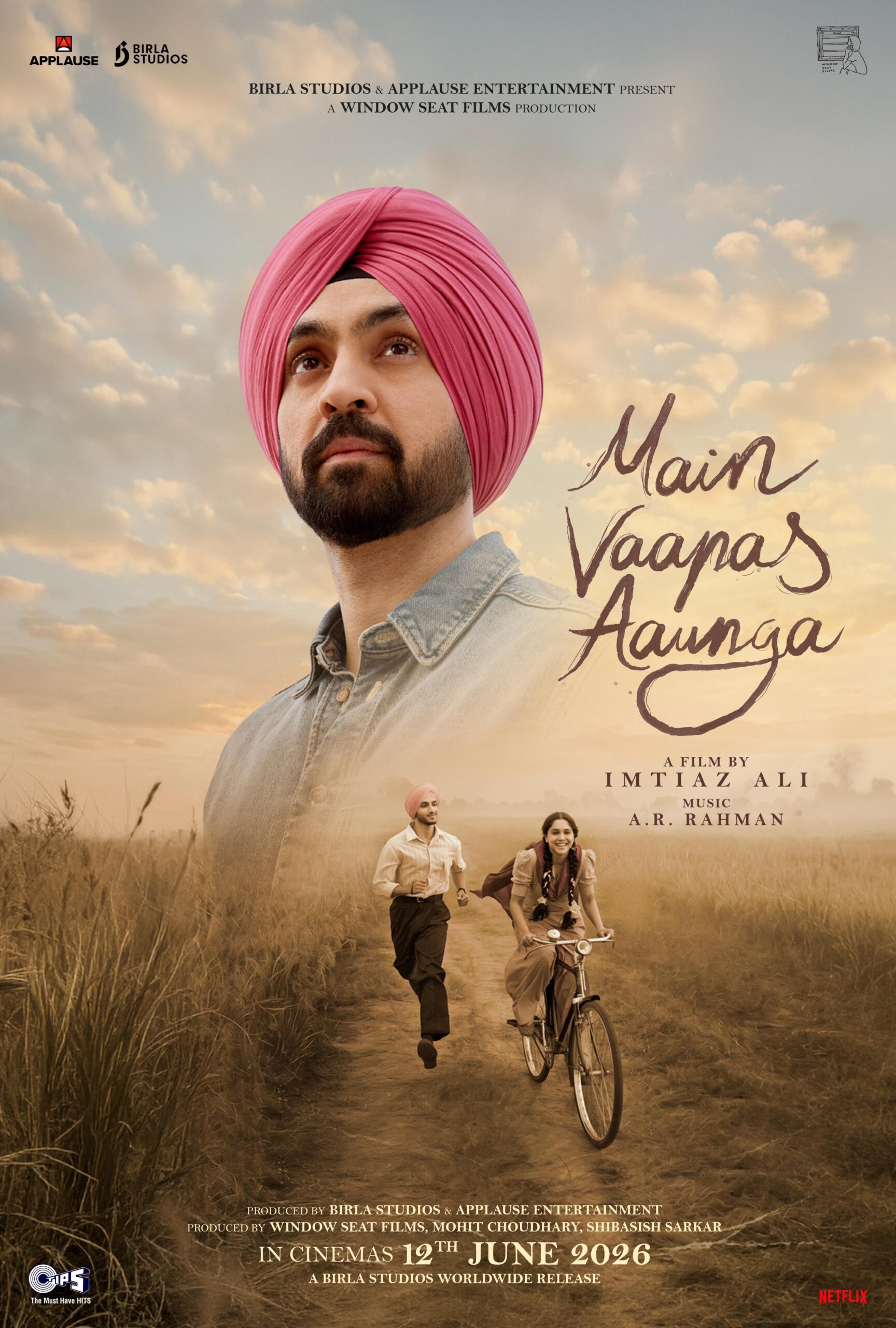
A story like “Main vaapas Aaunga”, featuring a refreshing blend of both emerging and seasoned actors from Bollywood, stands out precisely because it does not try to impress. It resonates.
Rooted in themes of love, longing, and belonging, the story reflects journeys shaped by displacement and memory. Much like narratives born of the Partition-era migration, it explores how people carry home within them, even when return is uncertain. It becomes less about a place on the map and more about emotional ties to people, memories, and identity that endure across time.
For many in the South Asian diaspora in Australia, this phrase is not metaphorical. It is lived. It sits in the background of every decision, every milestone, every moment of doubt. It is whispered during airport goodbyes, carried through late-night phone calls, and buried somewhere between ambition and homesickness.
But what does “return” really mean?
For some, it is literal. A promise to go back home once studies are done, once a career is stable, once life makes sense. For others, it slowly transforms. Return becomes less about geography and more about identity. A return to language. To food. To rituals. To a version of oneself that feels increasingly distant.

This is where the story becomes powerful.
Because it captures the quiet tension of being an outsider. The constant negotiation between who you were and who you are becoming. In Australia, you build a life from scratch. You learn independence in ways you never had to before. You adapt, evolve, and stretch yourself across cultures. And yet, there is always a part of you that remains tethered to somewhere else.
You are here, but not entirely. You belong, but not completely.
And so, “main vaapas aaunga” becomes less of a plan and more of a question.

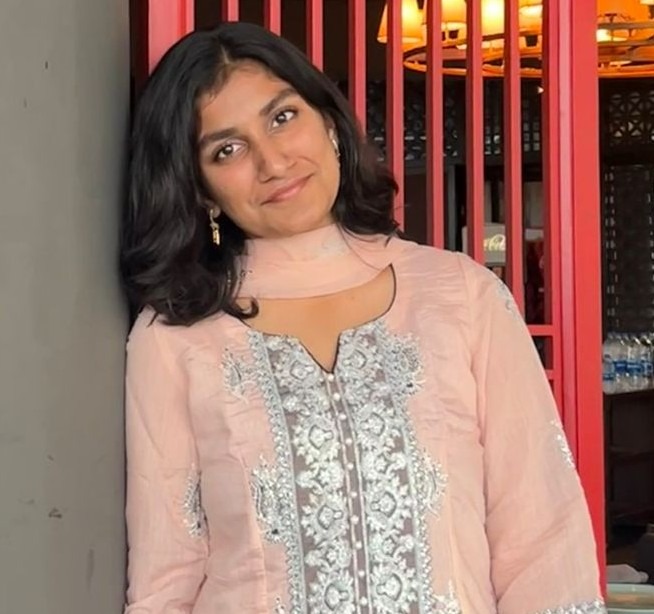
Anshi Agarwal
Anshi Agarwala is a South Asian biomedical science student based in Australia who is passionate about accessible education, dance, and celebrating diaspora voices. Her work reflects the lived experiences of young people navigating culture and ambition.