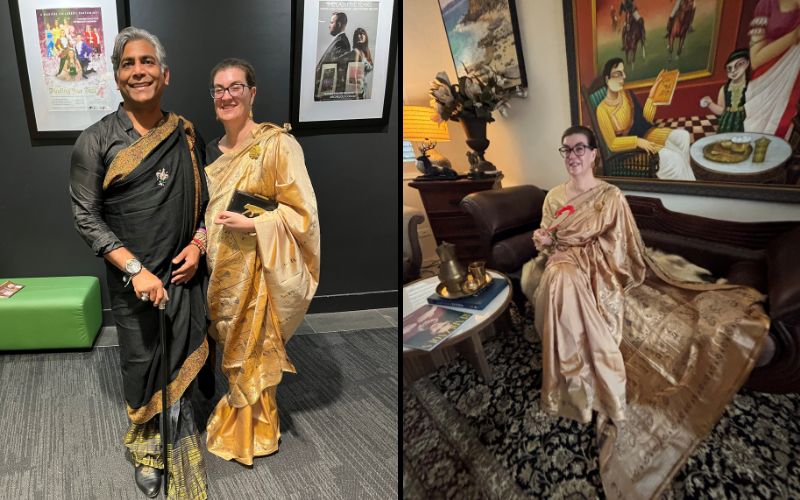
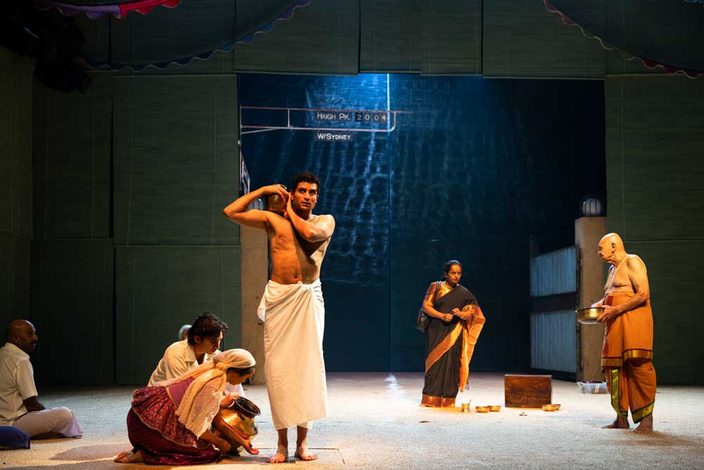
Ballygunge, the historic garden suburb of Calcutta, West Bengal,India is a captivating cocktail of eras, ambitions, and extraordinary memories.
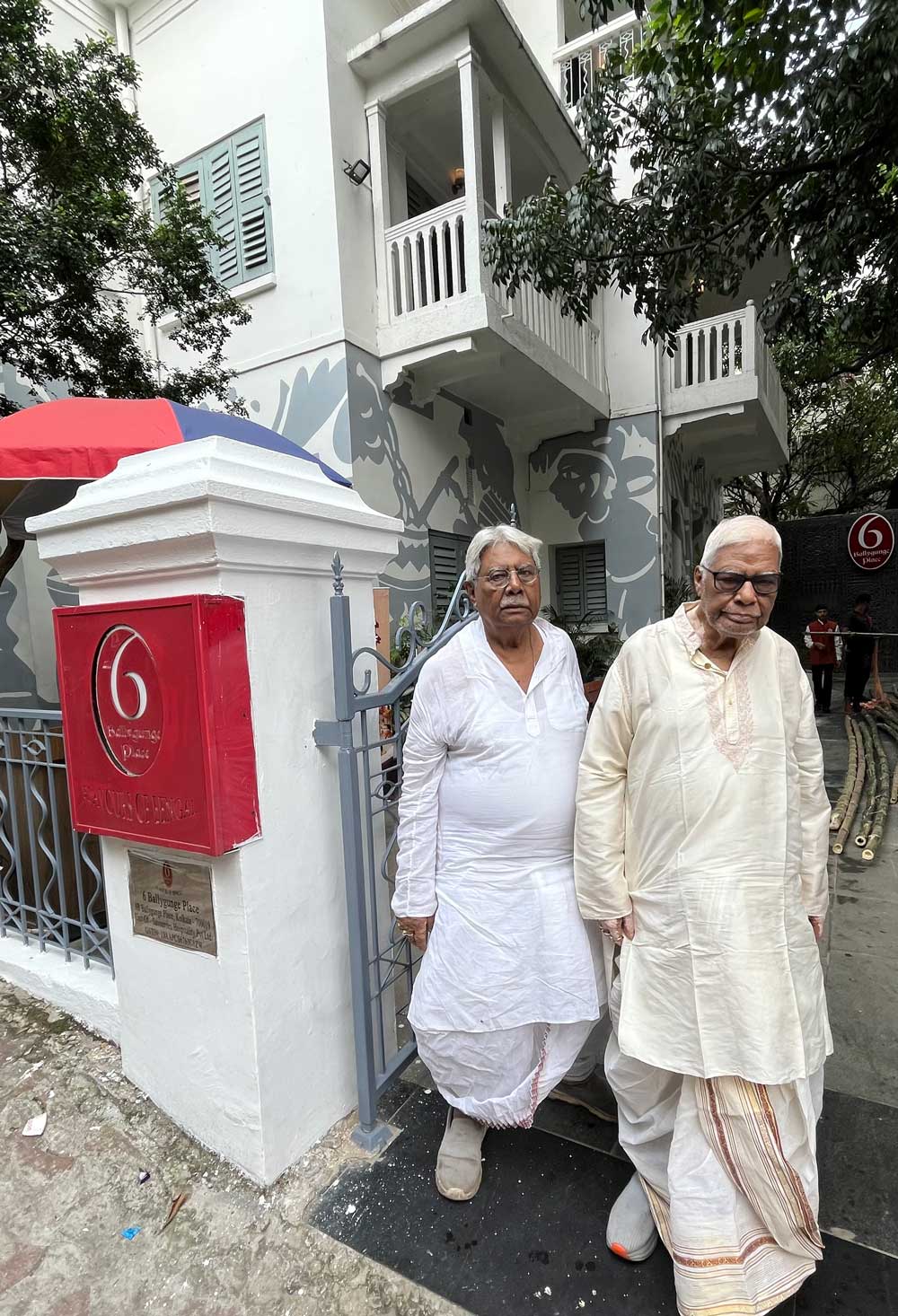
Our chauffeur drove through its leafy avenues to celebrate 2026 Durga pujo festive season with my elderly dad and uncle at the Rai Bhadur Mansion, now, 6 Ballygunge Place restaurant with a gala coconut infused lunch. Our crisp white cotton daywear had retired for freshly pressed kurtas and handspan cotton dhotis.
I started unraveling a rich historical tapestry woven by Royal Bengal Tigers (RBT), colonial commanders, displaced royalty, landed aristocrats, and modern industrial titans. Behind the restaurant lives Subhra Pal whose late husband Manab Pal founded Polo Floatel(India’s and South Asia’s first floating hotel), located on the Hooghly river. This is a neighbourhood that does not merely house its residents; it enshrines a legacy of ultra-high society.
Its character was forged by openness, coexistence, and an intersection of identities in Bengal – historically one of the wealthiest provinces in the world. The suburb breathes an incredible atmosphere, born from layers of distinct histories that easily rival the stately elegance of Edwin Lutyens’ Delhi or the elite charm of Hyderabad’s Banjara Hills. To me, it reminds me of the Double Bay demography in Sydney, Australia. It was definitely time for me to explore the RBT connection to Ballygunge.
Centuries before this urban transformation, the land belonged to the wild. The terrain was then thick with Ulu Ghas (Cogon grass), “Tiger Grass,” and Entolasia grass – a striped, marshy wilderness that perfectly camouflaged the RBT. Warren Hastings, the first British Governor-General of Bengal, regularly rode out into these dense swamps and low-lying tidal jungles to hunt. Caring less about tigers and more about ego,Hastings hunted tigers which were among the largest of wild cats and are still found across the Indian Gangetic delta to Deccan Plateau including neighbouring Bangladesh, Bhutan and Nepal. As the wilderness receded, global histories converged here.
The hunting lodges established in 1806 by the exiled family of ruler Tipu Sultan of Mysore on Ballygunge Circular Road. Tipu, himself was famous for his obsession with tigers, adopting the animal as his primary personal and state symbol. And for his courage, he is also known as the “Tiger of Mysore’ throughout history. During this time, Tiger hunting was full time obsession for British Raj in Bengal, when RBT claws became fashion item in European aristocratic markets commanding high statement prices that nearly vanished RBT population.
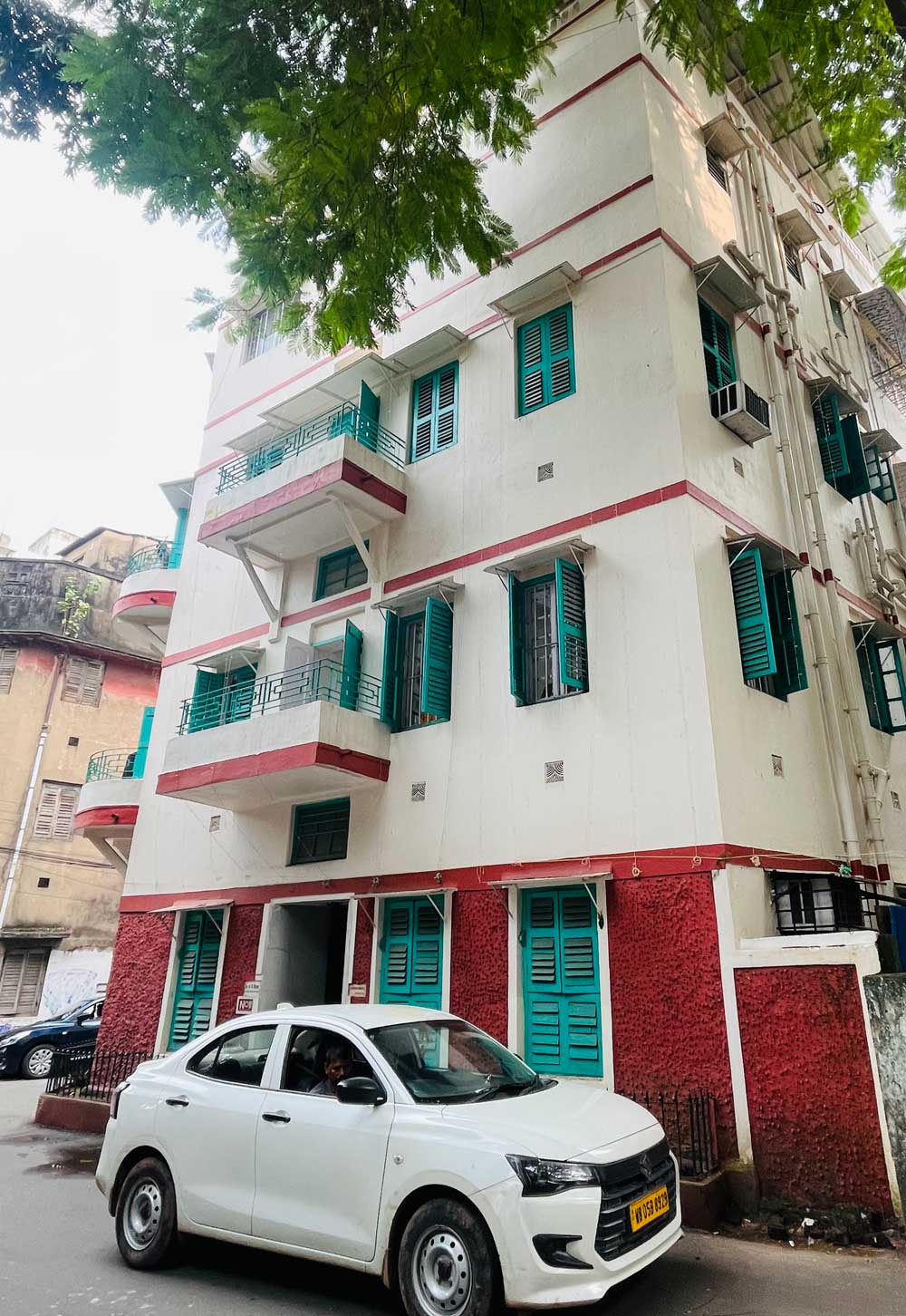
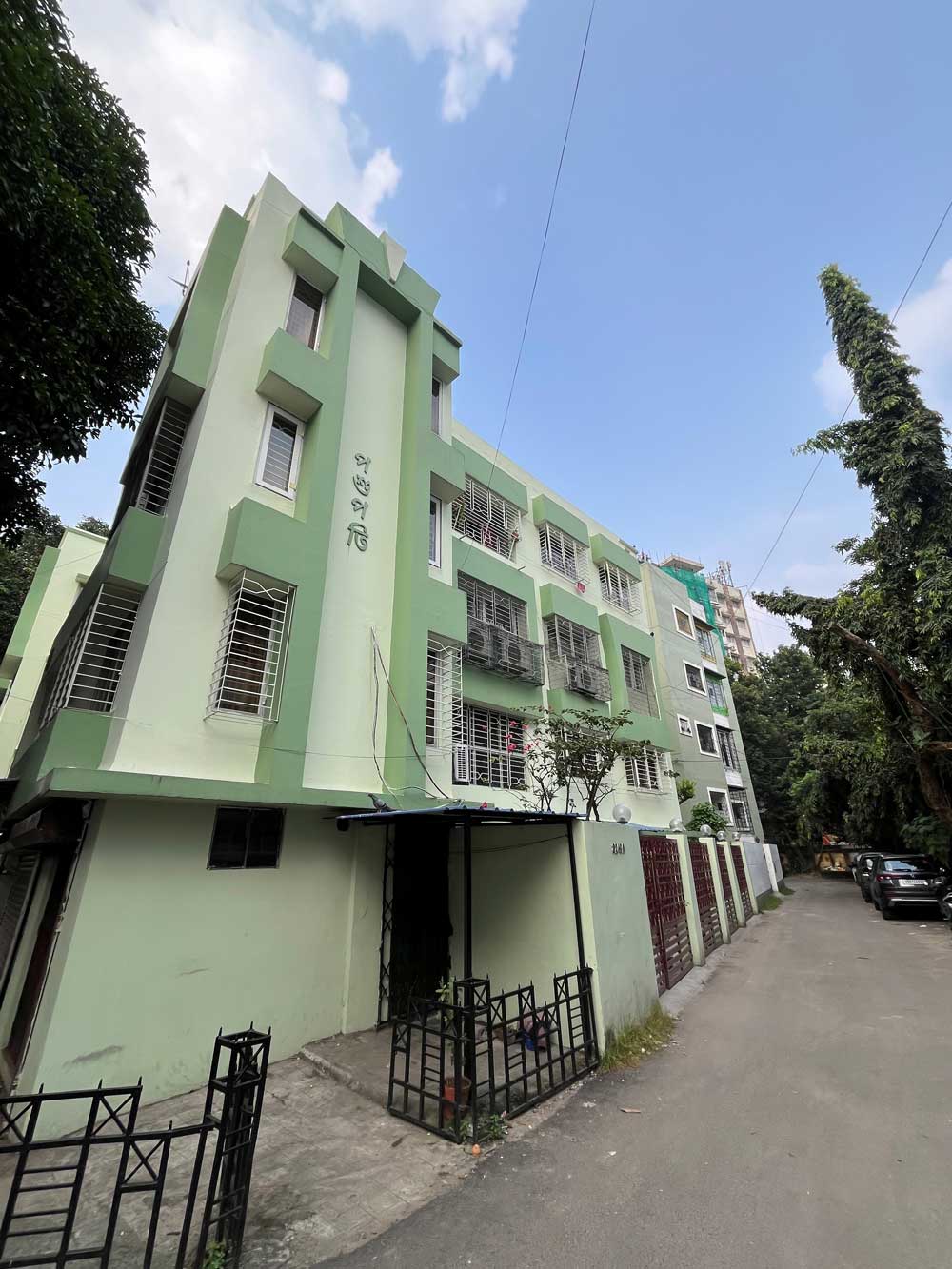
In 1818, Castle Rainey arose in Ballygunge to host elite British army commanders, followed by residence of Fanny Eden (sister to the Governor-General of India, Lord Auckland). In 1840, Emily Eden, known for publishing Portraits of the Princes and People of India(1844),Up the Country (1866) and Letters from India (1872),called the neighborhood of Ballygunge, “our Eltham or Lewisham” Gradually, Ballygunge evolved into a premier residential enclave of grand garden bungalows for the local elites, attracting prominent figures like Colonel Gilbert Ironside and George Mandeville.

In 19th century, Ballygunge Park witnessed the rise of the iconic “Park Chummery,” a massive residential collective for British executives. It was here, British corporate giant Sir Edward Charles Benthall recorded his address at 37 Ballygunge Park. Meanwhile, on Lovelock Street, the grand bagan-bari (garden house) of Arthur Samuel Lovelock – a historical partner of the legendary accounting firm Lovelock & Lewes – became a permanent landmark of the local lore. Ballygunge started reigning as the absolute epicentre of subcontinent high life – a playground where almost every giant of history left their mark including RBT.
History says, Surendranath Tagore – the first Indian to join the prestigious Indian Civil Service – owned a sweeping property at 19 Ballygunge Store Road (now Gurusaday Dutta Road). Later, the Hindusthan Co-operative Insurance Society(home grown insurance), founded by the Tagore family alongside other prominent Bengali elites, orchestrated a massive urban expansion by draining Ballygunge’s rural marshlands. And Ballygunge’s frequent visitor- RBT, no longer could safely roam around. They moved to Sundarban mangrove forests.
In 2026, according to an article in The Economist headlined How India saved its tigers, lions, rhinos and elephants, highlighted that King Ashoka, an Indian emperor issued edicts against hunting more than two millennia ago and followed by late prime minister Indira Gandhi who created the Project Tiger saving the RBT population of India.
Ballygunge had became home to “Banglar Bagh”(Tiger of Bengal), who was most notably educationist and judge Sir Ashutosh Mukherjee for his contributions to the society and education. But love for real RBT never left Ballygunge.
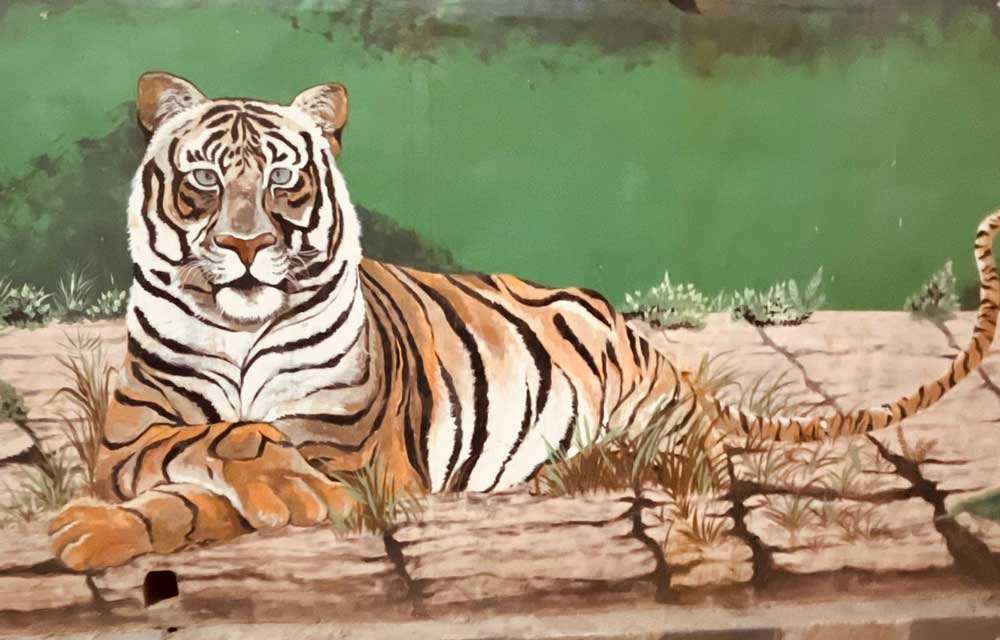
In 1990s, on a very early morning walk, I did notice a real life RBT being transported with care, from world renowned magician PC Sorcar’s mansion named “Indrajal” for a magic show somewhere . He didn’t look happy in his cage. And during 2015 Durga Pujo, I noticed the painting of a giant RBT in the front wall of a house as I walked towards Golpark.
Even the recent news of the cricket trials taking place in Ballygunge Arena, offering local talents a shot at joining the Bengal Tigers Cricket Team (from the Celebrity Cricket League)for Phase 1 CCL Wildcard Trials, kept connecting tiger to Ballygunge. This sparked my imagination.
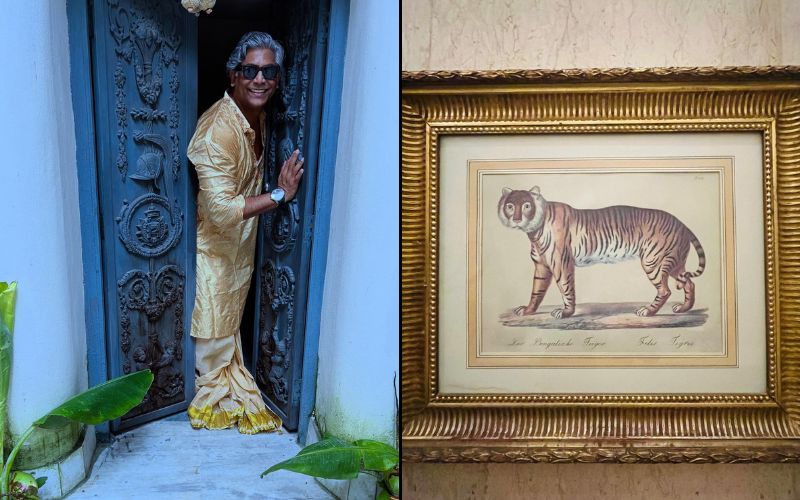
Now, I could almost feel it: the RBT from the heritage painting, I had admired over champagne at the Sofitel Winter Palace Luxor had somehow come alive, roaming the lanes of Ballygunge once more. It felt like the perfect moment to celebrate the area’s deep tiger history and heritage.
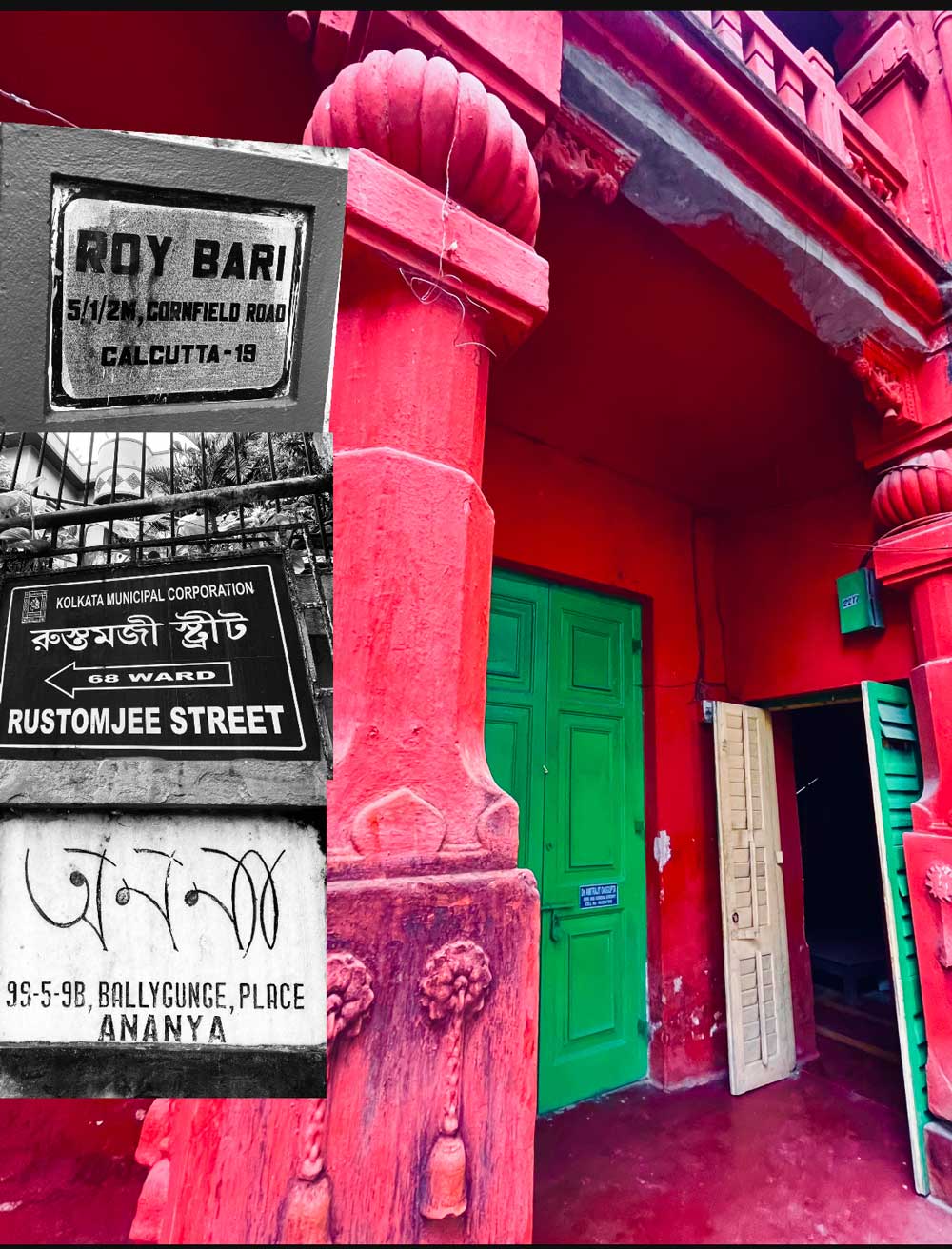
As we drove through the neighborhood, the presence of the mighty RBT felt palpable – prowling past the sprawling Agrawal Residence on Jamir Lane, winding through Cornfield Road to Banerjee mansion next to Citizens Park, before entering Swinhoe Street, and finally turning into Ballygunge Place with Weavers Studio and Starbucks cafe getting ready for Durga pujo celebration season. And near the grand red mansion which one held regular wedding receptions, RBT paused for a fleeting majestic moment before vanishing for ever with a roar.
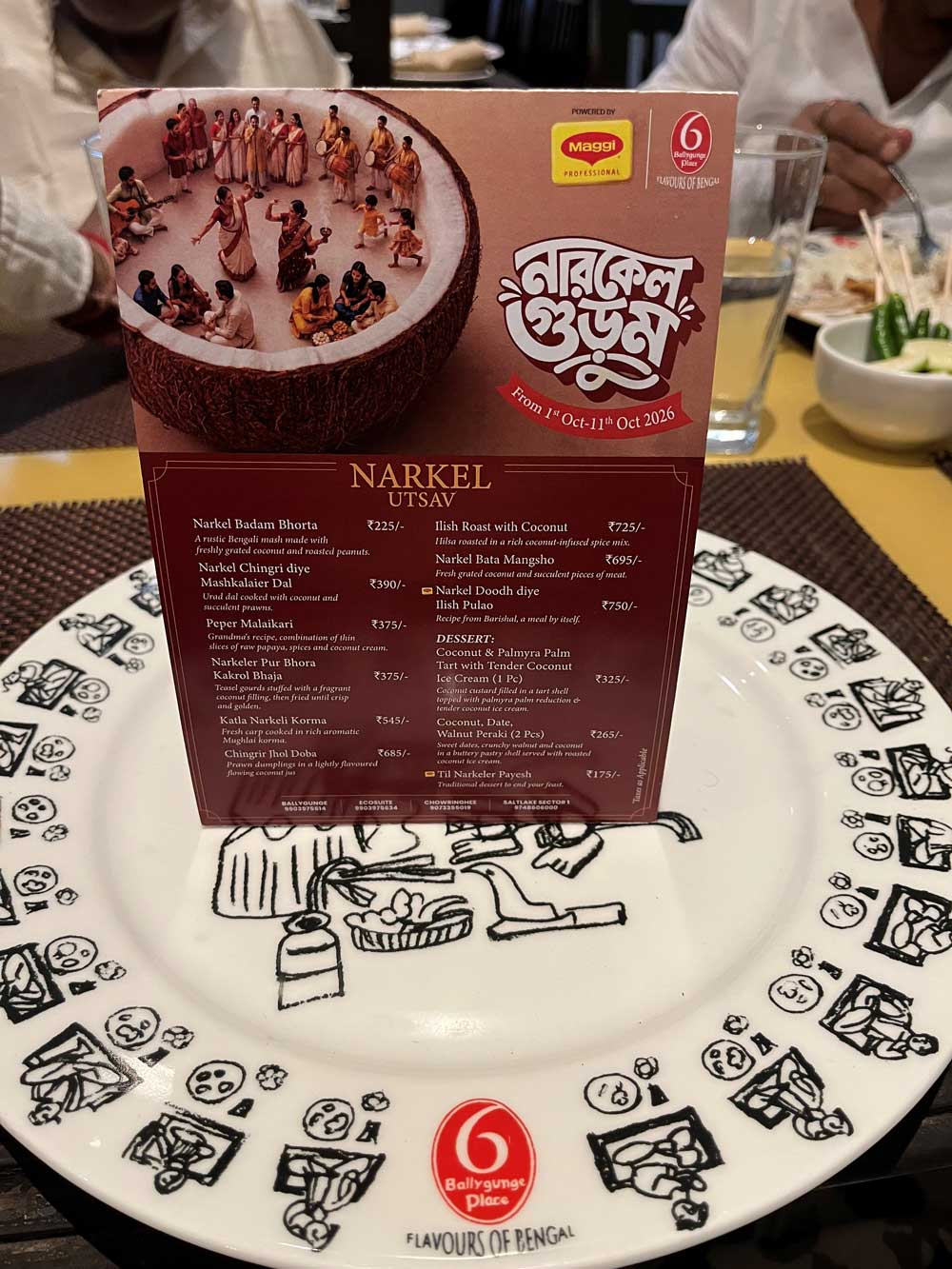
Soon, we arrived at 6 Ballygunge Place restaurant where lunch was served with an effortless, worldly grace, aroma and perfect atmosphere. A typical of Ballygunge culture. With great care culinary traditions were maintain as the chef prepared mouthwatering dishes such as Narkel Bata Mangsho ( Murshidabad recipe),Narkel Chingri ( Bay of Bengal Tiger Prawn ) diye Mashkalaier Dal ( 24 Parganas recipe) and Narkel Doodh diye Ilish Pulao (Barishal, Bangladesh recipe).
We finished the lunch with mouthwatering deserts such as Til Narkeler Payesh, Coconut & Palmyra Palm Tart with Tender Coconut Ice Cream and baked Sandesh. After our lunch, I attended the inauguration of Durga Pujo at Indian Museum by Honourable Depty Chief Minister Agnimitra Paul of West Bengal who once designed my dhoti/kurta for a fundraising fashion parade, organised in aid of charity organization Dress for Success Sydney (DfSS), Australia.
In all, I realised that the real luxury of Ballygunge, which is the effortless art de vivre and the silent display of understated wealth that truely defines the Ballygunge residents. Though the Hurun India Wealth Report counts 26,600 dollar-millionaire households and over 250 ultra-high-net-worth individuals across Calcutta, a staggering concentration of them choose to anchor their lives in Ballygunge.
It is an existence founded on the privileges of old money, where a loyal, generational army of staff unpacks and packs for family members returning from overseas or from a rugby union match at the Calcutta Cricket and Football Club or retiring after attending a Calcutta event. Ballygunge residents continue living with the dignity, grace and command of Royal Bengal Tiger.
– Indranil Halder

Indranil Halder
Corporate Medical Sales Consultant, Global Heritage Tourist, Writer, Video Producer, former ambassador for the India Australia Business & Community Alliance (IABCA) and polo enthusiast.