
At first glance, Pyaar Prema Kalyanam feels like a light-hearted exploration of modern love. A woman navigates relationships, recognises red flags in men and eventually finds someone she genuinely wants to spend her life with. But when that love finally reaches the wedding altar, the film turns towards a much more uncomfortable question: why does marriage so often require a woman to leave one life behind in order to begin another?
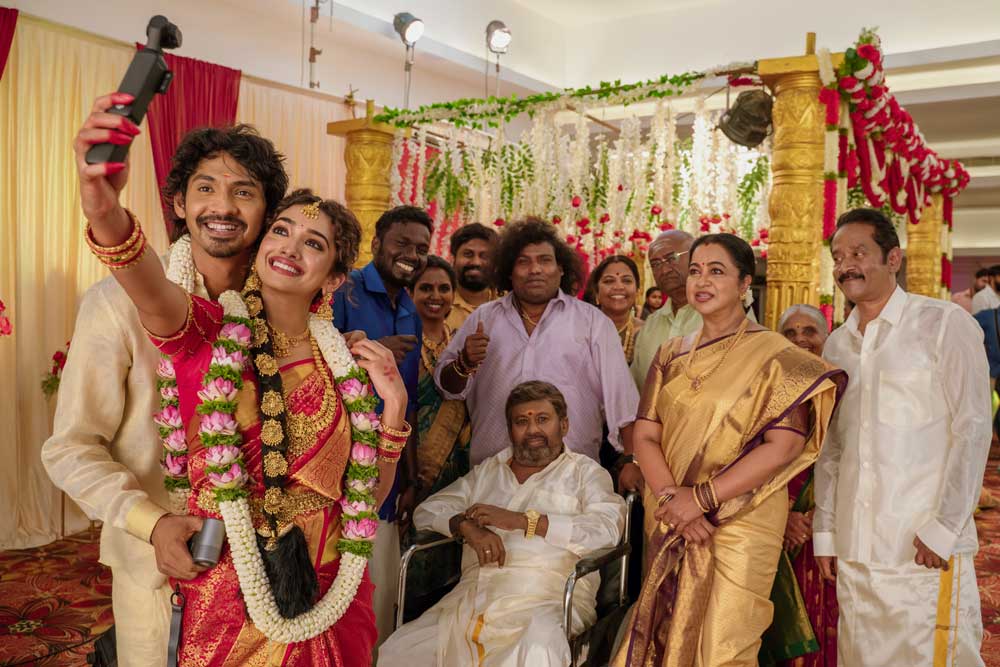
The turning point comes at the wedding itself. She looks at her parents, emotional at the thought of their daughter leaving home, and then at the groom’s family, celebrating and overjoyed to welcome her into theirs. It forces her, and the audience, to reconsider something we have normalised for generations.
Why is it automatically the woman who leaves?
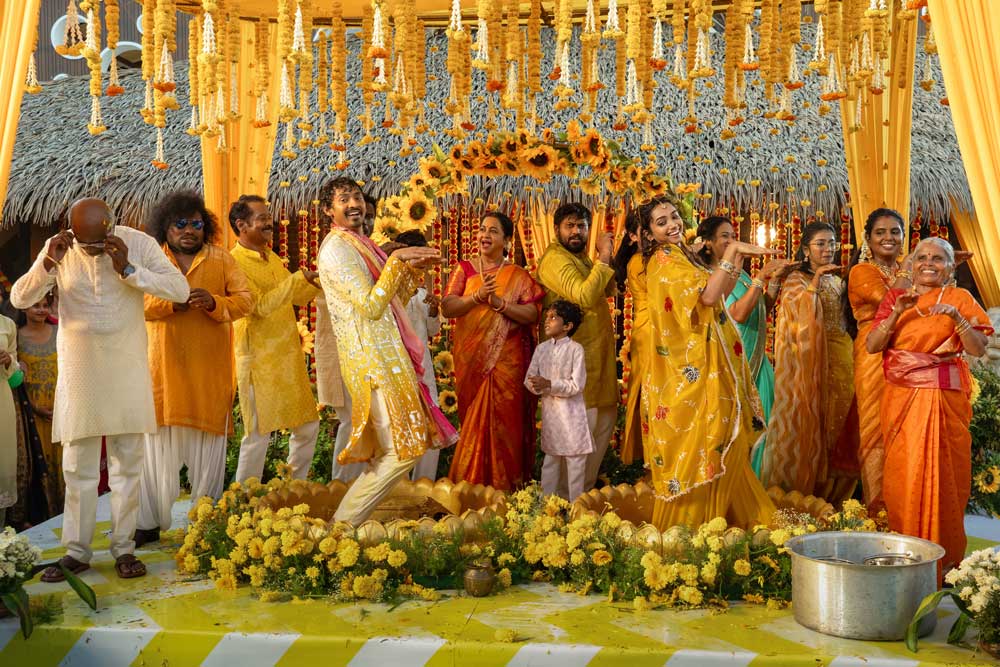
For many South Asian women, marriage traditionally means more than gaining a partner. It can mean leaving the home you grew up in, moving away from your parents, adjusting to another family and taking on an entirely new set of responsibilities. It is so deeply rooted in our understanding of marriage that we rarely stop to consider the weight of what is actually being asked.
The film becomes particularly powerful when it reverses those roles.
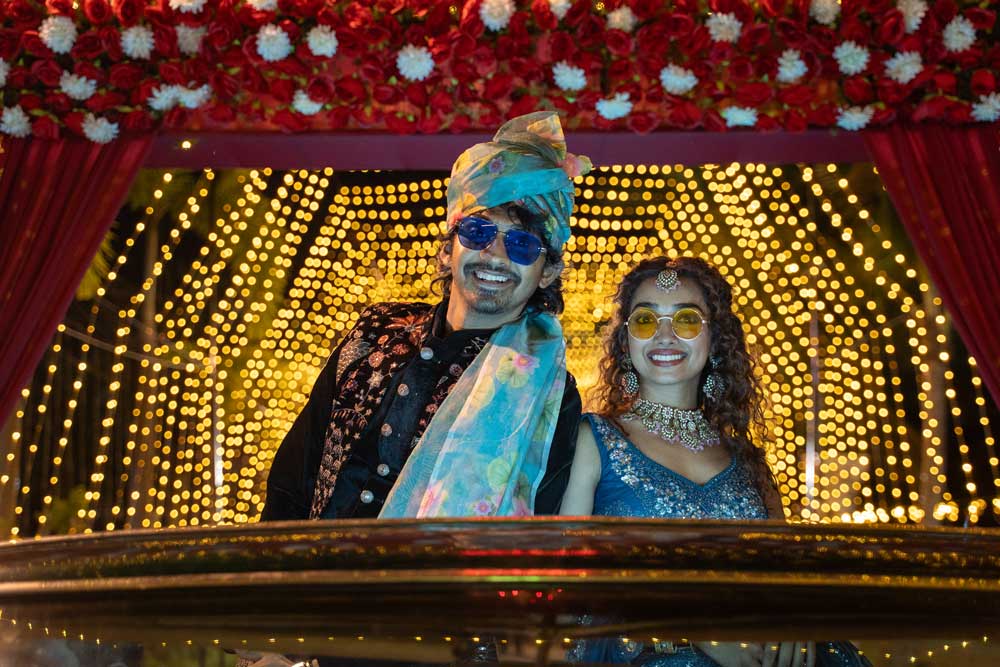
When the male protagonist is placed in the position traditionally occupied by women, leaving his own home and family and stepping away from familiar responsibilities, the sacrifice suddenly becomes incredibly visible. Society notices it. People sympathise with him. Even as an audience, we instinctively begin to feel sorry for what he has had to give up.
And then comes perhaps the film’s most heartbreaking realisation: women have been doing exactly this for generations.

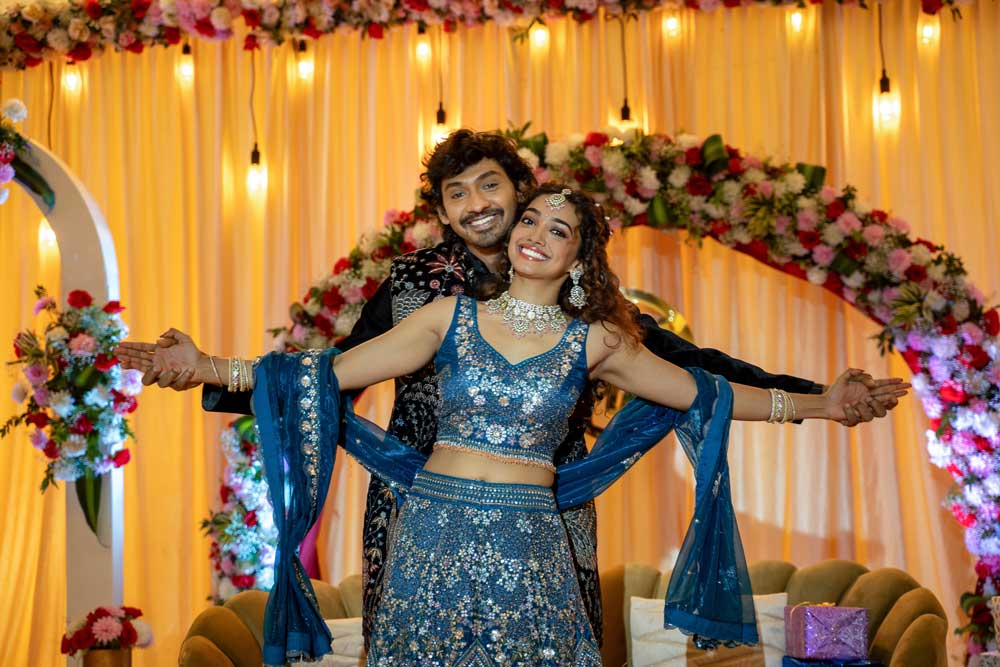
They have left their parents, homes, routines and familiar lives behind after marriage, often without the same sympathy or even acknowledgement. Their sacrifice became so normal that we stopped seeing it as one.
That role reversal is what makes Pyaar Prema Kalyanam more than just another story about finding the right person. It asks whether a tradition being deeply rooted is enough reason for it to remain unchanged.

Would we consider it fair if men were universally expected to leave their families after marriage? If the answer makes us uncomfortable, perhaps we should question why we have been so comfortable expecting the same from women.
Importantly, the film does not turn this conversation into a rejection of marriage, family or culture. Nor does it leave its characters trapped in resentment. It ultimately finds its way to a happy ending, reminding us that questioning a tradition does not necessarily mean abandoning it.
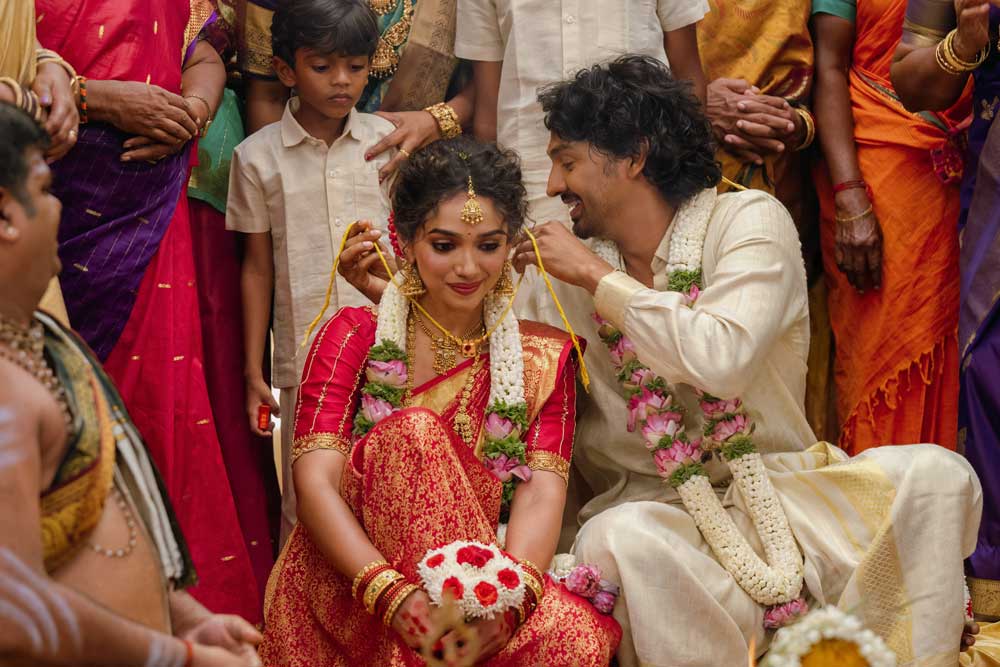
Maybe traditions can evolve alongside the people who practise them.
Pyaar Prema Kalyanam ultimately leaves us with a deceptively simple thought: marriage is supposed to bring two lives together. So why have we spent generations expecting only one person to leave theirs behind?
– Anshi Agarwal

Anshi Agarwal
Anshi Agarwala is a South Asian biomedical science student based in Australia who is passionate about accessible education, dance, and celebrating diaspora voices. Her work reflects the lived experiences of young people navigating culture and ambition.