Internationally acclaimed Indian-origin contemporary artist Bharti Kher has been commissioned to create a landmark public artwork for Powerhouse Parramatta, marking one of the most significant public art commissions in Western Sydney’s history. The monumental sculpture will become a permanent feature at the entrance of the highly anticipated museum, celebrating Parramatta’s cultural diversity while recognising the city’s deep connections with Australia’s Indian community.
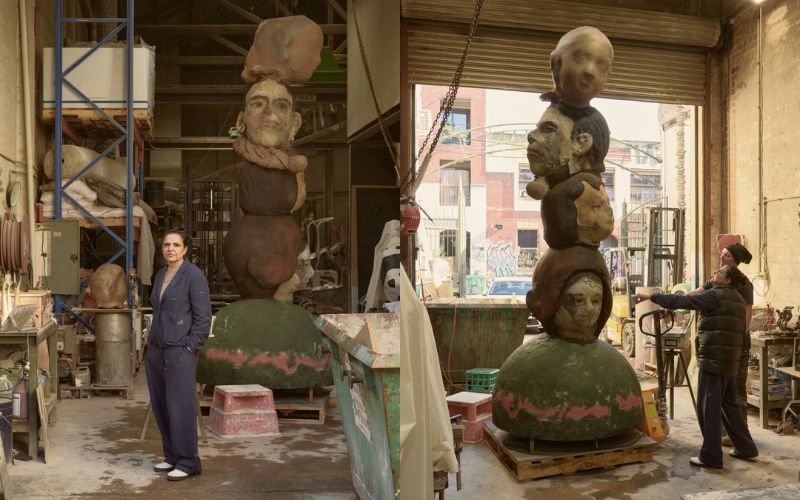
Kher, one of the world’s most respected contemporary artists, has been selected to deliver the major commission as part of Powerhouse Parramatta’s vision to integrate internationally recognised public art into one of Australia’s newest cultural institutions. Her work will welcome visitors from around the world while reinforcing Parramatta’s position as an emerging global centre for arts, creativity and multicultural expression.
The centrepiece of the commission is a monumental bronze sculpture titled Tree of Life, standing approximately seven metres tall. Inspired by Kher’s acclaimed Intermediaries series, the artwork features 14 sculptural heads stacked vertically to form a striking totem-like structure exploring themes of ancestry, memory, interconnectedness and shared humanity.
The sculpture incorporates bronze alongside carefully sourced clay fragments collected from traditional figurines found in markets across India. Through these materials, Kher reinterprets the symbolic Tree of Life, an enduring motif in Indian philosophy that represents growth, renewal, protection and the interconnectedness of all living beings. The artwork combines Indian cultural traditions with a contemporary artistic language designed to resonate with diverse audiences.
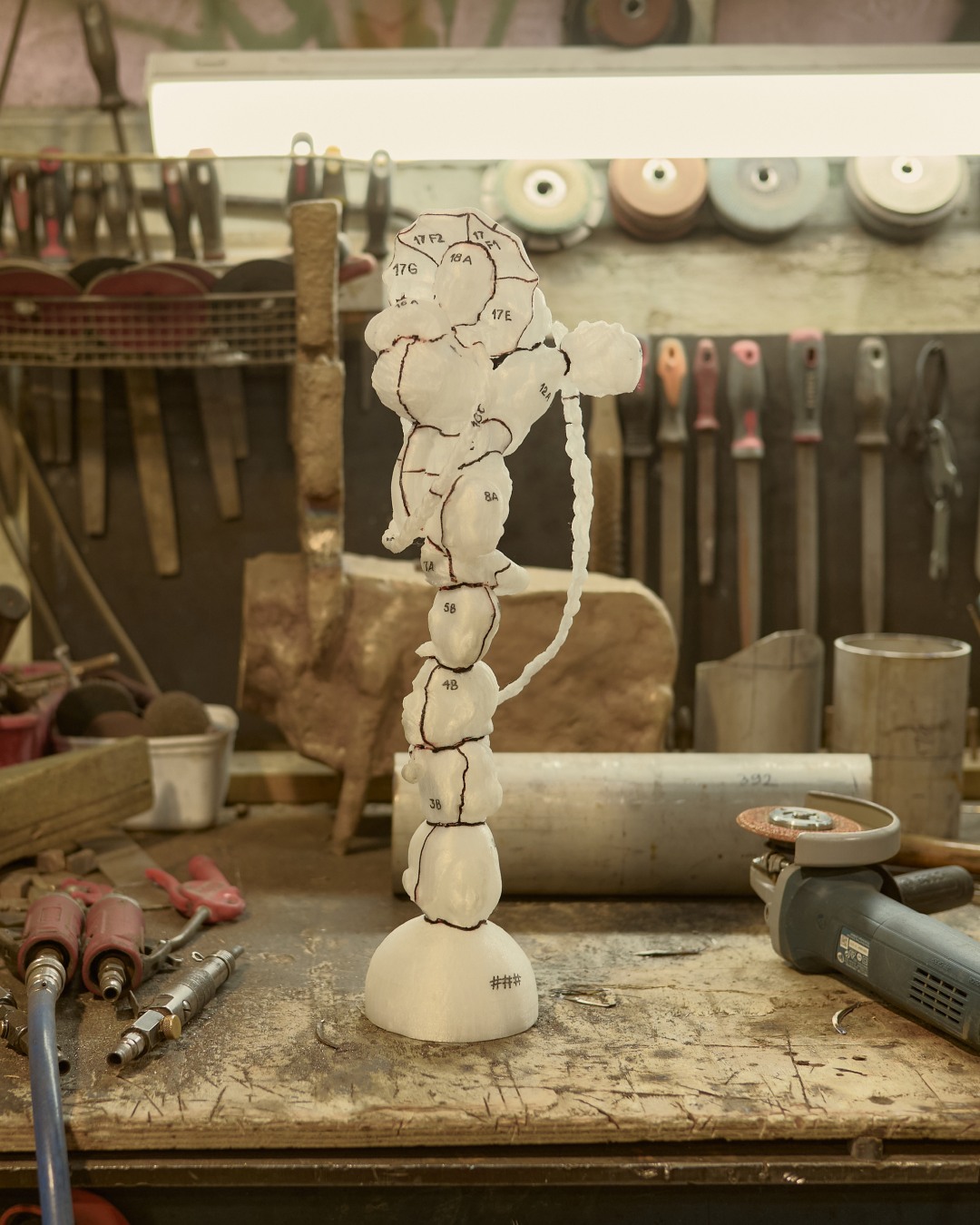
Born in London to Indian parents and now based in New Delhi, Bharti Kher has built an internationally celebrated career spanning sculpture, painting and large-scale installations. Her work frequently explores identity, spirituality, migration and cultural hybridity, often incorporating the bindi—a traditional symbol worn on the forehead in South Asian culture—as a recurring artistic motif representing both physical and spiritual connection.
Powerhouse Parramatta said the commission reflects the institution’s commitment to showcasing artists whose work speaks to the rich diversity of contemporary Australia. Located in one of the country’s fastest-growing and most multicultural cities, the museum aims to create public spaces that celebrate the stories, histories and identities of the communities it serves.
The commission carries particular significance for Parramatta, where people of Indian heritage form one of the city’s largest and fastest-growing communities. By inviting one of India’s most influential contemporary artists to create a permanent public artwork, Powerhouse acknowledges the important contribution Indian-Australians continue to make to Western Sydney’s cultural landscape while strengthening the city’s international cultural profile.

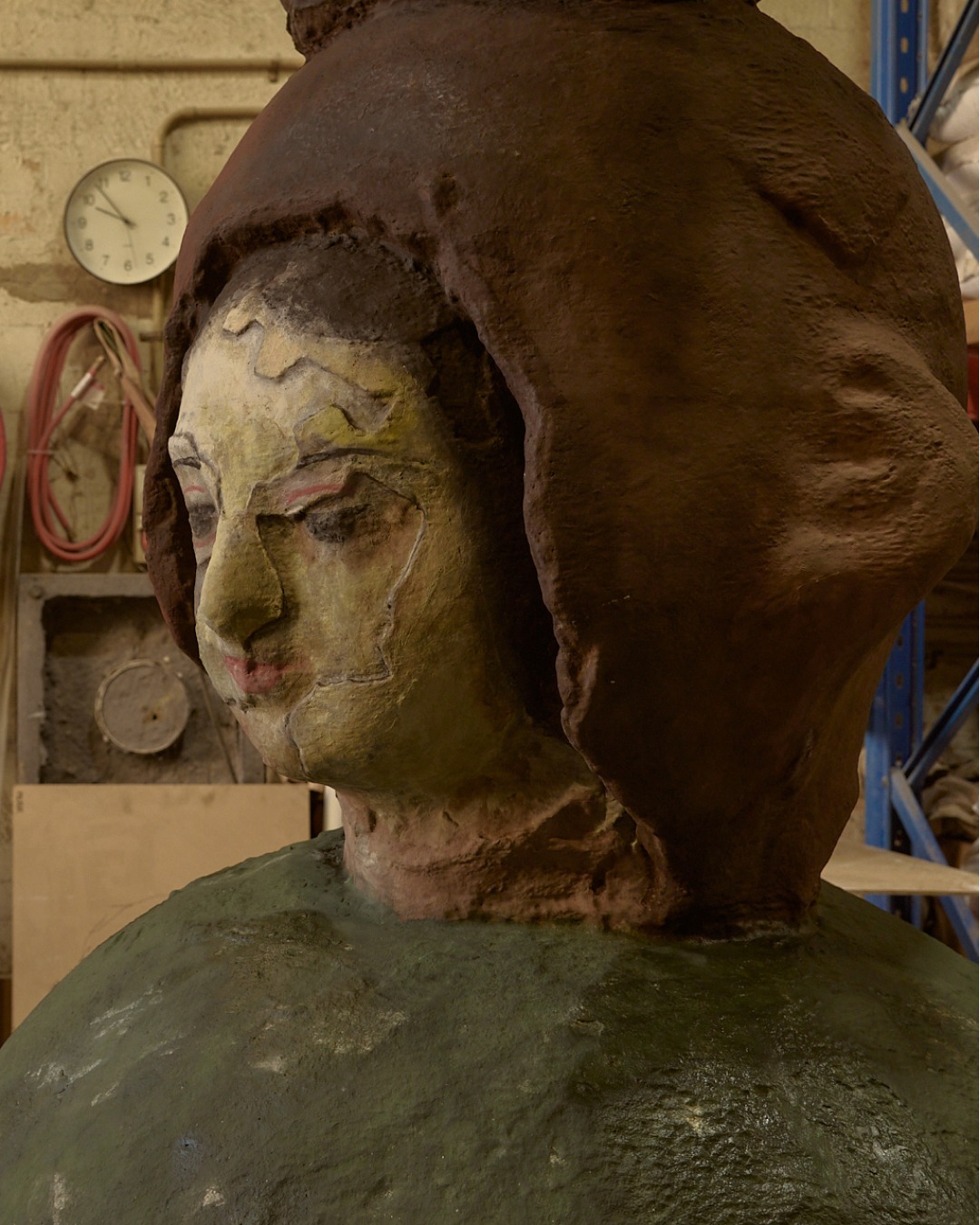
In announcing the project, Kher described Tree of Life as a work inspired by connection and shared belonging. She said the sculpture reflects Powerhouse Parramatta’s role as a gathering place where diverse communities come together, while also celebrating humanity’s enduring relationship with nature and collective memory. Through its symbolism, the artwork seeks to create a welcoming space where people from every background can feel represented and connected.
The installation forms part of the broader transformation of Powerhouse Parramatta, which is expected to become one of Australia’s leading museums for science, technology, design and contemporary culture. Alongside major exhibitions, research facilities and community programs, the museum’s public art collection is expected to become a defining feature of the new cultural precinct when it opens.
For Australia’s Indian diaspora, Bharti Kher’s appointment represents another milestone in the growing recognition of South Asian artists on the international stage. As Tree of Life takes its place at the entrance to Powerhouse Parramatta, it will stand not only as a remarkable work of contemporary art but also as a lasting symbol of multicultural Australia—where heritage, creativity and community come together to shape the nation’s cultural future.