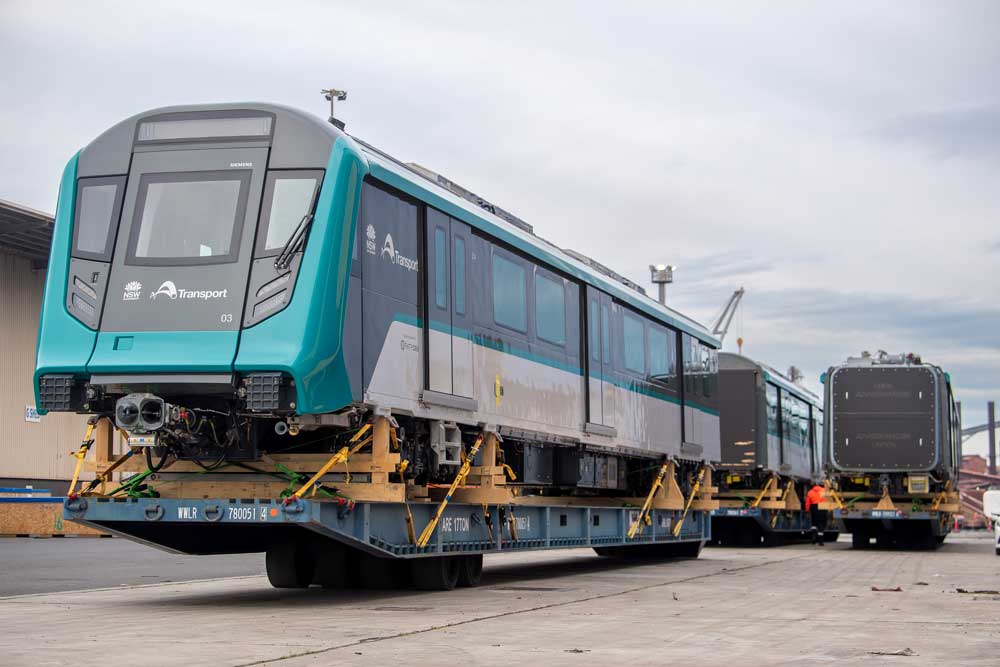
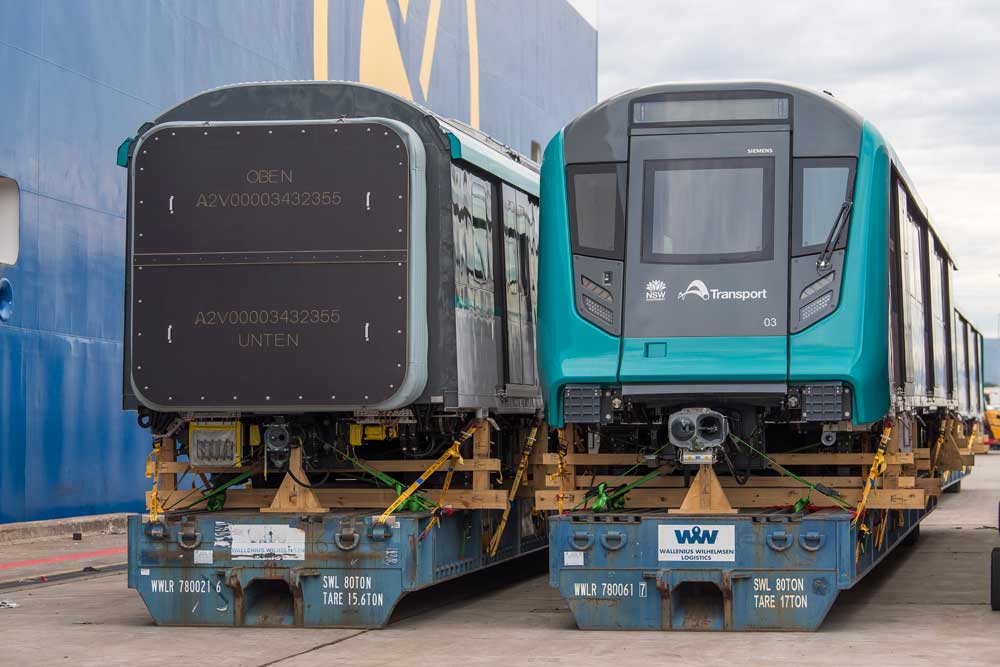
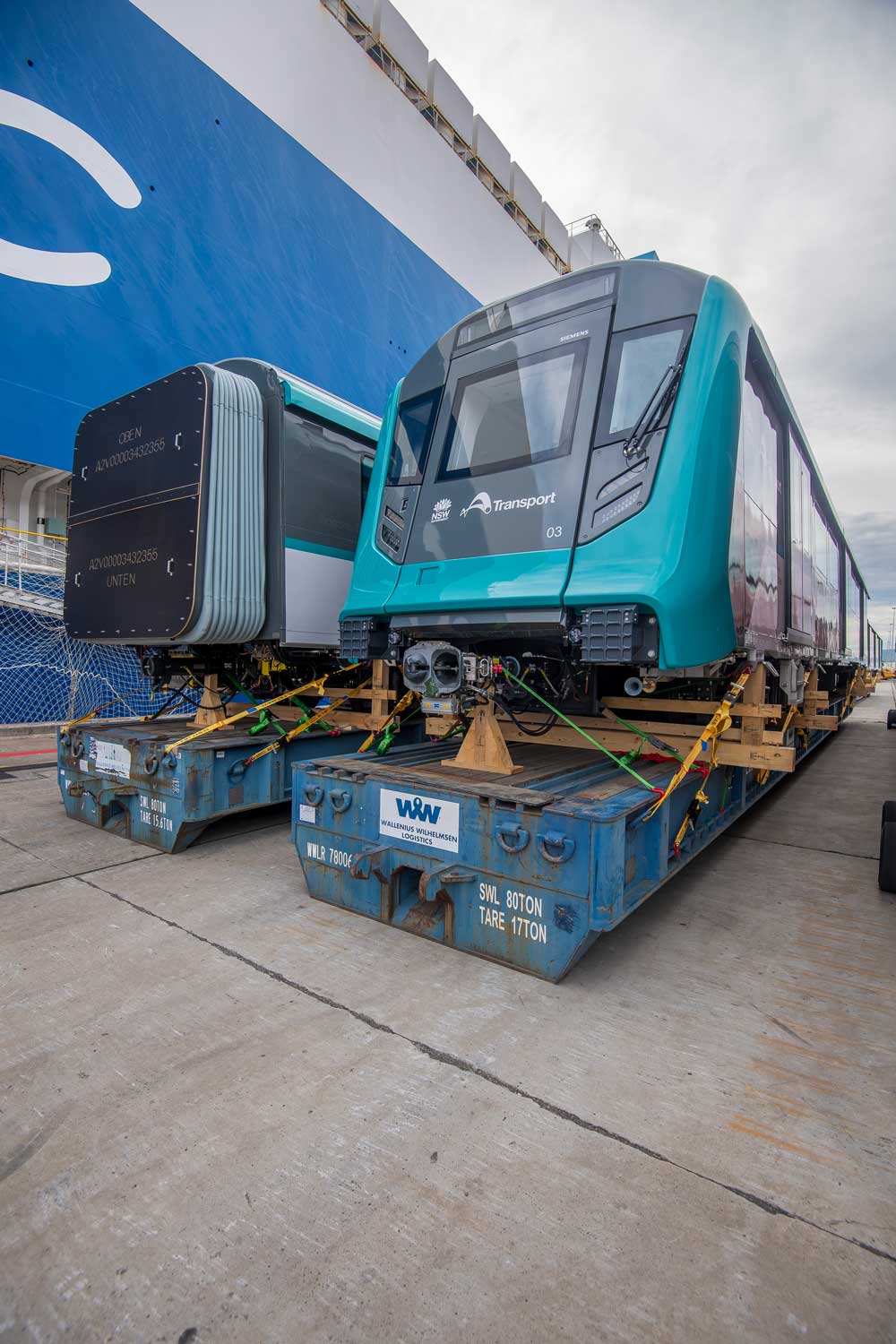
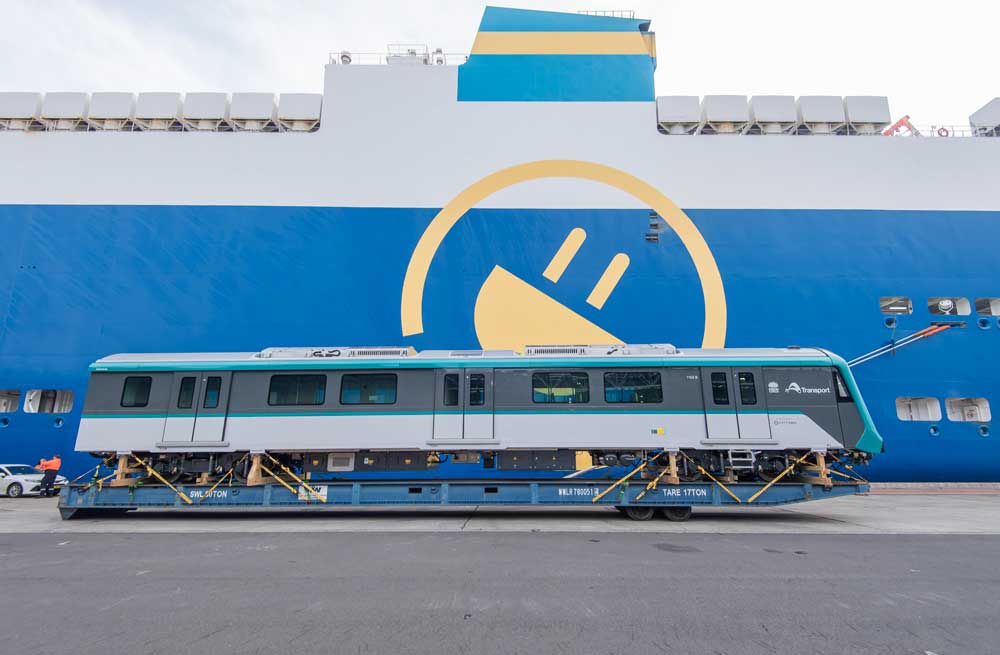
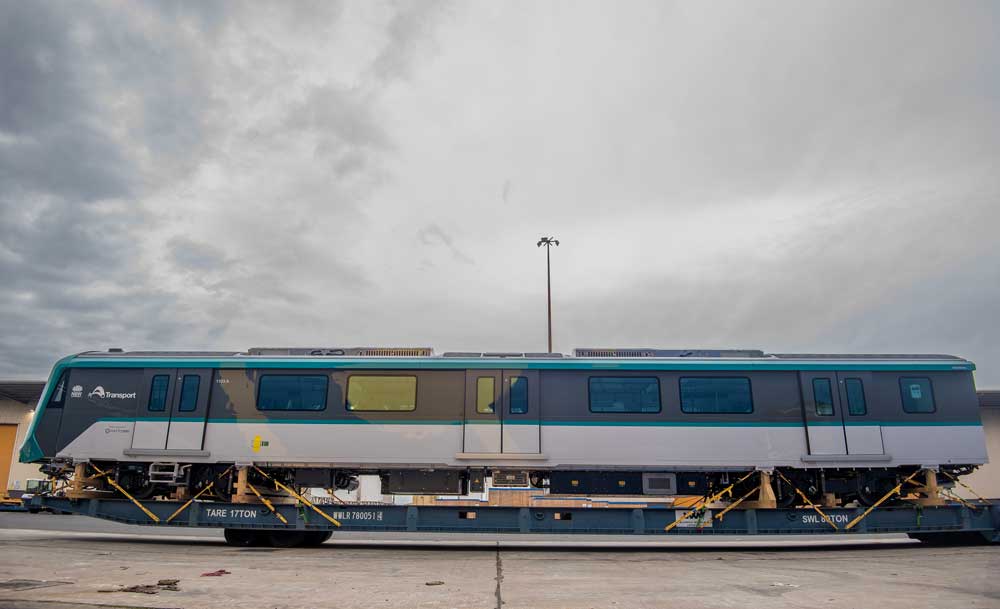
Western Sydney has reached another major transport milestone with the arrival of the first train for the Sydney Metro – Western Sydney Airport Line, marking a significant step towards the launch of passenger services connecting the region to Australia’s newest international airport. The state-of-the-art metro train has now arrived in Sydney, bringing the city one step closer to a faster, smarter and more connected public transport network.
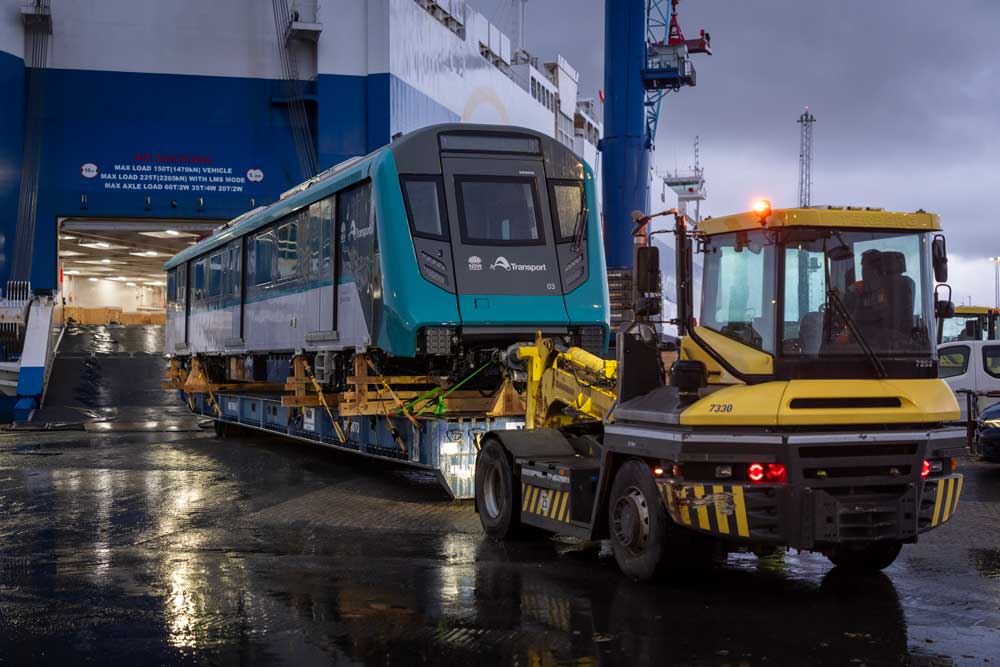
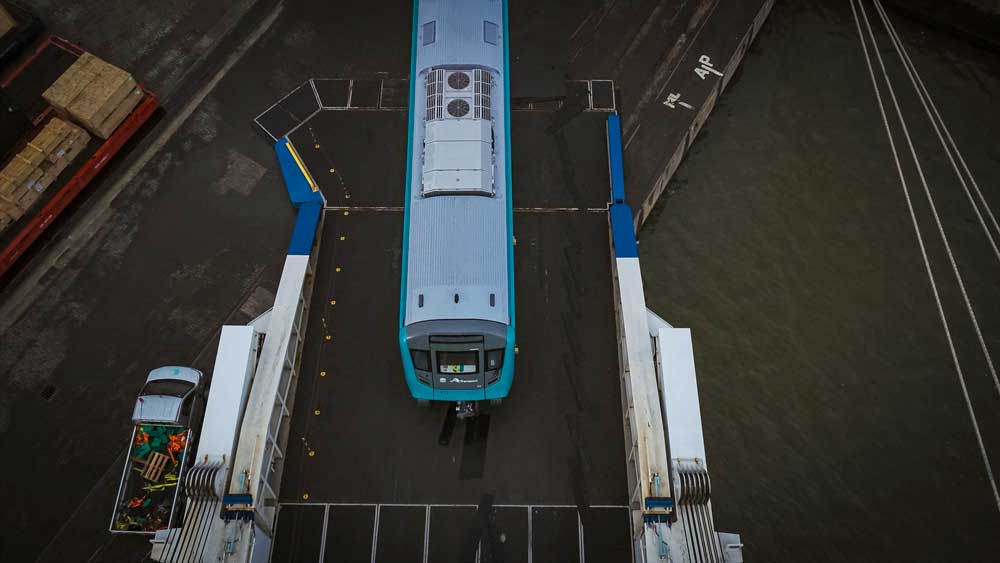
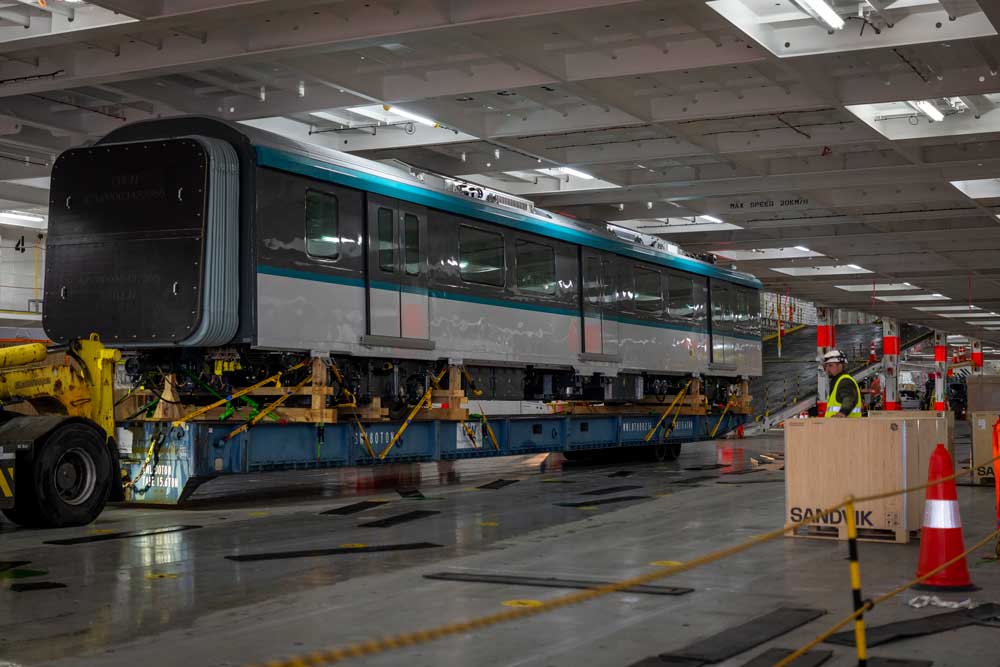
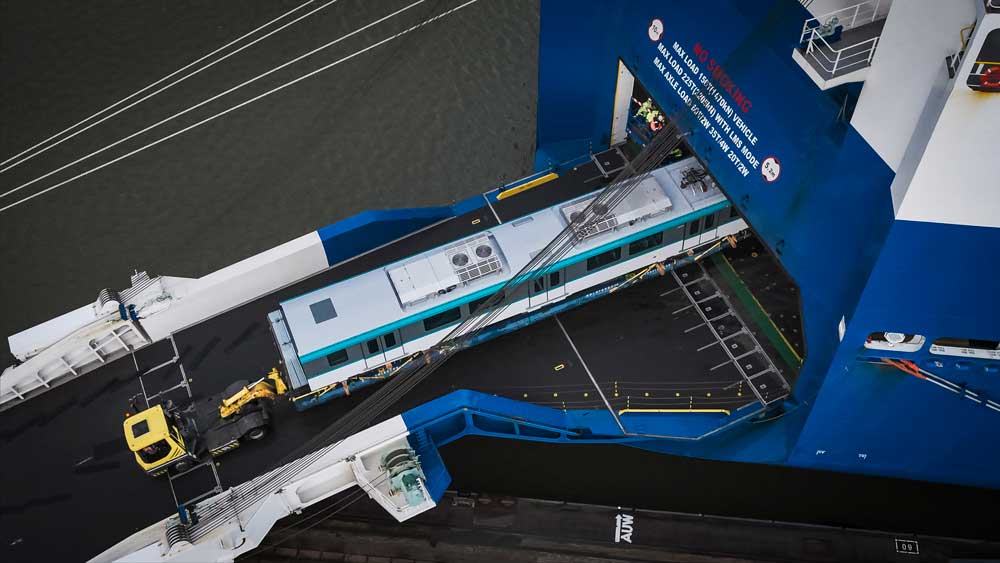
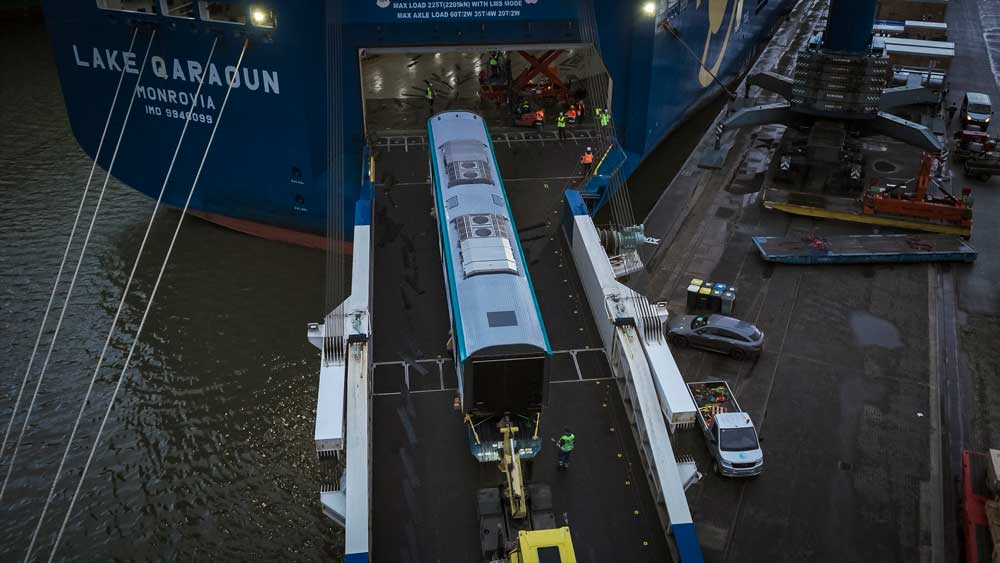
The first of 12 purpose-built metro trains travelled more than 23,000 kilometres from Vienna before arriving at Port Kembla, where it was unloaded and transported by road to Sydney Metro’s new Stabling and Maintenance Facility at Orchard Hills. The train has now been assembled and will soon begin preparations for testing ahead of passenger operations.
Designed specifically for airport passengers, the new three-carriage trains feature a range of modern upgrades aimed at making travel more comfortable and convenient. Wider central aisles provide extra space for passengers travelling with luggage, while dedicated luggage storage beneath seats offers additional practicality for airport users.
The trains will also feature high-resolution digital displays providing real-time flight information through a direct connection with the airport, allowing travellers to stay updated throughout their journey. Passengers will benefit from multiple seating configurations, designated wheelchair spaces, hearing loops, enhanced accessibility features and dedicated bicycle storage areas, making the trains among the most advanced metro services in Australia.
The remaining 11 trains are scheduled to arrive in Australia over the coming months, with dynamic testing expected to begin later this year along the 23-kilometre, six-station metro line. Once operational, the journey between St Marys Metro Station and Western Sydney International Airport is expected to take approximately 15 minutes, significantly improving transport connectivity across the rapidly growing region.
Federal Minister for Infrastructure, Transport, Regional Development and Local Government Catherine King welcomed the arrival of the first train, describing it as another important milestone in delivering rail access to Australia’s newest international airport. She said the trains would rank among the country’s most technologically advanced, offering passengers dedicated luggage facilities and real-time flight information while strengthening Australia’s modern transport infrastructure.
NSW Minister for Transport John Graham said the new fleet has been purpose-built to meet the needs of airport travellers while supporting the rapid growth of Western Sydney. He noted the trains feature wider aisles, advanced accessibility features and larger station platforms designed to provide passengers with a seamless travel experience from the moment services commence.

Federal Member for Werriwa Anne Stanley said the arrival of the first metro train signals the future of transport in Western Sydney. She highlighted that the metro line will complement new bus services already being introduced across the south-west, improving access to the airport precinct for both workers and visitors as employment opportunities continue to expand.
NSW Member for Leppington Nathan Hagarty described the train’s arrival as another exciting milestone for one of Australia’s fastest-growing regions. He said the purpose-built trains, combined with the opening of Western Sydney International Airport next year, will deliver modern public transport infrastructure that supports the area’s growing population while making travel easier for passengers.
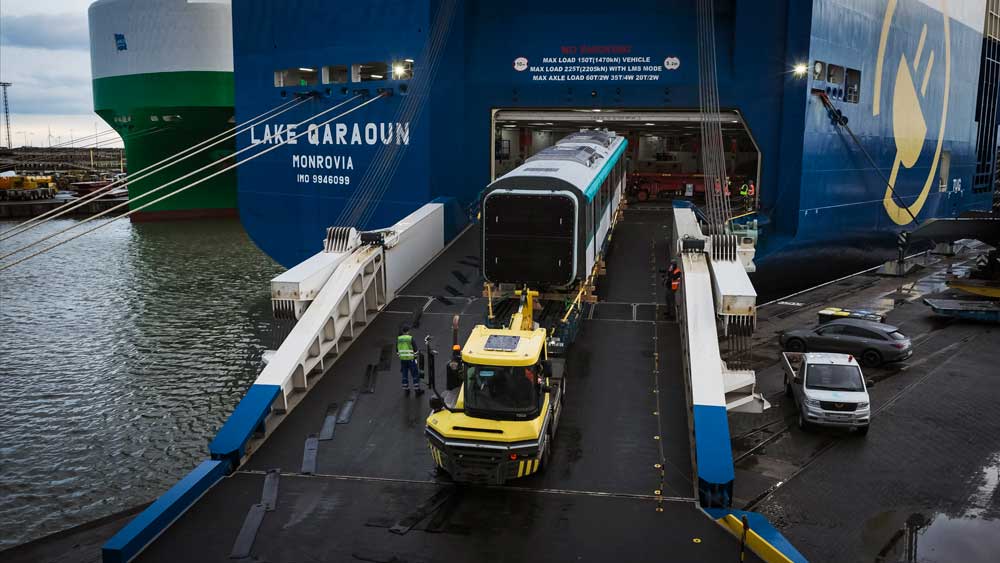
The arrival of the first Sydney Metro – Western Sydney Airport train represents another significant step in transforming Western Sydney into one of Australia’s most connected regions. With advanced technology, improved accessibility and direct airport integration, the new metro line is expected to play a vital role in supporting economic growth, tourism and employment while delivering a world-class transport experience for millions of future passengers.