Australians across the country are being advised to prepare for a nationwide test of the new AusAlert emergency warning system, which will send a loud emergency notification simultaneously to compatible mobile devices on Monday, 27 July 2026.
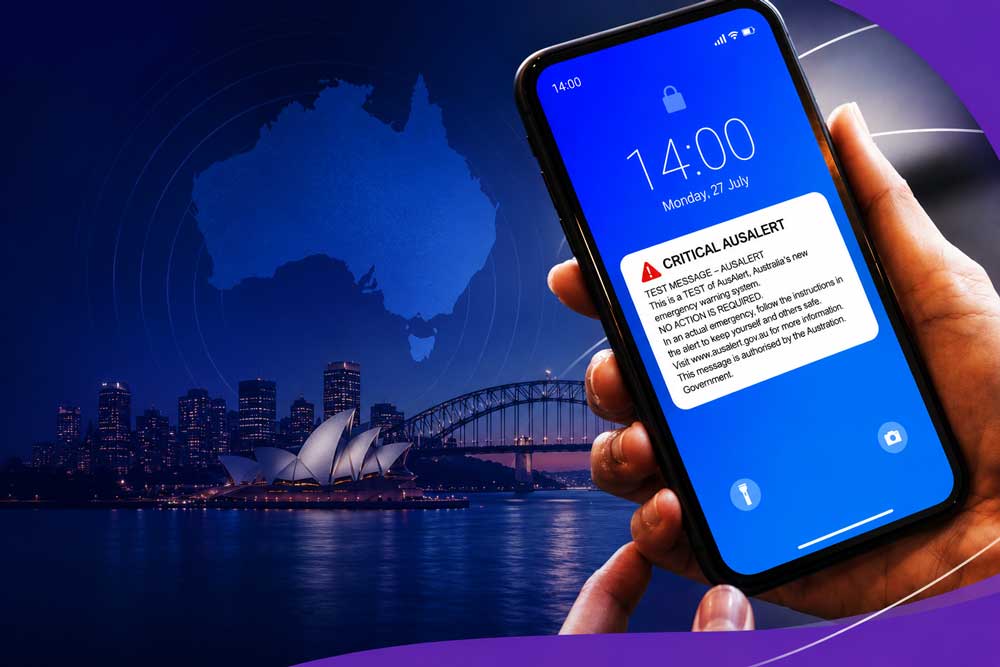
The test, which is being coordinated by Australia’s National Emergency Management Agency (NEMA), marks an important step ahead of the full national rollout of AusAlert later this year. The system has been designed to rapidly deliver life-saving emergency information during natural disasters, major security incidents and public health emergencies.
Unlike traditional text message alerts, AusAlert is designed to instantly broadcast critical warnings directly to compatible smartphones, tablets and smartwatches across Australia. The alerts will use dedicated emergency communication technology that allows authorities to send messages to millions of devices simultaneously.
Because Australia operates across multiple time zones, the alert will appear at different local times depending on where users are located. However, it is important to note that the message will be transmitted nationwide at exactly the same moment.
The scheduled local times for the nationwide AusAlert test are:
- New South Wales, Victoria, Queensland, Tasmania and the Australian Capital Territory – 2:00 PM AEST
- South Australia, Northern Territory and Broken Hill – 1:30 PM ACST
- Western Australia – 12:00 PM AWST
- Christmas Island – 11:00 AM CXT
Australians should not be alarmed when they receive the notification. The test is purely technical in nature and has been organised to ensure the system functions correctly before its official launch, which is expected in October 2026.
One of the most notable features of the AusAlert system is its distinctive warning sound. Compatible devices will vibrate and emit a loud siren-like emergency tone for approximately 10 seconds, accompanied by an on-screen notification indicating that the alert is part of a nationwide test.

Importantly, the alert has been categorised as a “Critical Alert,” meaning it will override common device settings such as Silent Mode and Do Not Disturb. Even users who typically keep their phones muted are expected to hear the emergency tone if their device supports the system.
Authorities have issued a particularly important advisory for individuals who keep secondary or hidden mobile phones for personal safety reasons, including those experiencing domestic or family violence situations. Because the emergency alert will sound regardless of device settings, hidden phones may unintentionally reveal their location if left switched on during the test.
Anyone in this situation is being advised to completely power off the device or place it into Airplane Mode at least one hour before the scheduled test time to avoid receiving the notification.
The National Emergency Management Agency has emphasised that no action is required when the alert is received. Australians are not required to respond, click any links or provide any information. The alert is solely intended to test the technology that will be used during genuine emergencies in the future.
Once fully operational, AusAlert will become Australia’s next-generation emergency warning platform, allowing authorities to quickly communicate critical information during bushfires, floods, cyclones, severe weather events, public safety incidents and other emergencies. The system is expected to significantly improve the speed and reach of emergency communications across the country.
For Australia’s multicultural communities, including international students, temporary visa holders and newly arrived migrants, understanding how the system works is particularly important. Emergency alerts may be received regardless of where individuals live or their visa status, making public awareness essential ahead of the national rollout.
Australians are encouraged to inform family members, elderly relatives and friends about the scheduled test to avoid unnecessary concern when devices begin sounding simultaneously across the country.
The nationwide AusAlert test represents one of Australia’s most significant emergency communication upgrades in recent years and will provide valuable insights before the system officially launches later in 2026.