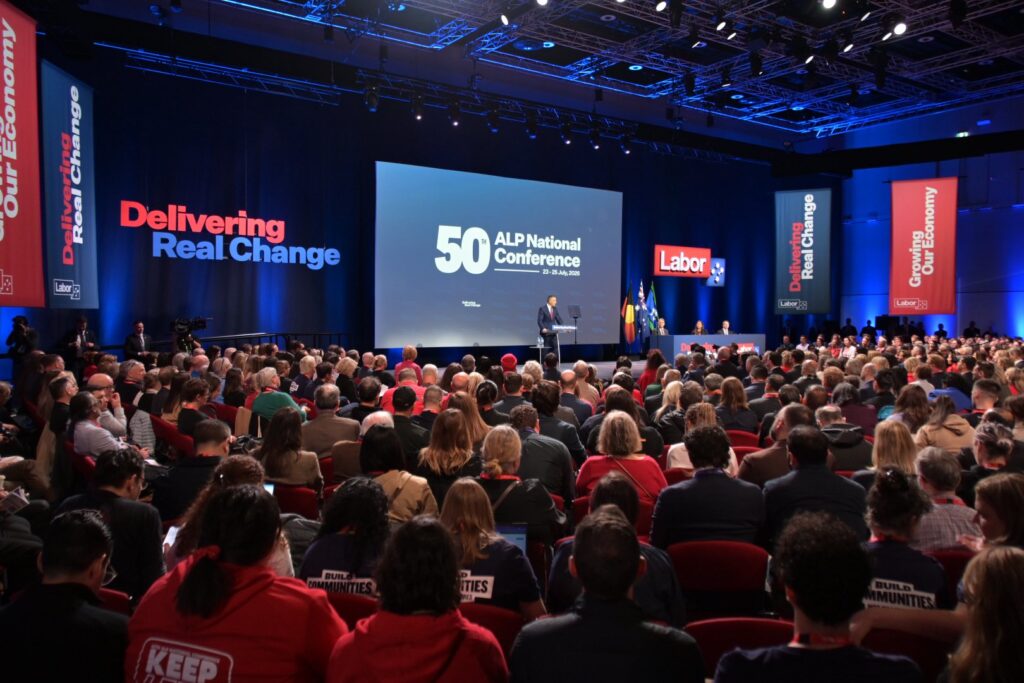
South Australian Premier Peter Malinauskas welcomed Labor leaders, delegates and supporters from across Australia as Adelaide hosted the milestone 50th Australian Labor Party National Conference.
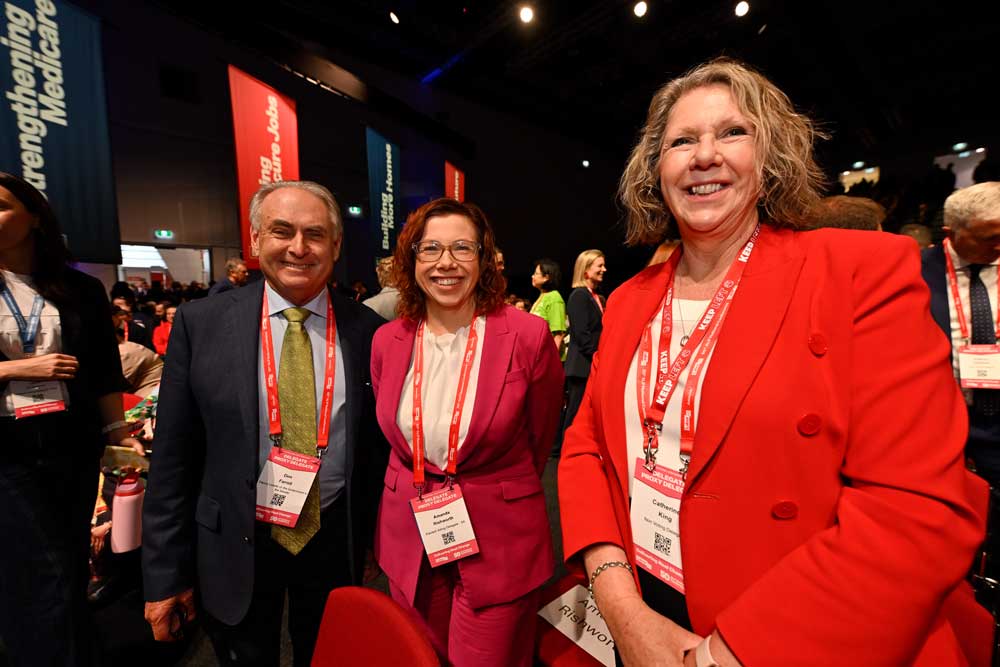
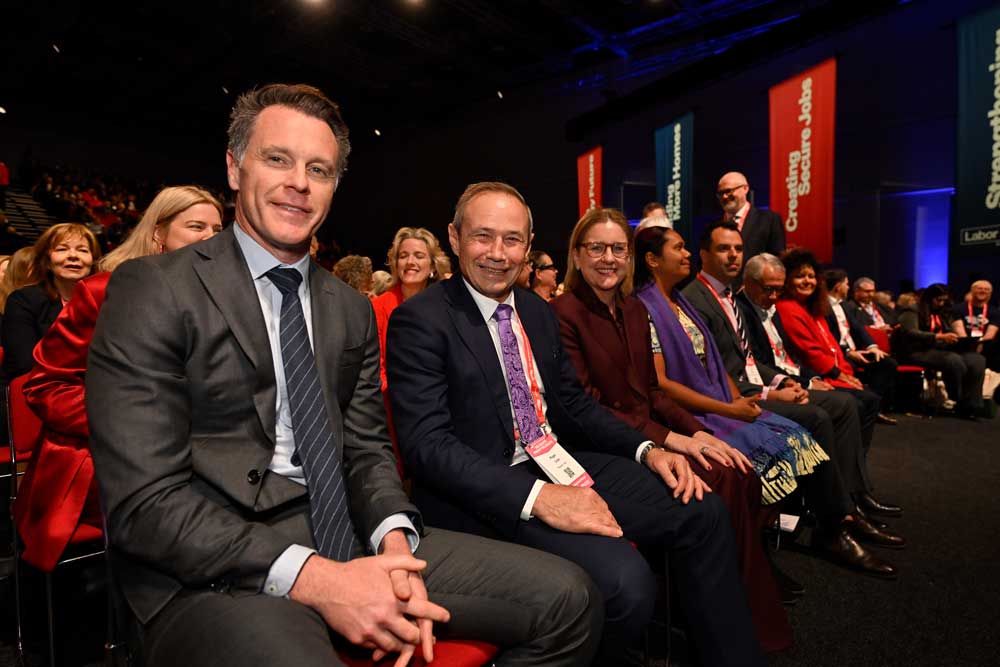
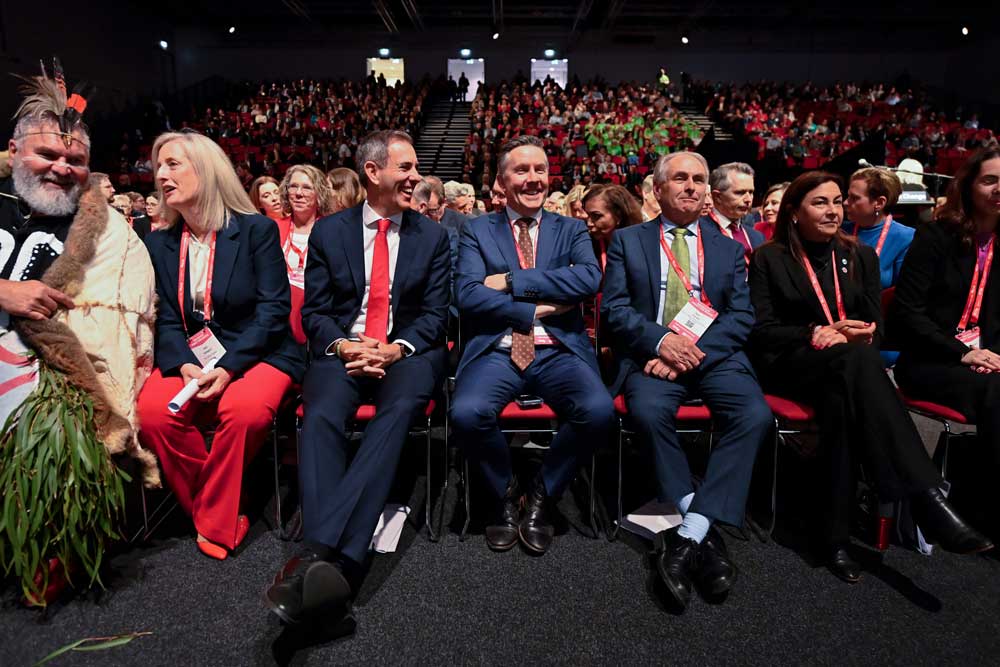
The conference was held at the Adelaide Convention Centre from Thursday 23 July to Saturday 25 July 2026, bringing together federal, state and territory parliamentarians, union members, party representatives, community organisations, business leaders, members of the diplomatic community and national media.
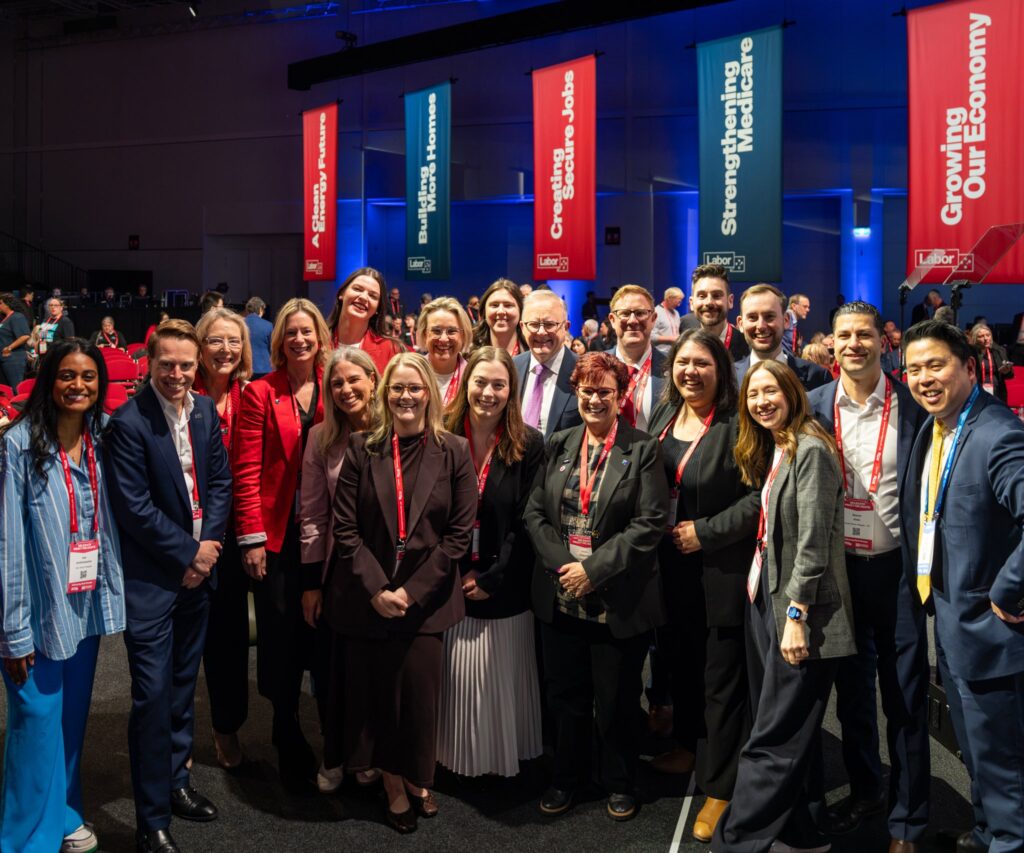
More than 2,000 people were expected to attend the three-day gathering. As Labor’s highest decision-making forum, the National Conference provides delegates with an opportunity to debate and adopt the party’s national platform, priorities and policies.
Hosting the 50th National Conference placed Adelaide at the centre of national political discussion and gave South Australia an opportunity to highlight its economic, industrial and social priorities.
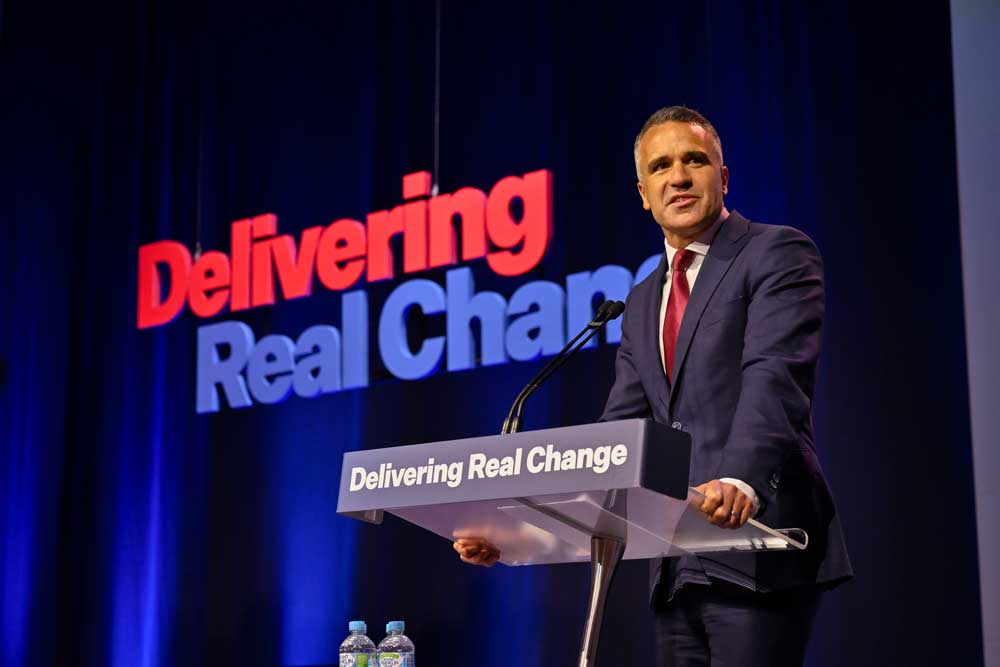
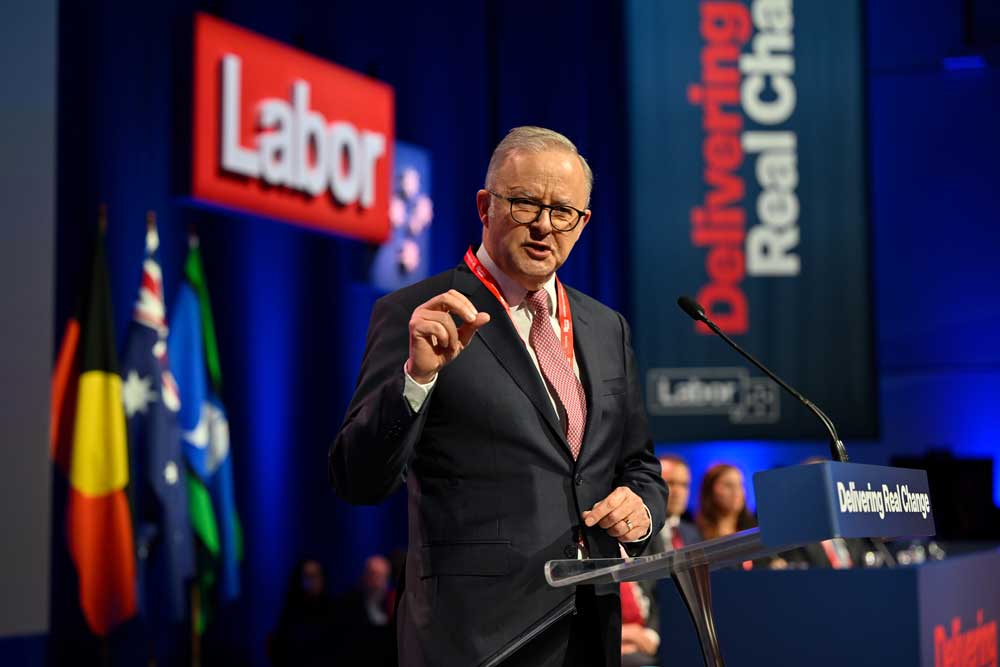
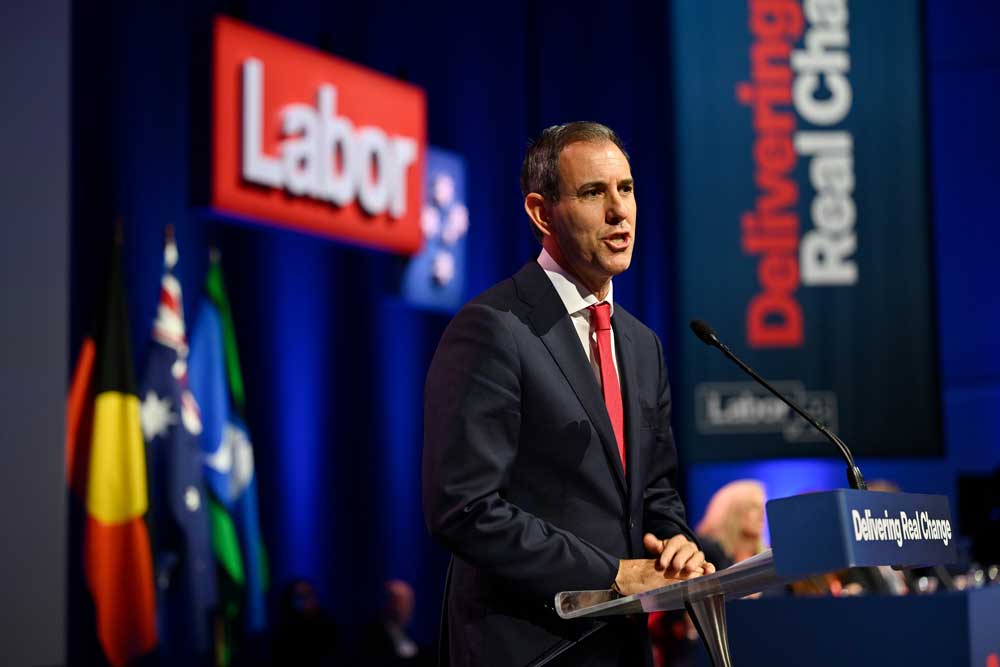
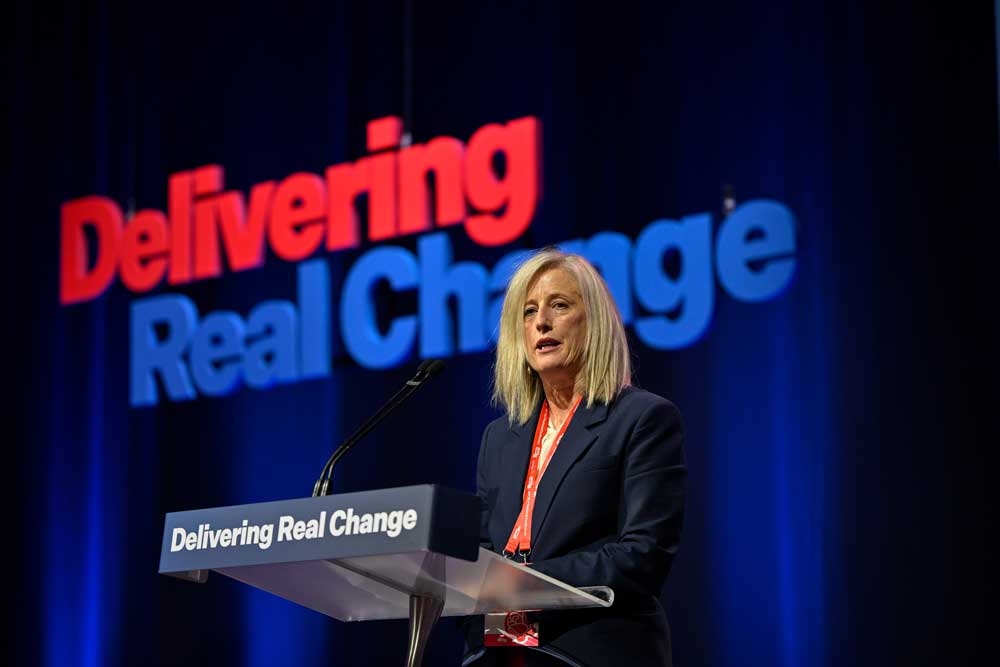
Premier Malinauskas Welcomes Delegates to Adelaide
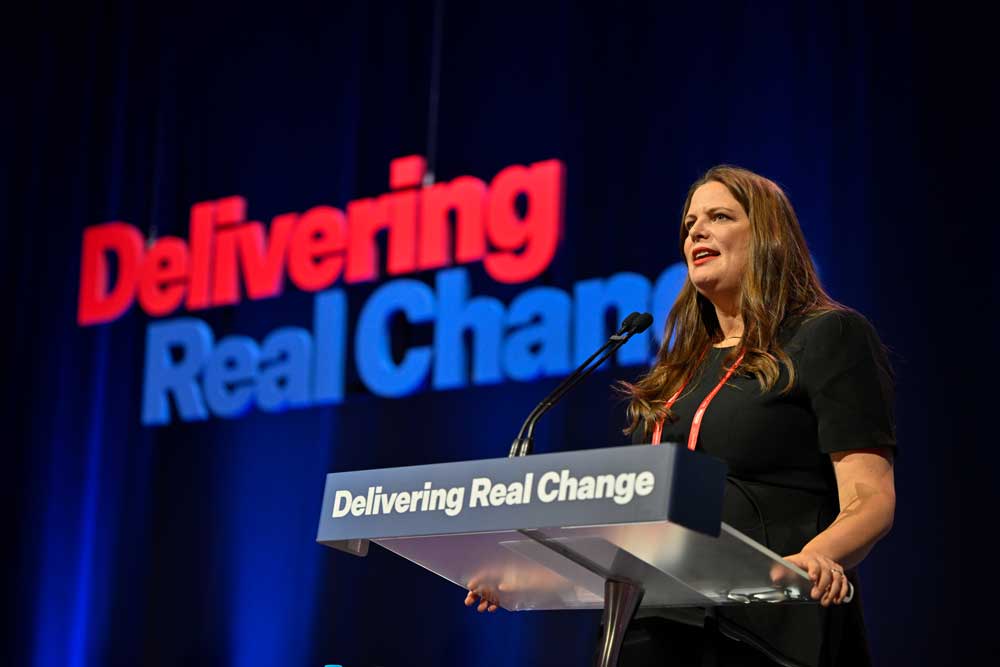
As Premier of the host state, Peter Malinauskas officially opened the conference on 23 July and welcomed delegates to Adelaide.
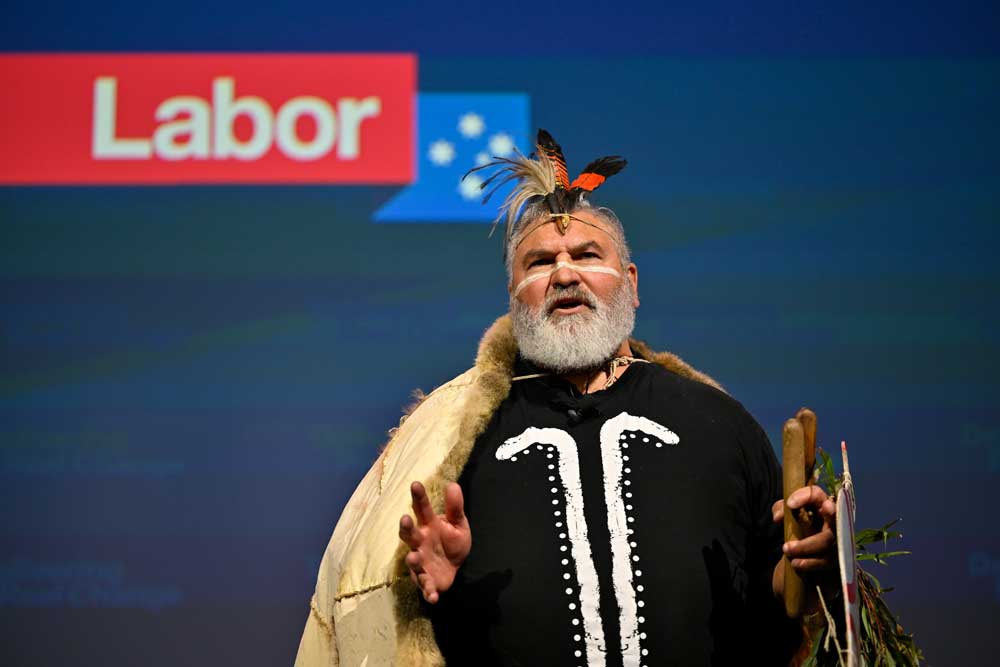
Beginning his address with an acknowledgement of Country, the Premier thanked Uncle Mickey for the Welcome to Country and acknowledged that the conference was meeting on Kaurna land.

He described Australia’s First Nations heritage as an extraordinary gift and reflected on the significance of living alongside the world’s longest continuing culture.
“Welcome to Adelaide, and the 50th National Conference of the Australian Labor Party,” Mr Malinauskas told delegates.
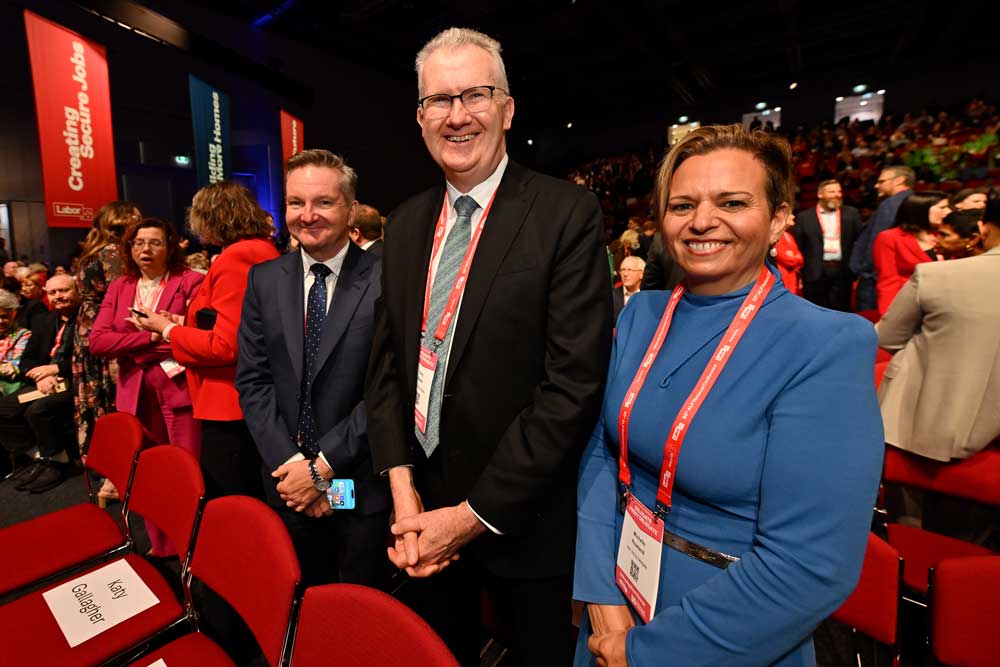
His opening remarks combined humour with a broader message about political leadership, discipline and the responsibility of governments to deliver meaningful outcomes for Australians.
A Warning Against Political Complacency
Reflecting on the history of the labour movement, Mr Malinauskas said Labor had endured while numerous conservative political parties and formations had risen, changed or disappeared throughout Australia’s history.
He argued that Labor’s legacy was not based simply on political longevity, but on a policy program that had helped shape the nation.
The Premier warned that instability and division among Labor’s political opponents presented two risks for the party.
The first was complacency-the belief that a divided conservative movement would automatically make Labor the electoral favourite. The second was allowing Labor’s policy agenda to become focused on responding to political populism rather than addressing the genuine needs of the country.
Mr Malinauskas emphasised that Labor was a party of government and that governing should always be regarded as a privilege and a serious responsibility.
He said the party’s attention must remain focused on what he described as the “Great Australian Project”-building a nation based on cooperation, optimism and shared effort.
Celebrating Australia’s Diversity and Optimism
A central theme of the Premier’s address was the character of the Australian people.
He said Australia’s strength came from its generosity of spirit and from people working hard together, rather than simply pursuing individual success.
Mr Malinauskas contrasted this optimistic and cooperative vision with political movements built around grievance, division and blaming particular sections of the community.
He specifically referred to the danger of migrants and minorities being used as targets in divisive political debates.
The Premier argued that pessimism did not reflect the character of Australians, whom he described as people who believe in fairness, compassion and the egalitarian ideal.
His comments carried particular relevance for Australia’s culturally and linguistically diverse communities, reinforcing the importance of maintaining an inclusive country in which migrants and minorities are respected as part of the national story.
Whyalla and South Australia’s National Contribution
Mr Malinauskas also used the address to highlight South Australia’s contribution to the national economy, focusing particularly on the future of Whyalla and sovereign steelmaking.
The Premier recalled calling Prime Minister Anthony Albanese to discuss the challenges facing Whyalla.
He said he initially prepared to make the case for sovereign steel production and explain why protecting the industry was important not only for South Australia, but for the entire nation.
However, Mr Malinauskas said the Prime Minister quickly began asking about the people directly affected-the workers, contractors, local businesses and communities across the wider Whyalla region.
According to the Premier, the discussion demonstrated that the issue was not being treated as simply another request for government funding, but as a serious challenge affecting real people.
Mr Malinauskas said Whyalla was now “on the precipice of one of the greatest transformations of any industrial town in the nation’s history.”
The inclusion of Whyalla in the opening address provided a strong South Australian dimension to the national conference.
It also reinforced the Premier’s position that national leadership should be measured by its ability to protect workers, support communities and make difficult decisions in the national interest.
A Message of Inclusive National Leadership
In concluding his address, Mr Malinauskas said Australia did not need an imitation of international political populism.
Instead, he called for leadership that brings people together, delivers practical outcomes and protects the character of Australia as a diverse, inclusive, egalitarian and prosperous country.
He praised Prime Minister Anthony Albanese as a leader who cared about people, was willing to make difficult decisions and understood the importance of national unity.
The Premier’s speech positioned South Australia not merely as the location of the conference, but as an important contributor to Labor’s broader national vision.
Adelaide in the National Spotlight
Hosting the conference demonstrated Adelaide’s capacity to welcome major national political events and brought leaders, delegates, media representatives and stakeholders from across Australia to the city.
It also gave South Australia an opportunity to promote the state’s role in manufacturing, employment, industrial development and Australia’s future economic direction.
The presence of Premier Malinauskas at the opening placed South Australian priorities-including the future of Whyalla and its workers-firmly within the national political conversation.
A Milestone for Labor and South Australia
The 50th ALP National Conference marked an important milestone in the history of the Australian Labor Party.
For Premier Peter Malinauskas, it provided an opportunity to welcome the Labor movement to his home state, reflect on the responsibilities of government and promote a national vision founded on optimism, fairness and inclusion.
For Adelaide and South Australia, hosting the conference provided national visibility and demonstrated the state’s growing influence in discussions about Australia’s political, economic and industrial future.