A simple cap worn by Hyderabad-born cab driver Rehmat Pasha during one of Sydney’s darkest nights is set to become part of the historical record, preserving the story of a man who stepped towards danger to help people caught in the Bondi Beach attack.
Pasha was working as a cab driver on 14 December 2025 when gunfire erupted at Bondi Beach during a Hanukkah gathering attended by members of Sydney’s Jewish community. He had just dropped off a passenger when he realised the sounds he initially thought could be fireworks were gunshots.
Instead of leaving the area, Pasha moved towards people who had been injured. Reports say he helped pull victims away from the attackers’ line of fire, assisted people who were seriously wounded and later helped transport injured victims to waiting ambulances.
His efforts continued after emergency services arrived. Pasha reportedly spent hours helping responders move injured people from the beach, with surfboards used at times as makeshift stretchers. His actions have been credited in reports with helping save between 18 and 20 lives.
Among the people he encountered was an elderly woman who had suffered gunshot wounds to both legs. Pasha tried to reassure her during the chaos, offering words of comfort as she waited for medical assistance. The moment has remained among the memories he carries from that evening.
The physical and emotional consequences of the attack, however, did not end when the shooting stopped. Pasha later spoke about the trauma he experienced, including recurring memories and nightmares. Reports have said he was diagnosed with severe post-traumatic stress disorder and was temporarily unable to work.
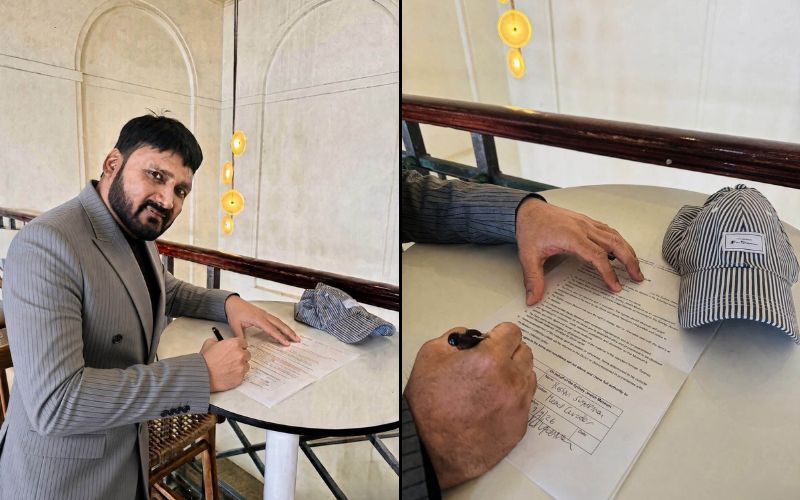
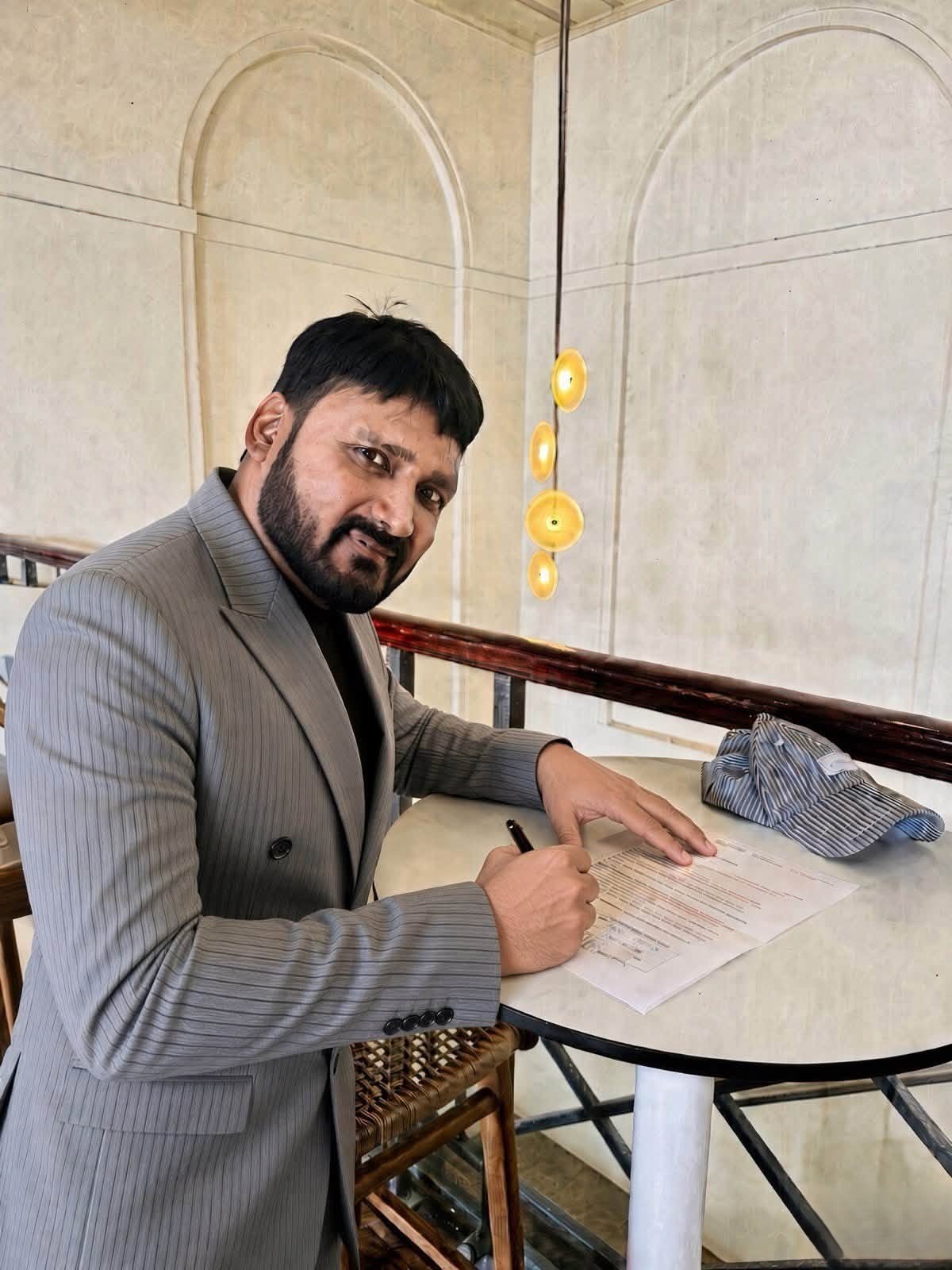
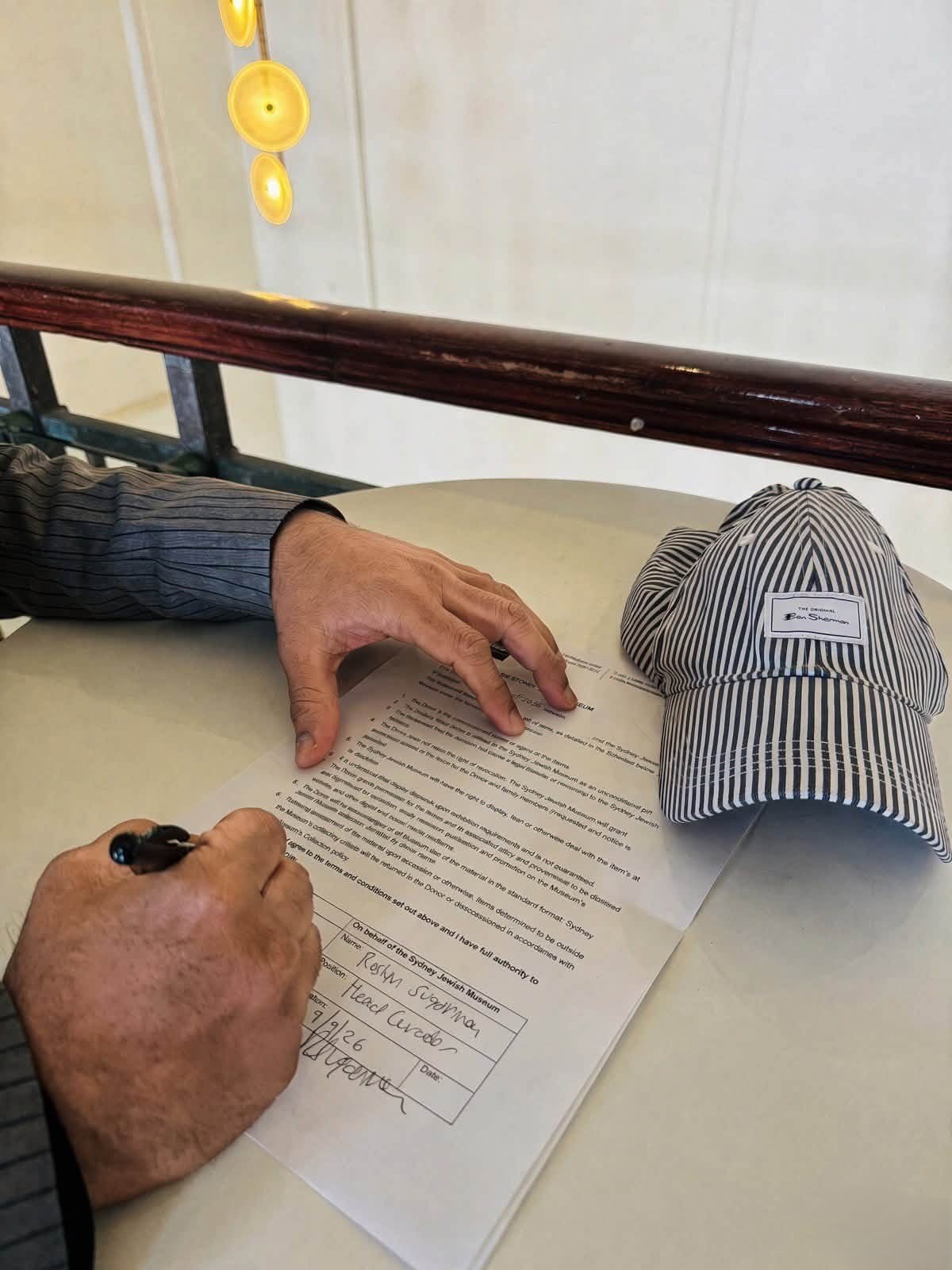
Now, the cap he wore while helping victims is set to be preserved in Sydney as a reminder of what happened that night and of the ordinary person who chose to help strangers in extraordinary circumstances. Reports have described the item as being destined for display at a Sydney museum.

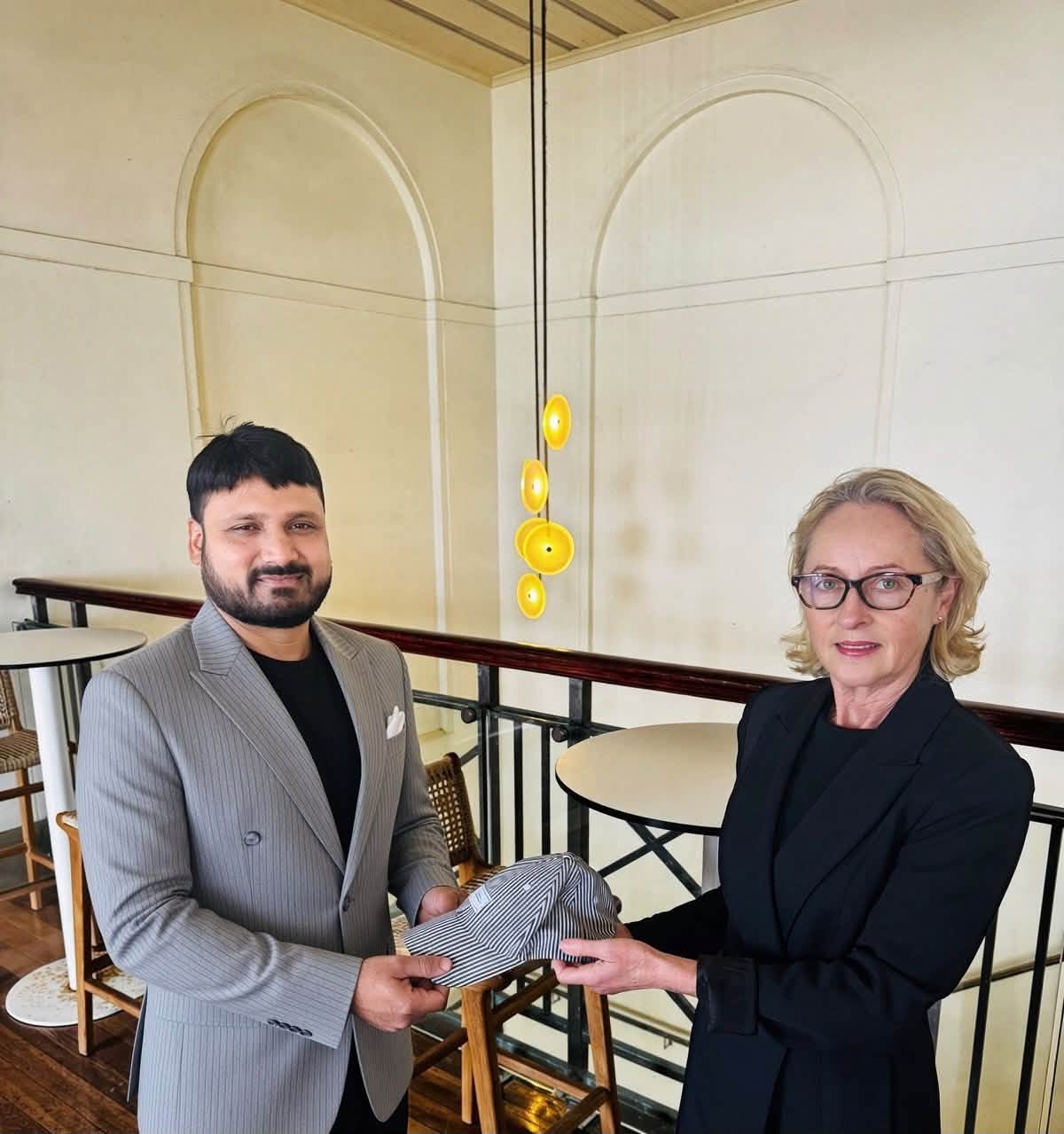
The significance of preserving the cap goes beyond the object itself. It represents a moment when fear, violence and confusion were met by an individual act of humanity. For those who survived the attack and the families affected by it, such objects can help preserve memories of both the tragedy and the people who responded with compassion.
Pasha’s story has also continued to receive recognition beyond the museum plans. In July 2026, Australian authorities granted him permanent residency, acknowledging his contribution and bravery during the attack. His wife and three children, who have remained in Hyderabad, have also been seeking to join him in Australia.
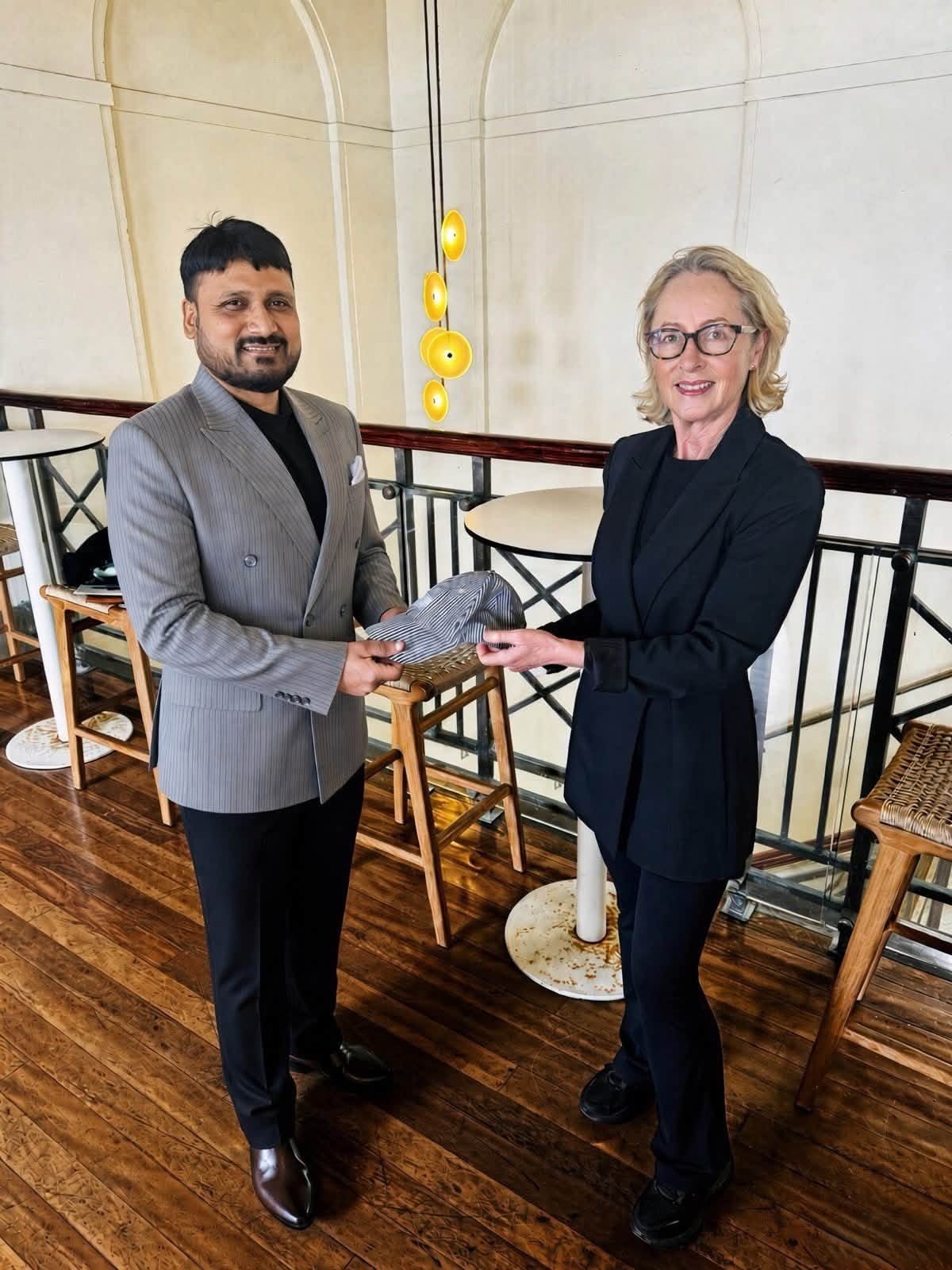
He has also been nominated for bravery awards, while his actions have received recognition from Australian and Indian communities. Despite the attention, Pasha has continued to speak about the emotional weight of that night rather than presenting himself as a hero.
For Pasha, the cap may no longer be something he wears. But once preserved, it will carry a different meaning. It will become a physical reminder of a night marked by loss and violence, and of one man who chose to stand with injured strangers when he could have walked away.
The story of Rehmat Pasha is therefore not simply about an object being placed behind museum glass. It is about how a personal possession can become part of a community’s memory – carrying forward the story of courage, compassion and humanity that emerged from one of Sydney’s most painful nights.